
Forbidden fruit
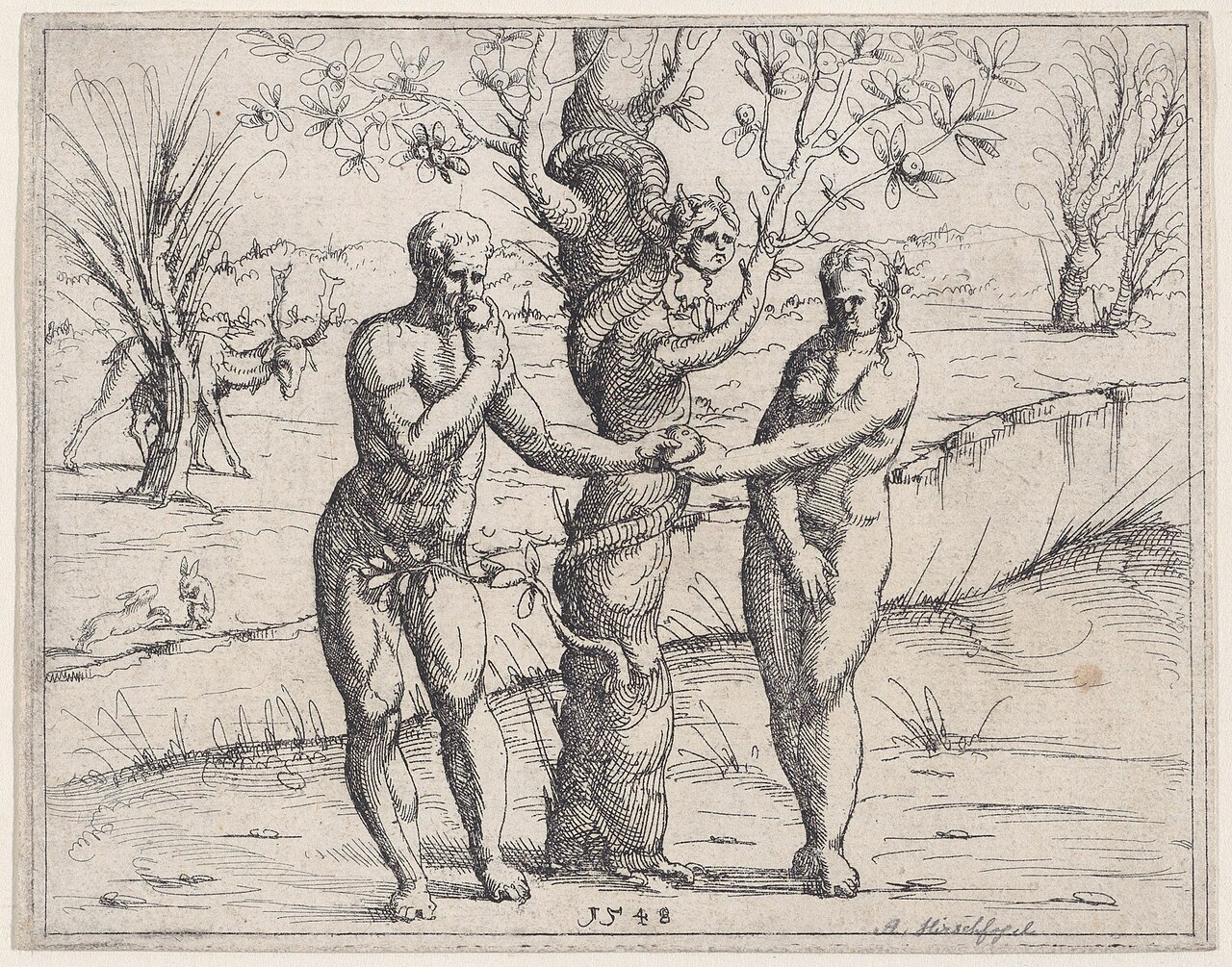
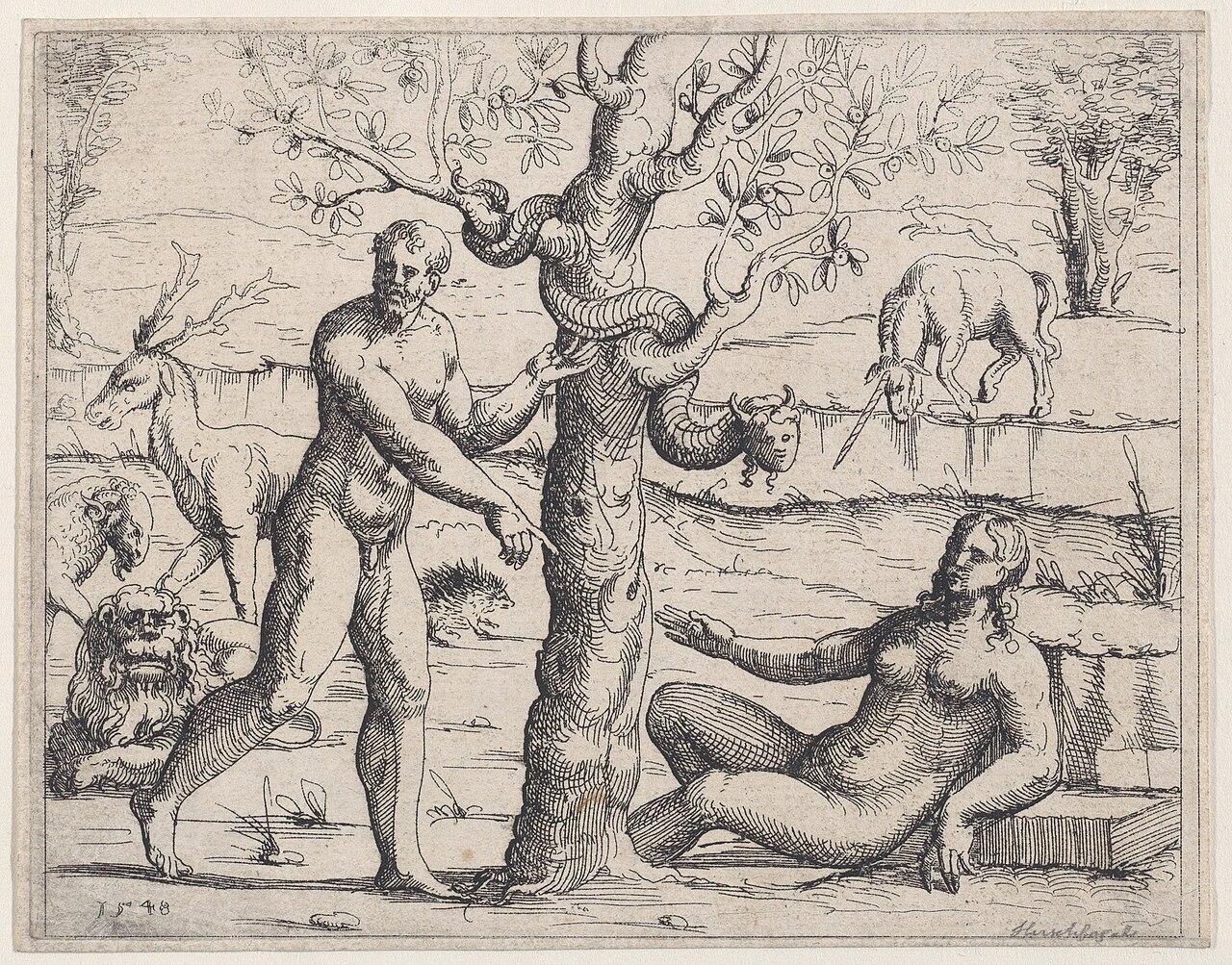
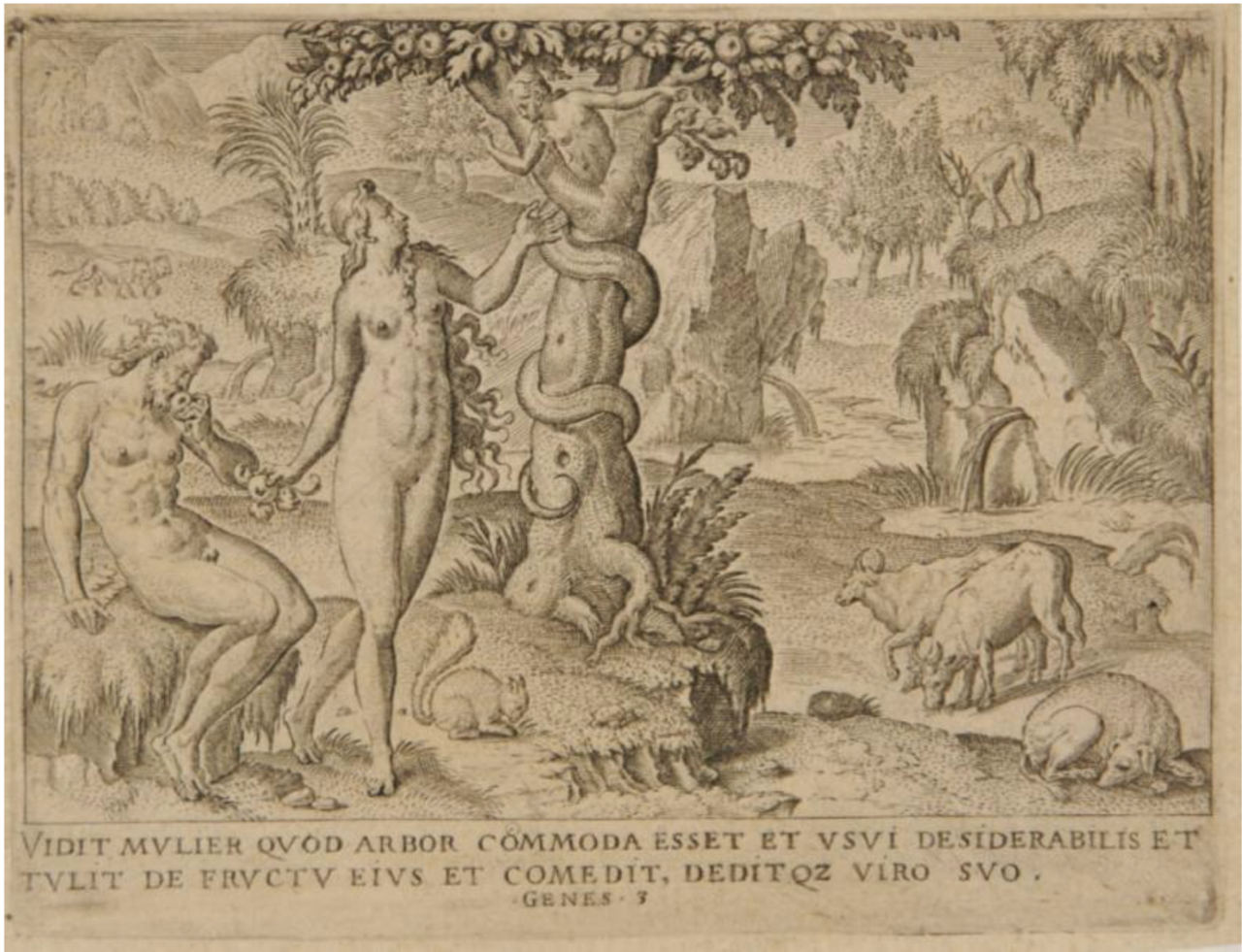
Fruit God forbade Adam and Eve to eat.

Kieran Murray · Public domain
Forbidden fruit is a term used in Abrahamic religions for the fruit growing in the Garden of Eden that God commands mankind not to eat. In the Biblical story of Genesis, Adam and Eve disobey God and commit the original sin by eating the forbidden fruit from the tree of the knowledge of good and evil, leading to their exile from Eden. Outside of Abrahamic religions, the phrase metaphorically refers to any indulgence or pleasure considered illegal or immoral.
- Origin
- Abrahamic religions
- First Mentioned
- Book of Genesis, Quran
- Symbolism
- Original sin, forbidden knowledge
- Common Depiction
- Apple (Western Europe)
- Alternative Identifications
- Grape, fig, pomegranate, wheat, mushroom
- Key Text
- Genesis 2–3, Quran Surah Al-A'raf 7:19–22
Lore & Background
In the Biblical story, God commands Adam not to eat from the tree of knowledge of good and evil, warning that doing so will bring death. A serpent tempts Eve, saying she will not die but become like God, knowing good and evil. Eve eats and gives the fruit to Adam; they become aware of their nakedness, cover themselves with fig leaves, and hide from God. When confronted, Adam blames Eve, and Eve blames the serpent. God curses all three and expels them from Eden before they can eat from the tree of eternal life.
Reader's Guide
The forbidden fruit is a central symbol in Abrahamic religions, representing disobedience, original sin, and the loss of innocence. Its identification has varied widely across cultures and eras. In Western Europe, it is most often depicted as an apple, a tradition that emerged in medieval French art of the 12th century and spread through woodcuts in Martin Luther's 1550 Bible translation. However, the Bible itself does not specify the fruit's type. Jewish and Christian traditions have proposed grapes, figs, pomegranates, wheat, and even mushrooms. In Islamic tradition, the fruit is commonly identified with wheat or grapevine. Gnostic interpretations recast the story, portraying the serpent as a liberator from ignorant archons. The phrase has also entered secular language as a metaphor for any tempting but forbidden pleasure. The laryngeal prominence in the human throat is called the Adam's apple, from a notion that the forbidden fruit stuck in Adam's throat.
Did You Know?
- The word 'apple' in Latin (mâlum) is similar to the word for 'evil' (malum), which may have influenced the apple identification.
- A 13th-century fresco in Plaincourault Abbey, France, depicts the Tree of Knowledge as a giant Amanita muscaria mushroom.
- In the Quran, Shaitan (Satan) whispers to Adam and his wife and deceives them into approaching the tree; the fruit itself is not specified as 'forbidden fruit' in the Quranic text.
- Some later interpretive traditions, but not the Zohar as a widely accepted canonical source, link Noah's use of grape wine to Adam's sin.
Gallery



Frequently Asked Questions
What is the forbidden fruit in Jewish mythology?
It is the fruit growing on the tree of knowledge of good and evil in the Garden of Eden, which God explicitly told Adam and Eve not to consume. Eating it constitutes the original sin and marks the moment humanity lost its primordial innocence.
What kind of fruit was the forbidden fruit actually?
The Hebrew text of Genesis never names a specific species, referring only to 'the fruit of the tree.' While Western art and tradition overwhelmingly depict an apple, other identifications across cultures include grape, fig, pomegranate, wheat, and even mushroom.
What happened after Adam and Eve ate the forbidden fruit?
Their eyes were opened to the distinction between good and evil, and God subsequently banished them from the Garden of Eden. This act of disobedience is understood as the origin of human mortality, suffering, and the loss of paradise.
Why is the forbidden fruit most commonly shown as an apple?
The apple association is a Western European convention likely rooted in a Latin pun where 'malum' means both 'evil' and 'apple.' The actual Genesis text in Hebrew simply calls it 'the fruit of the tree' without specifying any particular kind.
Where in scripture is the forbidden fruit story recorded?
The primary narrative appears in Genesis chapters 2 and 3 of the Hebrew Bible. A parallel account is also found in the Quran, specifically in Surah Al-A'raf (verses 19–22).
More in Jewish mythology 1-19
Spotted an error? Know more?
This is a living reference — every entry is fact-audited, and reader corrections feed straight into our audit queue. Suggest an edit · See this site's audit record