
Japheth
Son of Noah, ancestor of many Eurasian peoples.

Japheth Campbell for Liberty Committee · CC BY-SA 4.0
Japheth was one of the three sons of Noah in the Book of Genesis. He appears in the narrative of Noah's drunkenness and the curse of Ham, and in the Table of Nations he is named as the ancestor of the peoples of the Aegean Sea, Anatolia, Caucasus, Greece, and elsewhere in Eurasia. In medieval and early modern European tradition, he was considered to be the progenitor of the European peoples.
- Sons
- Gomer, Magog, Madai, Javan, Tubal, Meshech, Tiras
Lore & Background
Japheth first appears in the Hebrew Bible as one of the three sons of Noah, saved from the Flood through the Ark. In the Book of Genesis, they are always listed in the order Shem, Ham, and Japheth. Genesis 9:24 refers to what Noah's 'youngest son' had done, which is traditionally interpreted as Ham, though the verse does not name him explicitly. Genesis 10:21 refers ambiguously to Shem as 'brother of Japheth the elder,' which could mean that either is the eldest. Most modern writers accept Shem–Ham–Japheth as reflecting their birth order, but this is not always the case; however, some Rabbinic sources (e.g., Talmud Sanhedrin 69b) consider Japheth the eldest, though this is not universally accepted in Rabbinic literature.
Following the Flood, Japheth is featured in the story of Noah's drunkenness. Ham sees Noah drunk and naked in his tent and tells his brothers, who then cover their father with a cloak while avoiding the sight. When Noah wakes, he curses Canaan, the son of Ham, and blesses Shem and Japheth. Chapter 10 of Genesis, the Table of Nations, describes how the earth was populated by the sons of Noah following the Flood, beginning with the descendants of Japheth.
In the Hebrew Bible, Japheth is ascribed seven sons: Gomer, Magog, Madai, Javan, Tubal, Meshech, and Tiras. According to the Roman Jewish historian Flavius Josephus, Japheth's sons inhabited areas from the mountains Taurus and Amanus along Asia to the river Tansis and along Europe to Cádiz. The midrashic Sefer haYashar attributed some new names to Japheth's grandchildren not found in the Hebrew Bible.
Reader's Guide
Japheth's significance lies in his role as the biblical ancestor of many peoples across Eurasia, particularly those of the Aegean, Anatolia, Caucasus, and Greece. The 'blessing of Japheth' in Genesis 9:27 suggests that Japheth (Greek-descended people) and Shem (the Israelites) would rule jointly over Canaan. From the 19th century until the late 20th century, some scholars saw Japheth as a reference to the Philistines, though Genesis 10:14 identifies their ancestor as Ham.
In medieval and early modern Europe, Isidore of Seville traced most European ethnic groups back to Japheth, a tradition repeated into the 19th century. The Georgian historian Ivane Javakhishvili associated Japheth's sons with ancient tribes like the Tabals and Meshechs. In Polish Sarmatism, the Sarmatians were said to be descended from Japheth, and Scottish histories traced the Scottish people to him as late as George Chalmers's Caledonia (1807–1824).
In Islamic tradition, Japheth is not named in the Quran but is referred to indirectly. Muslim exegesis mostly agrees with the biblical tradition, regarding him as the ancestor of Gog and Magog, and identifying his descendants as including Turks, Khazars, Chinese, Mongols, and Slavs. The 17th-century writer Abu al-Ghazi Bahadur wrote that Japheth went to the banks of the Itil and Yaik rivers and had eight sons, appointing Turk as his successor. Some Muslim traditions narrate that 36 languages of the world could be traced back to Japheth.
Did You Know?
- The meaning of the name Japheth is disputed, possibly from Aramaic meaning 'to extend' or from Hebrew meaning 'beautiful'.
- Some Rabbinic sources consider Japheth the eldest son of Noah, though this is not universally accepted and the Bible itself is ambiguous.
- In Islamic tradition, Japheth is regarded as the ancestor of the tribes of Gog and Magog.
- William Shakespeare's play Henry IV, Part II contains a wry comment about people claiming descent from Japhet.
The Son in the Flood Narrative
Japheth occupies a distinctive position among Noah's three sons in the Hebrew Bible. Always listed third in the sequence "Shem, Ham, and Japheth," his exact birth order has generated scholarly debate. Genesis 9:24 explicitly names Ham as the youngest, while Genesis 10:21's ambiguous phrase "brother of Japheth the elder" leaves open whether Shem or Japheth held the senior position. Most modern commentators read the listing order as reflecting birth sequence, though Rabbinic literature consistently identifies Japheth as the eldest. His most prominent narrative moment comes after the Flood, in the episode of Noah's drunkenness. When Ham enters his father's tent and witnesses him naked, Japheth—alongside Shem—turns away and drapes a cloak over their father without looking. This act of respectful discretion earns Japheth a direct blessing from the sobering Noah, who curses Canaan (Ham's son) while pronouncing favor upon both Shem and Japheth. The blessing in Genesis 9:27, which speaks of Japheth dwelling in the tents of Shem, has been read by scholars as an early statement about the shared dominion of Greek-descended peoples and Israelites over the land of Canaan.
The Table of Nations and Geographic Reach
Chapter 10 of Genesis, commonly called the Table of Nations, opens with Japheth's lineage, listing seven sons: Gomer, Magog, Tiras, Javan, Meshech, Tubal, and Madai. Their descendants are associated with a vast swath of the Eastern Mediterranean and beyond—the Aegean Sea, Greece, the Caucasus, and Anatolia. Specific place-name identifications include Javan with Ionia, Rodanim with Rhodes, and Kittim with Cyprus. The Roman Jewish historian Flavius Josephus, writing in his Antiquities of the Jews, described Japheth's people as spreading from the mountains of Taurus and Amanus along Asia to the river Tansis, and further along Europe as far as Cádiz, settling in previously uninhabited lands and naming the nations after themselves. The midrashic work Sefer haYashar expanded this genealogy considerably, adding grandchildren names absent from the Hebrew Bible. In Jewish tradition, Abraham's wife Keturah is sometimes identified as a Japhethite descendant. From the nineteenth century into the late twentieth, some scholars proposed that "Japheth" referred to the Philistines, who shared power over Canaan during Israel's early period. However, this reading conflicts with Genesis 10:14, which places the Philistines' ancestor under Ham rather than Japheth.
Europe's Progenitor: Medieval and Early Modern Legacy
From the seventh century onward, Japheth became deeply embedded in European self-identity. The Hispano-Roman scholar Isidore of Seville, in his encyclopedic work Etymologiae, traced the origins of most European ethnic groups back to Japheth's line. This claim was repeated and elaborated by scholars across nearly every European nation well into the nineteenth century, making Japheth a foundational figure in continental genealogy. The cultural resonance extended into literature and national myth. In Shakespeare's Henry IV, Part II, Prince Hal wryly dismisses pretentious claimants to royal kinship by noting they will "fetch it from Japhet," reducing the grandiose ancestral line to a common reference point. In Poland, the ideology of Sarmatism held that the Sarmatians—an Iranian people—descended from Japheth, allowing the Polish nobility to trace its lineage directly to Noah. In Scotland, George Chalmers published his three-volume Caledonia between 1807 and 1824, continuing the tradition of linking the Scottish people to Japheth. Georgian historian Ivane Javakhishvili connected Japheth's sons to ancient Anatolian tribes such as the Tabals and Meshechs, possibly proto-Iberian groups inhabiting the region from the third to the first millennium BCE.
Cross-Cultural and Linguistic Reception
Japheth's name has traveled across a remarkable range of languages and religious traditions. In Biblical Hebrew it appears as Yép̄eṯ (or Yā́p̄eṯ in pausa), in Greek as Iápheth, in Latin in several forms including Iapetus and Iaphethus, and in Arabic as Yāfiṯ. Some scholars have suggested that the Hebrew name may itself be a transliteration of the Greek Iapetus, the mythological ancestor of the Hellenic peoples, though the etymology remains disputed. Two primary derivations are proposed: from the Aramaic root meaning "to extend" (yielding "may God extend," per Rashi's interpretation), or from the Biblical Hebrew root meaning "beauty" or "pretty." In the Islamic tradition, Japheth is not named explicitly in the Quran but is referenced indirectly within the narrative of Noah. Muslim exegetes, however, consistently identify all three of Noah's sons by name, including Japheth, and their accounts of his descendants largely align with the biblical tradition. This cross-religious recognition underscores how the figure of Japheth transcended a single scriptural context to become a shared reference point in Abrahamic genealogical thinking, appearing in Jewish, Christian, and Islamic scholarship alike.
Gallery



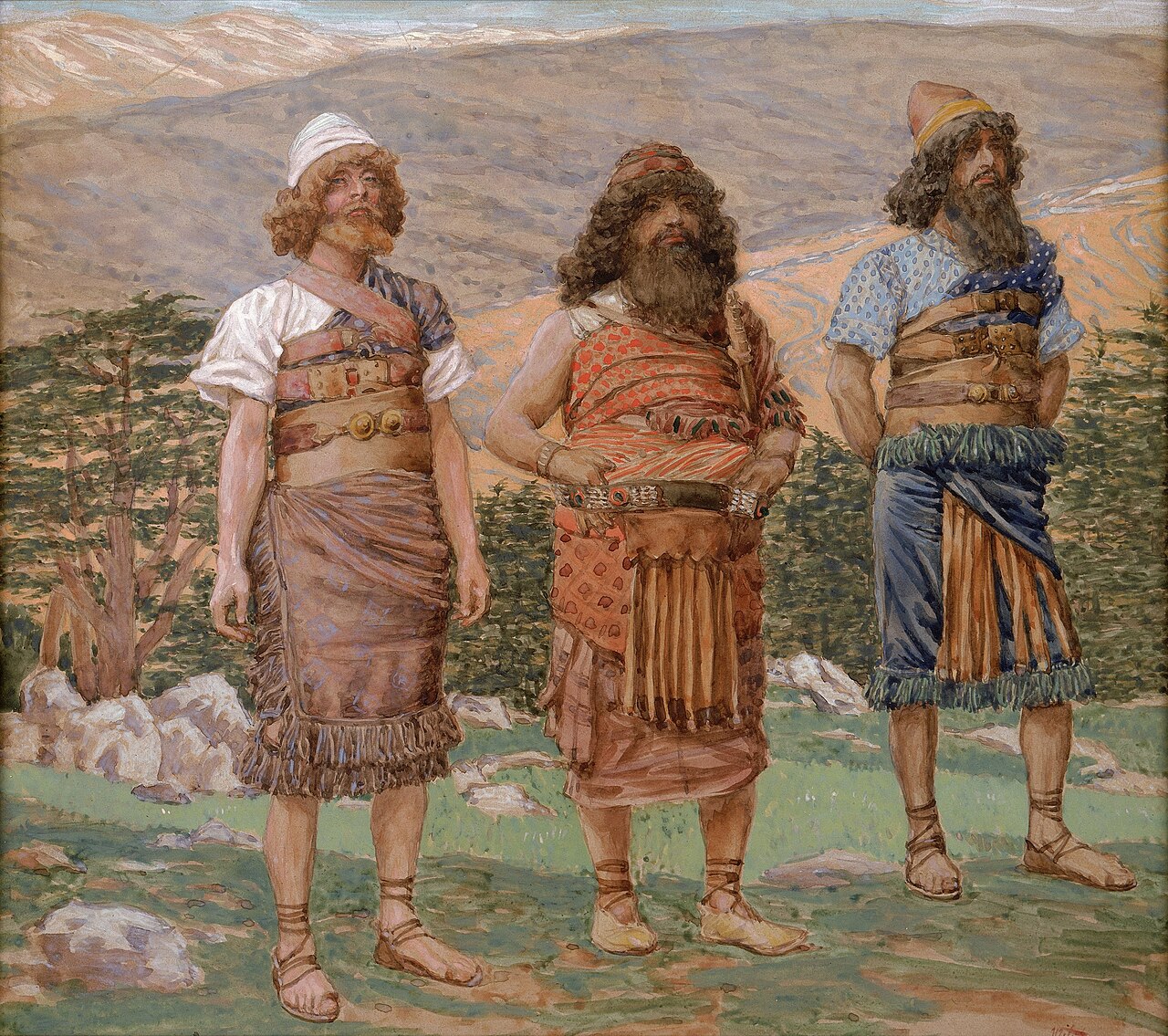
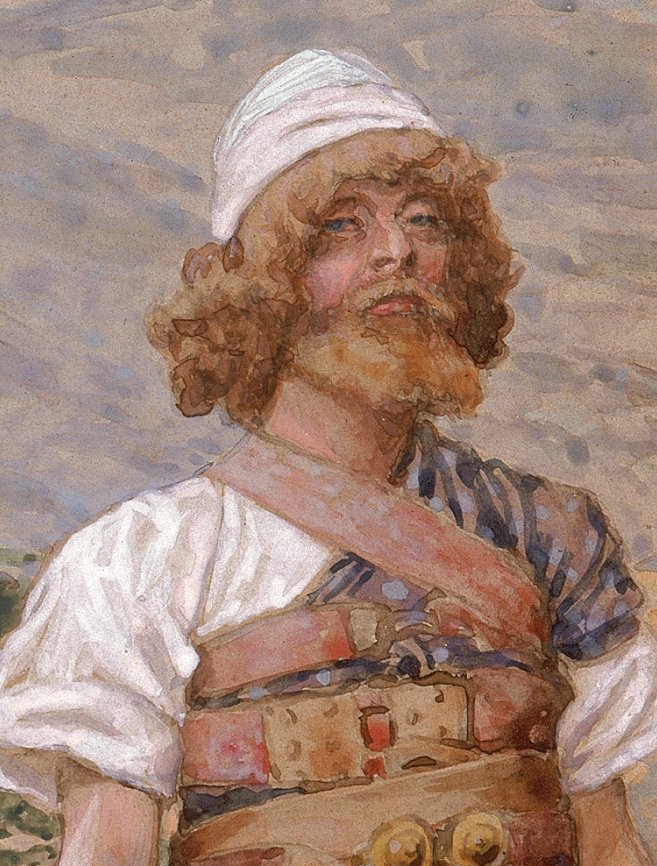
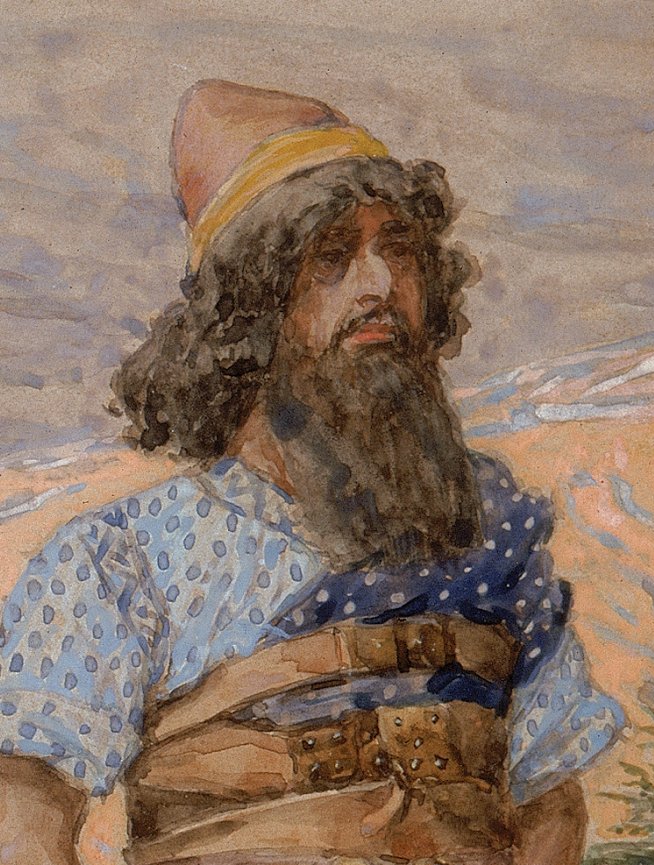
Frequently Asked Questions
Who is Japheth in Jewish tradition?
Japheth is one of the three sons of Noah named in the Book of Genesis, alongside Shem and Ham. He is presented as a patriarch whose descendants go on to populate a broad stretch of the ancient world.
Who are Japheth's seven sons?
Genesis 10 lists Gomer, Magog, Madai, Javan, Tubal, Meshech, and Tiras as Japheth's children. Each name is then linked to a specific people or region in the Table of Nations.
What role does Japheth play in the story of Noah's drunkenness?
After Noah gets drunk in his tent, Japheth—together with Shem—drapes a garment over their father's nakedness while averting their gaze. This act of respectful modesty stands in contrast to Ham's behavior and is why Japheth's line is spared the curse that falls on Ham.
Which peoples or regions are said to descend from Japheth?
The Table of Nations ties Japheth's descendants to the Aegean coast, Anatolia, the Caucasus, Greece, and other parts of Eurasia. In medieval and early-modern European tradition he was further identified as the common progenitor of all European nations.
Why is Japheth significant in the broader Genesis narrative?
Japheth provides the genealogical backbone for explaining the diversity of nations surrounding the Israelite world, giving them a shared sacred origin. His conduct in the drunkenness episode also sets up the moral contrast that drives the blessing-and-curse structure of Genesis 9.
More in Jewish mythology 1-19
Spotted an error? Know more?
This is a living reference — every entry is fact-audited, and reader corrections feed straight into our audit queue. Suggest an edit · See this site's audit record