
Fall of man
Jewish narrative of humanity's first disobedience and expulsion from Eden.

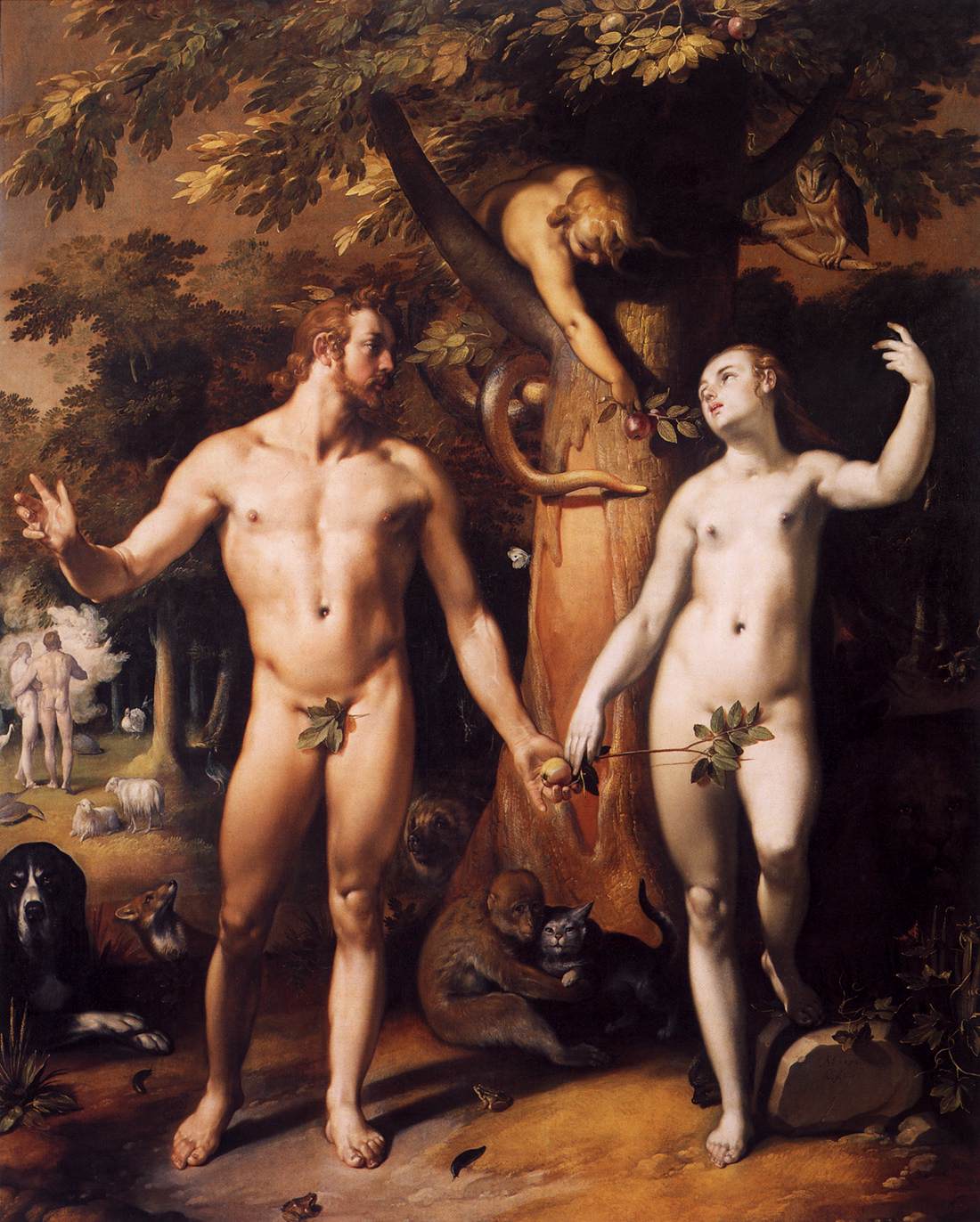
Cornelis van Haarlem · Public domain
In Jewish mythology, the story of Adam and Eve in the Garden of Eden describes their disobedience to God's command and subsequent expulsion, but it is not referred to as a 'fall of man'—a term and doctrine that originate from Christian theology, not Jewish tradition.
- field
- Jewish mythology
- known_for
- The narrative of Adam and Eve's disobedience and expulsion from Eden
- source_text
- Genesis 2–3
Lore & Background
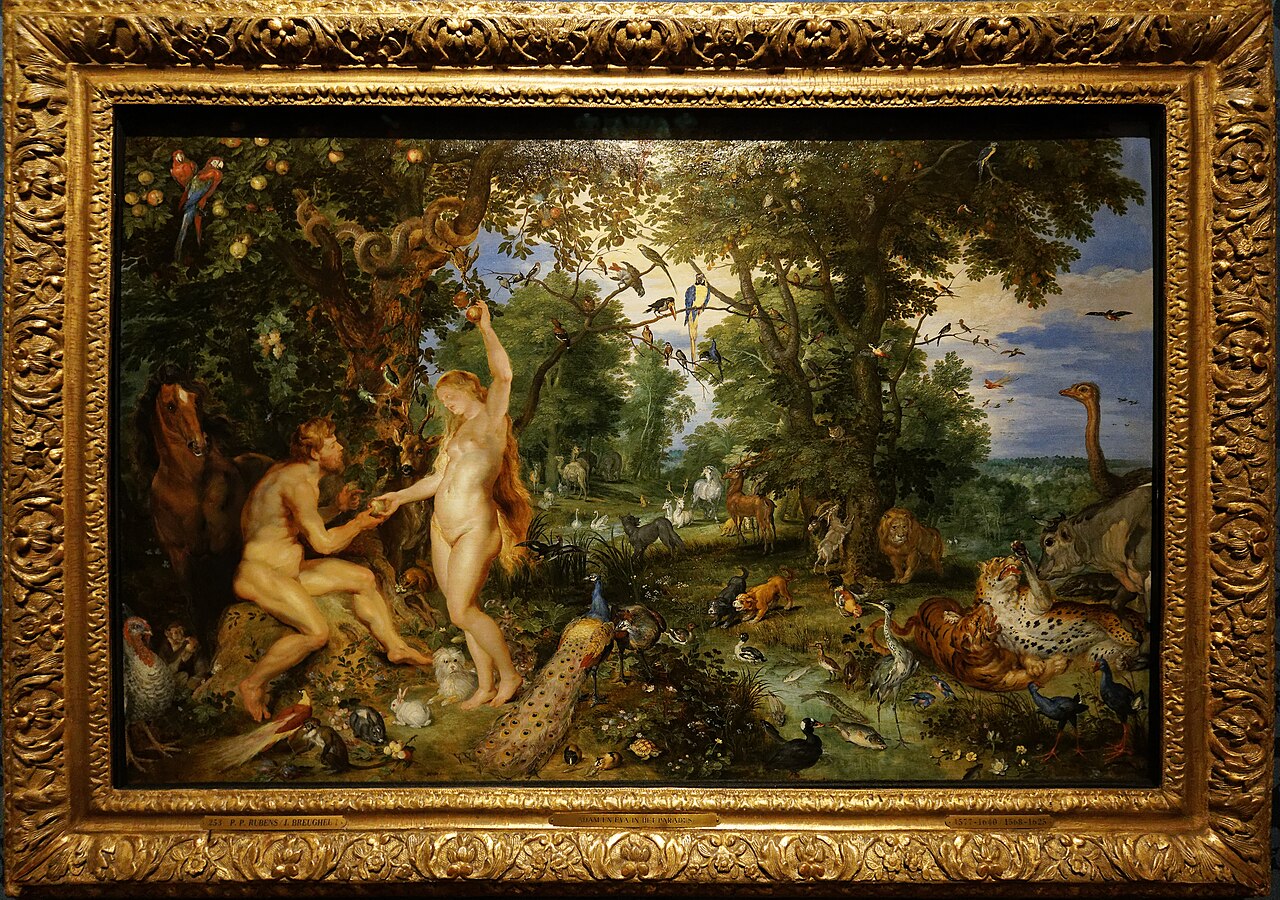
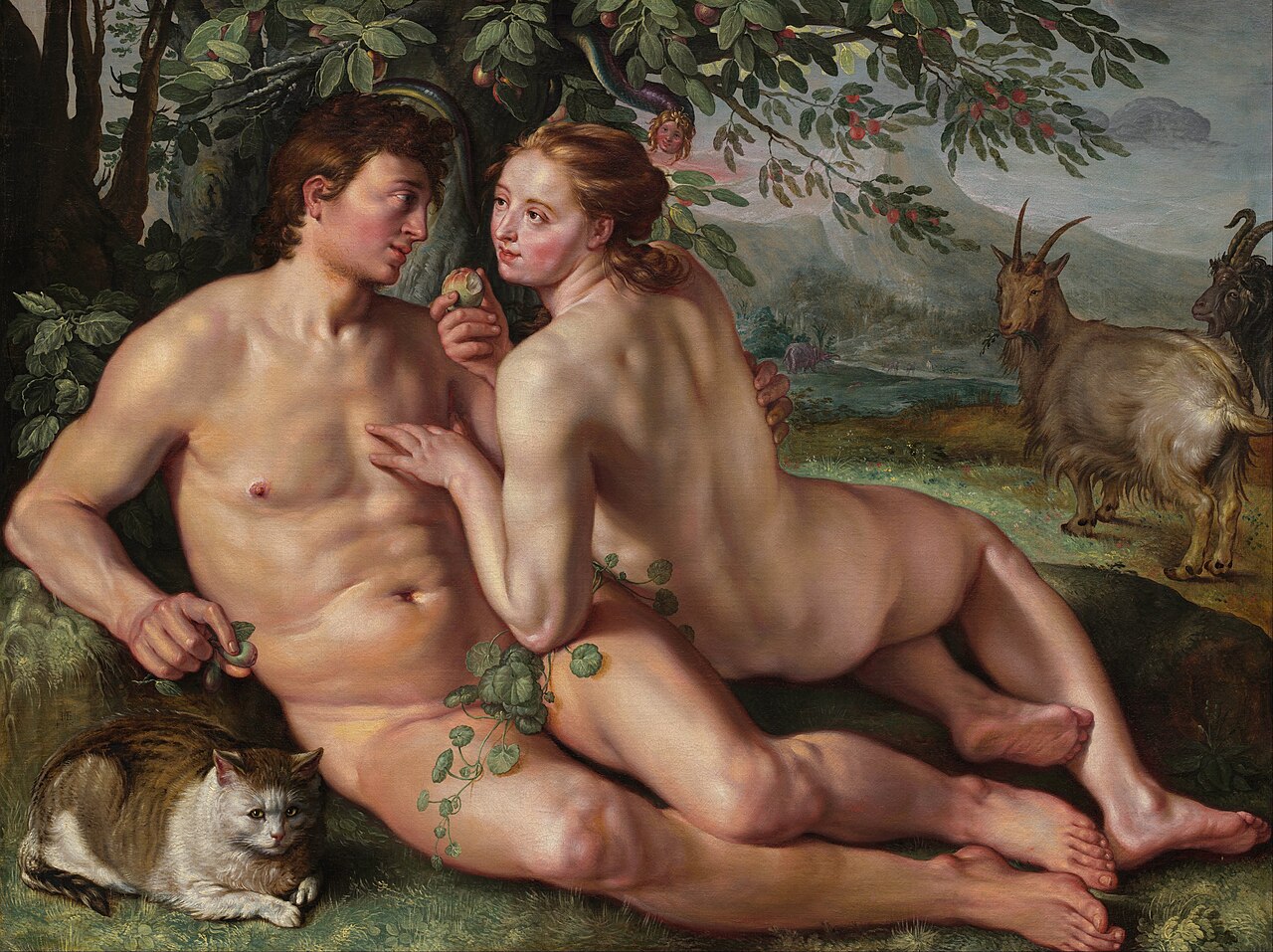
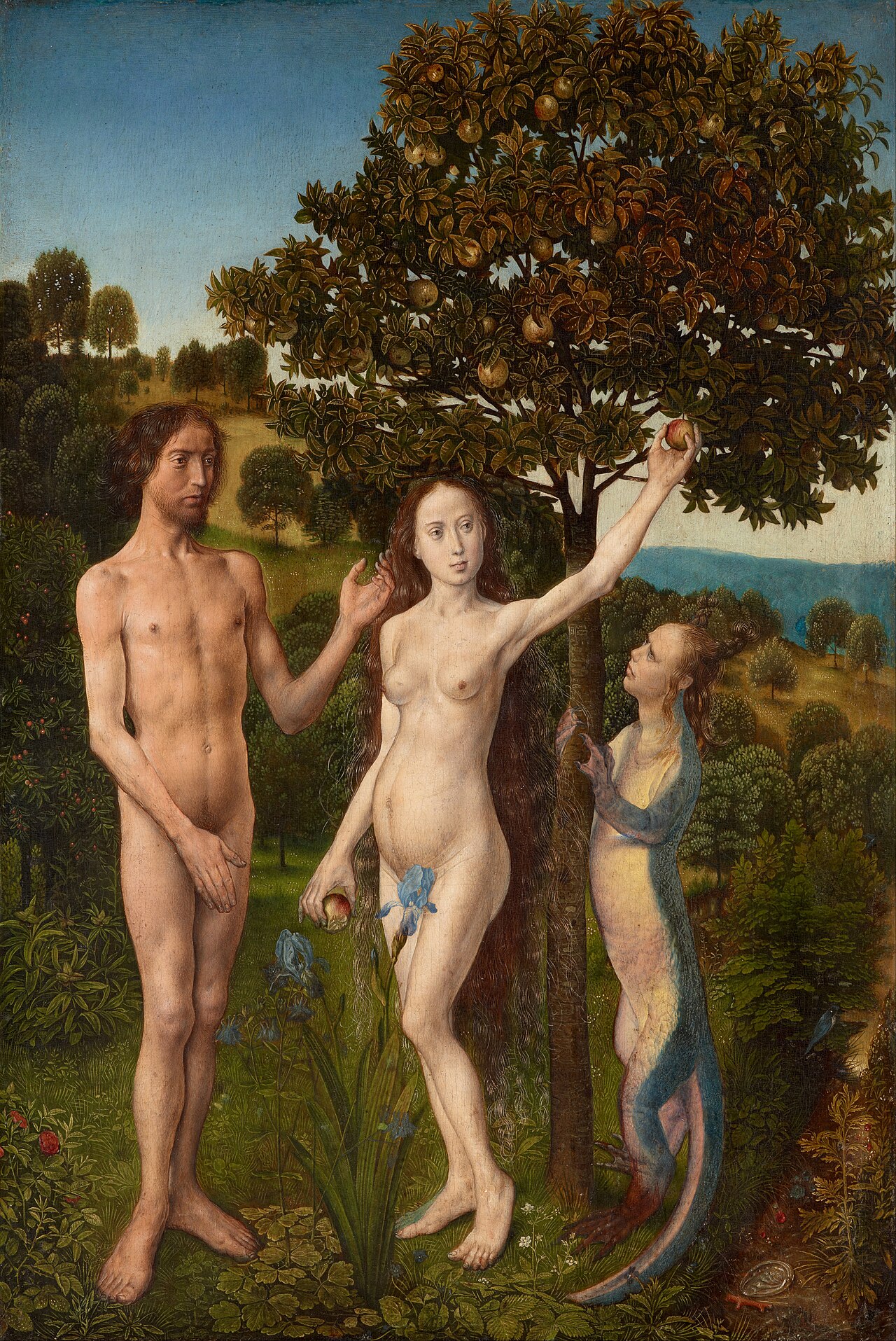
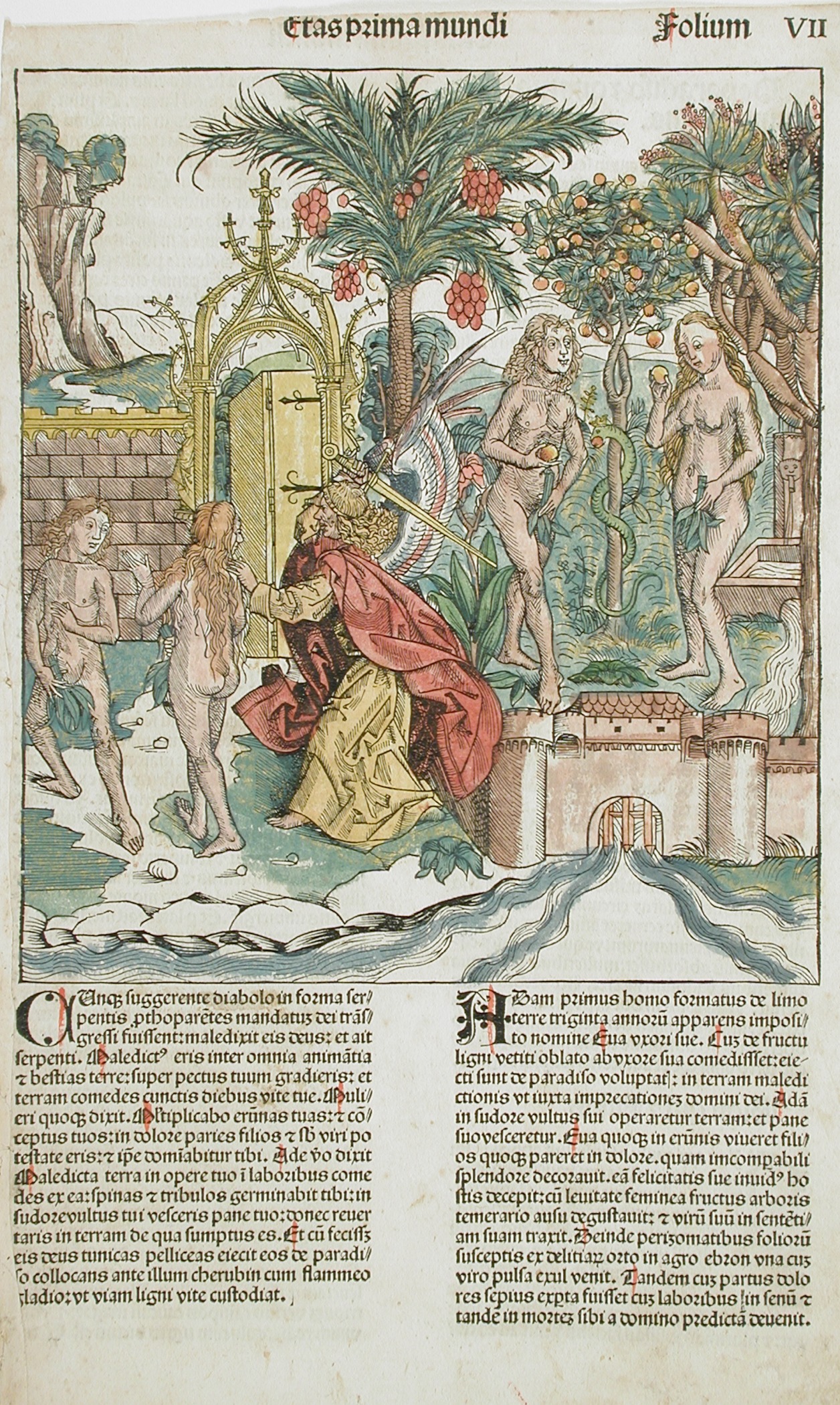
The narrative of the fall of man is extrapolated from traditional Christian exegesis of Genesis 3. According to the biblical account, God created Adam and Eve, placed them in the Garden of Eden, and forbade them to eat fruit from the tree of the knowledge of good and evil. The serpent tempted Eve to eat the fruit, which she shared with Adam, and they immediately became ashamed of their nakedness. God then banished them from the Garden, condemned Adam to labor and Eve to painful childbirth, and placed cherubim to guard the entrance to prevent them from eating from the tree of life and becoming immortal.
Reader's Guide
The doctrine of the fall of man is closely related to original sin in Nicene Christianity, which holds that the Fall brought sin into the world, corrupting all of nature and human nature, so that all humans are born into original sin and cannot attain eternal life without God's grace. The Eastern Orthodox Church accepts the Fall but rejects inherited guilt of original sin, citing Ezekiel 18:20. Reformed Protestants believe Jesus sacrificed himself for the elect to redeem them from sin. Lapsarianism divides into supralapsarian (before the Fall) and infralapsarian (after the Fall) views of God's decrees. Unlike Christianity, Judaism and Islam do not have a concept of original sin, offering other interpretations of the Eden narrative. The phrase 'fall of man' does not appear in Jewish scripture and likely originates from the Book of Wisdom, dated to the mid-first century BC or the reign of Caligula.
Did You Know?
- The phrase 'fall of man' is a Christian theological term not found in Jewish scripture; its origin is often misattributed to the Book of Wisdom, but the specific phrase does not appear there.
- The Book of Jubilees states the serpent convinced Eve to eat the fruit on the 17th day of the 2nd month in the 8th year after Adam's creation.
- In Jewish tradition, the story of Adam and Eve does not introduce the concept of original sin; each person is responsible for their own actions.
- The Eastern Orthodox Church rejects the idea that the guilt of original sin is passed down through generations, based on Ezekiel 18:20.
The Prophetic Revolution in Divine Conception
The Hebrew prophetic tradition, voiced through figures like Isaiah, Ezekiel, and Jeremiah, marked a decisive break from the mythological frameworks of surrounding cultures. Where neighboring peoples conceived of their deities as national powers bound to seasonal rhythms, the prophetic writings reimagined Yahweh as the singular God of the entire Universe. Rather than being identified with natural forces or trapped in an eternal cycle of repeating acts, this God stood entirely outside nature and intervened within it, producing events that were historically unprecedented and irreversible. The scholar Mircea Eliade captured this shift by describing it as a wholly new type of theophany: the intervention of Yahweh in history. In his reading, the fall of Jerusalem was not a mere repetition of Samaria's ruin but a fresh, unrepeatable act of divine wrath. Yahweh, Eliade argued, broke free from the realm of abstractions and symbols to act among actual historical beings. This prophetic reorientation condemned Hebrew participation in nature worship and established a theology in which the divine was fundamentally independent of the natural order, setting Jewish mythological thought on a trajectory distinct from its ancient neighbors.
The Dual Creation Narratives of Genesis
The opening chapters of Genesis present two distinct creation accounts, each with its own theological emphasis and narrative sequence. In the first account, the generic Hebrew term Elohim is used for the divine creator, who brings the heavens and earth into being over six days through spoken command, naming each element as it appears. The sequence moves from light and the firmament to a ring of ocean surrounding a single circular continent, then to celestial lights, living creatures, and finally the first human on the sixth day, followed by divine rest and sanctification on the seventh. Notably, God does not directly make trees and plants but commands the earth itself to produce them. The second account, which introduces the personal name Yahweh, reverses the order: man is fashioned from dust and placed in the Garden of Eden before the living creatures and the planted trees come into existence. Eve is then formed from Adam as his companion. Together, these two narratives offer complementary perspectives on how the world and humanity came to be, one emphasizing cosmic order and the other intimate, personal creation.
The Combat Myth and Its Jewish Adaptation
A recurring motif in the mythologies of ancient Near Eastern peoples is the combat myth, in which a supreme deity battles a demon of chaos. The Babylonian Enûma Eliš and the fragmentary myth of Labbu are well-known examples. Historian Bernard McGinn argues that this imagery left a deep imprint on Jewish mythological thought. The story of God's triumph over Leviathan, a symbol of chaos, takes the form of such a combat myth. McGinn further contends that the Hebrews extended this motif to the evolving relationship between God and Satan. Originally conceived as a deputy in God's court, assigned the role of mankind's accuser, the Hebrew word satan simply meaning to oppose or adversary, Satan gradually transformed into a figure with an apparently independent realm of operation as a source of evil, shifting from divine deputy to cosmic opponent. The Exodus narrative also bears the combat-myth stamp: the Song of the Sea, sung after God drowned the Egyptian army in Yam Suph, employs motifs and language drawn from this tradition to underscore the foundational crossing of the Red Sea. The image of God as divine warrior fighting on Israel's behalf echoes throughout the Hebrew Scriptures.
The Fall: Adam, Eve, and the Garden of Eden
At the heart of Jewish mythology lies the origin story of Adam and Eve and their expulsion from the Garden of Eden, recounted primarily in Genesis chapters two and three and also referenced in Ezekiel. In the first creation narrative, Adam and Eve, though unnamed, are fashioned together in God's image and jointly charged to multiply and steward all other creation. In the second, more intimate account, God shapes Adam from dust and sets him in a garden where he holds dominion over plants and animals. A single tree, the tree of knowledge of good and evil, stands as a prohibition. Eve is subsequently created from one of Adam's ribs to serve as his companion. Both walk through the garden naked, unselfconscious in their innocence. The serpent, however, deceives Eve into eating the forbidden fruit, and Adam follows her in breaking the divine command. This act of disobedience constitutes the Fall, the pivotal rupture that reshapes the relationship between humanity and the divine and reverberates through Christian and Islamic mythology alike, as both traditions inherited these foundational narratives from the Jewish people.
Gallery
Frequently Asked Questions
Is 'Fall of man' actually a term used in Jewish mythology?
No. That phrase belongs to Christian theological vocabulary. In the Jewish tradition, Genesis 2–3 simply presents the episode as Adam and Eve's act of disobedience and their resulting removal from the Garden of Eden, without the doctrinal layer of inherited 'original sin' that the Christian label carries.
Who are the principal figures in the Eden narrative?
The story centers on God, Adam, Eve, and a speaking serpent. God plants the garden and sets one prohibition; Adam and Eve are the ones who eat the forbidden fruit; the serpent is the creature who prompts the question that leads them to disobey.
What exactly happens in the story?
After God warns them not to eat from the Tree of Knowledge of Good and Evil, the serpent persuades Eve that they will not die but will gain understanding. She eats, gives the fruit to Adam, and both realize they are naked. God then confronts them, pronounces consequences, and drives them out of the garden.
How does the narrative conclude?
God places cherubim and a flaming sword at the eastern gate of Eden to bar access to the Tree of Life. Adam and Eve are sent to cultivate the soil from which they were formed, and the text closes with Adam naming his wife 'Havah' (Life), since she would be the mother of all living.
Why does this passage matter in Jewish thought?
It establishes the baseline human condition—mortality, the toil of labor, and the tension between obedience and free will—without framing it as a permanent, inherited curse. Jewish commentators read it as the origin story of the human relationship with God, setting up the themes of repentance, covenant, and moral responsibility that run through the rest of Torah.
More in Jewish mythology 1-19
Spotted an error? Know more?
This is a living reference — every entry is fact-audited, and reader corrections feed straight into our audit queue. Suggest an edit · See this site's audit record