
Disfigurement
Disfigurement is persistent harm to appearance from disease, defect, or wound.

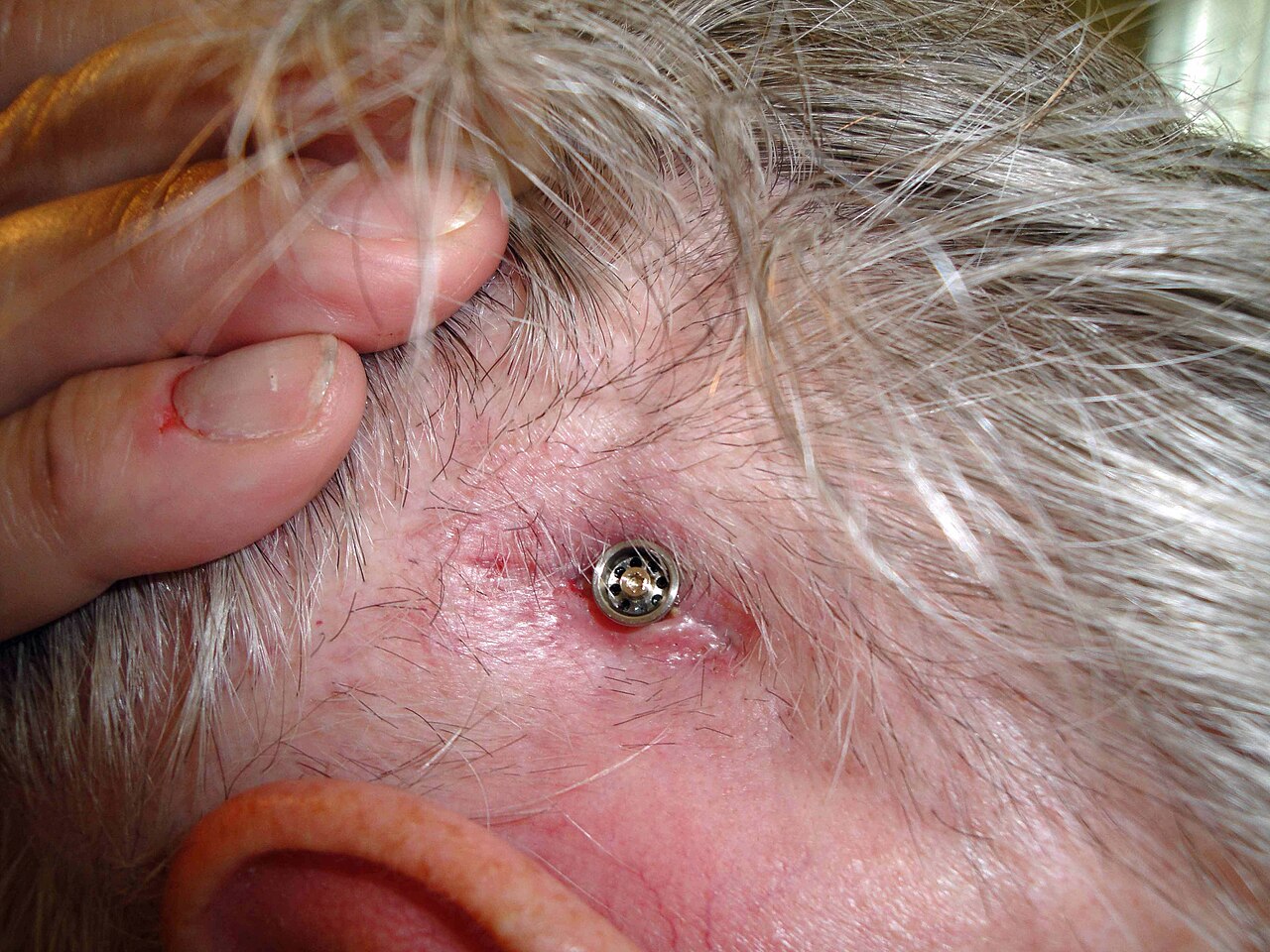
Hjb7549 · CC BY-SA 3.0
Disfigurement refers to a lasting, medically caused change in appearance resulting from disease, a birth defect, or an injury. How societies view disfigurement has shifted widely across different cultures and historical periods. In cultures where strong social stigma exists, people with disfigurements often experience significant psychological distress. On the other hand, some societies have approached disfigurement from a medical or scientific standpoint, where hostility toward those who are disfigured is considered unacceptable. In religious and spiritual traditions, disfigurement has been interpreted in several ways: as divine punishment for sin—for instance, in Judaism, Yahweh marking Cain after he killed Abel; as a trial or test of faith, which some early Christian writers linked to the suffering of Christ; or simply as something without explanation that people must endure.
Fictional media has frequently explored the topic. Villainous examples include the Joker from DC Comics and the mysterious figure with a "red right hand" from the song by Nick Cave and the Bad Seeds. Heroic examples are Daredevil, a Marvel crime-fighter blinded in an accident, and Edward Scissorhands from the film of the same name. Antiheroic examples include Deadpool, a Marvel mercenary whose healing factor leaves his skin scarred.
Disfigurement, whether from a benign or malignant cause, often leads to serious psychosocial issues like negative body image, depression, and difficulties in social, sexual, and professional life, as well as prejudice and intolerance. How an individual copes with looking visibly different plays a role, though the severity of the disfigurement rarely matches the level of distress the person feels. Another key factor is how others react: people generally respond to those with disfigurements with less trust and respect, often avoiding contact or eye contact. Disfigurements on visible areas like the face, arms, and hands are thought to be harder for affected individuals to manage.
Many cultures have practiced deliberate mutilation causing disfigurement for religious or judicial reasons. In the Byzantine Empire, the emperor was seen as God’s representative on Earth, so his physical wholeness mirrored Heaven’s perfection.
- Causes
- Disease, birth defect, wound, deliberate mutilation, animal attacks
- Psychosocial effects
- Negative body image, depression, difficulties in social/sexual/professional life, prejudice, intolerance
- Historical use
- Religious or judicial punishment (e.g., Byzantine Empire blinding and nose-cutting)
- Voluntary example
- St. Æbbe the Younger and nuns of Coldingham Monastery cutting off own noses and upper lips
- Fictional examples
- The Joker, Daredevil, Edward Scissorhands, Deadpool, Phantom of the Opera
- Treatment
- Plastic surgery or reconstructive surgery available in many cases
Lore & Background
Disfigurement, whether caused by a benign or malignant condition, often leads to severe psychosocial problems such as negative body image; depression; difficulties in one's social, sexual, and professional lives; prejudice; and intolerance. This is partly due to how the individual copes with looking 'visibly different', though the extent of the disfigurement rarely correlates with the degree of distress the patient feels. An additional factor which affects people with a disfigurement is the reaction they get from other people. The general population responds to people with a disfigurement with less trust and respect, and often try to avoid making contact or having to look at the disfigurement. Disfigurements affecting visible areas, such as the face, arms, and hands, are thought to present greater difficulty for affected people to cope with than do other disfigurements.
Reader's Guide
Disfigurement has been a persistent subject of cultural, religious, and fictional commentary. In various religious and spiritual contexts, it has been described as a punishment from the divine for sin, as caused by supernatural forces of hate and evil, or as without explanation per se. Deliberate mutilation resulting in physical disfigurement has been practiced by many cultures for religious or judicial purposes, such as in the Byzantine Empire where deposed emperors were blinded or had their noses cut off to disqualify them from reclaiming the throne. Voluntary disfigurement has also occurred, as with St. Æbbe the Younger and the nuns of Coldingham Monastery. In fiction, disfigurement appears in both villainous characters like the Joker and heroic ones like Daredevil and Edward Scissorhands, as well as antiheroic figures like Deadpool and the Punisher. The term is sometimes used pejoratively for intentional body modification, and such practices are subject to strong social debate.
Did You Know?
- In the Byzantine Empire, deposed emperors were blinded, had their noses cut off, or their tongues split to disqualify them from reclaiming the throne.
- St. Æbbe the Younger and the nuns of Coldingham Monastery cut off their own noses and upper lips to avoid rape during a Viking attack.
- Charla Nash's face and hands were disfigured in an attack by her friend's pet chimpanzee, Travis.
- The Joker's distinct appearance in Tim Burton's 1989 film Batman results from a botched plastic surgery after a ricocheted bullet.
The Psychosocial Weight of Visible Difference
Whether the underlying condition is benign or malignant, a persistent alteration to one's appearance can trigger a cascade of psychosocial difficulties. Affected individuals frequently report a deeply negative body image, episodes of depression, and significant strain on their social, romantic, and professional relationships. Prejudice and intolerance from others compound these internal struggles. Interestingly, the clinical severity of the disfigurement does not reliably predict the level of emotional distress a person experiences; what matters more is how the individual processes looking visibly different and how the surrounding world reacts. The general public, studies suggest, tends to extend less trust and respect to disfigured people, often going out of their way to avoid eye contact or physical proximity. Disfigurements located on the face, arms, or hands are considered particularly challenging to live with because these areas are constantly in public view, making concealment nearly impossible and social exposure inescapable.
Divine Punishment, Royal Mutilation, and Desperate Defiance
Across religious and spiritual traditions, disfigurement has been interpreted in radically different ways. In the Judeo-Christian tradition, Yahweh's defacement of Cain after the murder of Abel frames physical alteration as a direct divine punishment for sin. The apostle Paul, writing in the New Testament, wrestled with the idea that suffering and bodily affliction could be sent by supernatural forces of hatred against the righteous, with the promise of eventual atonement. Other traditions simply offer no explanation, insisting that people must endure their condition without attributing it to any higher cause. Beyond theology, deliberate mutilation served political and judicial functions. In the Byzantine Empire, where the emperor was regarded as God's earthly representative, deposed rulers were routinely blinded, had their noses severed, or their tongues split—permanent marks that legally barred them from ever reclaiming the throne. In a far more desperate context, St. Æbbe the Younger and the nuns of Coldingham Monastery in Scotland cut off their own noses and upper lips during a Viking attack, hoping to deter rape; the raiders responded by setting the monastery ablaze with the nuns still inside.
The Disfigured as Archetype in Fiction and Music
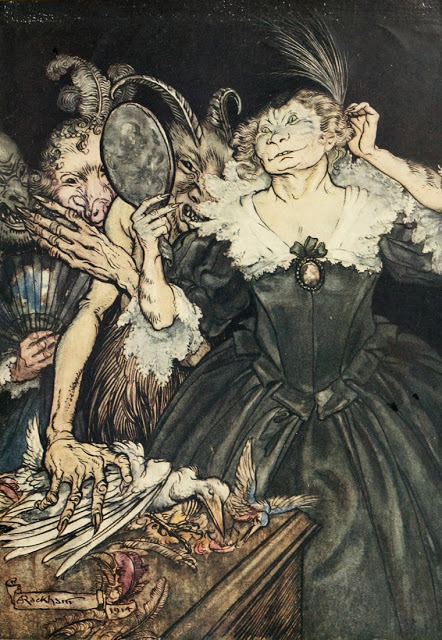
Fictional storytelling has long drawn on the image of the disfigured body to signal moral complexity, menace, or tragic heroism. The Phantom of the Opera, whether born with his deformity as in the Andrew Lloyd Webber musical or scarred by fire and chemicals in other adaptations, hides behind a mask and channels his anguish into the enigmatic phantom persona. DC Comics' Joker typically acquires his bleached skin, red lips, and green hair through a chemical-bath origin, while Tim Burton's 1989 Batman film attributes his rictus grin to a botched plastic surgery following a ricocheted bullet; in most tellings, his madness ignites the moment he sees his own ruined face. On the heroic side, Marvel's Daredevil fights crime blind, and Edward Scissorhands is a gentle soul whose metal fingers make him an outcast. Antiheroes like Deadpool, whose regenerative healing leaves his skin perpetually scarred, and The Punisher, who bears visible facial damage, occupy a middle ground. Even in music, Nick Cave and the Bad Seeds conjure a mysterious figure with a red right hand in their song of the same name, and James Bond villain Zao in Die Another Day sports translucent skin studded with diamonds.
Medical Intervention and the Body-Modification Controversy
Disfigurement can arise from disease, congenital conditions, traumatic wounds, or even animal attacks—the case of Charla Nash, whose face and hands were damaged in an attack by her friend's pet chimpanzee Travis, being one documented example. For many affected individuals, plastic or reconstructive surgery offers a path toward restoring appearance, and in numerous cases health insurance providers or government healthcare systems will cover these procedures, distinguishing them from what they classify as purely cosmetic operations. The terminology itself, however, has become a flashpoint. The word disfigurement is sometimes deployed pejoratively to describe intentional body modifications such as scarification, a usage that neutral observers and even advocates of those practices have adopted in their own discourse. This linguistic framing places deliberate self-alteration in the same category as involuntary medical damage, sparking ongoing social debate about who gets to define what constitutes a disfigurement versus a personal aesthetic or cultural expression. The tension between medical necessity, personal autonomy, and societal judgment remains unresolved.
Gallery

Frequently Asked Questions
What is Disfigurement?
Disfigurement is a permanent alteration to a person's physical appearance that arises from disease, a congenital condition, or a traumatic wound. Unlike temporary bruising or swelling, the change persists and reshapes how the individual is perceived by others.
What are the main causes of Disfigurement?
In the canon, Disfigurement can stem from illness, a birth defect, an accidental or violent wound, deliberate mutilation, or an animal attack. Historical records also note that it was sometimes inflicted as a form of religious or judicial punishment, such as the blinding and nose-cutting practiced in the Byzantine Empire.
What psychosocial effects does Disfigurement carry?
Those affected often struggle with a negative body image, clinical depression, and significant difficulties in their social, romantic, and professional lives. In cultures with heavy social stigma, the condition can compound these issues through widespread prejudice and intolerance toward the person.
Has Disfigurement ever been chosen voluntarily?
Yes—St. Æbbe the Younger and the nuns of Coldingham Monastery reportedly cut off their own noses and upper lips as a devotional act. This stands in sharp contrast to the involuntary cases caused by disease, injury, or state-mandated punishment.
Which well-known fictional characters are linked to Disfigurement?
The concept appears across pop culture in figures like the Joker, Daredevil, Edward Scissorhands, Deadpool, and the Phantom, each of whom carries a visible physical alteration that shapes their identity and narrative role.
More in Injuries 1-24
Spotted an error? Know more?
Reader corrections go straight into our review queue. Suggest an edit · How this site is sourced