
Crush syndrome
A crushing injury causing systemic shock and kidney failure.

AfroBrazilian · CC BY-SA 4.0
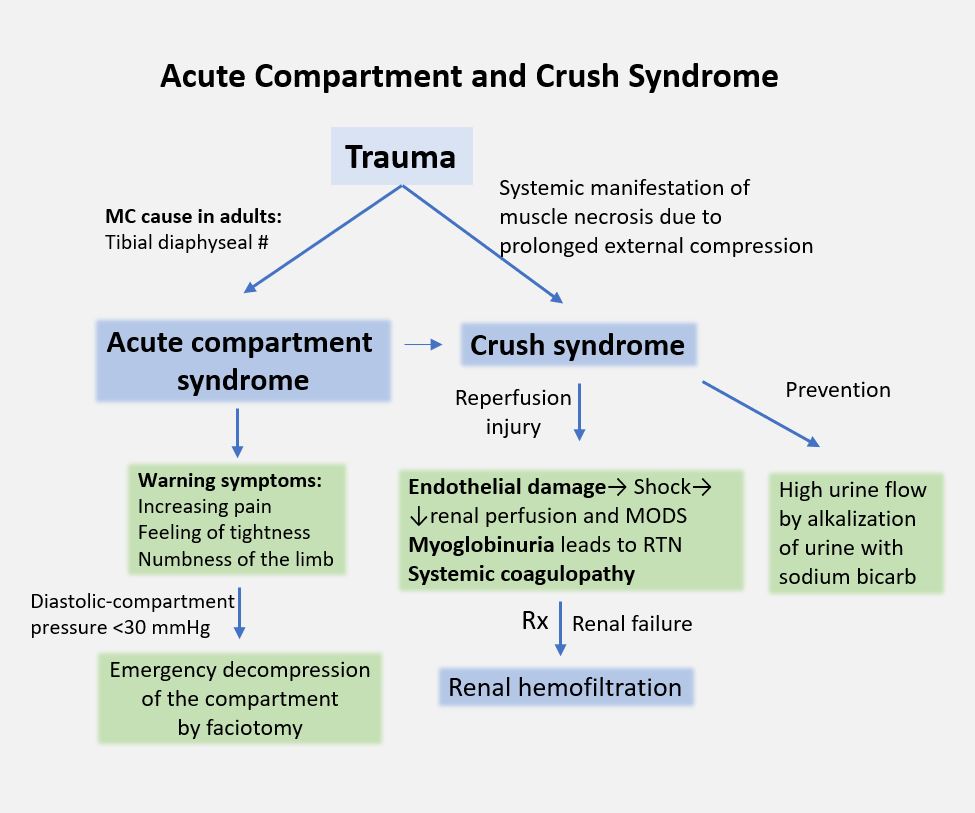
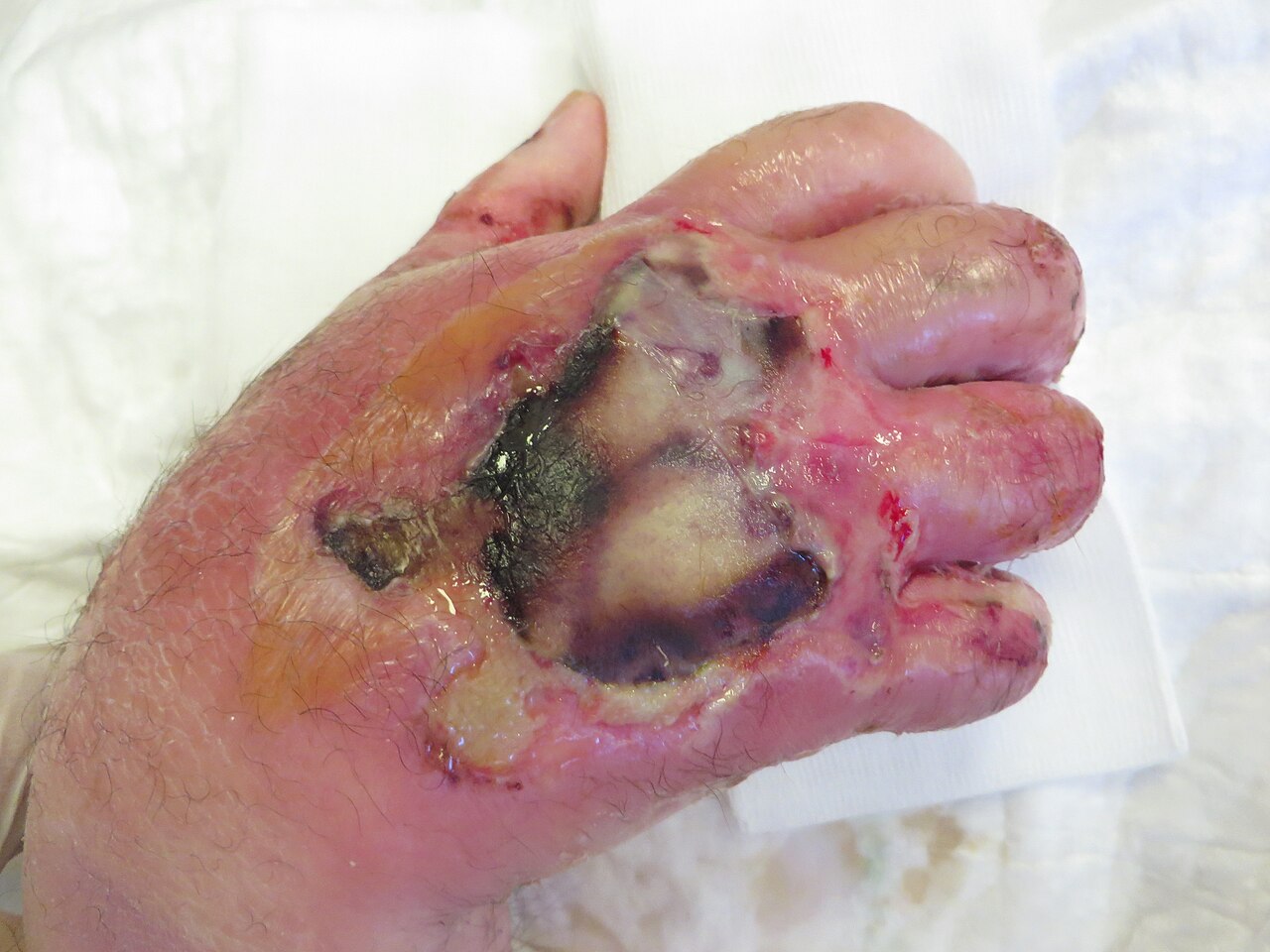
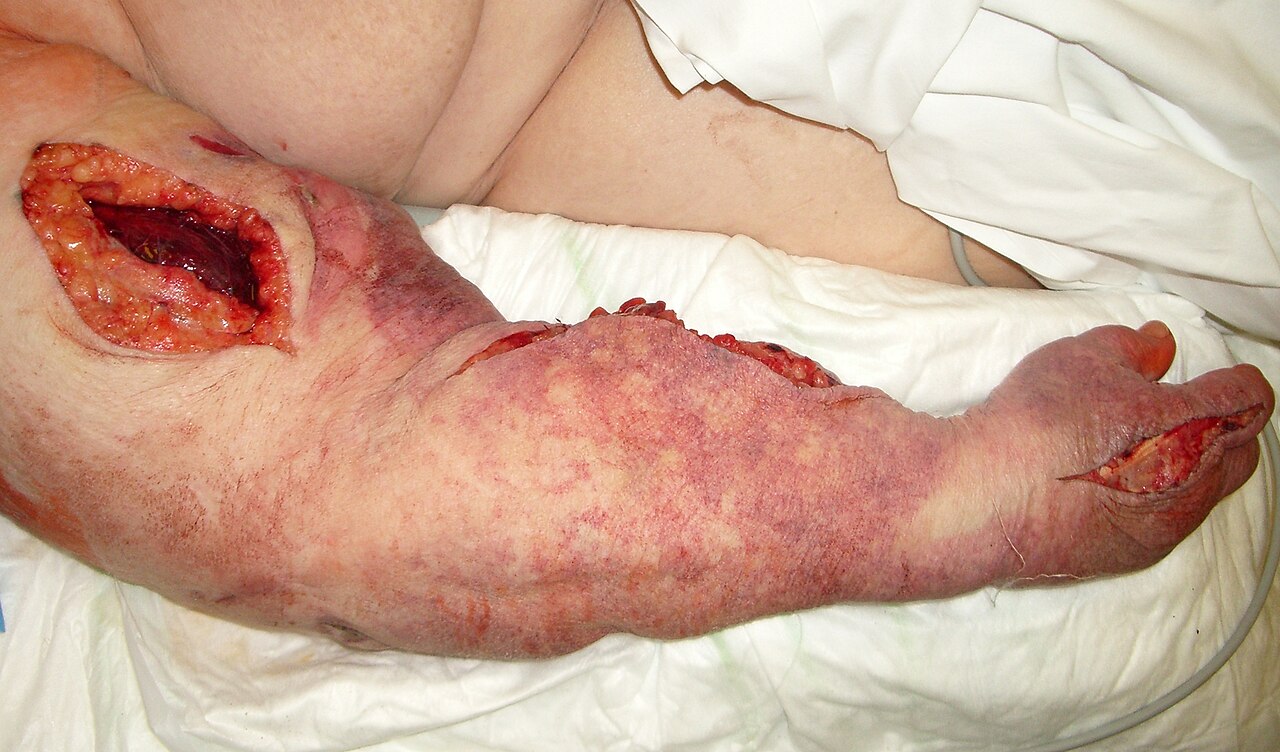
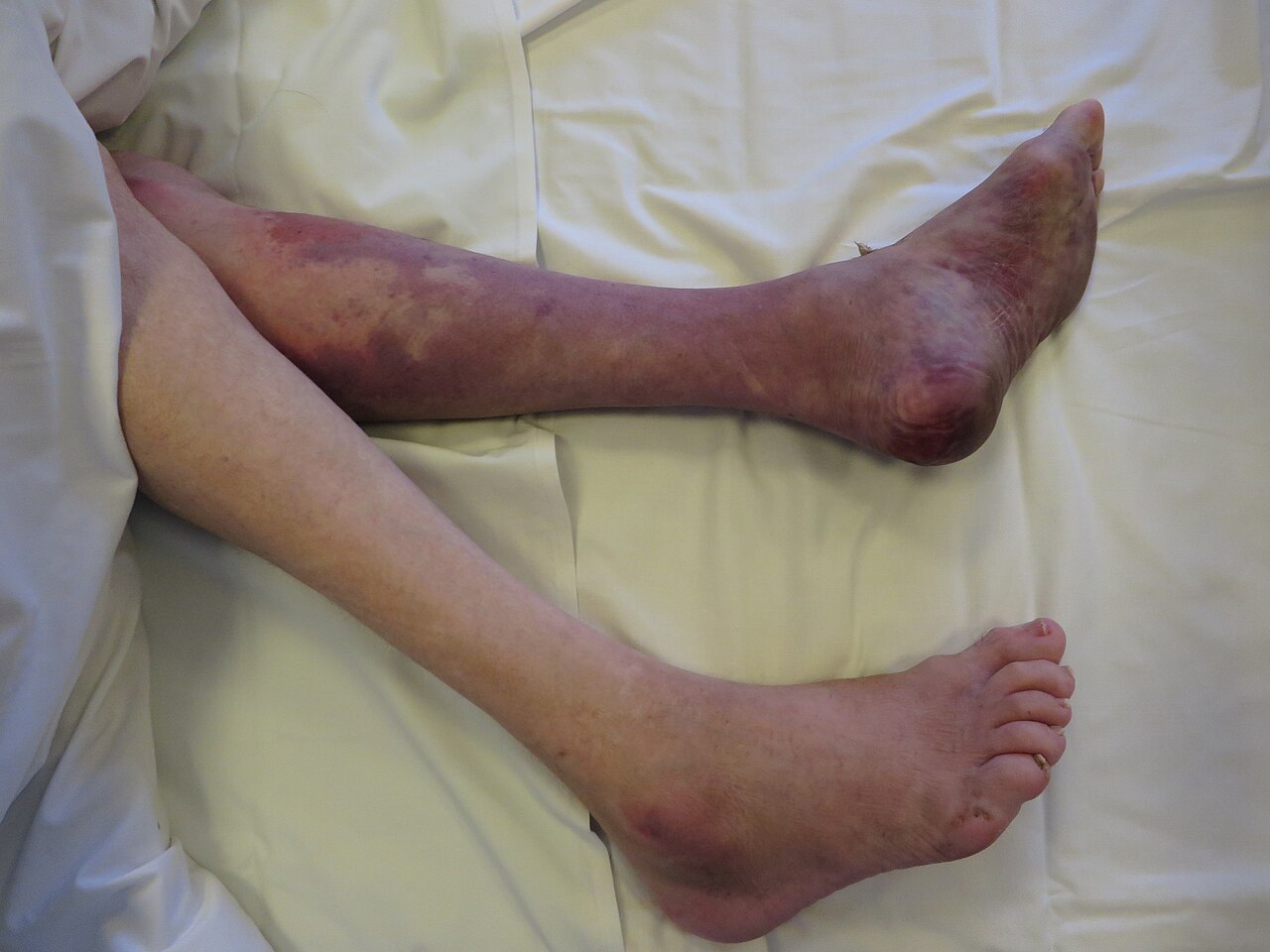
Crush syndrome, also known as traumatic rhabdomyolysis, Bywaters' syndrome, or smiling death, involves major shock and kidney failure following a crushing injury to skeletal muscle. It differs from a crush injury, which is the compression of body parts like arms or legs causing local muscle swelling and neurological issues. Crush syndrome is a localized crush injury that produces systemic effects. It is frequently seen in disasters like earthquakes, where people are trapped under collapsed masonry.
Patients with crushing injuries pose significant challenges in field medicine and often require a physician at the injury site. Proper physiological preparation of the patient is essential. Freeing the patient without amputation may be possible, but field amputations may be necessary in extreme circumstances.
**Pathophysiology** Japanese physician Seigo Minami first described crush syndrome in 1923 after studying three soldiers who died from kidney failure in the 1923 Great Kantō earthquake. The renal changes resulted from excess myoglobin buildup due to muscle destruction from oxygen deprivation. The progressive acute kidney failure stems from acute tubular necrosis. British physician Eric Bywaters later described the syndrome in patients during the 1941 London Blitz. It is a reperfusion injury that occurs after the crushing pressure is released. The mechanism involves the release of muscle breakdown products—myoglobin, potassium, and phosphorus—into the bloodstream from rhabdomyolysis, the breakdown of skeletal muscle damaged by ischemia. The exact effect on the kidneys is not fully understood but may partly involve nephrotoxic metabolites of myoglobin.
The most severe effects can occur when crushing pressure is suddenly released without proper patient preparation, causing reperfusion syndrome. In addition to the direct crush damage, tissue undergoes sudden reoxygenation in the limbs. Without preparation, a patient with pain control may appear cheerful before recovery but then suddenly die. This is called "smiling death." These systemic effects result from traumatic rhabdomyolysis. As muscle cells die, they absorb sodium, water, and calcium, while releasing potassium, myoglobin, phosphate, thromboplastin, creatine, and creatine kinase. If untreated, crush syndrome can directly arise from compartment syndrome.
- Field
- Medicine
- Known for
- Crush syndrome (traumatic rhabdomyolysis, Bywaters' syndrome, smiling death)
- First reported by
- Seigo Minami (Japanese physician, 1923)
- Later described by
- Eric Bywaters (British physician, 1941 Blitz)
Lore & Background
Seigo Minami, a Japanese physician, first reported crush syndrome in 1923, studying the pathology of three soldiers who died in the 1923 Great Kantō earthquake due to kidney failure. The renal changes were due to the buildup of excess myoglobin from muscle destruction caused by lack of oxygen. The progressive acute kidney failure results from acute tubular necrosis. The syndrome was later described by British physician Eric Bywaters in patients during the 1941 wartime bombing of London (the Blitz). It is a reperfusion injury that appears after the release of crushing pressure, believed to be caused by the release into the bloodstream of muscle breakdown products—notably myoglobin, potassium, and phosphorus—from rhabdomyolysis.
Reader's Guide
Crush syndrome presents some of the greatest challenges in field medicine, requiring physician attention at the injury site. Appropriate physiological preparation is mandatory before release, as sudden release without preparation can cause reperfusion syndrome and sudden death, termed 'smiling death.' Treatment focuses on preventing kidney failure through rehydration and alkalinization of urine. Field management includes careful fluid overload and intravenous sodium bicarbonate, especially if crushing weight persists more than one hour. Tourniquets may stall life-threatening consequences if fluids cannot be immediately replaced. Initial hospital management involves protecting against hypotension, kidney failure, acidosis, hyperkalemia, and hypocalcemia, with intensive care observation. The condition's significance lies in its high mortality in disasters, with early death from hyperkalemia and hypovolemic shock, and late death from renal failure, coagulopathy, hemorrhage, and sepsis.
Did You Know?
- Crush syndrome is also called 'smiling death' because a patient may appear cheerful before suddenly dying after release of pressure.
- The syndrome was first reported by Japanese physician Seigo Minami in 1923, studying three soldiers who died in World War I.
- Current UK recommendation to nonprofessional first-aiders is not to release those with a crush injury trapped for more than 15 minutes.
- The specific action on the kidneys is not understood completely, but may be due partly to nephrotoxic metabolites of myoglobin.
Origins & Historical Recognition
The medical community's understanding of crush syndrome grew from wartime tragedy. In 1923, Japanese physician Seigo Minami examined the postmortem findings of three World War I soldiers who had succumbed to kidney failure. He traced their renal damage to an accumulation of myoglobin, a protein released when skeletal muscle was destroyed by prolonged oxygen deprivation. The resulting acute tubular necrosis explained their progressive renal collapse, and Minami's observations laid the groundwork for recognizing this as a distinct clinical entity. Decades later, British physician Eric Bywaters documented the same pattern among civilians caught in the 1941 Blitz, when German bombing left people pinned beneath collapsed buildings. His work cemented the syndrome's place in emergency medicine and gave it an alternate name—Bywaters' syndrome. Today the condition is also called traumatic rhabdomyolysis, and it remains a defining hazard of mass-casualty events such as earthquakes, where survivors trapped under fallen or shifting masonry face the greatest risk.
The Reperfusion Cascade & Smiling Death
Crush syndrome is fundamentally a reperfusion injury: the most dangerous moment is not the compression itself but the instant the weight is lifted. While a limb is crushed, ischemic muscle cells die and hoard sodium, water, and calcium inside their membranes. The moment blood flow returns, those cells dump their toxic cargo into the circulation—potassium, myoglobin, phosphate, thromboplastin, creatine, and creatine kinase. Myoglobin in particular is nephrotoxic; its metabolites clog renal tubules and drive acute kidney failure. The exact mechanism by which myoglobin injures the kidney is not fully understood, but the clinical outcome is well documented. In the most harrowing presentations, a patient freed from rubble may appear alert, even cheerful, as pain subsides. Minutes later, a fatal surge of hyperkalemia or cardiovascular collapse strikes without warning. Rescuers call this the "smiling death," a term that underscores how deceptive a stable appearance can be. If the underlying crush goes untreated long enough, it can also progress to compartment syndrome, recognizable by the classic five P's: pain, pallor, paresthesias, paralysis, and pulselessness.
Field Triage & the Fifteen-Minute Rule
Crush-injury victims present some of the toughest problems in pre-hospital medicine, and many require a physician's hands-on care at the scene before any transport. Because the systemic cascade can be triggered the moment pressure is removed, guidelines in the United Kingdom explicitly advise nonprofessional first-aiders not to free a person who has been trapped for more than fifteen minutes. If the crushing weight has been in place for two hours or longer, a tourniquet may be applied to the affected limb; this does not treat the injury but temporarily sequesters the toxic metabolites within the ischemic tissue, buying time until definitive care arrives. Once the patient is freed, isotonic saline is started immediately for volume resuscitation. The San Francisco emergency-services protocol calls for an initial two-litre bolus of normal saline followed by a maintenance rate of 500 millilitres per hour, with dose adjustments for children and anyone with known cardiac or renal disease. Restrictive fluid strategies—sometimes called permissive hypotension—are considered dangerous here. Intravenous sodium bicarbonate is also administered, particularly when the compression lasted beyond one to four hours, to begin alkalinizing the urine and protecting the kidneys before the patient reaches a hospital.
Hospital Stabilization & the Timeline of Mortality
Once inside the hospital, the central goal is to prevent renal failure, because rhabdomyolysis itself—being a form of cell necrosis—cannot be reversed. Aggressive intravenous hydration, often up to 1.5 litres per hour, is maintained to sustain blood pressure and flush myoglobin from the kidneys. Urine output is targeted at a minimum of 300 millilitres per hour, supported by fluids and mannitol; if that threshold cannot be met, hemodialysis is considered. Sodium bicarbonate is given to keep urinary pH at 6.5 or above, reducing the chance that myoglobin and uric acid precipitate in the tubules. Electrolyte derangements demand close attention: hyperkalemia and hypocalcemia are countered with calcium gluconate or calcium chloride, slow intravenous sodium bicarbonate, regular insulin with a glucose bolus, and kayexalate administered orally or rectally. Continuous electrocardiographic monitoring is essential because lethal arrhythmias can develop at any point. The mortality timeline is stark. In the first minutes, death usually results from head trauma, abdominal-organ rupture, or asphyxia. In the early hours, hyperkalemia and hypovolemic shock dominate. In the days that follow, renal failure, coagulopathy with hemorrhage, and sepsis become the leading killers. Even seemingly stable patients require intensive-care observation, preferably in a trauma-experienced unit.
Gallery
Frequently Asked Questions
Who is Crush syndrome?
Crush syndrome, also called traumatic rhabdomyolysis or Bywaters' syndrome, is the systemic medical emergency that follows a severe crushing injury to skeletal muscle. It is sometimes nicknamed "smiling death" because victims may appear calm before rapid deterioration sets in.
What does Crush syndrome actually do to the body?
Once large muscle masses are compressed and damaged, the released myoglobin and metabolic byproducts trigger major circulatory shock and acute kidney failure. Unlike a simple crush injury that stays local to the compressed limb, Crush syndrome spreads its damage systemically throughout the whole body.
When and by whom was Crush syndrome first identified?
Japanese physician Seigo Minami first reported the condition in 1923. British physician Eric Bywaters later described it in detail during the 1941 Blitz, and the eponym "Bywaters' syndrome" stuck in medical literature.
Where does Crush syndrome most often appear in the real world?
It is most frequently encountered in mass-casualty disaster scenarios, especially earthquakes where survivors are pinned under collapsed masonry for extended periods. Field medics regard these patients as particularly challenging to resuscitate on scene.
Why is Crush syndrome considered a distinct entity rather than just a bad crush injury?
A localized crush injury produces swelling and nerve problems confined to the compressed body part, whereas Crush syndrome is defined by the downstream systemic cascade—shock and renal failure—that turns a regional trauma into a whole-body crisis. That systemic signature is what separates the two diagnoses in clinical practice.
More in Injuries 1-24
Spotted an error? Know more?
Reader corrections go straight into our review queue. Suggest an edit · How this site is sourced