
Amado Carrillo Fuentes
Mexican drug lord who led the Juárez Cartel.

Enrique Gómez Carrillo · Public domain
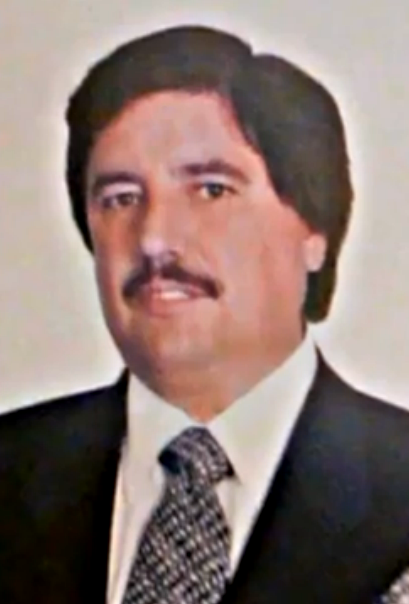
Amado Carrillo Fuentes (December 17, 1956 – July 4, 1997) was a Mexican drug lord who took over the Juárez Cartel by killing his former boss, Rafael Aguilar Guajardo. Nicknamed "El Señor de Los Cielos" ("The Lord of the Skies"), he earned this title from the many jets he used to move drugs. At his death, his net worth was estimated at $25 billion.
Born in Guamuchilito, Navolato, Sinaloa, to Walter Vicente Carrillo Vega and Aurora Fuentes, he was one of twelve children. His uncle, Ernesto Fonseca Carrillo—known as "Don Neto"—led the Guadalajara Cartel and gave Amado his start in the drug trade. Amado later brought his own brothers and his son, Vicente José Carrillo Leyva, into the business. His father died in April 1986, and his brother Cipriano Carrillo Fuentes died under unclear circumstances in 1989.
Carrillo began his career with the Guadalajara Cartel, stationed in Ojinaga, Chihuahua, where he managed his uncle's cocaine shipments and learned border operations from Pablo Acosta Villarreal ("El Zorro de Ojinaga") and Rafael Aguilar Guajardo. He later worked with Pablo Escobar and the Cali Cartel, smuggling drugs from Colombia to Mexico and the United States. He also partnered with Joaquín "El Chapo" Guzmán, the Arellano Félix family, and the Beltrán Leyva organization. Over his career, he built a drug empire that may have generated more than $25 billion in revenue.
Pressure from U.S. and Mexican authorities grew after silent marches in Morelos state protested Governor Jorge Carrillo Olea's alleged tolerance of drug violence. Carrillo Fuentes owned a house three blocks from the governor's mansion and held narco-fiestas in Tetecala. The governor was forced to resign and arrested, and this heat likely pushed Carrillo to undergo plastic surgery and liposuction to alter his face. On July 4, 1997, he went ahead with the operation at Santa Mónica Hospital in Mexico City. Complications arose during surgery—possibly from a medication or a faulty respirator—and he died in the early hours of July 5. His family told reporters he had a heart attack under anesthesia. Two of his bodyguards were in the operating room. On November 7, 1997, the two surgeons who performed the procedure were found dead, encased in concrete inside steel drums, showing signs of torture.
Quick Facts
- Birth Name
- Amado Carrillo Fuentes
- Birth Date
- 1954-12-17
- Birth Place
- Guamuchilito, Navolato, Sinaloa, Mexico
- Death Date
- 1997-07-05
- Death Place
- Mexico City, Mexico
- Other Names
- El Señor de los Cielos
- Employer
- Head of Juárez Cartel
- Occupation
- Drug lord
- Predecessor
- Rafael Aguilar Guajardo
- Successor
- Vicente Carrillo Fuentes
- Children
- Vicente Carrillo Leyva
- Relatives
- Ernesto Fonseca Carrillo · Vicente Carrillo Fuentes
Facts from the source article.
Lore & Background
Carrillo was born to Walter Vicente Carrillo Vega and Aurora Fuentes in Guamuchilito, Navolato, Sinaloa, Mexico, and had eleven siblings. He was the nephew of Ernesto Fonseca Carrillo, also known as "Don Neto", the Guadalajara Cartel leader. Amado got his start in the drug business under his uncle's tutelage and later brought in his brothers and eventually his son, Vicente José Carrillo Leyva. His father died in April 1986, and his brother Cipriano Carrillo Fuentes died in 1989 under mysterious circumstances.
Initially part of the Guadalajara Cartel, Carrillo was sent to Ojinaga, Chihuahua to oversee cocaine shipments and learn border operations from Pablo Acosta Villarreal and Rafael Aguilar Guajardo. He later worked with Pablo Escobar and the Cali Cartel smuggling drugs from Colombia to Mexico and the United States, as well as with "El Chapo" (Joaquín Guzmán Loera), the Arellano Félix family, and the Beltrán Leyva organization. During his tenure, he reportedly built a multibillion-dollar drug empire, with estimated revenue over $25 billion.
Reader's Guide
Amado Carrillo Fuentes's significance lies in his transformation of the Juárez Cartel into a major drug trafficking organization, using a fleet of jets to move cocaine and laundering money through Colombia. His death during plastic surgery in 1997, while being tracked by Mexican and U.S. authorities, led to a power vacuum and increased violence, including a restaurant massacre in Ciudad Juárez that authorities initially declined to link to his death. The subsequent torture and murder of his surgeons, as well as the seizure of over 60 properties and $10 billion in frozen bank accounts, underscored the cartel's reach and the state's response. His legacy includes numerous media portrayals, including fictionalized versions in series such as 'El Señor de los Cielos' and 'Narcos: Mexico', which sometimes imply he faked his death. The arrest of his son in 2009 and the demolition of his mansion in 2006 reflect ongoing efforts to dismantle his organization.
Did You Know?
- Carrillo died in a Mexican hospital after undergoing extensive plastic surgery to change his appearance; complications arose from a certain medication or a malfunctioning respirator.
- Two of Carrillo's bodyguards were in the operating room during his surgery.
- On November 7, 1997, the two surgeons who performed Carrillo's surgery were found dead, encased in concrete inside steel drums, with signs of torture.
- Carrillo's family told reporters he had suffered a heart attack while under anesthesia, differing from the official account.
Gallery

Frequently Asked Questions
Who is Amado Carrillo Fuentes?
He was a Mexican drug lord who led the Juárez Cartel during the 1990s. Born on December 17, 1956, in Sinaloa, he seized control of the organization by eliminating his predecessor.
Why was Amado Carrillo Fuentes nicknamed 'El Señor de Los Cielos'?
The title, meaning 'The Lord of the Skies,' reflected his signature use of a large fleet of private jets to move narcotics across borders. Air transport became his defining operational method and the source of the moniker.
How did Amado Carrillo Fuentes rise to power in the Juárez Cartel?
He entered the drug trade through his uncle Ernesto 'Don Neto' Fonseca Carrillo, the head of the Guadalajara Cartel. He ultimately took over the Juárez operation by killing his former boss, Rafael Aguilar Guajardo.
Why is Amado Carrillo Fuentes considered significant in cartel history?
He is remembered as one of the wealthiest and most operationally aggressive traffickers of his era, particularly for weaponizing air power to move massive drug shipments. His violent coup against Aguilar Guajardo also illustrated how leadership disputes in Mexican cartels were settled by force.
More in Infamous Spies, Assassins, And Criminals 1-19
Spotted an error? Know more?
Reader corrections go straight into our review queue. Suggest an edit · How this site is sourced