
Albert Anastasia
Ruthless mobster and leader of Murder, Inc.

Rijksmuseum · CC0
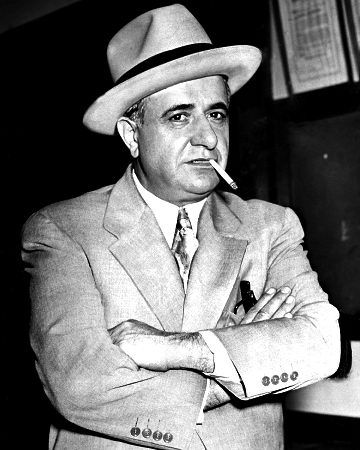
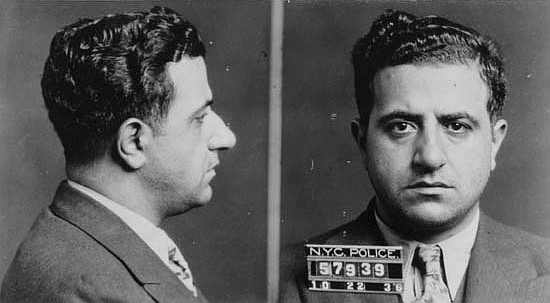
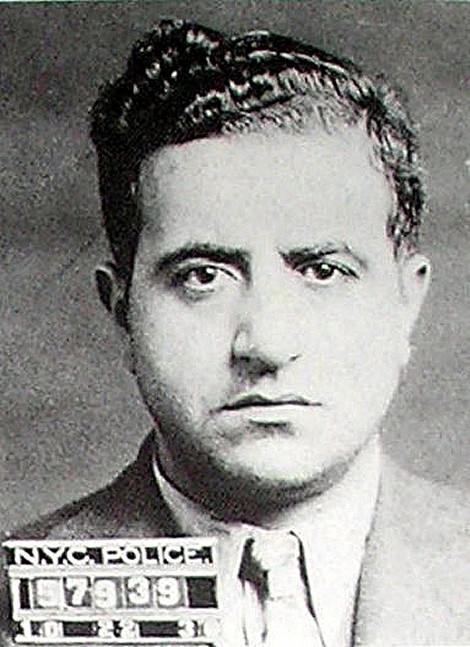
Umberto 'Albert' Anastasia was an Italian-American mobster, hitman, and crime boss who led the Murder, Inc. organization and later became boss of what was then called the Anastasia crime family, which eventually became the Gambino family. He controlled New York City's waterfront for most of his criminal career.
Quick Facts
- Birth Name
- Umberto Anastasio
- Birth Date
- 1902-09-26
- Birth Place
- Tropea, Calabria, Italy
- Death Date
- 1957-10-25
- Death Place
- New York City, New York, U.S.
- Death Cause
- Gunshot wound
- Resting Place
- Green-Wood Cemetery, New York City, New York, U.S.
- Other Names
- The One-Man Army / Mad Hatter / Lord High Executioner / Don Umberto
- Citizenship
- American
- Allegiance
- Anastasia crime family / Murder, Inc.
- Occupation
- Crime boss
- Predecessor
- Vincent Mangano
Facts from the source article.
Lore & Background
Albert Anastasia was born Umberto Anastasio on September 26, 1902, in Parghelia, Calabria, Italy. He illegally entered the United States in 1919 with three brothers and began working as a longshoreman on the Brooklyn waterfront. In 1921, he was convicted of murdering a longshoreman and sentenced to death, but won a retrial on a technicality and was released after witnesses disappeared. He later changed his surname to Anastasia.
By the late 1920s, Anastasia became a top leader of the International Longshoremen's Association and allied with crime boss Giuseppe Masseria. During the Castellammarese War, he participated in the murder of Masseria in 1931. Luciano later placed Anastasia and Louis Buchalter in control of Murder, Inc., the enforcement arm of the National Crime Syndicate. Anastasia was nicknamed 'The Mad Hatter' and 'The Lord High Executioner' for his role.
During World War II, Anastasia was drafted into the U.S. Army, served as a private, and received U.S. citizenship in 1942 as a result of his military service. He was honorably discharged in 1944. Anastasia was murdered on October 25, 1957, on the orders of Vito Genovese and Carlo Gambino, who then became boss of the family.
Reader's Guide
Albert Anastasia was one of the most ruthless and feared organized crime figures in American history, earning nicknames such as 'The Earthquake' and 'The One-Man Army.' As a co-founder of Murder, Inc., he oversaw a group of contract killers that committed thousands of murders during its ten-year operation. His control of New York City's waterfront through dockworker unions gave him immense economic and political influence. His murder in 1957 marked a pivotal shift in Mafia power, allowing Carlo Gambino to take over the family. Anastasia's legacy is tied to the violent consolidation of the modern American Mafia and the institutionalization of organized crime in labor unions.
Did You Know?
- Anastasia was sentenced to death in 1921 for murder but won a retrial after four prosecution witnesses disappeared.
- He legally changed his surname from 'Anastasio' to 'Anastasia' after his release from custody.
- Anastasia was drafted into the U.S. Army in 1942, served as a private, and received U.S. citizenship that same year.
- Anastasia is rumored to have offered a $100,000 reward for the murder of informant Abe Reles in 1941, though the exact details are disputed.
Gallery
Frequently Asked Questions
Who is Albert Anastasia?
Umberto "Albert" Anastasia was an Italian-American mobster, hitman, and crime boss who operated in New York City during the mid-20th century. He is remembered as one of the most feared figures in organized crime history.
What was Albert Anastasia's role in the criminal underworld?
He headed the notorious Murder, Inc. organization as its top enforcer and later became the boss of the crime family that carried his name. He also maintained controlling influence over New York's waterfront for the majority of his criminal career.
Why is Albert Anastasia important in crime history?
He is regarded as one of the most ruthless operators in the history of American organized crime, serving simultaneously as a Murder, Inc. leader and a family boss who shaped New York's criminal infrastructure.
What is the connection between Albert Anastasia and the Gambino family?
The crime family he led was originally known as the Anastasia family, and after his death it was eventually rebranded as the Gambino family under new leadership.
More in Infamous Spies, Assassins, And Criminals 1-19
Spotted an error? Know more?
Reader corrections go straight into our review queue. Suggest an edit · How this site is sourced