
Adolf Eichmann
Nazi official who organized mass deportations during the Holocaust.

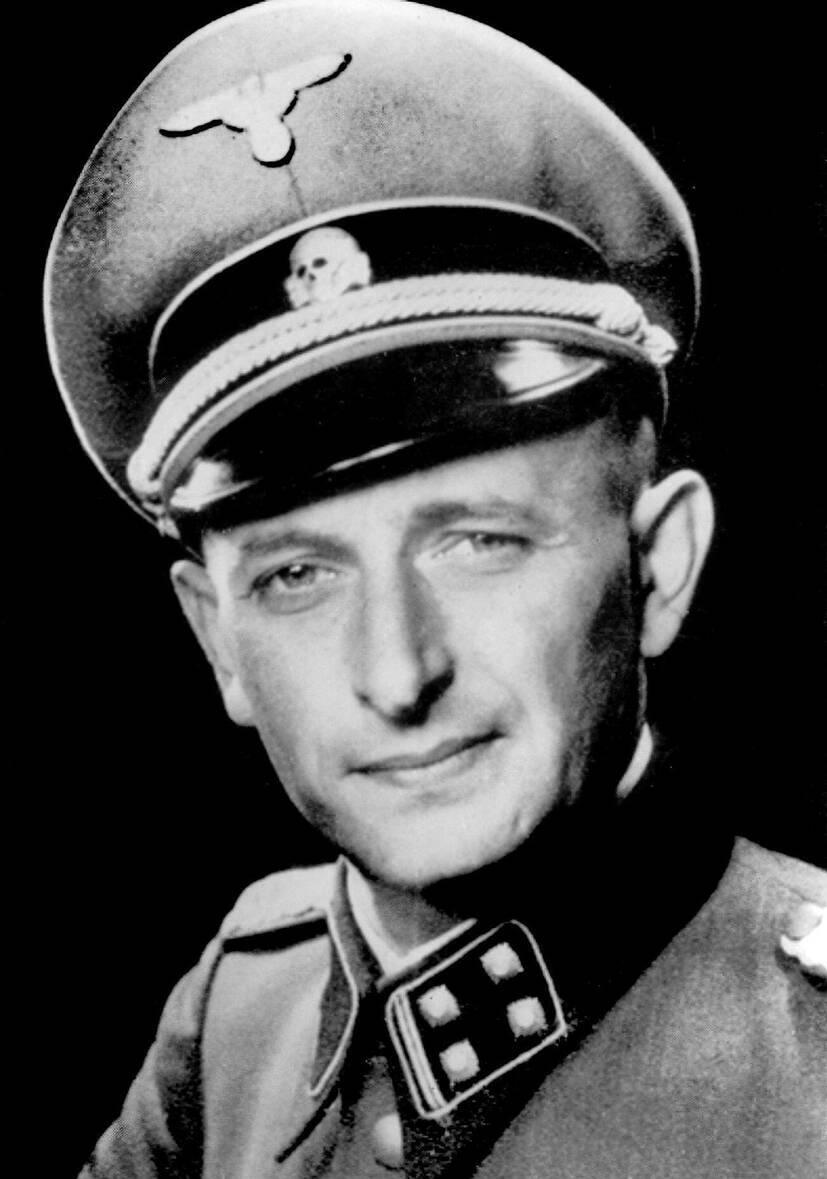
Willem van de Poll · CC0
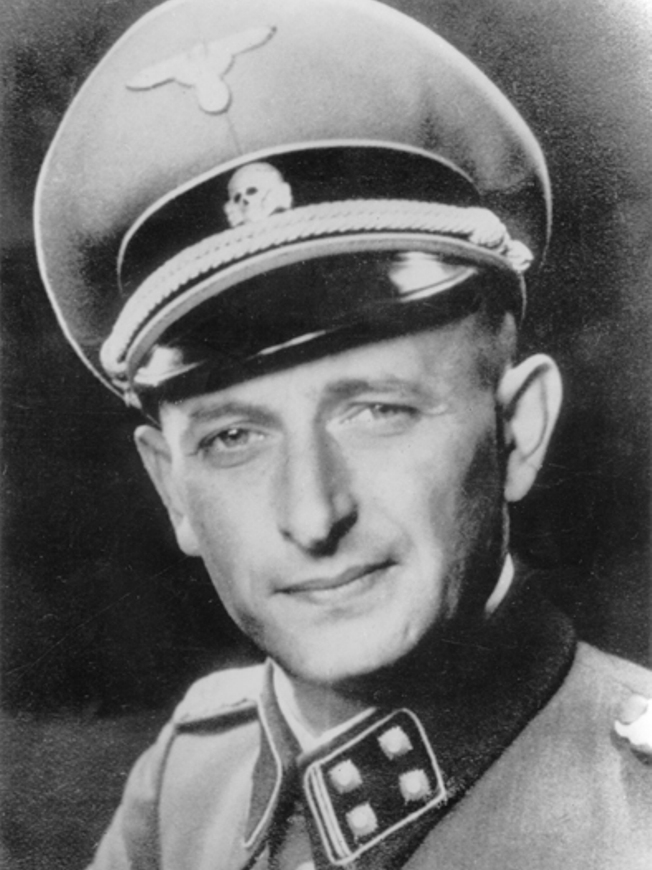
Otto Adolf Eichmann was a German-Austrian official of the Nazi Party, an officer of the Schutzstaffel (SS), and one of the major organizers of the Holocaust. He participated in the January 1942 Wannsee Conference, at which the implementation of the genocidal Final Solution to the Jewish Question was planned, and was later tasked with facilitating the mass deportation of millions of Jews to ghettos and extermination camps. Captured after the war, he escaped to Argentina, was abducted by Israeli Mossad agents in 1960, tried in Jerusalem, and executed in 1962.
Quick Facts
- Birth Name
- Otto Adolf Eichmann
- Birth Date
- 19 March 1906
- Birth Place
- Solingen, Rhine Province, Kingdom of Prussia, German Empire
- Death Date
- 1 June 1962 · 1906 · 3 · 19
- Death Place
- Ayalon Prison, Ramla, Israel
- Citizenship
- Germany · Austria
- Other Names
- Ricardo Klement · Otto Eckmann · Adolf Bart · Otto Hening
- Organizations
- de · Schutzstaffel (SS) · de · Geheime Staatspolizei (Gestapo)
- Children
- 4, including Ricardo Francisco
- Criminal Status
- Executed by hanging
- Conviction
- War crimes · Crimes against humanity · Crimes against the Jewish people · Membership in a criminal organisation
- Allegiance
- Nazi Germany
Facts from the source article.
Lore & Background
Eichmann was born in Solingen, Germany, and moved with his family to Linz, Austria, in 1914. After doing poorly in school, he worked briefly for his father's mining company and later as a travelling oil salesman. He joined the Nazi Party and the SS in 1932, and after returning to Germany in 1933, he joined the Sicherheitsdienst (SD), where he was appointed head of the department responsible for Jewish affairs, especially emigration. Following the outbreak of the Second World War, he arranged for Jews to be concentrated in ghettos and drew up plans for a Jewish reservation at Nisko and later in Madagascar, neither of which was carried out.
Reader's Guide
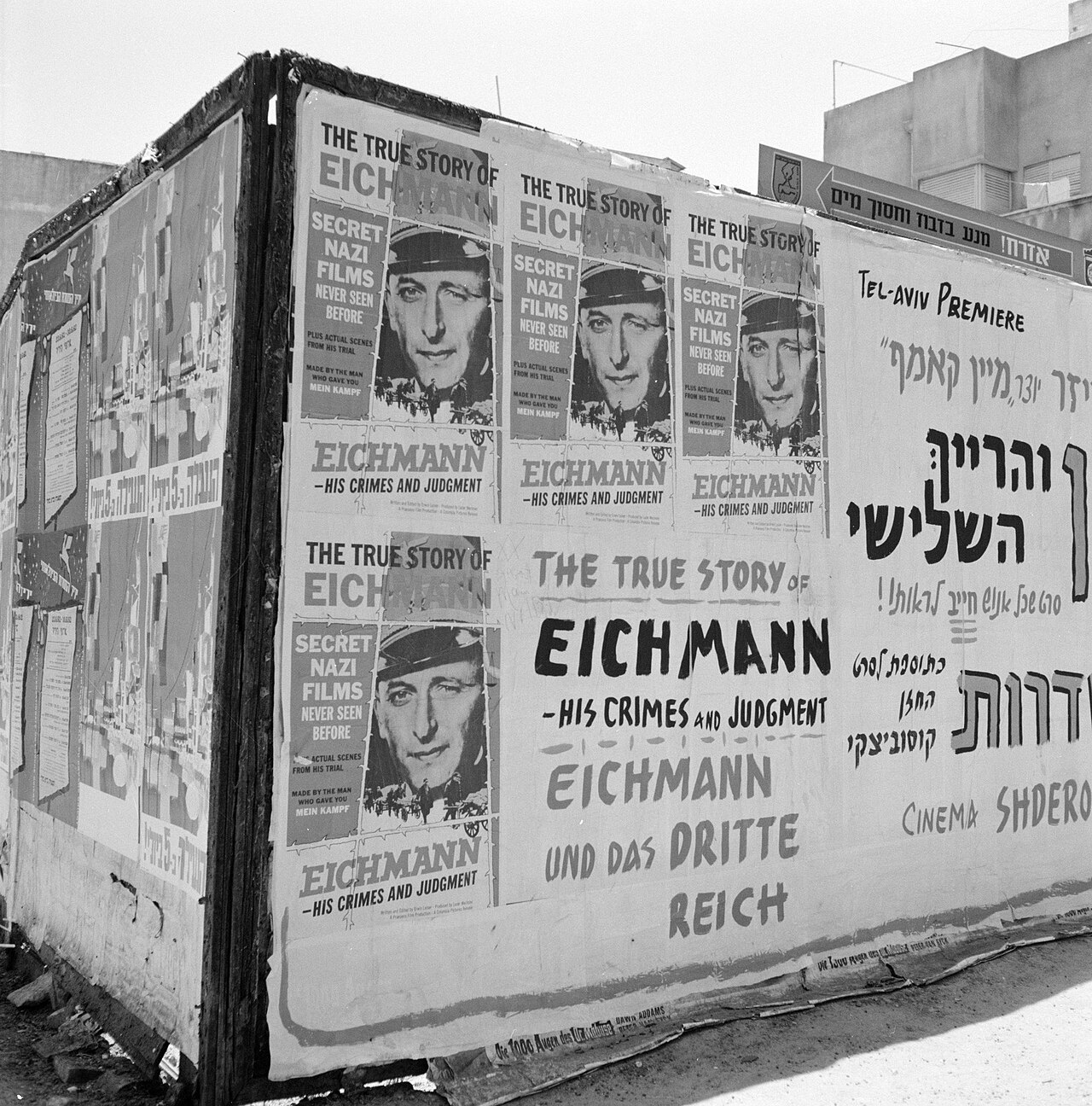
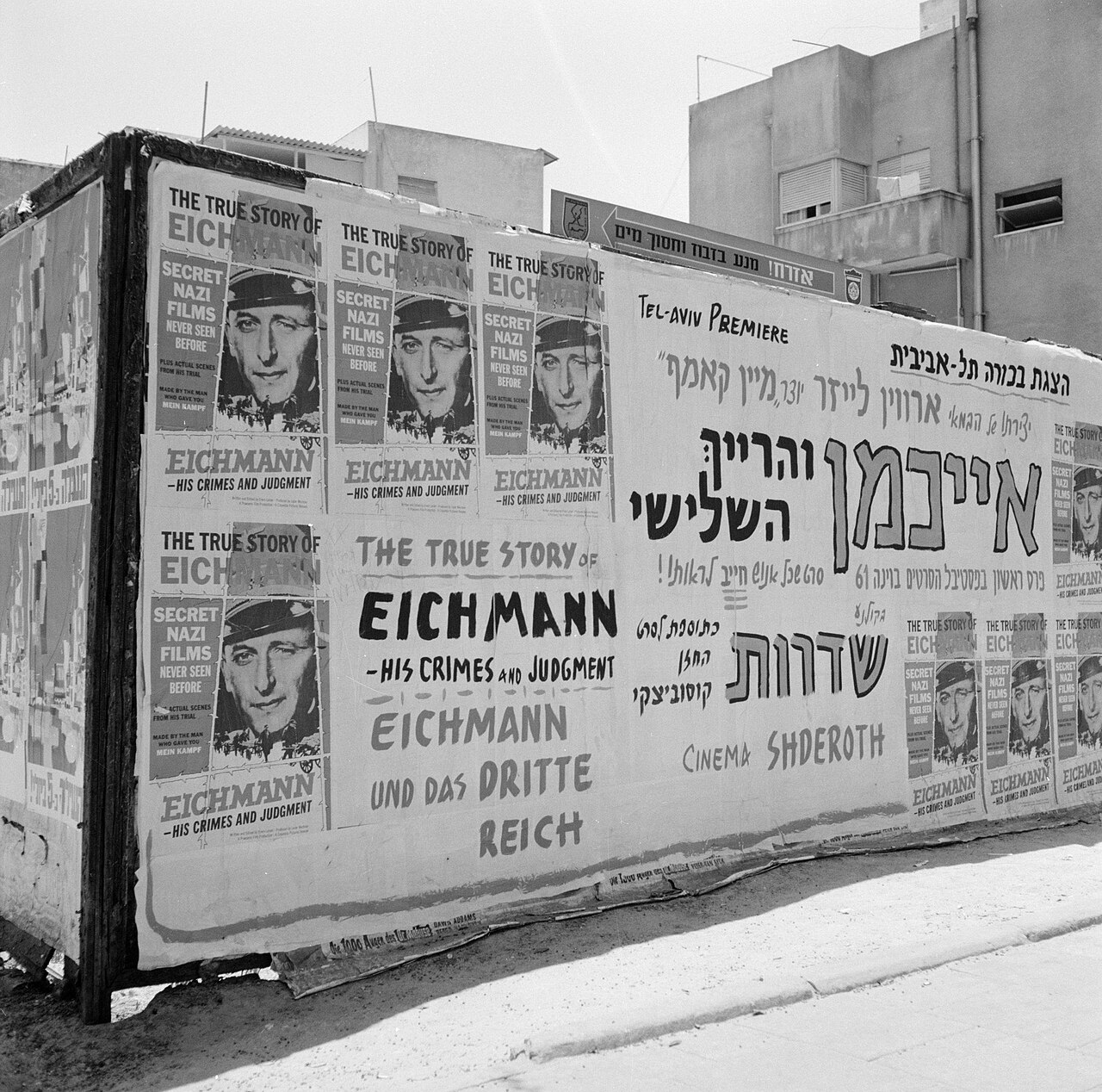
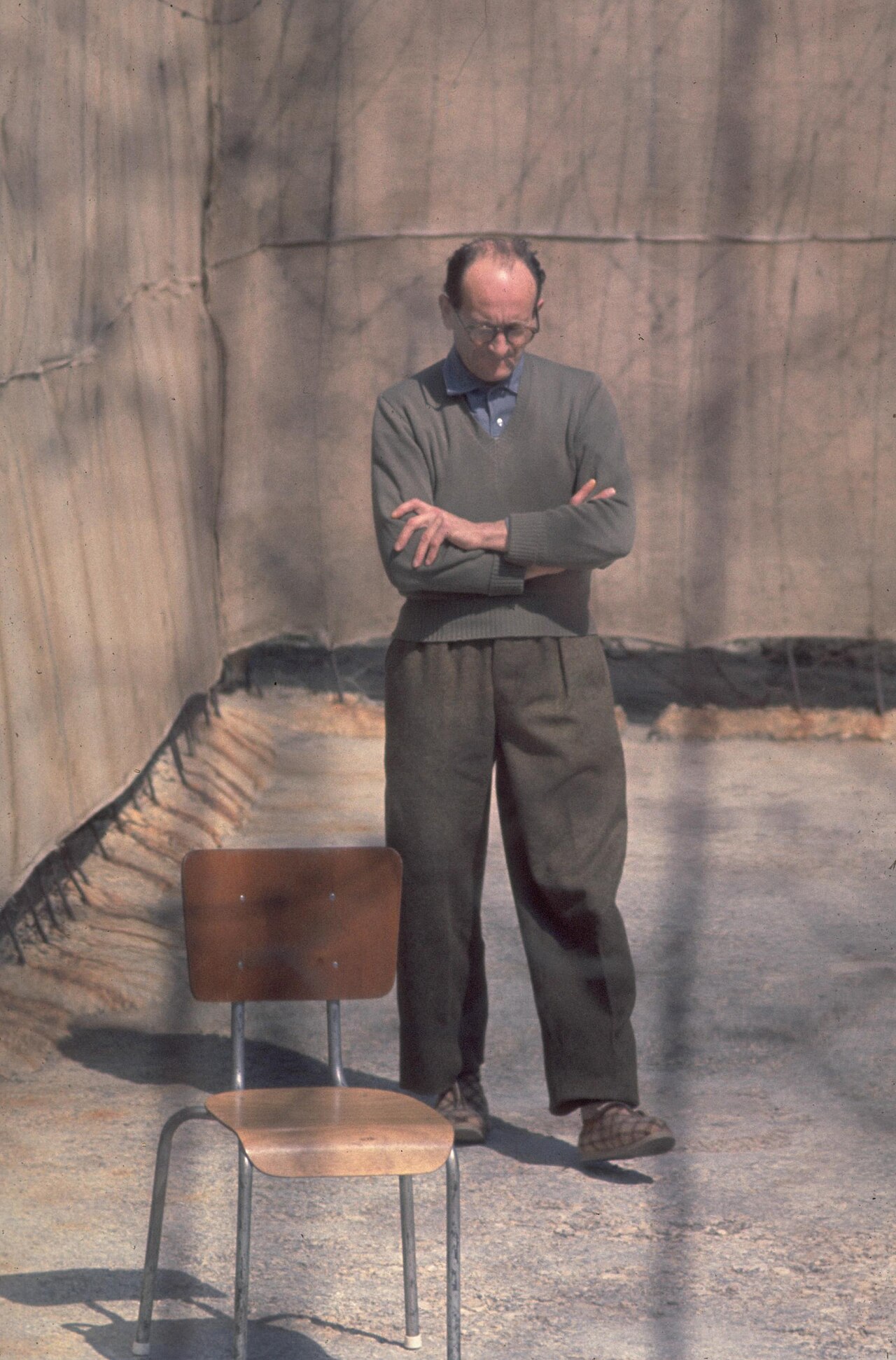
Eichmann's significance lies in his central role in the logistics of the Holocaust. After the Nazi invasion of the Soviet Union in June 1941, Jewish policy shifted from emigration to extermination. Eichmann attended the Wannsee Conference in January 1942, prepared the minutes, and became responsible for deportations to extermination camps, where victims were gassed. In 1944, he oversaw the deportation of 437,000 of Hungary's 725,000 Jews, most to Auschwitz, where about 75 percent were murdered upon arrival. His trial in Jerusalem was highly publicized and widely followed; he did not deny the Holocaust but claimed he was following orders. The trial led to Hannah Arendt's phrase 'the banality of evil.' His execution by hanging in 1962 marked the only time Israel has carried out a death sentence.
Did You Know?
- Eichmann attended the Kaiser Franz Joseph State School in Linz, while Adolf Hitler had attended the Realschule in Linz 17 years earlier.
- He learned a smattering of Hebrew and Yiddish while working in the SD's Jewish Department.
- After Germany's defeat, he escaped from a US detention camp and lived in a small village in Lower Saxony until 1950.
- He told Dieter Wisliceny he would 'leap laughing into the grave' because he had five million people on his conscience.
Gallery

Frequently Asked Questions
Who is Adolf Eichmann?
Adolf Eichmann was a German-Austrian SS officer and Nazi Party official who served as one of the principal architects of the Holocaust's logistical operations. Born in Solingen, Germany, in 1906, he became notorious for coordinating the mass deportation of Jews to ghettos and extermination camps across occupied Europe.
What was Eichmann's specific role in the Holocaust?
Eichmann managed the transportation and logistical side of the Final Solution, overseeing the systematic roundup and shipment of millions of Jews to their deaths. He also attended the 1942 Wannsee Conference, where senior Nazi officials coordinated the implementation of the genocide.
How did Eichmann evade justice after World War II?
Following the war's end, Eichmann fled to Argentina under a false identity and lived in hiding for roughly fifteen years. His cover was eventually broken by Israeli intelligence, which led to his dramatic abduction by Mossad agents in 1960.
Why is Eichmann considered one of history's most infamous criminals?
He is remembered as the bureaucratic engine behind the Holocaust, the man who transformed a genocidal ideology into a meticulously organized system of mass murder through transportation logistics. His capture, widely publicized trial, and execution made him a defining figure in the postwar reckoning with Nazi war crimes.
More in Infamous Spies, Assassins, And Criminals 1-19
Spotted an error? Know more?
Reader corrections go straight into our review queue. Suggest an edit · How this site is sourced