
Harvey S. Firestone
Founder of Firestone Tire and Rubber Company.

National Photo Company Collection · Public domain
Harvey Samuel Firestone Sr. was born on December 20, 1868, in Columbiana, Ohio, and died on February 7, 1938, at his home in Miami Beach, Florida. He built the Firestone Tire and Rubber Company, a business that became one of the earliest worldwide producers of automobile tires. Firestone grew up on a farm originally built by his grandfather; the family name had been Feuerstein, German for flint or firestone, and his paternal ancestor Nicholas Feuerstein came from Alsace in 1752, settling in Pennsylvania. He was the second of three sons born to Benjamin and Catherine Firestone, with Benjamin also having a son and daughter from a prior marriage. In 1983, the original farm was taken apart and moved to Greenfield Village, a historical site in Michigan started by Henry Ford, where it now sits within a larger outdoor museum.
Firestone married Idabelle Smith on November 20, 1895, and the couple had seven children. Among their notable great-grandchildren are Andrew Firestone, Nick Firestone, and William Clay Ford Jr., who is the son of Henry Ford’s grandson and Harvey and Idabelle’s granddaughter Martha.
After finishing Columbiana High School, Firestone worked at the Columbus Buggy Company in Columbus, Ohio. In 1896, he left to briefly partner in a tire business in Chicago, and in 1900 he founded the Firestone Tire and Rubber Company. He later published a book, *Men and Rubber: The Story of Business*, written with Samuel Crowther in 1926.
While leading his company, Firestone arranged a deal with Liberia to lease more than 1 million acres of land—over 10% of the country’s fertile land—for a rubber plantation, the largest in the world, under a 99-year agreement. During this period, the Liberian government forced indigenous villagers to work on the plantation, though investigators from the League of Nations found no evidence that Firestone itself “consciously employs labor which has been forcibly impressed.” The company town of Harbel was created for the plantation, its name combining Firestone and his wife Idabelle. This situation led Firestone’s son, Harvey S. Firestone Jr., to run a public relations campaign that portrayed the company as providing healthcare, jobs, and financial improvement to the region. That image lasted for decades, even as the company helped Liberian government officials—including President William V.S.
Quick Facts
- Birth Name
- Harvey Samuel Firestone
- Birth Date
- 1868-12-20
- Birth Place
- Columbiana, Ohio, US
- Death Date
- 1938-02-07
- Death Place
- Miami Beach, Florida, US
- Occupation
- Businessman
- Spouse
- Idabelle Smith · November 20, 1895
- Children
- 7, including Harvey Jr. and Leonard
- Relatives
- Brooks Firestone (grandson)
Facts from the source article.
Lore & Background
Harvey S. Firestone was born in 1868 in Columbiana, Ohio, and grew up on the farm built by his grandfather. The family name was originally Feuerstein; his paternal ancestor Nicholas Feuerstein immigrated from Alsace in 1752. After graduating from Columbiana High School, Firestone worked for the Columbus Buggy Company before briefly partnering in a tire business in Chicago in 1896. In 1900, he founded the Firestone Tire and Rubber Company. He married Idabelle Smith on November 20, 1895, and they had seven children.
Firestone orchestrated a deal with Liberia to lease over 1 million acres of land for a rubber plantation, the largest in the world, taking up over 10% of the country's fertile land for 99 years.
Reader's Guide
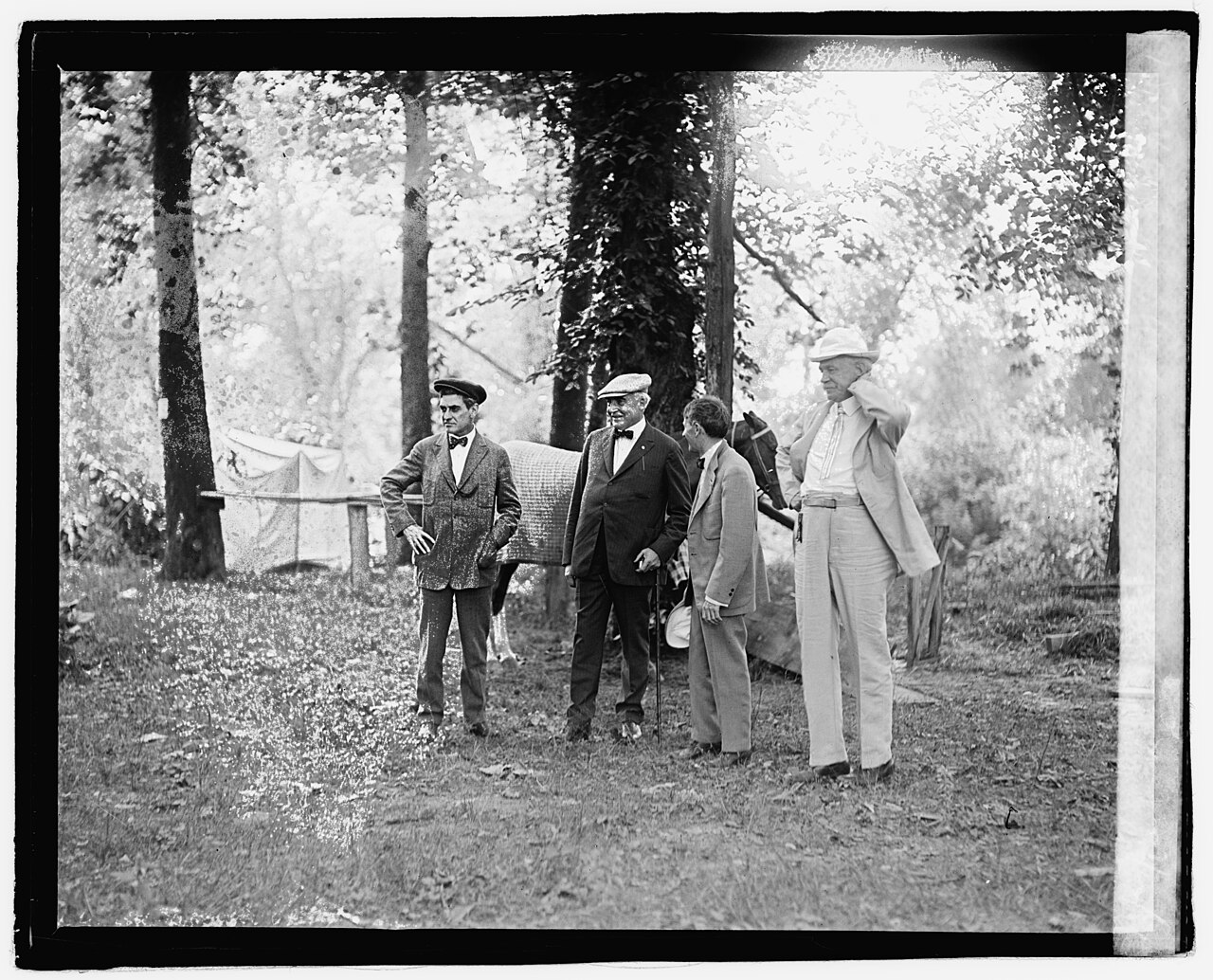
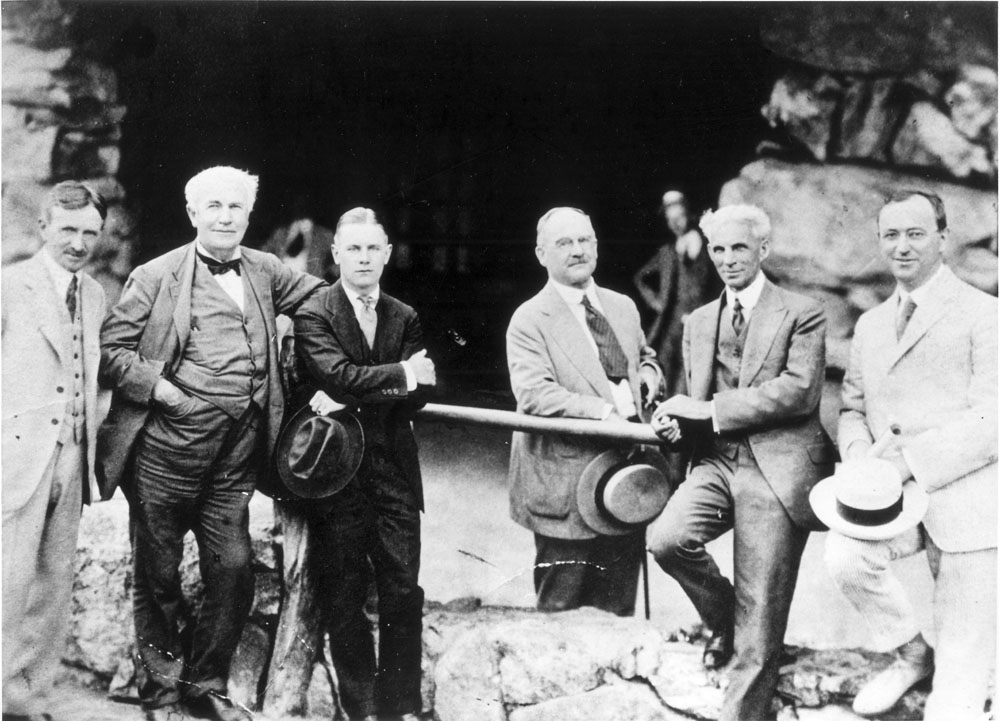
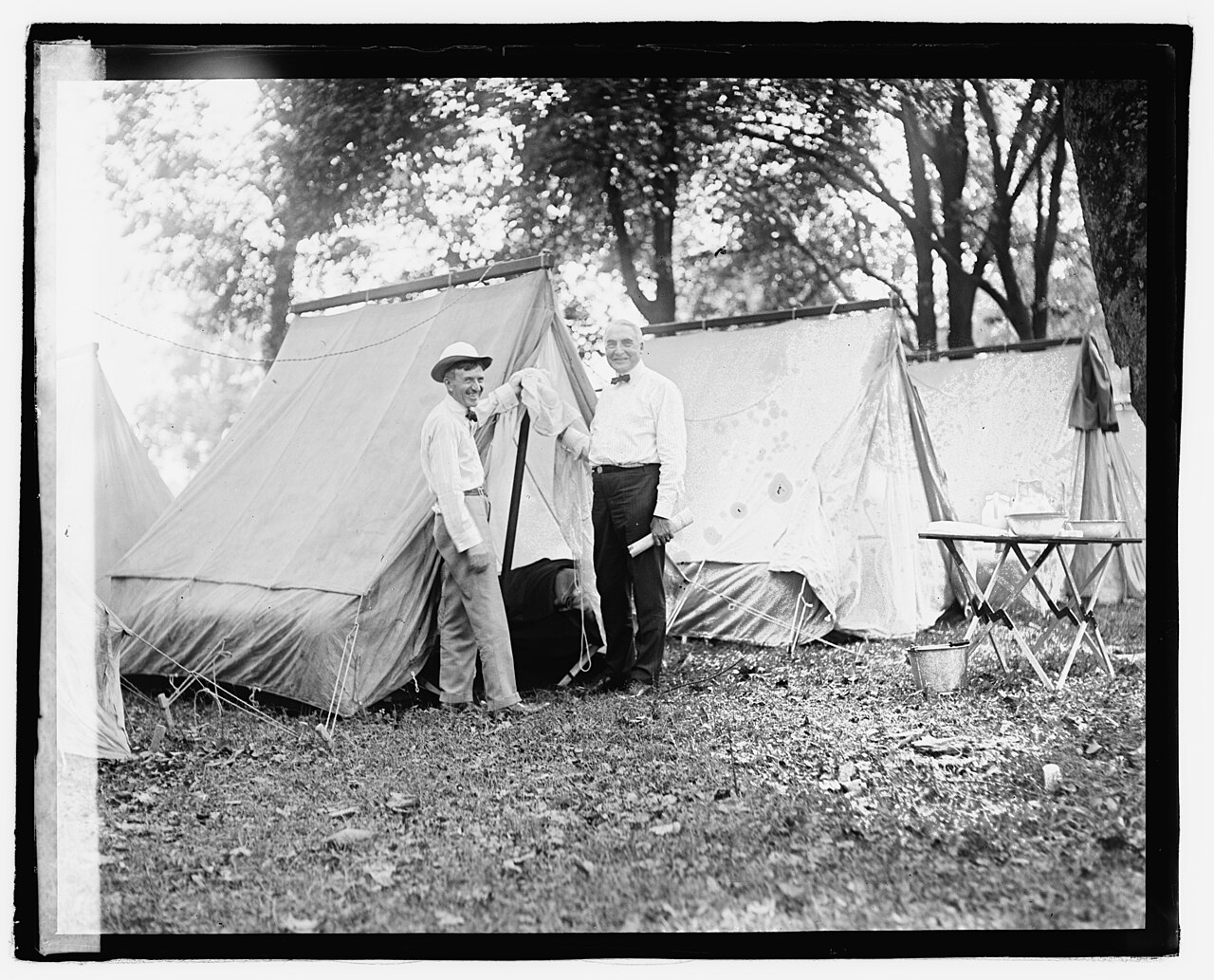
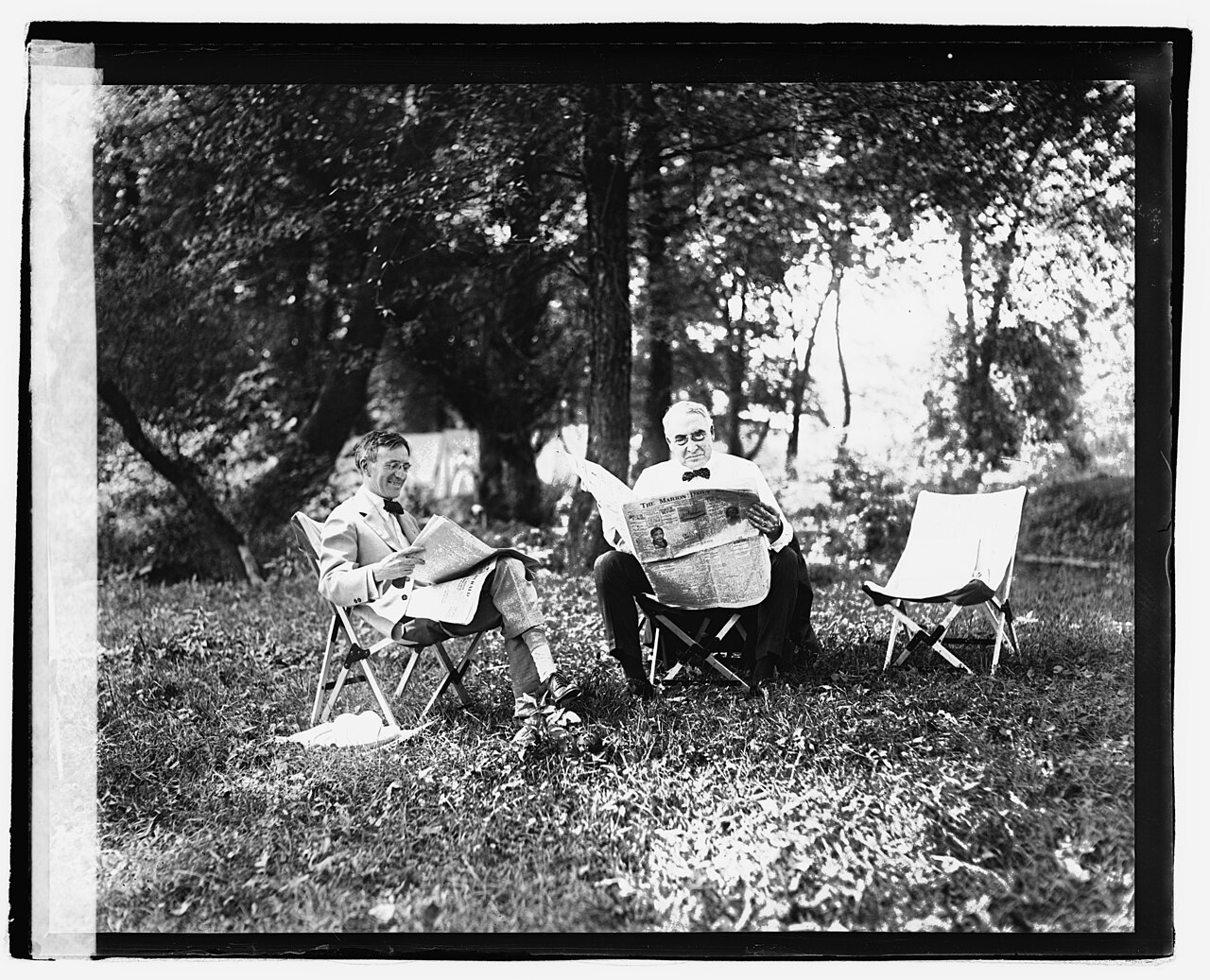
Harvey S. Firestone's significance lies in his founding of the Firestone Tire and Rubber Company, which became a global leader in automobile tire manufacturing during the early automotive era. His business partnerships with Henry Ford and Thomas Edison, as part of the Vagabonds, symbolized the convergence of American industrial leadership. However, his legacy is also marked by the controversial Liberian rubber plantation deal, which involved forced labor by the Liberian government and created a company town with poor living conditions for workers. The plantation was later compared to 'an old Southern plantation' by Firestone executives. His son's public relations campaign shaped a positive image that lasted for decades, while the company aided Liberian officials in owning rubber plantations. Firestone's name endures through institutions such as Firestone Library at Princeton University, the Harvey S. Firestone Memorial in Akron, Ohio, and Firestone High School. He was inducted into the Automotive Hall of Fame in 1974 and the Motorsports Hall of Fame of America in 2013.
Did You Know?
- Firestone's family name was originally Feuerstein, German for flint or firestone; his ancestor Nicholas Feuerstein immigrated from Alsace in 1752.
- The town of Harbel in Liberia was named after Firestone and his wife Idabelle.
- Firestone's original family farm was disassembled in 1983 and moved to Greenfield Village, a historical site in Michigan founded by Henry Ford.
- Firestone died of coronary thrombosis at his Miami Beach estate, Harbel Villa.
Gallery
Frequently Asked Questions
Who is Harvey S. Firestone?
Harvey Samuel Firestone Sr. was an American industrialist best known for establishing the Firestone Tire and Rubber Company, which grew into one of the first global manufacturers of automobile tires.
What is Harvey S. Firestone most famous for?
He is credited with founding the Firestone Tire and Rubber Company, a business that became a dominant force in the early auto tire market worldwide.
Where was Harvey S. Firestone born and what was his background?
He was born on December 20, 1868, in Columbiana, Ohio, and grew up on a farm his grandfather had built; the family surname originally came from the German 'Feuerstein,' meaning flint or firestone.
Why is Harvey S. Firestone considered an important business pioneer?
By building a tire company that supplied the rapidly growing automobile industry, he helped shape the infrastructure of modern transportation and created one of the earliest truly global manufacturing operations.
How did Harvey S. Firestone's life end?
He passed away on February 7, 1938, at his home in Miami Beach, Florida, leaving behind the tire empire he had constructed over several decades.
More in Industrialists_And_Business_Pioneers 1-24
Spotted an error? Know more?
Reader corrections go straight into our review queue. Suggest an edit · How this site is sourced