
Giovanni Agnelli
Italian industrialist who founded Fiat and shaped Italy's automotive industry.

Pablo García Roza · CC BY-SA 3.0
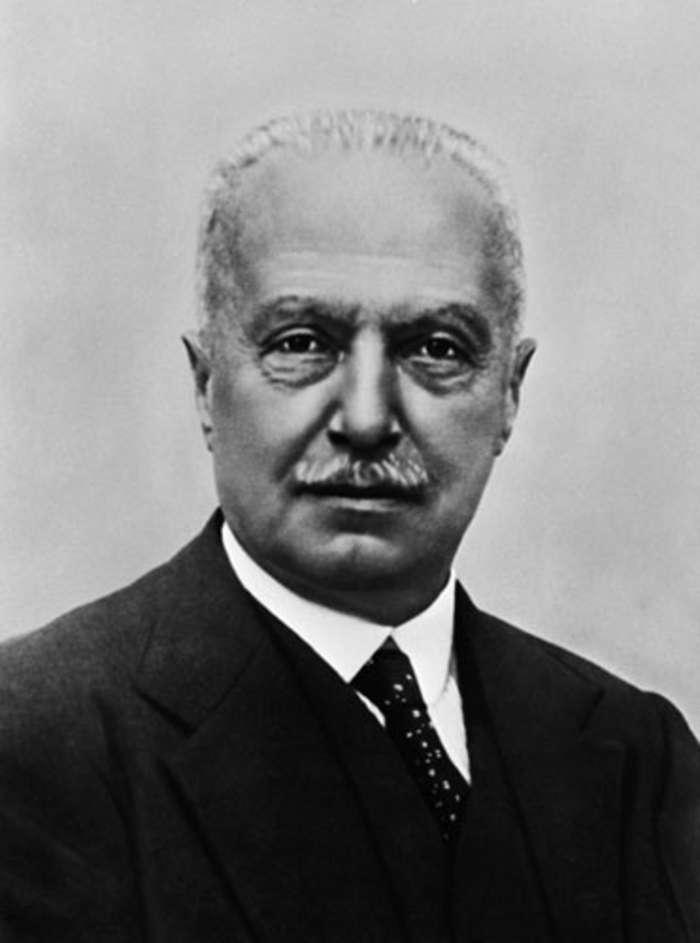
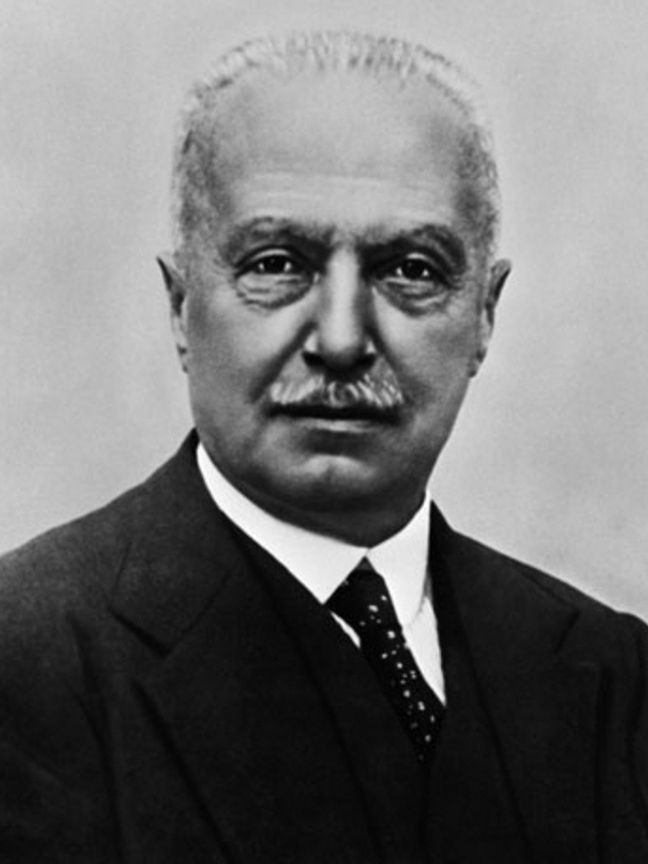
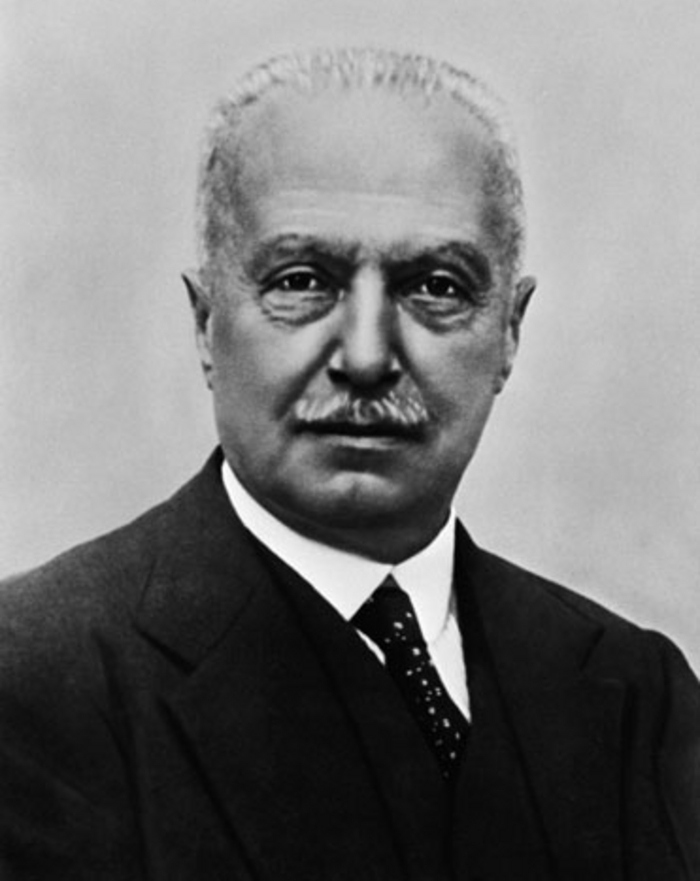
Giovanni Agnelli (13 August 1866 – 16 December 1945) was an Italian industrialist who co-founded Fiat S.p.A. in 1899. He drove the company to become a pillar of Italy’s car industry and a key force in the nation’s early-20th-century industrial growth. He also served as a Senator of the Kingdom of Italy from 1923 to 1944.
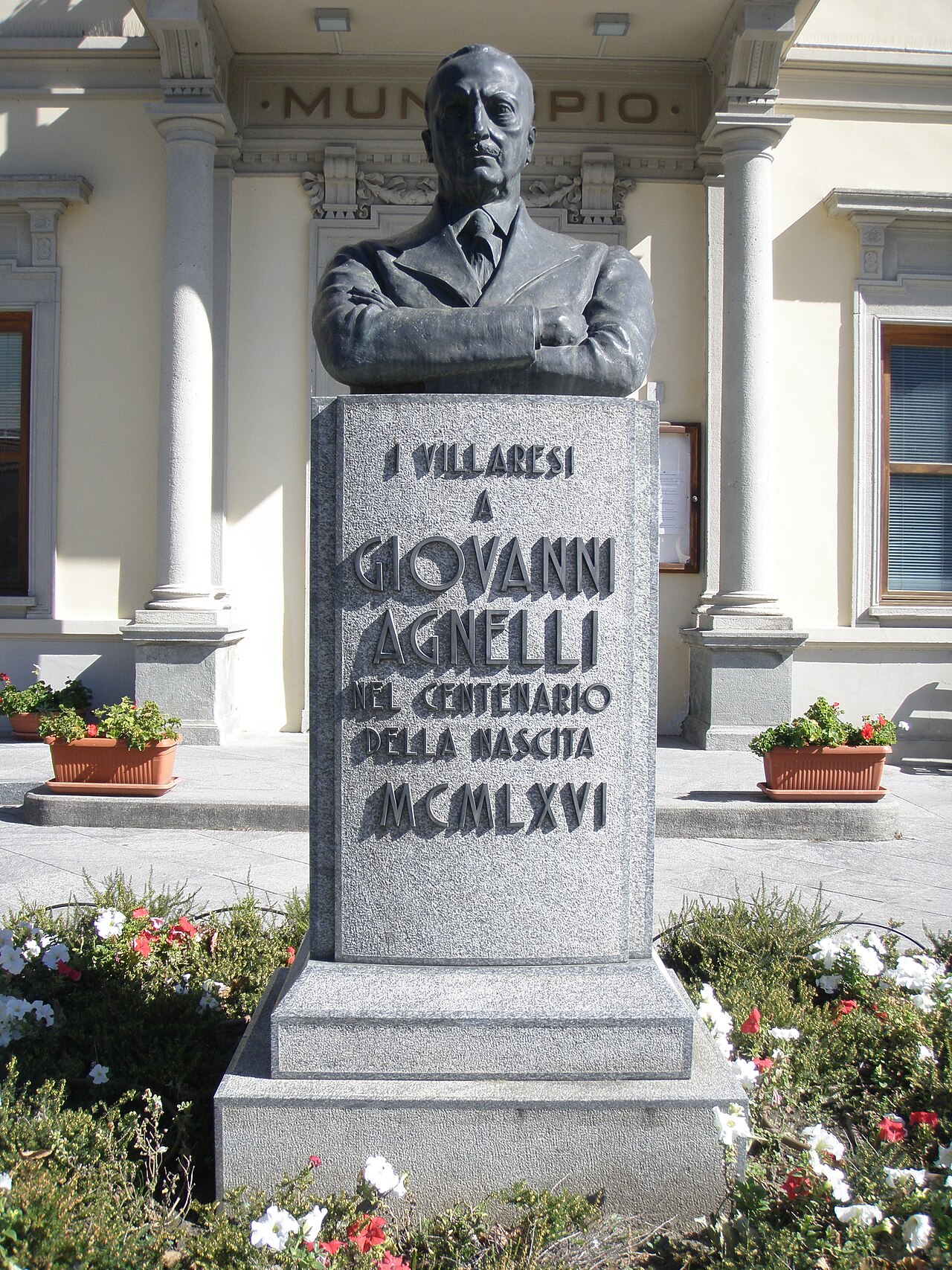
Born in Villar Perosa, a Piedmont town near Pinerolo, Agnelli came from a landowning family steeped in Turin’s business and finance scene just as the city began to industrialize. His father, the town’s mayor, died when Agnelli was seven. He studied at Turin’s Collegio San Giuseppe before starting a military career. In 1893 he returned to Villar Perosa, became its mayor in 1895, and held that post until his death in 1945. (His grandson Gianni Agnelli later served as mayor, but did not succeed him directly.) Hearing about the horseless carriage in the late 1890s, he saw a chance to use his engineering and business skills. In 1898 he met Count Emanuele Cacherano di Bricherasio, who was seeking investors for a car project; Agnelli seized the opportunity, and Fiat was founded the next year. He married Clara Boselli; they had two children, Aniceta Caterina (1889–1928) and Edoardo (1892–1935). The couple had more than seventy descendants.
On 11 July 1899, Agnelli joined the group that founded Fiat—short for Fabbrica Italiana di Automobili Torino—paying 100,000 lire for his stake. Within a year he became managing director, and in 1920 he took over as chairman. The first plant opened in 1900 with 35 workers making 24 cars. The company quickly gained a reputation for engineering talent. By 1903 it turned a small profit, producing 135 cars; output hit 1,149 by 1906. Fiat then went public on the Milan stock exchange, and Agnelli bought up as many shares as he could. He navigated scandals and labor unrest, notably during the Biennio Rosso. When he asked Prime Minister Giovanni Giolitti to send troops to clear Fiat’s factories, Giolitti refused. After the revolt faded and workers handed back the keys, Agnelli did not retaliate; instead, he offered a contract tying wages to productivity during an economic slump.
During World War I, Agnelli partnered with financier Riccardo Gualino to transport U.S. aid to Europe in 1917.
Quick Facts
- Office
- Member of the Senate of the Kingdom
- Term Start
- 29 May 1923
- Term End
- 7 August 1944
- Appointer
- Victor Emmanuel III
- Birth Date
- 1866-08-13
- Birth Place
- Villar Perosa, Italy
- Death Date
- 1945-12-16
- Death Place
- Turin, Italy
- Party
- National Fascist Party
- Spouse
- Clara Boselli
- Children
- 2, including Edoardo
- Parents
- Edoardo Agnelli / Aniceta Frisetti
Facts from the source article.
Lore & Background
Giovanni Agnelli was born in 1866 in Villar Perosa, a small town near Pinerolo in Piedmont, to a landowning family. His father, the mayor of Villar Perosa, died when Agnelli was seven. He studied at the Collegio San Giuseppe in Turin and then embarked on a military career. In 1893, he returned to Villar Perosa and became mayor in 1895, a post he held until his death in 1945. He married Clara Boselli, and they had two children: Aniceta Caterina and Edoardo.
In 1898, Agnelli met Count Emanuele Cacherano di Bricherasio, who was looking for investors for a horseless carriage project. Sensing the opportunity, Agnelli became part of the founding group of Fiat S.p.A. on 11 July 1899, paying 100,000 lire for his share. He became managing director in 1900 and chairman in 1920.
Reader's Guide
Giovanni Agnelli's significance lies in his role as the principal founder of Fiat, which became a driving force in Italy's industrialization. His leadership transformed Fiat from a small startup into a major industrial company, jumping from 30th to third place among Italian industrial companies after World War I. Agnelli's entrepreneurial vision and engineering skills allowed him to capitalize on the emerging automobile market, and his ability to navigate labour disputes and economic challenges helped solidify Fiat's position.
Agnelli's relationship with fascism was complex. While he served as a senator under Mussolini and wore the Fascio card from 1932, he also asserted autonomy by appointing anti-fascists to key roles and was suspected by the regime of helping the anti-fascist movement Giustizia e Libertà. Historians note that Agnelli remained substantially extraneous to the trafficking of fascist bosses, though he coexisted with the regime for the interests of his industry. After World War II, he was accused of collaboration with the Fascist regime and temporarily deprived of ownership of his companies.
His legacy includes not only Fiat's growth but also his family's continued involvement: his grandson Gianni Agnelli succeeded him as mayor of Villar Perosa. As of 2000, Agnelli and his wife had over seventy descendants. His Piedmontism, combining Savoyard tradition and Americanism, shaped his approach to business and politics.
Did You Know?
- Giovanni Agnelli served as mayor of Villar Perosa from 1895 until his death in 1945, a post he inherited from his father.
- He paid $400 for his share in Fiat at its founding in 1899.
- Agnelli was appointed a senator for the National Fascist Party in 1923 but was suspected by the regime of helping the anti-fascist movement Giustizia e Libertà in the 1930s.
The Vision Behind the Horseless Carriage
Giovanni Agnelli first learned of the automobile in the late 1890s and immediately recognized its potential as a vehicle for industrial transformation. In 1898, he connected with Count Emanuele Cacherano di Bricherasio, who was seeking backers for his horseless-carriage venture. Agnelli's engineering background and entrepreneurial instincts led him to commit to the project, and on 11 July 1899 he joined the founding group of Fabbrica Italiana di Automobili Torino, paying four hundred dollars for his initial share. Within a year he was managing director, and by 1920 he held the chairmanship. The first plant, opened in 1900, employed just thirty-five workers and turned out twenty-four vehicles. Yet the company's engineering talent drove rapid expansion: output climbed to one hundred thirty-five cars by 1903 and exceeded one thousand one hundred by 1906. Fiat went public on the Milan exchange, and Agnelli steadily accumulated shares, building the foundation for what would become Italy's dominant automotive force.
Standing Down After the Red Biennium
During the turbulent labor upheavals known as the Biennio Rosso, Fiat's factories were seized by workers who briefly attempted self-management. Agnelli's first instinct was to call in state force; he asked Prime Minister Giovanni Giolitti to dispatch troops to restore order, but Giolitti declined. When the armed pickets eventually demobilized and a workers' delegation walked into his office to hand back the keys, Agnelli made a deliberate choice: he did not pursue reprisals against those who had occupied his plants. Instead, in a period of economic stagnation, he extended a new contract that tied wages to productivity, a move that acknowledged worker contributions while protecting the company's viability. This decision, made under enormous pressure, set a tone of pragmatic accommodation that distinguished his industrial leadership from the more punitive responses common in that era and helped Fiat emerge from the crisis with its workforce largely intact.
A Senator Who Kept His Distance
In 1923, Mussolini appointed Agnelli to the Senate as a member of the National Fascist Party, a move that superficially aligned the Fiat patriarch with the regime. Yet Agnelli's deep ties to the House of Savoy granted him a degree of independence that few industrialists could claim. He used that autonomy quietly but consistently: he installed Curzio Malaparte, a figure Mussolini openly disliked, as editor of La Stampa; he hired the liberal anti-fascist Franco Antonicelli as private tutor to his grandson; and he brought in Vittorio Valletta as accountant despite Valletta's known Freemasonry, social-democratic sympathies, and clandestine contacts with exiled anti-fascists in France, including Giuseppe Saragat. Mussolini himself reportedly dismissed Agnelli as too old to be fascist, and the regime suspected him of aiding the Giustizia e Libertà resistance in the 1930s. In 1927, Mussolini warned his superiors about the serious and absurd danger of Fiat treating itself as a sacred institution on par with the monarchy, the Church, and the regime itself.
The Gualino Partnership and Wartime Gambles
During World War I, Agnelli allied with financier Riccardo Gualino on a series of ambitious ventures. Together they invested in two American enterprises—the Marine & Commerce Corporation of America, which exported coal, and the International Shipbuilding Company, which built motorized vessels—both structured around wartime demand. When the war ended, those companies collapsed, though they had returned substantial profits to their owners before failing. In early 1918 the pair attempted a takeover of Credito Italiano; the bid fell through, but both men secured board seats. Agnelli served as vice-president of Gualino's SNIA from 1917 to 1926, a company that began producing artificial textile fibres in the early 1920s. The partnership's defining moment came when Gualino's mounting debts forced Agnelli to step in, offering financial rescue in exchange for Fiat shares. By 1927, that bargain made Agnelli the major shareholder of Fiat. The alliance ultimately dissolved around 1926 over Gualino's investments in the French automobile sector, leaving Agnelli with consolidated control of his company.
Gallery
Frequently Asked Questions
Who is Giovanni Agnelli?
Giovanni Agnelli (1866–1945) was an Italian industrialist and entrepreneur born in Villar Perosa, Piedmont. He is best remembered as the principal founder of Fiat S.p.A. in 1899, a company that became a cornerstone of Italy's automotive sector.
What company did Giovanni Agnelli found and what did it become?
In 1899, Agnelli co-founded Fiat S.p.A., which under his direction grew into a defining pillar of Italy's car industry. The company became a major driver of the nation's industrial expansion throughout the early twentieth century.
Did Giovanni Agnelli hold any political office?
Yes, he served as a Senator of the Kingdom of Italy from 1923 to 1944. That role placed him at the crossroads of business leadership and national governance during a pivotal era in Italian history.
What was Giovanni Agnelli's family background?
He came from a landowning family in the Piedmont town of Villar Perosa, where his father held the position of mayor. His father died when Agnelli was only seven, and the family was already woven into Turin's emerging business and finance circles.
Why is Giovanni Agnelli considered important in Italian history?
By building Fiat into a major industrial force, Agnelli helped fuel Italy's broader economic modernization in the early 1900s. His dual legacy as a pioneering industrialist and a long-serving senator made him a central figure in the story of Italy's rise as an industrial nation.
More in Industrialists_And_Business_Pioneers 1-24
Spotted an error? Know more?
Reader corrections go straight into our review queue. Suggest an edit · How this site is sourced