
Friedrich Engelhorn
German industrialist who founded BASF in 1865.

Immanuel Giel · Public domain
Friedrich Engelhorn (17 July 1821 – 11 March 1902) was a German industrialist and the founder of BASF in Ludwigshafen.
Born in Mannheim to a head brewer and pub owner, Engelhorn left school at thirteen to start a three-year goldsmith apprenticeship. After traveling as a journeyman through cities including Mainz, Frankfurt, Munich, Vienna, Geneva, Lyon, and Paris, he opened his own goldsmith shop in Mannheim in 1847. The 1848 revolution hurt his business, so that summer he partnered with two others to set up a private gasworks that produced bottled gas for lighting pubs and workshops. His experience with gas led him to oversee the construction of a new public gasworks in Mannheim in 1851, and he became its manager when it opened that December.
In 1856, William Henry Perkin discovered a method for making the first commercial synthetic organic dye from aniline in coal tar. Engelhorn saw an opportunity to use the coal tar from gas production and founded a small aniline and dye factory near the Mannheim gasworks, which began producing fuchsin in 1861. Four years later, wanting to expand in the chemical industry, he and several partners founded the Badische Anilin- & Soda-Fabrik (BASF) on 6 April 1865. The group initially tried to buy land in Mannheim, but the town council refused to sell. The next day, Engelhorn—now commercial director—purchased land in neighboring Ludwigshafen instead. The company quickly succeeded, employing over 300 workers within two years. It soon expanded internationally: a sales office opened in New York in 1873, a production site in Butirki near Moscow in 1876, and a factory in Neuville-sur-Saône, France, in 1878. BASF invested in research from the start, and in 1868 Engelhorn hired chemist Heinrich Caro as the first head of its laboratory. Working with professors Carl Graebe and Carl Liebermann from Berlin University, Caro discovered the first synthetic alizarin dye, which was patented in Prussia, France, and England in 1869.
After disagreements with his partners, Engelhorn moved to BASF’s supervisory board in 1884 and left the company the following year. He also served on the supervisory boards of other companies, such as the Deutsche Zelluloidfabrik in Eilenburg, Saxony. Engelhorn died in Mannheim on 11 March 1902.
Quick Facts
- Birth Date
- 1821-07-17
- Birth Place
- Mannheim, Grand Duchy of Baden
- Death Date
- 1902-03-11
- Occupation
- Industrialist
- Known For
- Founder of BASF
Facts from the source article.
Lore & Background
Friedrich Engelhorn was born on 17 July 1821 in Mannheim, where his father was a head brewer and pub owner. At age nine he attended the local lyceum but left four years later to begin a three-year apprenticeship as a goldsmith. After traveling as a wandering journeyman to Mainz, Frankfurt, Munich, Vienna, Geneva, Lyon and Paris, he opened a goldsmith’s shop in his hometown in 1847. Economic upheaval from the 1848 revolution hurt his goldsmithery business, leading him in summer 1848 to establish a private gasworks with two partners in Mannheim, producing bottled gas for lighting pubs and workshops. In 1851 he was put in charge of building a new public gasworks in Mannheim and became its manager after it began operation in December of that year.
In 1856 William Henry Perkin discovered a process for the first commercial synthetic organic dye from aniline in coal tar distillate. Engelhorn saw a business opportunity in applying Perkin's discovery to the large amounts of coal tar from lighting gas manufacture, and founded a small aniline and dyestuff factory near the Mannheim gasworks. In 1861 that factory began producing fuchsin. Four years later, wanting to enlarge his engagement in the chemical industry, Engelhorn founded the 'Badische Anilin- & Soda-Fabrik' (BASF) on 6 April 1865 with several partners. After the Mannheim town council refused to sell land, Engelhorn bought ground in neighboring Ludwigshafen the next day. He became commercial director of the corporation. BASF was a great success, employing over 300 workers within two years. In 1868 Engelhorn appointed chemist Heinrich Caro as first head of the company's laboratory; collaboration with professors Carl Graebe and Carl Liebermann led to the discovery of the first synthetic dyestuff alizarin, patented in Prussia, France and England in 1869.
Reader's Guide
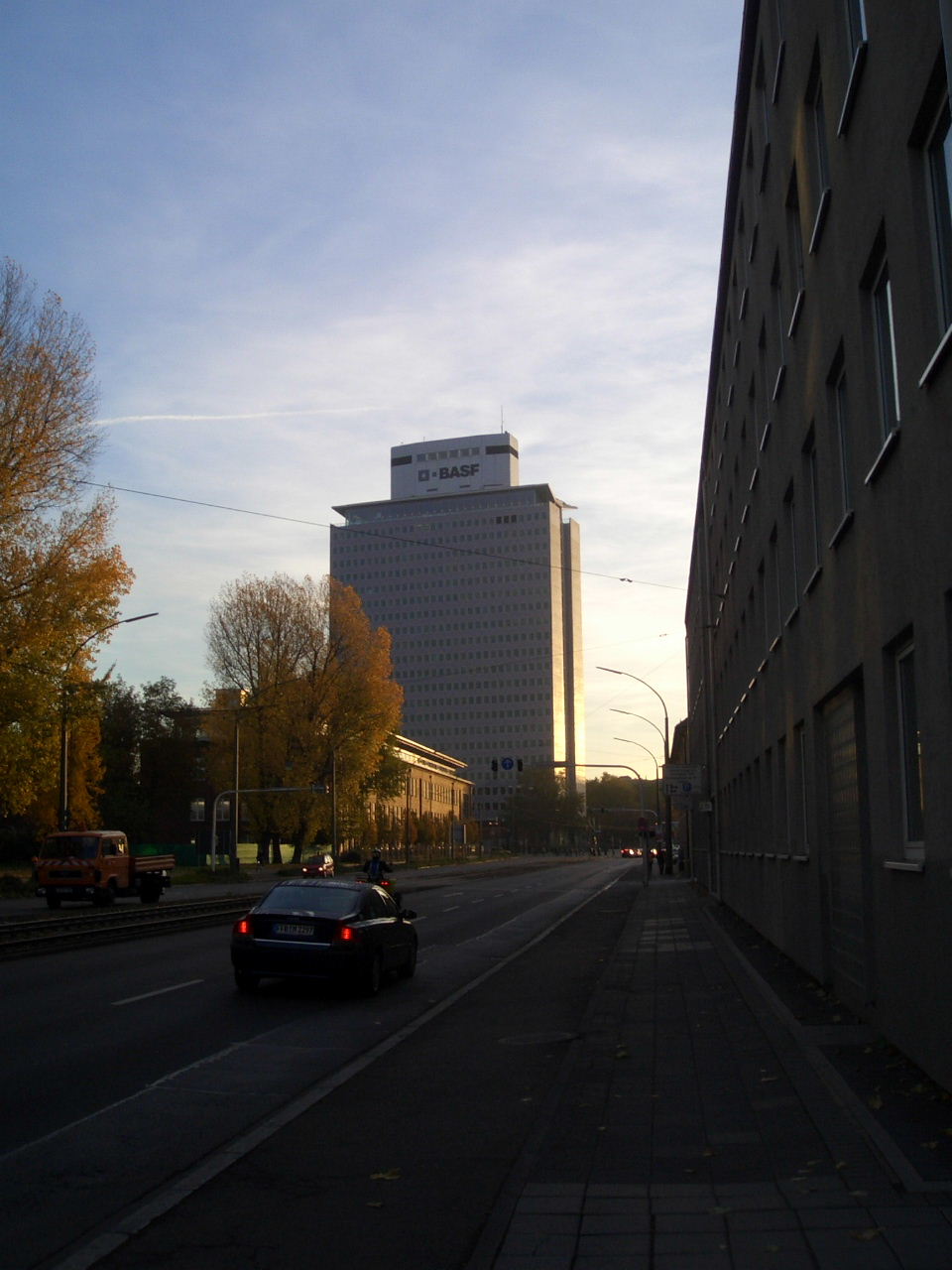
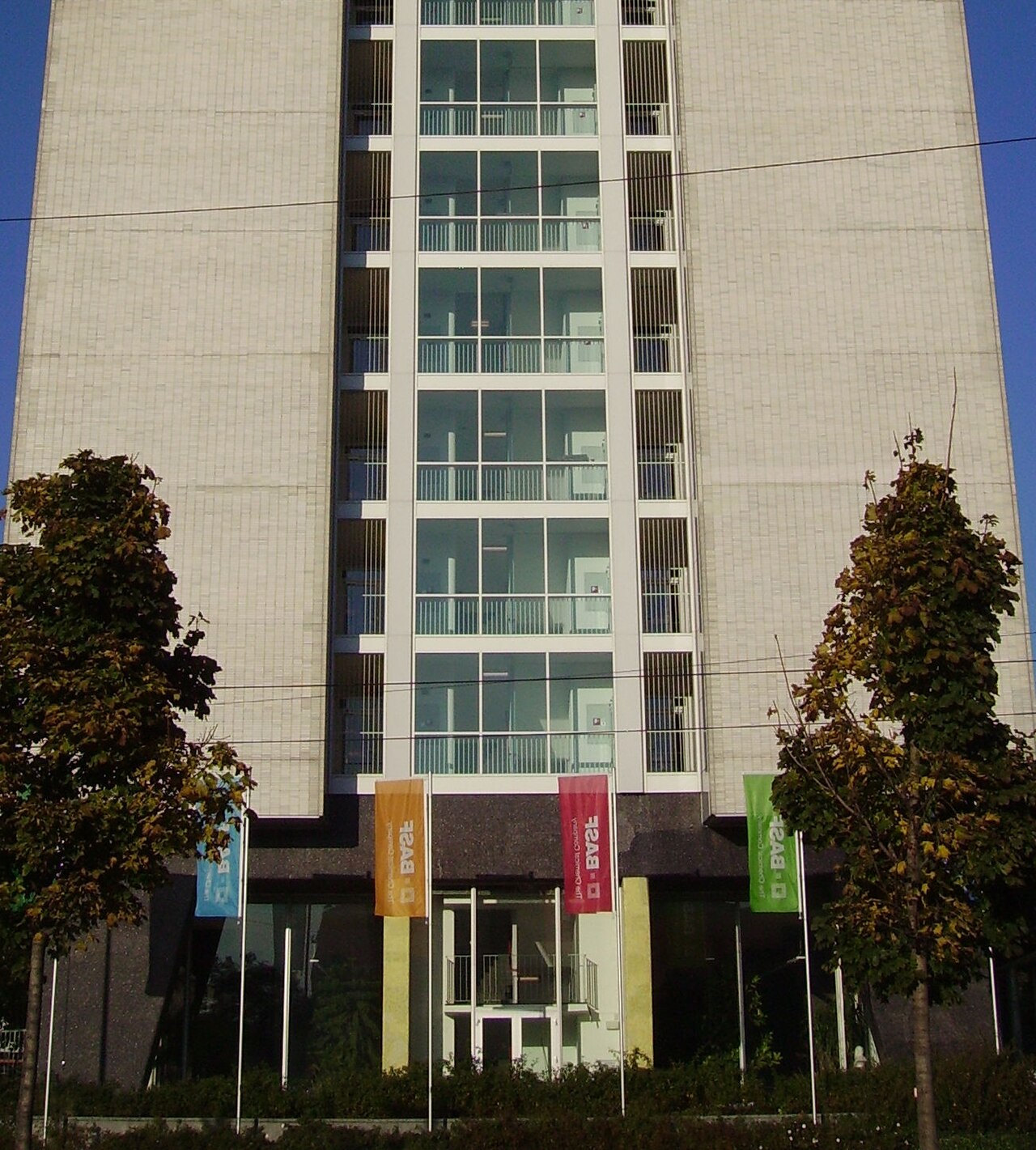
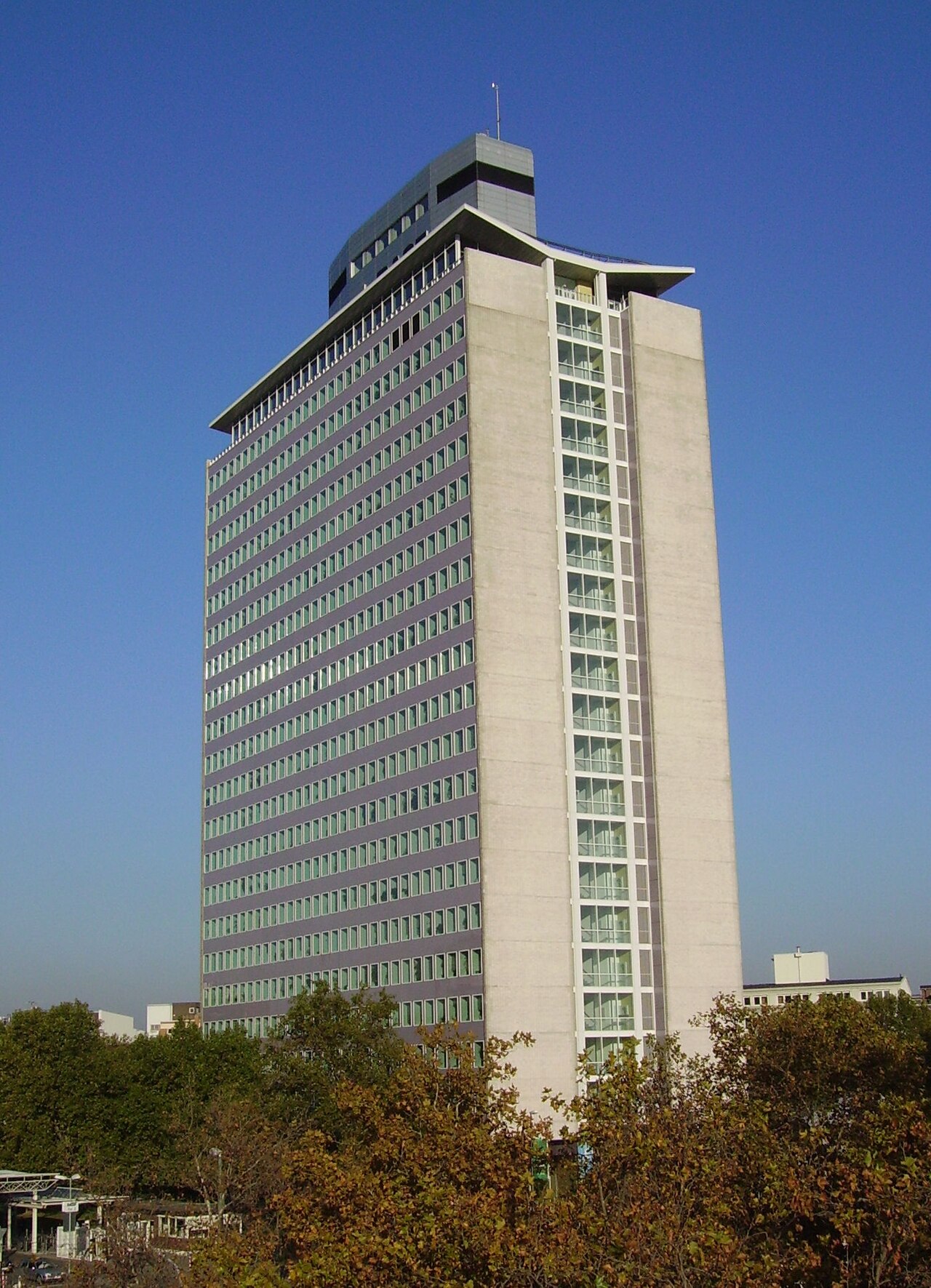
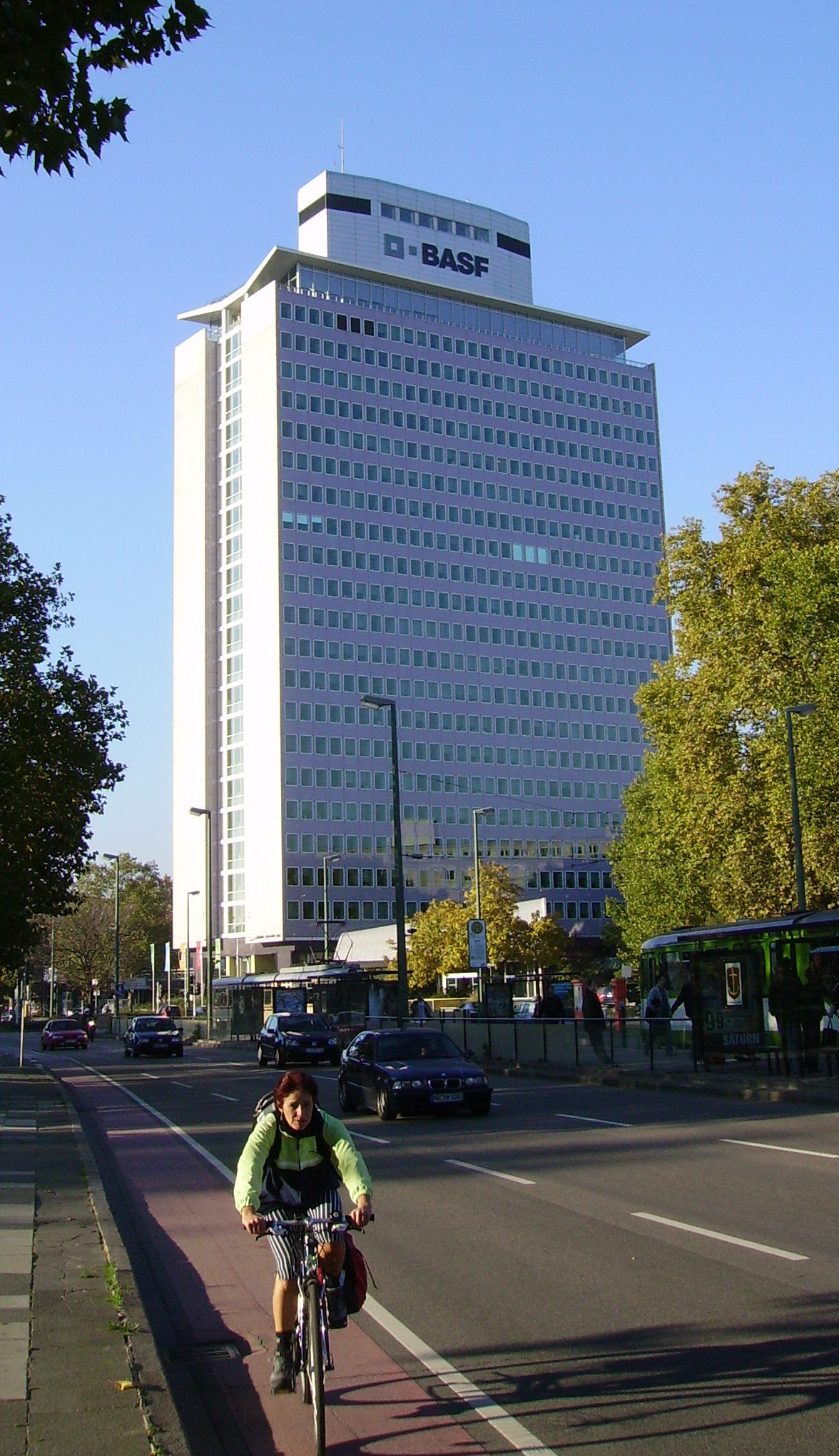
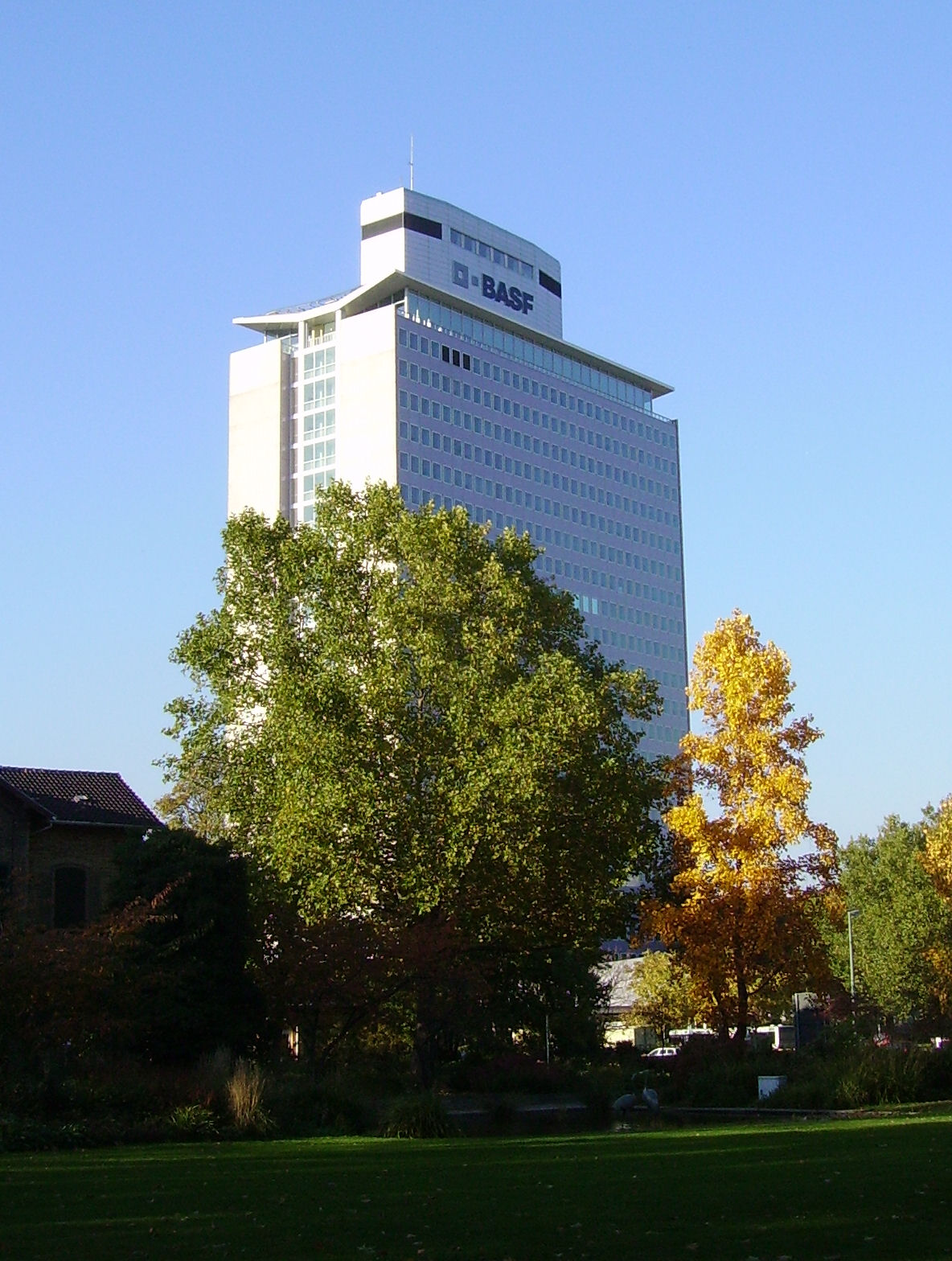
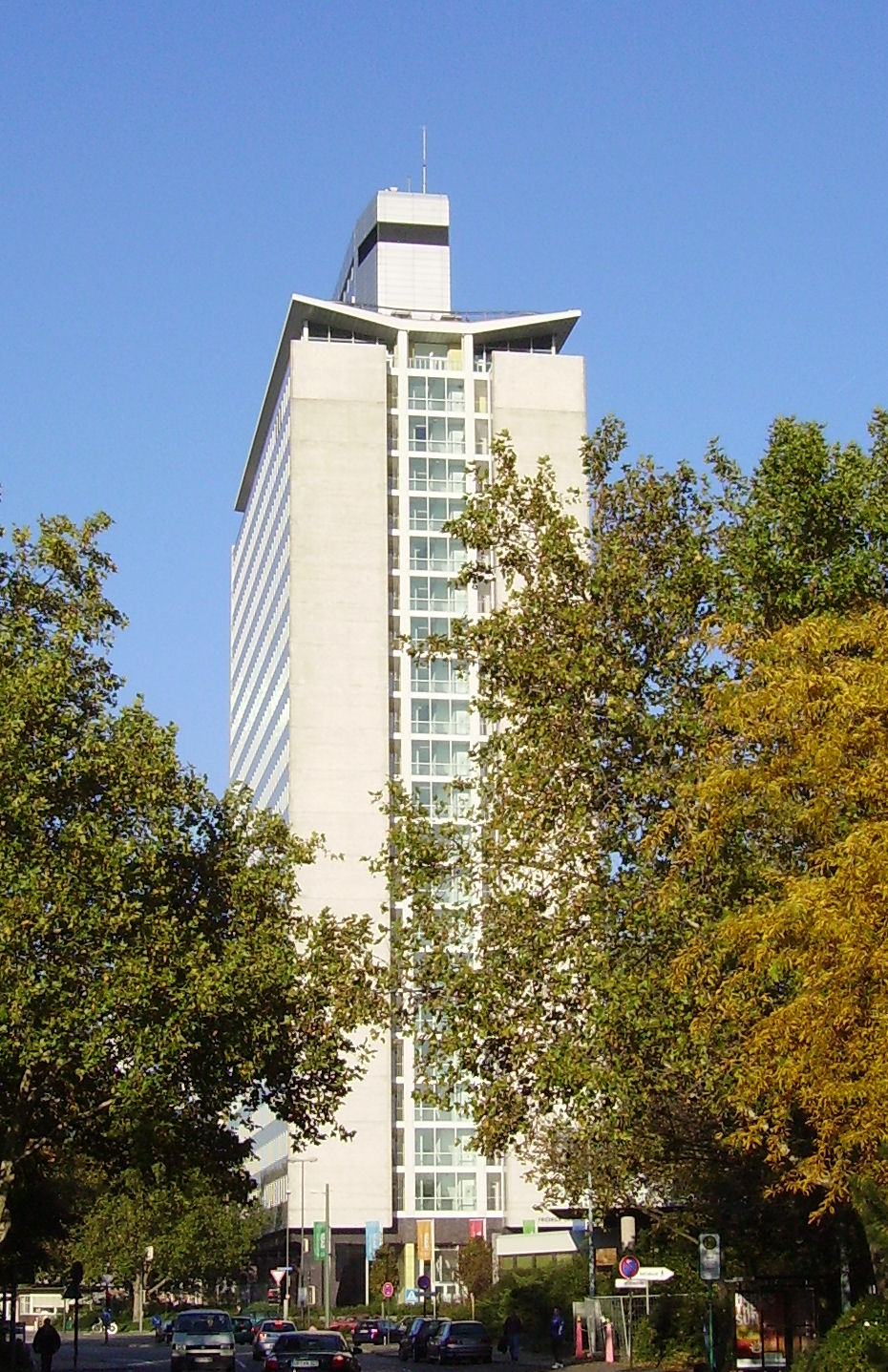
Friedrich Engelhorn's significance lies in his founding of BASF, which grew from a small aniline and dyestuff factory into a major chemical company. His shift from goldsmith to gasworks manager to chemical industrialist illustrates the transformative economic opportunities of the 19th century, particularly the exploitation of coal tar byproducts for synthetic dyes. Engelhorn's early recognition of Perkin's discovery and his ability to secure a site in Ludwigshafen after Mannheim's refusal were pivotal. Under his direction, BASF invested in chemical research, leading to the discovery of alizarin, a breakthrough in synthetic dye production. The company expanded internationally with sales offices in New York (1873), a production site near Moscow (1876), and a factory in France (1878). After leaving BASF in 1885, Engelhorn had already purchased the medical firm Boehringer und Söhne in Mannheim in 1883. His legacy is commemorated by the Engelhorn high-rise, built in 1957 as a landmark of the Ludwigshafen BASF site. Engelhorn's career exemplifies the rise of the German chemical industry and the entrepreneurial drive that turned scientific discoveries into global enterprises.
Did You Know?
- Engelhorn originally trained as a goldsmith and opened a goldsmith's shop in Mannheim in 1847.
- He founded a private gasworks in Mannheim in summer 1848 after the 1848 revolution hurt his goldsmithery business.
- BASF was founded on 6 April 1865, and Engelhorn bought land in Ludwigshafen the day after Mannheim's town council refused to sell.
- In 1883 Engelhorn bought the medical firm Boehringer und Söhne in Mannheim.
Gallery
Frequently Asked Questions
Who is Friedrich Engelhorn?
Friedrich Engelhorn was a German industrialist born in Mannheim in 1821 who is best known for founding the chemical company BASF in Ludwigshafen in 1865. He passed away in Mannheim in 1902.
How did Friedrich Engelhorn start his career?
He left school at just thirteen to begin a three-year goldsmith apprenticeship, then spent several years traveling as a journeyman through cities like Paris, Vienna, and Munich before opening his own goldsmith shop in Mannheim in 1847.
How did Friedrich Engelhorn transition from goldsmithing to industrial chemistry?
After the 1848 revolution damaged his goldsmith trade, he partnered with two others to build a private gasworks producing bottled gas for lighting pubs and workshops. That venture into chemical production set the stage for his later founding of BASF in 1865.
Why is Friedrich Engelhorn important to the history of industry?
He is credited with establishing BASF, which grew into one of the world's largest chemical manufacturers, fundamentally reshaping the German industrial landscape. His shift from small-scale craftsmanship to large-scale chemical manufacturing made him a key figure in 19th-century German economic development.
Where and when was Friedrich Engelhorn born and where did he die?
He was born on 17 July 1821 in Mannheim to a head brewer and pub owner, and he died in the same city on 11 March 1902.
More in Industrialists_And_Business_Pioneers 1-24
Spotted an error? Know more?
Reader corrections go straight into our review queue. Suggest an edit · How this site is sourced