Inuit
Inuit are Indigenous Arctic peoples descended from the Thule culture.

Inuit (singular: Inuk) are a group of culturally and historically similar Indigenous peoples traditionally inhabiting the Arctic and Subarctic regions of North America and Russia, including Greenland, Labrador, Quebec, Nunavut, the Northwest Territories, Yukon (traditionally), and Alaska. They are descendants of the Thule people, who emerged from the Bering Strait and western Alaska around 1000 CE, and displaced the earlier Dorset culture. The Inuit languages are part of the Eskaleut languages. The term 'Inuit' is an ancient self-referential autonym for a large sub-group of these peoples, though related groups such as the Yupik and Aleut generally do not self-identify as Inuit.
Quick Facts
- Group
- Inuit
- Population
- 155,066
- Langs
- Inuit languages and Inuit Sign Language / Non-native European languages: / English / Danish / French
- Rels
- Christianity · Inuit religion
- Related
- Aleut · Yupik · Indigenous people of the Americas · Indigenous people of Siberia
Facts from the source article.
Lore & Background
Inuit are the descendants of the Thule people, who emerged from the Bering Strait and western Alaska around 1000 CE. They spread eastward across the Arctic, displacing the related Dorset culture (called Tuniit in Inuktitut), which was the last major Paleo-Eskimo culture. Inuit legends speak of the Tuniit as 'giants' or 'dwarfs.' Researchers believe Inuit society had advantages by adapting to using dogs as transport animals and developing larger weapons and superior technologies. By 1100 CE, Inuit migrants had reached west Greenland, and during the 12th century, they settled in East Greenland. The Tuniit gradually receded and were thought extinct by about 1400 or 1500, though the Sadlermiut may have been their last remnants, surviving until winter 1902–1903. Genetic analysis in 2012 showed no genetic link between Sadlermiut and Dorset or Tuniit, but earlier mitochondrial DNA research had supported continuity.
Reader's Guide
Inuit are significant as the descendants of the Thule people who successfully adapted to the harsh Arctic environment, displacing earlier Dorset cultures and establishing a widespread presence across Greenland, Canada, and Alaska. Their first European contact was with Norse settlers in Greenland, and later with Basque whalers and Martin Frobisher's 1576 expedition. The arrival of Europeans brought new infectious diseases that caused mass death and social disruption. Inuit society in higher latitudes remained largely isolated during the 19th century, but trade with the Hudson's Bay Company and Moravian missionaries altered their way of life. The term 'Inuit' is now a common autonym, though related Yupik and Aleut peoples generally do not self-identify as Inuit. Their legacy includes a rich oral tradition, adaptation to extreme climates, and ongoing cultural resilience.
Did You Know?
- The Sadlermiut, possibly the last remnants of the Dorset culture, survived until winter 1902–1903 when infectious diseases from European contact led to their extinction.
- Martin Frobisher's 1576 search for the Northwest Passage was the first well-documented contact between Europeans and Inuit.
- The Inuit languages are part of the Eskaleut languages, also known as Inuit-Yupik-Unangan.
Distinct Origins and Arctic Heritage
The Inuit occupy a unique position within the broader tapestry of Indigenous peoples across the Americas. Unlike the vast majority of Native populations on the continent, the Inuit arrived as part of a second, more recent migratory wave that crossed into the Americas several thousand years after the first great movement of peoples. This later arrival is reflected in their genetic and cultural profiles, which show much more recent commonalities with the Indigenous communities of Siberia than with the earlier populations of North and South America. The Inuit are explicitly recognized as culturally and linguistically distinct from other Indigenous groups, sharing this Arctic distinction with the Aleut and Yupik peoples. Despite these differences in origin, language, and cultural expression, the Inuit are nonetheless firmly classified among the Indigenous peoples of the Americas. Their identity is rooted in the Arctic regions of the continent, setting them apart from the hunter-gatherer, agricultural, and urban civilizations that flourished elsewhere in the Western Hemisphere.
The Question of Naming
One of the most persistent challenges facing the Inuit has been the imprecision of the labels applied to them by outside systems. The blanket term "Indian," a misnomer born from Columbus's mistaken belief that he had reached the East Indies, was never designed to encompass the Arctic peoples. In Canada, the related term "First Nations" similarly excludes the Inuit, who are culturally and linguistically separate from the groups that term describes. The older label "Eskimo" is now widely regarded as disrespectful within Canadian society and is rarely used except where a specific individual or community requests it. The preferred collective term, "Indigenous peoples," acknowledges the diversity of these groups without imposing a false unity. Historically, the concept of a single "Indian" identity was codified in law, religion, and politics by colonial powers, yet it was never originally embraced by the myriad distinct peoples it was meant to cover. For the Inuit, maintaining a separate and accurate identity has been essential to resisting the erasure that comes with being lumped into categories that do not reflect their actual heritage.
Legal Recognition in the Canadian Framework
Within Canada's legal architecture, the Inuit hold a clearly defined and protected status. The collective designation "Indigenous peoples in Canada" specifically encompasses three groups: First Nations, Inuit, and the Métis. In formal legal documents, including the Constitution Act of 1982, the term "Aboriginal peoples" serves as a precise term of art that collectively refers to these same three populations. This legal codification distinguishes the Inuit from the broader, often misapplied category of "Indian," a term that Canadian society increasingly views with disfavor because it represents the historical imposition and restriction of Indigenous cultures by the government. The careful legal language reflects an evolving understanding of government-to-Indigenous relationships, where historical terms have been redefined or replaced as they fell out of favor. For the Inuit, this means their rights and identity are anchored in specific constitutional and legislative language rather than in the catch-all terminology that has caused confusion and harm to other Indigenous groups. Their legal standing is distinct, recognized, and separate from both First Nations and Métis identities.
Demographic Presence and Cultural Resilience
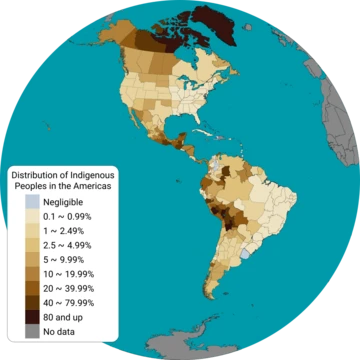
The Inuit's demographic footprint is most striking in Greenland, where Indigenous peoples constitute the clear majority of the population—a remarkable position compared to most of the Americas, where Native communities are typically minorities within their own nations. This majority status underscores the depth of Inuit cultural continuity in the Arctic. Across the broader Indigenous world, there are at least one thousand distinct languages still spoken in the twenty-first century, a testament to the extraordinary linguistic diversity that the Inuit contribute as part of their Arctic heritage. Whether living in rural settlements or urban centers, Indigenous communities, including the Inuit, often maintain core aspects of their cultural practices spanning religion, social organization, and subsistence methods. These cultures are not static; they have evolved over time, preserving traditional customs while adapting to the demands of modern life. Some groups remain relatively isolated from Western influence, while others navigate the intersection of ancient tradition and contemporary society. For the Inuit, this resilience of cultural identity in the face of global change remains a defining feature of their ongoing story.
Frequently Asked Questions
Who are the Inuit?
The Inuit (singular: Inuk) are Indigenous Arctic peoples who have lived across the far northern reaches of North America and Russia for centuries. They form a culturally cohesive group spanning Greenland, Canada, and Alaska, sharing traditions, subsistence practices, and a deep relationship with the polar environment.
Where do Inuit communities live?
Inuit territory stretches from the Bering Strait eastward to the North Atlantic, covering Greenland, Labrador, Quebec, Nunavut, the Northwest Territories, Yukon, Alaska, and parts of northern Russia. Their settlements follow the coastlines and sea-ice routes of the Arctic and Subarctic.
What are Inuit known for?
Inuit are celebrated for their extraordinary Arctic adaptations, including dog-sled transport, advanced hunting technologies, and intricate craftsmanship in stone, bone, and hide. Their generational knowledge of sea ice, wildlife behavior, and seasonal cycles remains central to their cultural identity.
What languages do Inuit speak?
Inuit languages belong to the Eskaleut family, a branch that also includes the Yupik languages of western Alaska. These languages carry rich, specialized vocabulary for snow, ice, marine mammals, and other elements of the polar world.
What is the origin of the Inuit?
The Inuit descend from the Thule people, who emerged from the Bering Strait and western Alaska around 1000 CE. As they expanded eastward over the following centuries, they gradually replaced the earlier Dorset culture across much of the Arctic coast.
More in Indigenous Peoples Of The World 1-24
Spotted an error? Know more?
Reader corrections go straight into our review queue. Suggest an edit · How this site is sourced