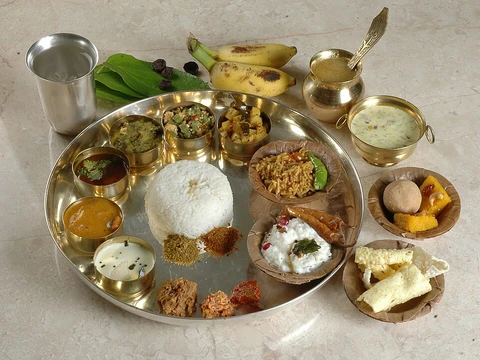
Goan cuisine
Goan cuisine blends Konkani roots with Portuguese and Sultanate influences.
Last updated
Goan cuisine comprises the regional foods of Goa, India, with rice, seafood, coconut, vegetables, meat, bread, pork and local spices as staples. Its origins lie in Konkani cooking, shaped by Portuguese rule and the preceding Sultanate rule. The use of kokum and vinegar is distinctive, and the cuisine is considered incomplete without fish.
Quick Facts
- Staple foods
- Rice and fish
- Common fish varieties
- Kingfish (Visvonn or Isvonn)
- pomfret
- shark
- tuna
- sardines
- mackerel
- Common shellfish
- Crabs
- prawns
- tiger prawns
- lobster
- squid
- mussels
- Introduced by portuguese
- Cashew nuts
- pineapples
- guavas
- potatoes
- tomatoes
- chillies
- bread (pão)
- Distinctive ingredient
- Toddy vinegar (made from fermented coconut sap)
Facts from the source article.
Seafood
Goan cuisine is predominantly seafood-based, with rice and fish as staples. Kingfish (Visvonn or Isvonn) is among the most commonly eaten fish; other varieties include pomfret, shark, tuna, sardines, and mackerel. Shellfish such as crabs, prawns, tiger prawns, lobster, squid, and mussels are also used. Goan Catholic cooking shows strong Portuguese influence, notably through the use of toddy vinegar, made from fermented coconut sap.
Introduction of new foods
The Portuguese introduced cashew nuts, pineapples, guavas, potatoes, tomatoes, and chillies from Latin America to Goa and then to the rest of India. Chillies became a key element of Goan cuisine. The Portuguese also brought pão, a distinctive bread that became integral to the Goan diet, replacing earlier flatbreads like rotis and chappatis. Vinegar, uncommon in traditional Indian cooking, is another Portuguese-introduced ingredient, used in dishes such as sorpotel.
Goan Hindu cuisine
Goan Hindu cuisine is primarily pescetarian and lacto-vegetarian, with mild flavours. Souring comes from tamarind and kokum, and sweetening from jaggery. Spices include asafoetida, fenugreek, curry leaves, mustard, and urad dal; onion and garlic are also used. Vegetables such as lentils, pumpkins, gourds, bamboo shoots, and roots are common, and the cooking medium is coconut oil.
Well-known dishes include humann (fish curry with steamed rice), fried fish, fish suke (a dry spicy fish side dish), fish udid methi (fenugreek and mackerel curry, with a vegetarian version using hog plums), kismur (dried fish with onions and coconut), sungtache dangar (prawn cutlets), kalputi (fish head with onions and coconut), bhaji (fried fritters in chickpea batter), khatkhate, varan (lentil preparation with coconut milk), tondak (beans and cashews), and various sweets like payasu, patoli, madgane, and kheer. Pickles and papads are also common.
Goan Catholic cuisine
Goan Catholic cuisine fuses Goan Hindu and Portuguese cooking styles, using toddy vinegar to add tanginess to meat dishes. Common dishes include ambott tîk (spicy sour fish curry), jeerem-meerem (a spicier, less sour version), balchanv (pickled prawn curry), mol (pickled fish curry), cafreal (a green masala marinade for chicken or fish), canja de galinha (chicken broth with rice and chicken), chamuça (a Goan-Portuguese samosa derivative), choris (spicy pork sausage), croquettes (fried minced beef rolls), feijoada (meat and bean stew), roast beef and beef tongue, ros omelette (omelette in spicy gravy with pão), samarachi koddi (curry with fresh and dried prawns), sanna (spongy rice cake), solantule kodi (coconut milk and kokum curry), sorpotel (spicy pork dish with sannas or pão), vindalho (spicy pork curry, originally from Portuguese 'vinho e alho' marinade, containing no potatoes), and xacuti (curry with roasted coconut and chicken or lamb).
Bread is a key component, of Portuguese origin, often fermented with palm wine (toddy). Local breads include pao (brioche-like), katre pao (square with pointed corners), undo (soft with crust), kankonn (bagel-shaped with holes), and poie (farmhouse bread with airy crumb).
More in Indian Cuisine by State Or Union Territory
Sources
Compiled from Wikipedia and the sources listed below. Text from Wikipedia is available under CC BY-SA 4.0; this entry is adapted from it.
- Wikipedia: Goan cuisine (CC BY-SA 4.0).
Spotted an error? Know more?
Reader corrections go straight into our review queue. Suggest an edit · How this site is sourced