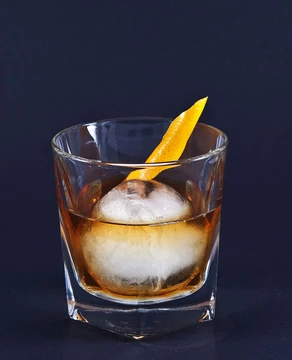
French martini
A fruit-forward cocktail that sparked the flavoured martini craze.

The French Martini is a cocktail made with vodka, raspberry liqueur, and pineapple juice, shaken with ice and strained into a martini or coupe glass. It is sweet and fruity, suitable as an aperitif or digestif, and belongs to the category of modern fruit-based cocktails, despite its name bearing no historical roots in France or direct connection to the classic Martini.
Quick Facts
- Base
- Vodka, raspberry liqueur
- Ingredients
- 45 ml vodka / 15 ml raspberry liqueur / 15 ml fresh pineapple juice
- Served
- Straight up: chilled, without ice
- Garnish
- Squeeze oil from lemon peel onto the drink.
- Prep
- Pour all ingredients into cocktail shaker, shake well with ice, strain into chilled cocktail glass.
- Drinkware
- Cocktail glass
Facts from the source article.
Lore & Background
The French Martini was created in the late 1980s by bartender John C. 'Jock' McGregor at the Balthazar bar in New York City, though some sources attribute it to a bartender at the Royalton Hotel. It gained traction after 1996 when bartender Dale DeGroff added it to the menu of a prominent New York bar. By 1997–1998, the drink appeared in London establishments under the name 'Fresh Fruit Martinis'. In the December 1998 issue of CLASS magazine, editor Simon Difford praised it as a personal favourite. UK distributors of Chambord and Absolut Vodka collaborated with CLASS to feature advertisements starting that December, solidifying its status as a signature drink of the era.
The term 'French' was applied primarily due to the use of French raspberry liqueur during the 1990s, when cocktails were labelled with exotic or geographic identifiers to appeal to aspirational sensibilities. The drink's rise was aided by a broader industry effort to market vodka and liqueur-based cocktails as modern and luxurious. It gained international popularity in the late 1990s and early 2000s, featuring prominently in upscale bars and becoming a key symbol of the 'Martini craze'.
Reader's Guide
The French Martini is widely credited with sparking the flavoured martini trend, inspiring variations such as lychee, watermelon, and apple martinis. Its recipe allows flexibility: common ratios of vodka to liqueur to pineapple juice include 4:2:1, 2:1:3, and 1:1:2. Vigorous shaking for about 20 seconds creates a frothy texture and a soft pink hue. Bartenders may substitute raspberry liqueur with watermelon liqueur or add elements like apple cider. Variations include the Le Frog (with whisky), Mexican martini (with tequila), and Hot Tub (with prosecco). The drink's popularity coincided with a period of rapid transformation in bar culture, where aesthetics, sweetness, and global branding played a role in drink selection. Debates over the Martini's authenticity revealed cultural anxieties, with traditionalists dismissing vodka-based variations as heretical, but the French Martini remained a popular modern creation.
Did You Know?
- It does not contain gin or vermouth, unlike a classic martini.
- Celebrities such as Nicole Kidman, Elizabeth Hurley, and Kim Cattrall publicly drank the French Martini.
More in IBA official cocktails 1-24
Spotted an error? Know more?
Reader corrections go straight into our review queue. Suggest an edit · How this site is sourced