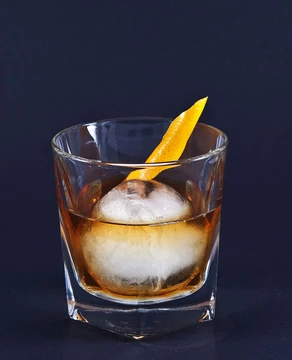
Daiquiri
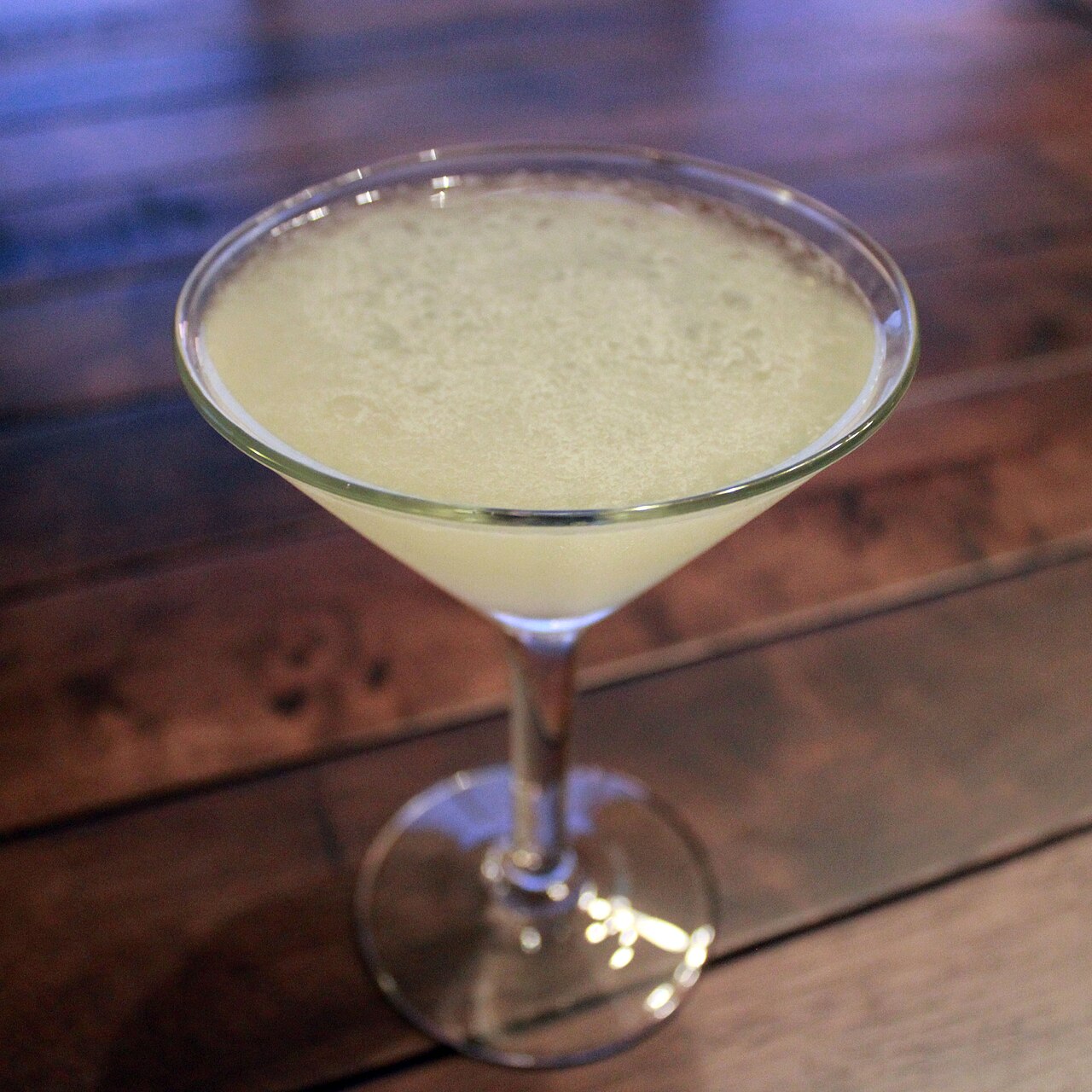
A timeless rum cocktail with lime and sugar.

Aneil Lutchman · CC BY-SA 2.0
The daiquiri is a cocktail built from rum, citrus juice—usually lime—and sugar or another sweetener. It ranks among the six fundamental drinks in David A. Embury’s *The Fine Art of Mixing Drinks*, a book that also notes several variations.
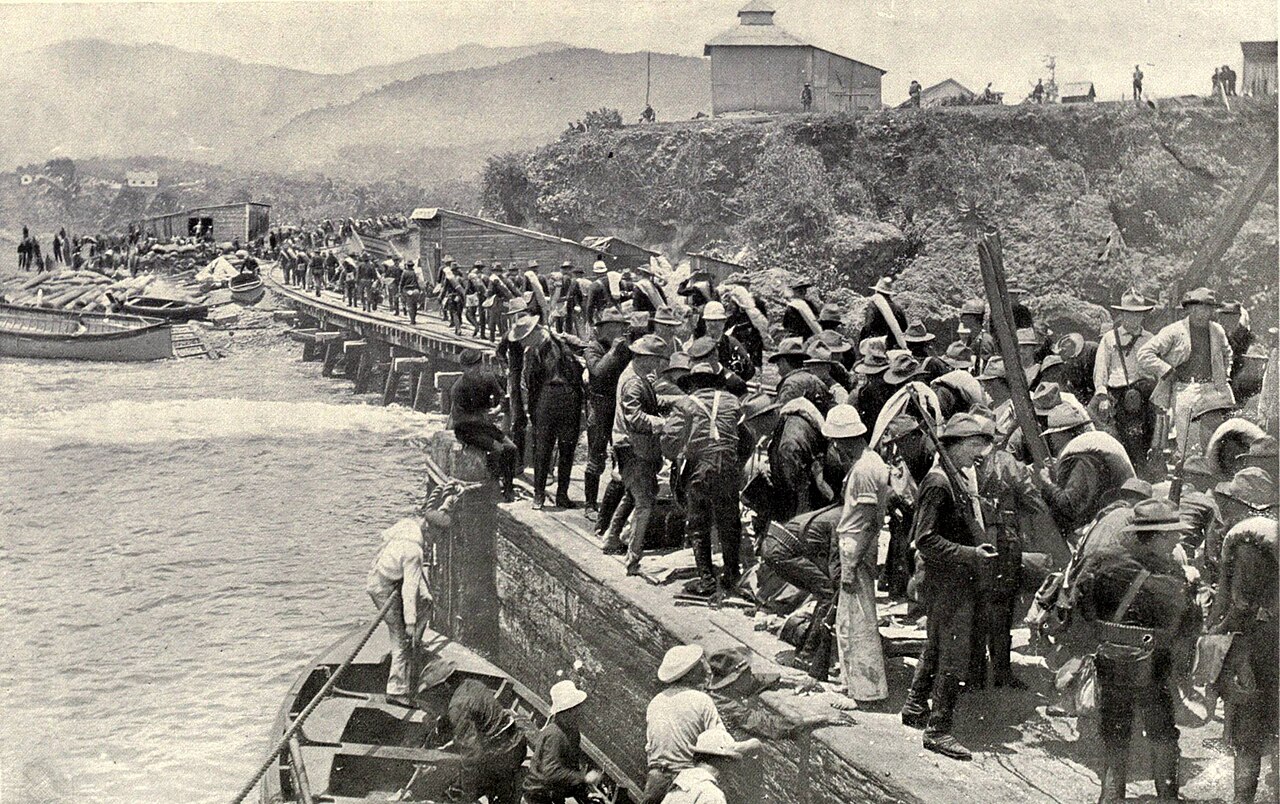
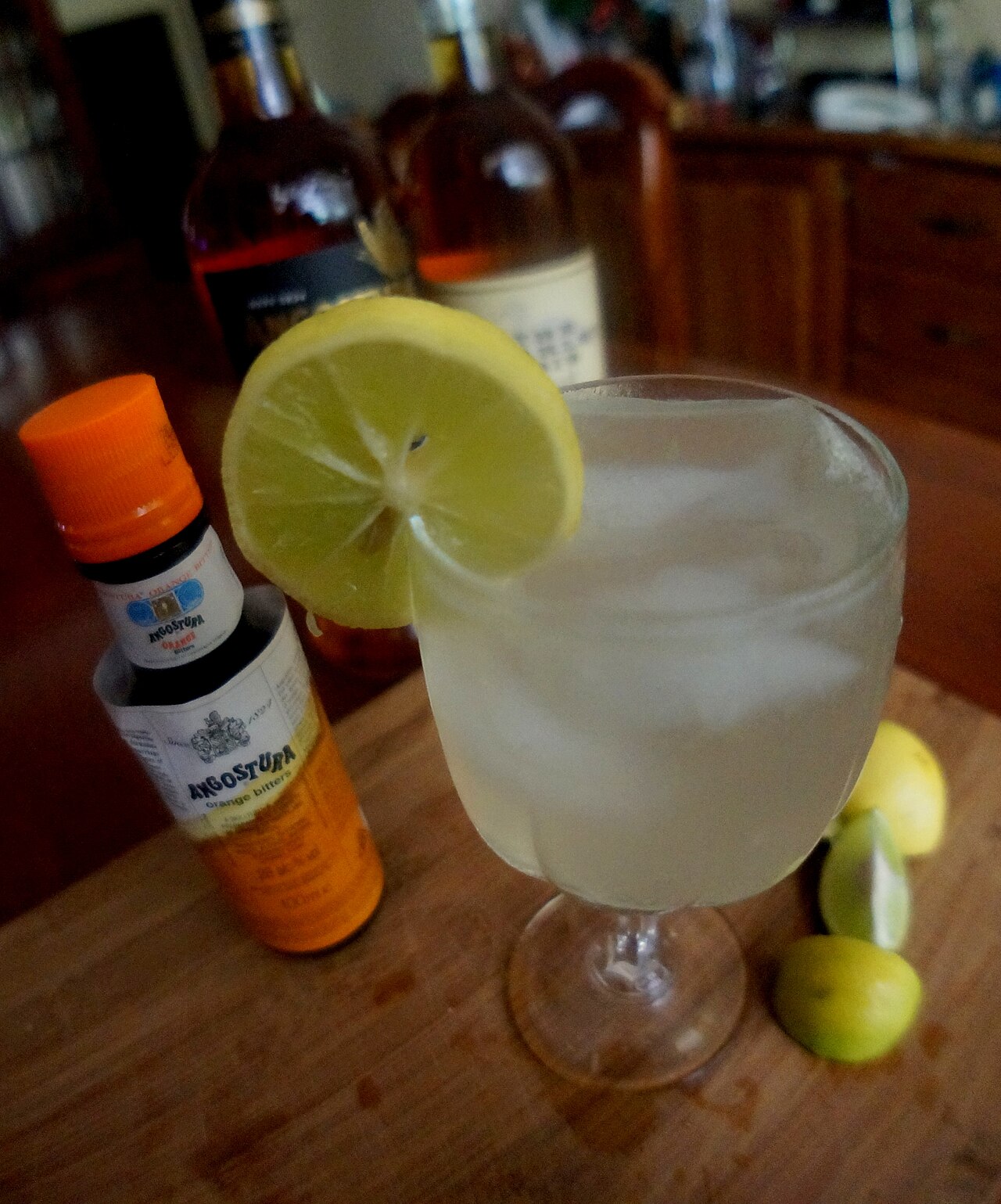
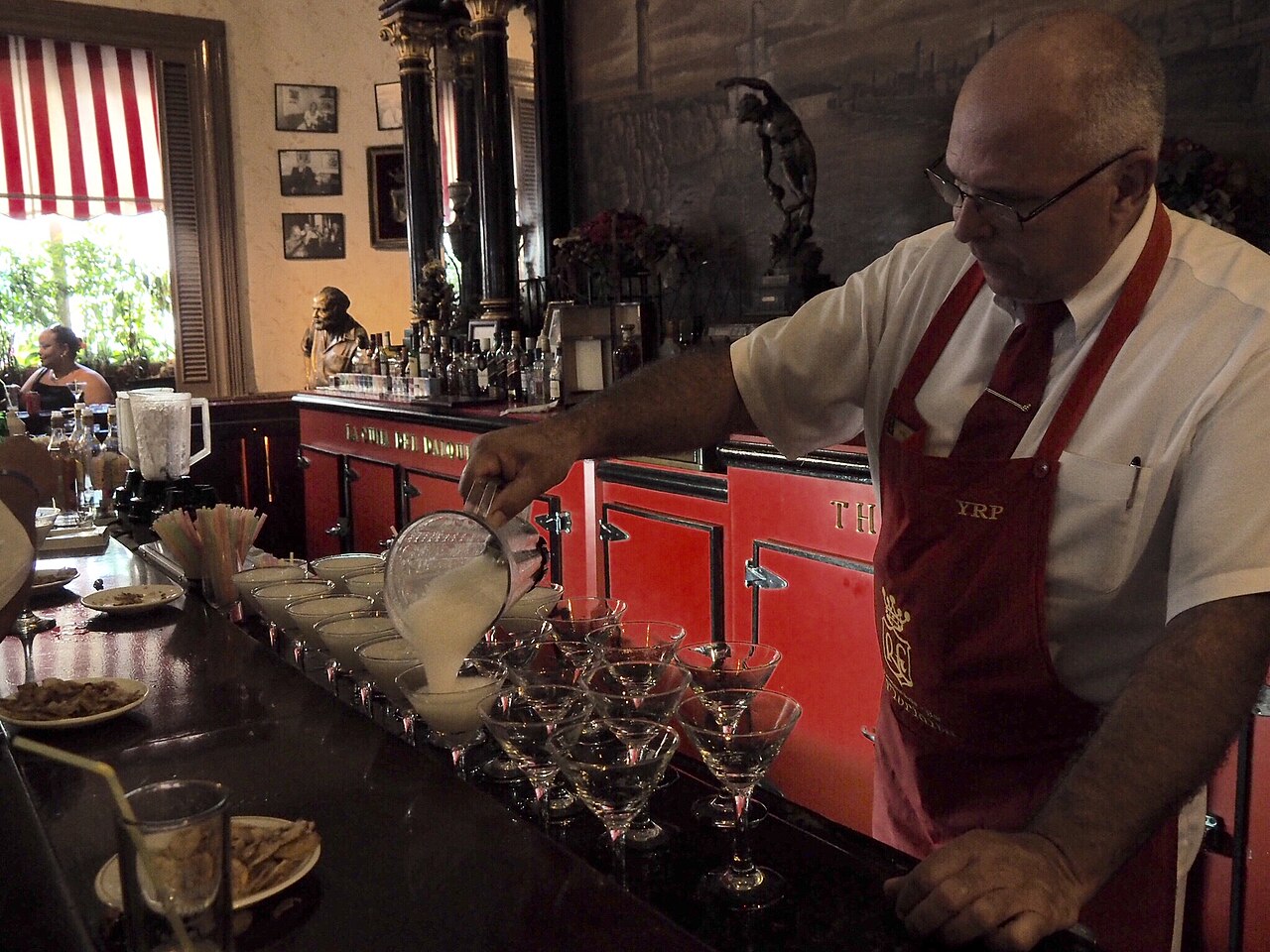
The name comes from a beach and an iron mine near Santiago de Cuba in eastern Cuba, rooted in the Taíno language. Most historians agree the drink was created by Jennings Cox, an American mining engineer in Cuba during the tail end of Spanish rule and the Spanish–American War of 1898. Another possibility is that U.S. congressman William A. Chanler, who bought the Santiago iron mines in 1902, brought the daiquiri to New York clubs that same year. The original version was served in a tall glass packed with cracked ice: a teaspoon of sugar went over the ice, the juice of one or two limes was squeezed on top, and two or three ounces of white rum finished it. The glass was then stirred with a long-handled spoon until frosted. Later, the ingredients were shaken with shaved ice and poured into a chilled coupe glass. Emelio “Maragato” Gonzalez and Constantino “Constante” Ribalaigua Vert in Havana refined and popularized the drink.
The basic recipe resembles the grog British sailors drank aboard ships from the 1780s. By 1795, the Royal Navy’s daily grog ration included rum, water, three-quarters of an ounce of lemon or lime juice, and two ounces of sugar. This was common across the Caribbean, and once ice became available, it replaced the water. The daiquiri stayed mostly local until 1909, when U.S. Navy medical officer Rear Admiral Lucius W. Johnson tried Cox’s drink. He introduced it to the Army and Navy Club in Washington, D.C., and its popularity grew over a few decades. It became a favorite of writer Ernest Hemingway and President John F. Kennedy.
The drink was already well-known in the U.S. by the 1910s–1920s, predating the 1940s and the Good Neighbor policy. Its popularity continued to grow through the mid-20th century, boosted by figures like Hemingway and the rise of cocktail culture.
Quick Facts
- Ingredients
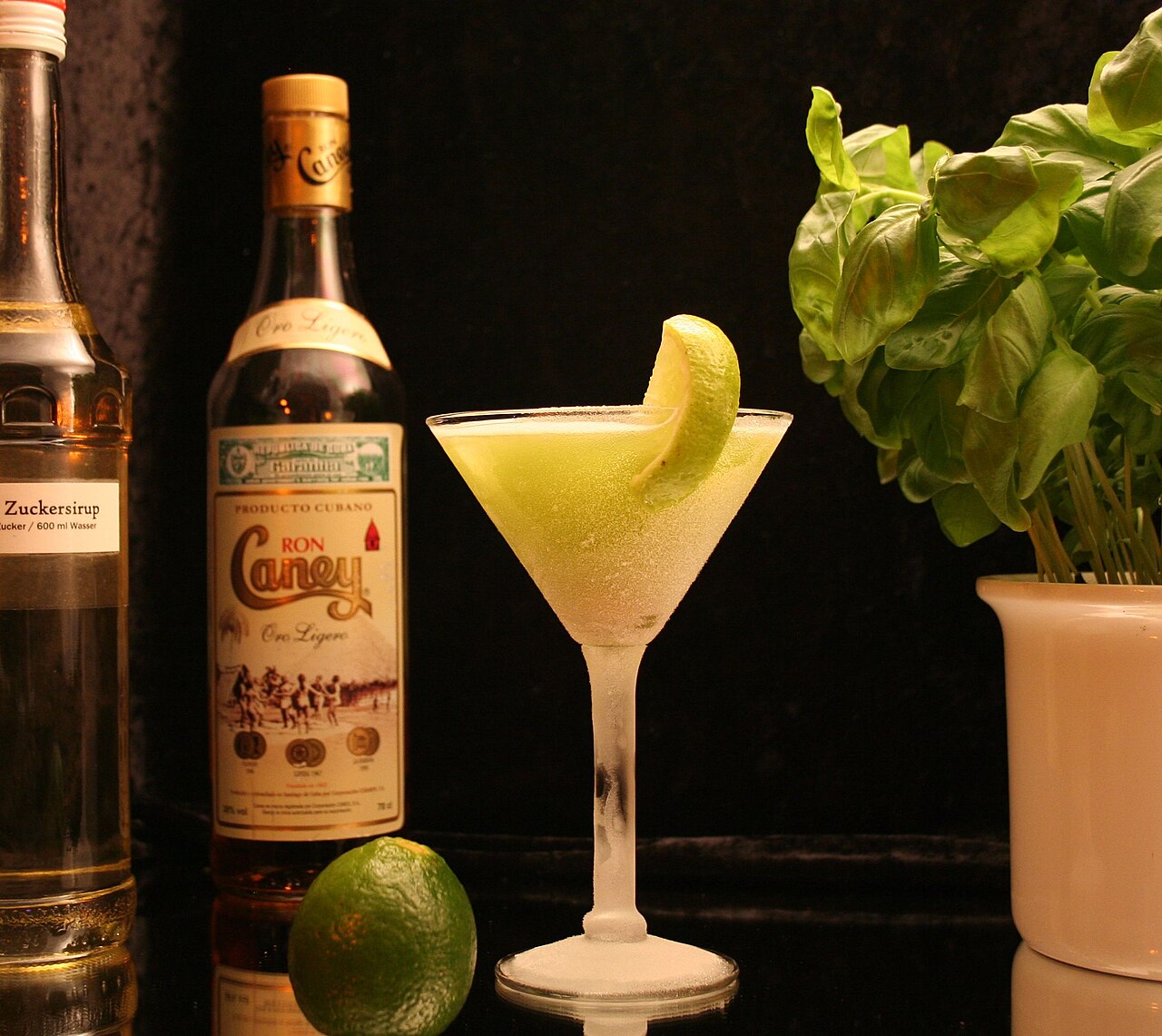
- 60 ml white Cuban rum / 20 ml fresh lime juice / 2 bar spoons superfine sugar
- Served
- Straight up: chilled, without ice
- Prep
- In a cocktail shaker add all ingredients. Stir well to dissolve the sugar. Add ice and shake. Strain into chilled cocktail glass.
- Drinkware
- Cocktail glass
Facts from the source article.
Lore & Background
Historians widely agree that the daiquiri was invented by an American mining engineer named Jennings Cox, who was in Cuba at the time of the Spanish–American War of 1898. It is also possible that William A. Chanler, a US congressman who purchased the Santiago iron mines in 1902, introduced the daiquiri to clubs in New York in that year. Originally the drink was served in a tall glass packed with cracked ice, with sugar, lime juice, and white rum, then frosted with a long-handled spoon. Later it evolved to be mixed in a shaker with shaved ice and poured into a chilled coupe glass. The daiquiri was subsequently refined and popularized by Emelio “Maragato” Gonzalez and Constantino “Constante” Ribalaigua Vert in Havana.
Reader's Guide
The daiquiri is significant as one of the six basic drinks in David A. Embury's classic The Fine Art of Mixing Drinks, and its basic recipe is similar to the grog British sailors drank aboard ships from the 1780s. Consumption remained localized until 1909, when Rear Admiral Lucius W. Johnson tried Cox's drink and introduced it to the Army and Navy Club in Washington, D.C., leading to increased popularity over a few decades. The drink became especially popular in the 1940s, when World War II rationing made whiskey and vodka hard to come by, but rum was easily obtainable due to U.S. President Franklin D. Roosevelt's Good Neighbor policy, which opened up trade and travel relations with Latin America, Cuba, and the Caribbean. This policy helped make Latin America fashionable, and rum-based drinks, once frowned upon, became fashionable as well. The daiquiri has numerous variations, including the Hemingway daiquiri, Mulata daiquiri, Old Rose daiquiri, Royal Bermuda Yacht Club, and frozen daiquiri variants such as banana and strawberry daiquiri. Its legacy is tied to its simplicity, historical roots in Cuba, and enduring popularity in American cocktail culture.
Did You Know?
- The daiquiri is named after a beach and an iron mine near Santiago de Cuba, and the word is of Taíno origin.
- The daiquiri was one of the favorite drinks of writer Ernest Hemingway and U.S. President John F. Kennedy.
- The drink became popular in the 1940s due to the Good Neighbor policy, which made rum easily obtainable.
Recognition as an IBA Official Cocktail
The Daiquiri holds a distinguished position within the International Bartenders Association's official cocktail list, a collection that identifies the most requested recipes in the world of mixology. This recognition places the drink among a curated selection of beverages that bartenders and patrons alike consistently seek out. The IBA list, which began its development in 1960 and saw its first version announced in 1961 with 50 cocktails, has undergone periodic revisions over the decades. As of 2026, it encompasses 102 cocktails organized into three categories. The Daiquiri's continued presence on this list, despite the expansion from 50 to 102 entries, speaks to its enduring popularity and its status as a foundational drink in the cocktail world. Its inclusion is not a novelty or a passing trend but a testament to sustained demand across generations of bartenders and drinkers who keep reaching for it.
Composition and the Elegance of Simplicity
The Daiquiri's recipe, as documented in the IBA's official list, is deceptively straightforward: rum, citrus juice (typically lime juice), and sugar or other sweetener. In a landscape where many cocktails on the same list call for five, six, or even seven distinct ingredients—think of the Ramos Fizz with its gin, two citrus juices, egg white, sugar, cream, orange flower water, and soda water—the Daiquiri stands out for its restraint. Three components, each playing a clear and essential role: the spirit provides the backbone, the citrus delivers brightness and acidity, and the sweetener rounds the overall profile. The IBA's phrasing of "citrus juice (typically lime juice)" and "sugar or other sweetener" also acknowledges that while the classic formulation centers on lime and sugar, the recipe permits variation. This flexibility within a tight framework is what has allowed the Daiquiri to remain both recognizable and adaptable across decades of service.
The Unforgettables Category
Within the IBA's three-category structure—The Unforgettables, Contemporary Classics, and New Era Drinks—the Daiquiri is classified among The Unforgettables, a group of 34 cocktails that represent the most historically established and widely recognized drinks in the canon. This category sits alongside the Manhattan, the Negroni, the Old Fashioned, the Sazerac, and the Whiskey Sour, among others. The naming itself suggests a tier of permanence: these are not drinks that came and went with a particular era's fashion but rather beverages that have maintained their relevance across the full span of the IBA list's existence since 1961. The Daiquiri's placement in this group, rather than in Contemporary Classics or New Era Drinks, signals that the IBA regards it as a foundational pillar of cocktail culture—a drink whose identity is so well-established that it requires no contemporary reimagining to justify its continued presence.
Endurance Through the List's Evolution
The IBA official cocktail list began as a 50-drink collection announced in 1961, the product of a development process that started in 1960. Over the subsequent decades, the list underwent periodic revisions, growing to its current form of 102 cocktails as of 2026. The Daiquiri's continued inclusion through every iteration of this expansion is notable. While the list more than doubled in size, absorbing new categories like Contemporary Classics and New Era Drinks, the Daiquiri remained anchored in the original tier of The Unforgettables. This suggests that the drink was not merely a product of 1960s cocktail culture but was already regarded as a timeless standard when the IBA first compiled its registry. Its survival through multiple rounds of revision—where other entries may have been added, removed, or reclassified—underscores a level of institutional recognition that few cocktails can claim. The Daiquiri is, in the IBA's framework, as permanent as the list itself.
Gallery
More in IBA official cocktails 1-24
Spotted an error? Know more?
Reader corrections go straight into our review queue. Suggest an edit · How this site is sourced