
General Beauregard Lee
Groundhog Day prognosticator for the Southern United States.

Teemu008 · CC BY-SA 2.0
General Beauregard Lee, a groundhog from Georgia, is recognized as the main Groundhog Day weather forecaster for the Southern United States. He took over from General Robert E. Lee, who began issuing predictions in 1981 and was named after the Confederate general. Beauregard Lee first appeared on national television in 1991. For 27 years, he lived at the Yellow River Game Ranch in Gwinnett County, Georgia, until the ranch closed without warning in December 2017. After that, he moved to the Dauset Trails Nature Center in Jackson, Georgia, to keep up the tradition. His home, a groundhog-sized mansion built in an antebellum style, is called Weathering Heights.
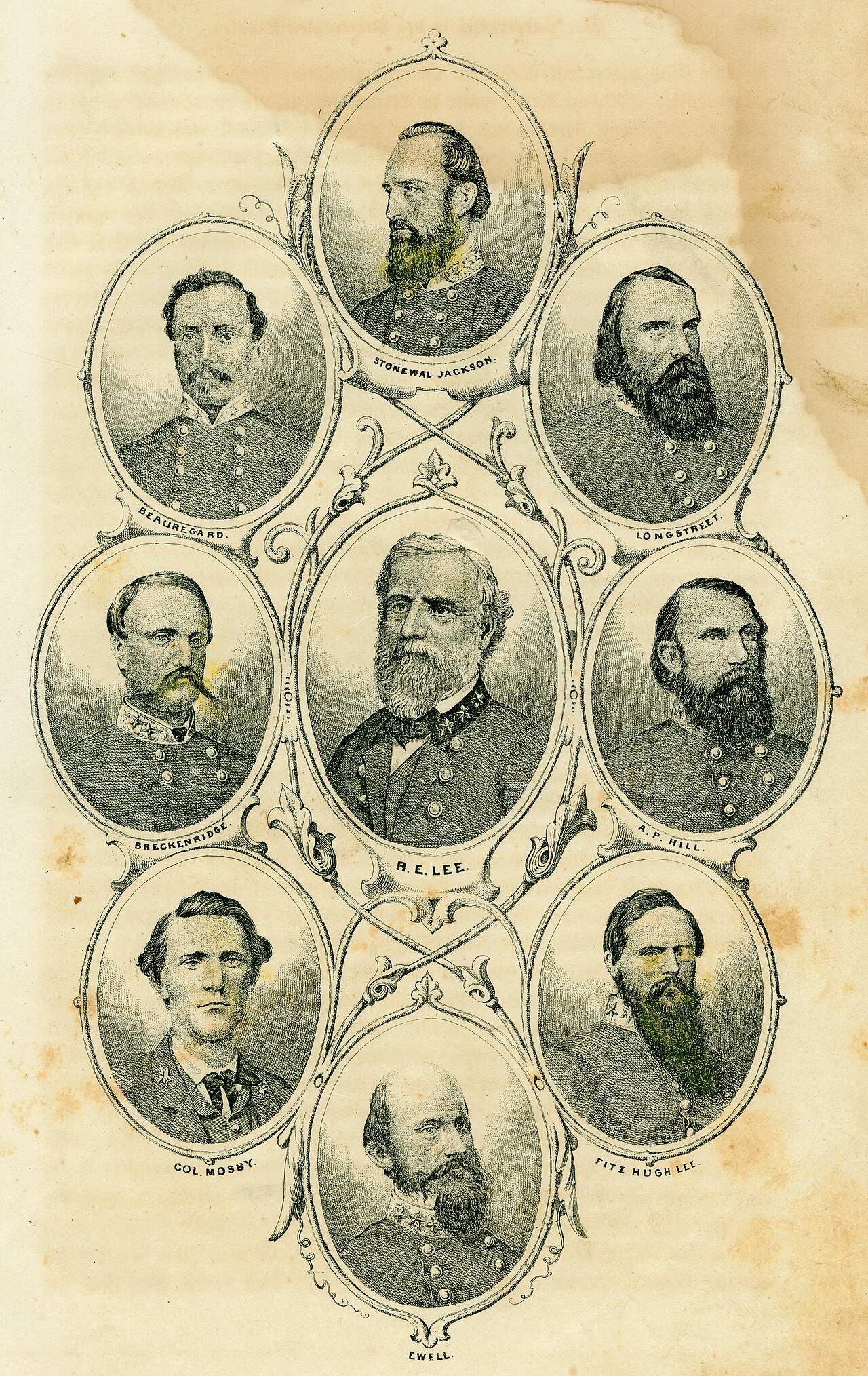
The first General Lee (1981–1991) was said to have correctly forecast the weather nine out of ten times between 1981 and 1990. He retired in 1991 because he had grown too old and too heavy. A commemorative marker was placed at Yellow River Game Ranch in February 1991 to celebrate his retirement. General Beauregard Lee, born in 1990 and a distant relative of the earlier groundhog, was named in honor of Generals P. G. T. Beauregard and Robert E. Lee. In 1991, he shared the role of prognosticator with General Robert E. Lee at the ranch, and the following year he took over solo. His 1993 prediction was considered a miss because of the blizzard that struck the South that year.
- Born
- 1990
- Field
- Groundhog Day weather prognostication
- Nationality
- American (Southern United States)
- Known for
- Serving as the Groundhog Day weather prognosticator for the Southern United States
Lore & Background
General Beauregard Lee was born in 1990 and was a distant relation of the previous General Lee. His namesake is an homage to Generals P. G. T. Beauregard and Robert E. Lee. In 1991, he and General Robert E. Lee shared the role of groundhog prognosticator at Yellow River Game Ranch in Gwinnett County, Georgia, and the next year Beauregard Lee had his first solo role. He was considered to have gotten the prediction for 1993 wrong due to the blizzard that hit the South that year.
General Beauregard Lee resided at Yellow River Game Ranch for 27 years until the ranch suddenly closed in December 2017. He was then relocated to Dauset Trails Nature Center in Jackson, Georgia, to carry on his weather-predicting tradition. His first nationally televised appearance was in 1991. The groundhog-sized ante-bellum style mansion that General Lee lives in is known as Weathering Heights.
Reader's Guide
General Beauregard Lee holds a significant place in American folk tradition as the primary Groundhog Day weather prognosticator for the Southern United States. His role continues a lineage of groundhog forecasting that began with General Robert E. Lee in 1981. In 2025, the National Oceanic and Atmospheric Administration calculated General Lee to be more accurate than Punxsutawney Phil, boasting an 80% accurate rate compared to Phil's 35%. This statistic underscores his credibility and the regional pride associated with his predictions. His relocation from Yellow River Game Ranch to Dauset Trails Nature Center after the ranch's sudden closure in December 2017 ensured the continuation of this tradition. The groundhog's ante-bellum style mansion, Weathering Heights, adds a whimsical element to his legacy. General Beauregard Lee's enduring presence highlights the cultural importance of Groundhog Day in the Southern United States and the unique role of animal prognosticators in American folklore.
The Southern Prognosticator
General Beauregard Lee holds a unique place in American folk meteorology as the groundhog most widely recognized for forecasting winter's end across the Southern United States. Unlike the more nationally famous Punxsutawney Phil, this Georgia-based prognosticator built his reputation on regional identity and a distinctive naming tradition rooted in antebellum military history. His predecessor, General Robert E. Lee, began making public weather predictions in 1981, establishing the role that Beauregard Lee would inherit. The current groundhog, born in 1990, first appeared on national television in 1988, bringing Southern Groundhog Day culture into living rooms across the country. By 2025, the National Oceanic and Atmospheric Administration had calculated that General Lee's predictions carried an 80 percent accuracy rate, dramatically outperforming Phil's 35 percent figure. This statistical edge, combined with his long tenure in the role, cemented his status as the South's premier weather oracle.
A Distinguished Lineage
The tradition of naming Georgia's groundhog prognosticators after Confederate generals stretches back to 1981, when General Robert E. Lee first took the stage. That original forecaster earned a remarkable track record, correctly predicting the weather nine times out of ten between 1981 and 1990. His retirement in 1991, attributed to advancing age and excess weight, prompted the installation of a commemorative marker at Yellow River Game Ranch in February of that year. The successor, born in 1990, was a distant relation of his predecessor and carried a dual homage in his name, honoring both P. G. T. Beauregard and Robert E. Lee. In 1991, the two groundhogs shared the forecasting duties at the ranch, and by 1992 Beauregard Lee assumed the role solo. His tenure was not without missteps; the severe blizzard that struck the South in 1993 rendered his prediction for that year incorrect, a rare blemish on an otherwise distinguished record.
Weathering Heights and Beyond
For twenty-seven years, General Beauregard Lee called Yellow River Game Ranch in Gwinnett County, Georgia, his home. The ranch provided a familiar, rural setting for the annual Groundhog Day spectacle, and it was there that the groundhog lived in a charmingly named residence called Weathering Heights, a groundhog-sized mansion styled in the antebellum architectural tradition. That era came to an abrupt end in December 2017 when the ranch suddenly closed its doors. Rather than letting the forecasting tradition fade with the venue, General Lee was relocated to Dauset Trails Nature Center in Jackson, Georgia. This move ensured that the Southern weather-predicting ceremony would continue uninterrupted, even as the physical landscape of his career shifted. The transition from a game ranch to a nature center also subtly reframed his public image, aligning him more closely with conservation and the natural world rather than the commercial entertainment that had characterized his earlier years.
Cultural Footprint and Recognition
General Beauregard Lee's influence extends well beyond a single annual event. His 80 percent accuracy rating, as calculated by NOAA in 2025, gave the Southern tradition a level of statistical credibility that his Pennsylvania counterpart, Punxsutawney Phil, has not matched at 35 percent. This comparison has elevated the Georgia groundhog from a regional curiosity to a nationally discussed figure in the world of folk meteorology. The naming convention itself, drawing on the legacy of Confederate generals, adds a layer of historical and cultural resonance that distinguishes the Southern tradition from other Groundhog Day observances. The story has also been documented in print, including a book titled Groundhog Day by Don Yoder, and the commemorative marker erected for the first General Lee in 1991 stands as a physical testament to the tradition's longevity. Together, these elements form a rich cultural tapestry that continues to draw attention each February.
Gallery
Frequently Asked Questions
Who is General Beauregard Lee?
General Beauregard Lee is a groundhog from Georgia who holds the title of the primary Groundhog Day weather forecaster for the Southern United States. He assumed the role after General Robert E. Lee, the earlier prognosticator who had been making predictions since 1981.
What is General Beauregard Lee's role in Groundhog Day tradition?
He serves as the official weather prognosticator specifically for the Southern United States, delivering his annual February 2nd prediction to audiences across the region. His position distinguishes him from other regional groundhog forecasters by anchoring the tradition to the South.
How did General Beauregard Lee's living situation change in 2017?
After spending 27 years at the Yellow River Game Ranch in Gwinnett County, Georgia, he was displaced when the ranch shut down without notice in December 2017. He subsequently relocated to the Dauset Trails Nature Center in Jackson, Georgia, where he continues to reside and carry on the forecasting tradition.
When did General Beauregard Lee first appear on national television?
He debuted on national TV in 1991, just one year after his birth in 1990. That broadcast marked his introduction to a wider audience beyond the local Georgia community.
Why is General Beauregard Lee important to the Groundhog Day legacy in the South?
He preserves a direct line of Southern prognostication that stretches back to General Robert E. Lee, who began issuing predictions in 1981 and was named after the Confederate general. By continuing the role, Beauregard Lee keeps a distinctly Southern branch of the broader Groundhog Day custom alive.
More in Holiday characters 1-24
Spotted an error? Know more?
Reader corrections go straight into our review queue. Suggest an edit · How this site is sourced