
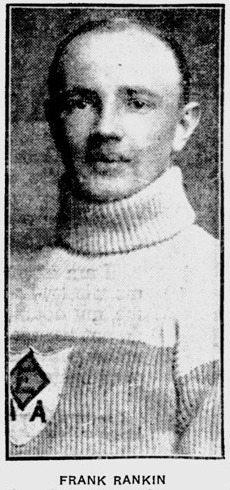
Frank Rankin
Canadian ice hockey player and Olympic gold medal coach.

Carroll Watson Rankin · Public domain
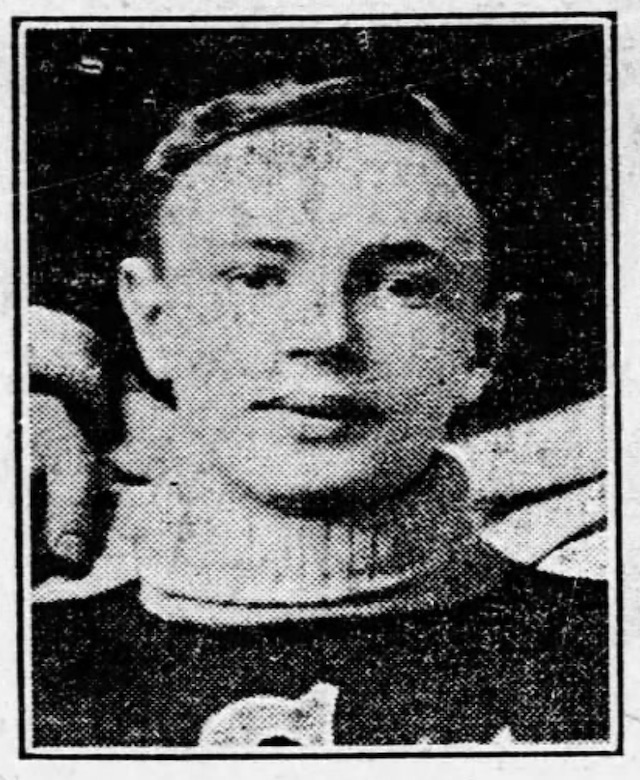
Frank Gilchrist Rankin (April 1, 1891 – July 23, 1932) was a Canadian ice hockey player and coach. On the ice, he served as a rover for the Toronto Eaton's and the Toronto St. Michael's Majors in senior-level hockey from 1910 to 1914. His most notable achievement came behind the bench, where he guided the Toronto Granites to Canada's gold medal at the 1924 Winter Olympics. Born in Stratford, Ontario, Rankin was one of ten children. He began playing junior hockey for his hometown's Stratford team in the Ontario Hockey Association in 1904, alongside his brother Jimmy. After moving to Toronto, he spent two seasons with the Eaton's, netting 21 goals in ten games, then three seasons with St. Michael's Majors. During the 1914–15 season, a severe facial cut led to blood poisoning and a hospital stay, prompting his retirement from playing. Despite offers from professional clubs—including more than $2,000 to finish the 1912–13 season with the Toronto Blueshirts of the National Hockey Association—Rankin remained an amateur. As a coach, Rankin led the Toronto Granites to Allan Cup titles in 1922 and 1923. Their 1923 victory earned them the right to represent Canada at the 1924 Winter Olympics, where they won all six games to claim the gold medal. Rankin was conscripted into the Canadian military on November 2, 1918, but the armistice nine days later meant he never saw active service. He died in 1932 in Stratford from blood poisoning. Frank Rankin was inducted into the Hockey Hall of Fame as a player in 1961.
Quick Facts
- Halloffame
- 1961
- Birth Date
- 1891-04-01
- Birth Place
- Stratford, Ontario, Canada
- Death Date
- 1932-07-23
- Height Ft
- 5
- Weight Lb
- 145
- Position
- Rover
- Shoots
- Right
- Played For
- Toronto Eaton's / Toronto St. Michael's Majors
- Career Start
- 1904
- Career End
- 1915
Facts from the source article.
Lore & Background
Rankin was one of ten children born to Mr. and Mrs. Joseph Rankin of Stratford, Ontario. He had seven brothers and two sisters. He was conscripted into the Canadian military on November 2, 1918 for the First World War, but an armistice was signed on November 11 so he did not actively serve. He died in 1932 in his hometown of Stratford from blood poisoning. Rankin played junior hockey in Stratford with the Ontario Hockey Association from 1904 until 1910. He then moved to Toronto and played senior hockey with the Toronto Eaton's, scoring 21 goals in ten games over two seasons. He later joined the senior Toronto St. Michael's Majors, where in 1912 he scored 20 goals in five games. During the 1914–15 season, while playing for St. Michael's, Rankin was seriously cut in the face and suffered blood poisoning, which required hospitalization. He retired from playing shortly after. While an amateur player in the OHA, Rankin was highly sought after by professional ranks and was said to have been offered over $2,000 to finish the 1912–13 season with the Toronto Blueshirts of the National Hockey Association, but eventually stayed in the amateur ranks. He became coach of the Toronto Granites, leading them to the Allan Cup championship in 1922 and 1923. For winning the Cup in 1923, the Granites were selected to represent Canada at the 1924 Winter Olympics, where they won six consecutive games to take the gold medal.
Reader's Guide
Frank Rankin is notable primarily for his role as coach of the Toronto Granites, who won the gold medal for Canada at the 1924 Winter Olympics. The team earned this opportunity by winning the Allan Cup in 1923 under his leadership, having also won the Allan Cup in 1922. As a player, Rankin was a rover in senior hockey for the Toronto Eaton's and Toronto St. Michael's Majors between 1910 and 1914. His playing career was cut short after a serious facial cut led to blood poisoning in the 1914–15 season. Despite offers from professional hockey—reportedly over $2,000 to join the Toronto Blueshirts in 1912–13—he remained an amateur. His legacy is recognized by his induction into the Hockey Hall of Fame as a player in 1961. The article does not provide further details on his coaching methods or broader impact beyond these achievements.
Did You Know?
- He was conscripted into the Canadian military on November 2, 1918, but did not serve due to the armistice on November 11.
- As a player, he scored 20 goals in five games for Toronto St. Michael's Majors in 1912.
Gallery

Frequently Asked Questions
Who is Frank Rankin?
Frank Gilchrist Rankin was a Canadian ice hockey figure known both as a rover on the senior circuit and as a coach who led a Canadian Olympic team to gold. He is remembered in the Hockey Hall of Fame as a builder who shaped the sport from the bench as much as from the ice.
What position did Frank Rankin play and for which teams?
Rankin played rover for the Toronto Eaton's and the Toronto St. Michael's Majors during the 1910-to-1914 senior hockey seasons. Before that senior stint, he had started his playing career with his hometown Stratford junior side in the Ontario Hockey Association back in 1904.
What is Frank Rankin's biggest coaching achievement?
His crowning coaching moment came at the 1924 Winter Olympics, where he guided the Toronto Granites to Canada's gold medal. That Olympic triumph remains the single highlight of his post-playing career and the reason he is celebrated as a builder in the sport's history.
Where was Frank Rankin born and what was his early life like?
He was born on April 1, 1891, in Stratford, Ontario, as one of ten children in his family. He picked up a stick at a young age, playing junior hockey alongside his brother Jimmy for the local Stratford team before eventually relocating to Toronto to pursue senior-level hockey.
When did Frank Rankin die?
Frank Rankin passed away on July 23, 1932, at the age of 41. His relatively short life cut his playing and coaching career brief, but the 1924 Olympic gold he delivered as a coach secured his lasting place in hockey lore.
More in Hockey Hall of Fame Builders and Executives, Part 3 1-24
Spotted an error? Know more?
Reader corrections go straight into our review queue. Suggest an edit · How this site is sourced