Frank Patrick (ice hockey)
Co-founder of the PCHA and innovator of modern hockey rules.

Unknown author · Public domain
Frank Patrick was a Canadian professional ice hockey player, head coach, manager, and executive. Along with his brother Lester, he founded the Pacific Coast Hockey Association (PCHA), the first major professional hockey league in Western Canada, and introduced many innovations to hockey that remain today, including the blue line, the penalty shot, and tracking assists.
Quick Facts
- Halloffame
- 1950 (Builder)
- Birth Date
- 1885-12-21
- Birth Place
- Ottawa, Ontario, Canada
- Death Date
- 29 June 1960 · 1885 · 12 · 21
- Death Place
- Vancouver, British Columbia, Canada
- Height Ft
- 5
- Height In
- 11
- Weight Lb
- 185
- Position
- Defence
- Shoots
- Left
- Played For
- Vancouver Maroons (PCHA) / Vancouver Millionaires (PCHA) / Nelson Hockey Club (WKHL) / Renfrew Creamery Kings (NHA) / Montreal Victorias (ECAHA)
- Career Start
- 1904
Facts from the source article.
Lore & Background
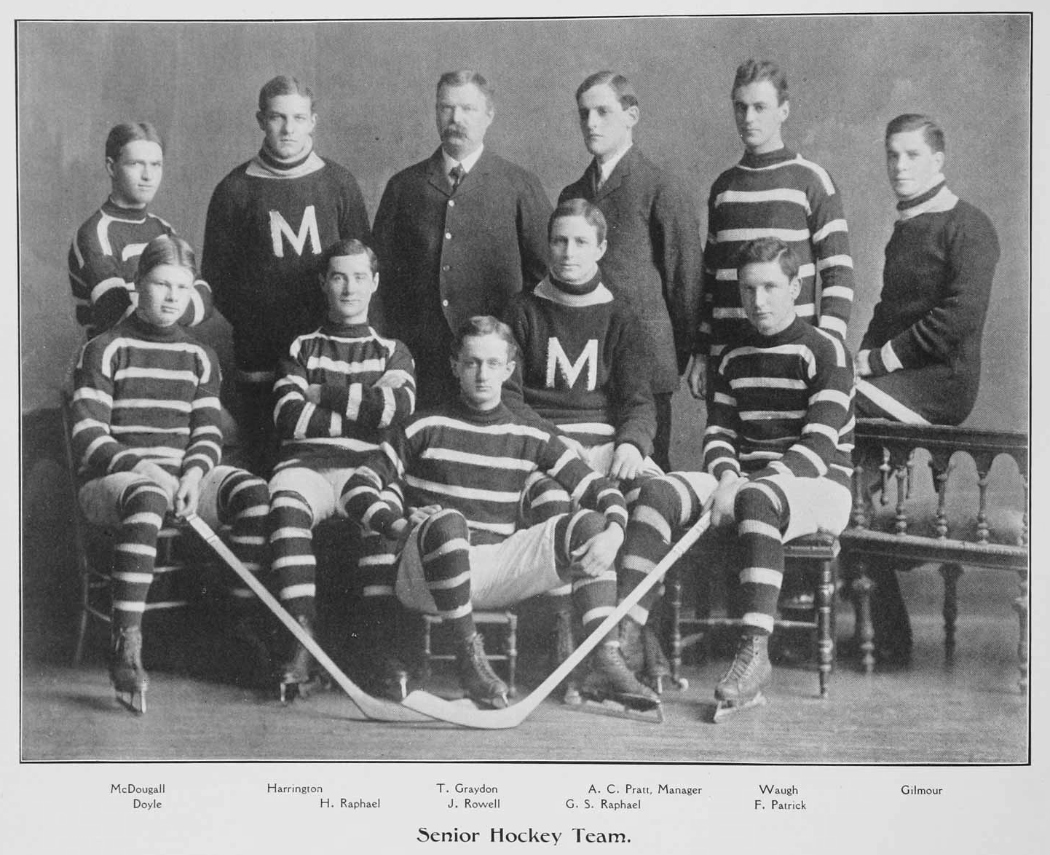
Born in Ottawa and raised in Montreal, Patrick first played hockey there with his brother Lester. He made his senior debut in 1904 with the Montreal Victorias of the Canadian Amateur Hockey League. After attending McGill University, he moved west to British Columbia in 1907 to work for his family's lumber company. The Patrick brothers returned to Central Canada in 1909 to play for the Renfrew Creamery Kings for one season. In 1910, the family sold their lumber company and used the proceeds to establish the PCHA, setting up teams in Vancouver, Victoria, and New Westminster. Patrick played for, coached, and managed the Vancouver Millionaires, which won the Stanley Cup in 1915, the first team west of Manitoba to do so, and played for the Cup again in 1918, 1921, and 1922, losing each time. He also served as president of the PCHA for nearly its entire existence.
Reader's Guide
Frank Patrick's significance lies in his foundational role in establishing the PCHA, which became a legitimate major league and whose champions competed for the Stanley Cup starting in 1915. As league president, he introduced many rules that modernized the game, making it faster and more entertaining, including the blue line, the penalty shot, and tracking assists. After the PCHA was sold to the NHL in 1926, Patrick joined the NHL in 1933, serving in executive and coaching roles. He was inducted into the Hockey Hall of Fame as a builder in 1950, recognizing his contributions to the sport's development.
Did You Know?
- Patrick introduced the blue line, penalty shot, and tracking assists in the PCHA.
- He played for, coached, and managed the Vancouver Millionaires to the Stanley Cup in 1915.
- He died in 1960, four weeks after his brother Lester.
A Name Among the Honoured
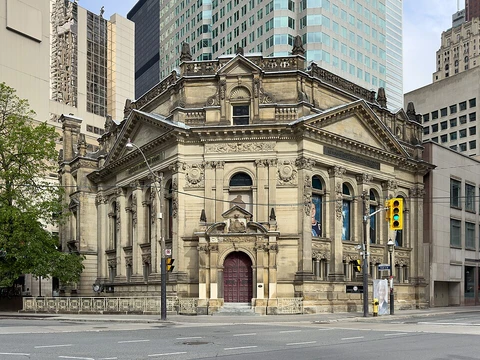
The Hockey Hall of Fame in Toronto stands as the ultimate repository for the greatest figures in ice hockey history. Since its founding in 1943 under James T. Sutherland's vision, the institution has worked to immortalize players, builders, and on-ice officials who shaped the sport. The very first class of honoured members was inducted on April 30, 1945, before the Hall even possessed a permanent building, and included nine legendary players. As of May 2024, the roster of inducted players has grown to 310, a testament to the depth of talent the game has produced across the decades. The Esso Great Hall, often described as a cathedral dedicated to hockey's icons, displays portraits and biographical details of every single honouree who has passed through the institution's doors. For a player of Frank Patrick's stature, a place among those portraits represents the culmination of a career that helped define the sport's formative era and cemented his name in the collective memory of the game.
The Patrick Connection to Governance
The Patrick family's influence on hockey extended well beyond the ice. When the Hockey Hall of Fame was first organized, its inaugural board of governors included several prominent hockey executives, among them Lester Patrick, Frank's brother, alongside figures such as Red Dutton, Art Ross, and Frank Sargent. This early leadership set the tone for how the institution would operate and who it would celebrate over the years. Today, an 18-person committee composed of players, coaches, and other hockey figures convenes every June to select the year's new honourees, who are recognized as players, builders, or on-ice officials. The builders' category specifically acknowledges coaches, general managers, commentators, and team owners who have contributed to growing the game. The annual induction ceremony takes place each November at the Hall's building, followed by a special exhibition game pitting the Toronto Maple Leafs against a visiting opponent. For the Patrick name, being woven into both the governance structure and the honouree lists speaks to a family whose fingerprints are on virtually every layer of the sport's institutional memory.
The Cathedral of Hockey
The physical home of hockey's greatest legends has undergone a remarkable journey. Originally conceived by James T. Sutherland for Kingston, Ontario, a city he considered hockey's birthplace, the Hall struggled to find a permanent site. Sutherland's death in 1955 removed its strongest advocate, and by 1958 the NHL, frustrated by the lack of progress, withdrew its support for the Kingston location. A temporary exhibit at the Canadian National Exhibition in Toronto drew 350,000 visitors during the 1958 fair, proving the concept's enormous popularity. The first permanent building opened at Exhibition Place in 1961, with over 750,000 visitors in its inaugural year. The current facility, located in downtown Toronto's Brookfield Place complex and incorporating a historic Bank of Montreal building, opened in 1993 with 4,700 square metres of exhibition space, seven times larger than its predecessor. Its 15 exhibit areas span 60,000 square feet, showcasing trophies, memorabilia, and equipment worn by players during historic games. The Esso Great Hall at its center serves as a grand gallery where the portraits of every honouree line the walls.
Institutional Legacy and Broader Reach
The Hockey Hall of Fame operates as a non-profit entity called the Hockey Hall of Fame and Museum, independent of the NHL despite its original sponsorship by both the NHL and Hockey Canada. Revenue is generated primarily through admissions, and the institution has averaged 292,000 annual visitors between 1994 and 2019. Under the leadership of figures like Lanny McDonald, who served as Chairman of the Board before being succeeded by Mike Gartner in June 2025, the Hall has continued to evolve. Since 1998, it has also hosted International Ice Hockey Federation exhibits and the IIHF Hall of Fame, broadening its scope beyond North American hockey. Nevertheless, the institution has faced criticism for its heavy emphasis on National Hockey League players while largely overlooking athletes from other North American and international leagues. In 2010, a subcategory was created specifically for female players, reflecting a gradual expansion of who gets recognized. For a figure like Frank Patrick, whose career helped establish the very league the Hall primarily celebrates, this institutional focus underscores how central his era remains to the sport's self-understanding.
Gallery
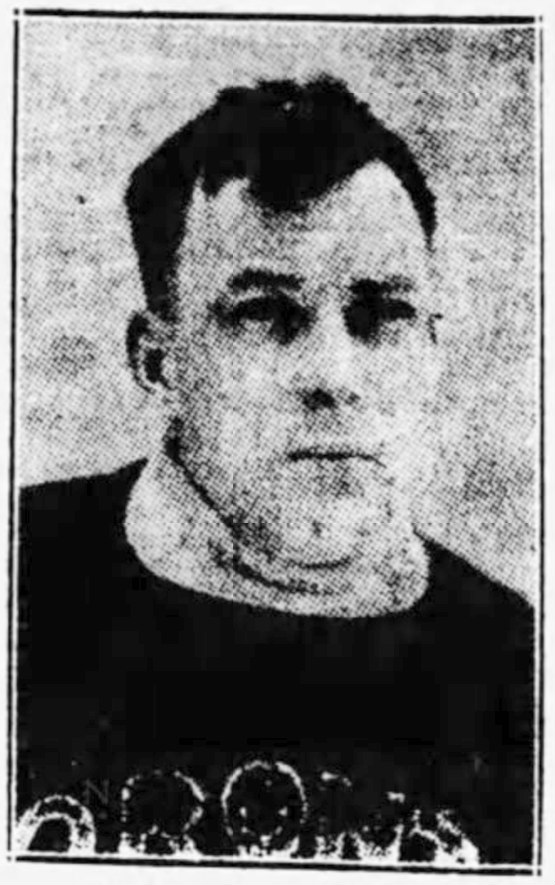
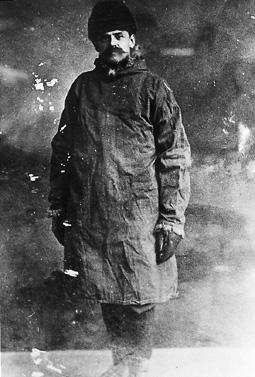
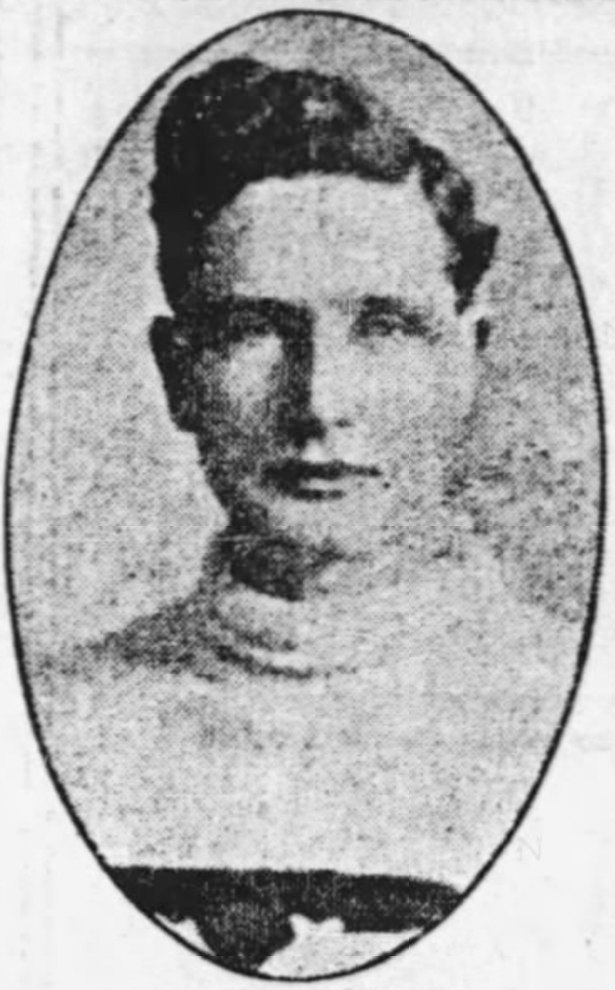
Frequently Asked Questions
Who is Frank Patrick (ice hockey)?
Frank Patrick was a Canadian hockey player, head coach, manager, and executive born in Ottawa, Ontario, on December 21, 1885. He is best remembered as the co-founder of the Pacific Coast Hockey Association and as a key architect of professional hockey in Western Canada.
What hockey rules or innovations is Frank Patrick credited with?
He is widely credited with introducing the blue line, the penalty shot, and the practice of tracking assists, all of which remain standard features of the game today. These contributions are a major reason he is recognized as a builder of the sport.
What league did Frank Patrick help create?
Along with his brother Lester, he co-founded the Pacific Coast Hockey Association (PCHA), which became the first major professional hockey league in Western Canada. The PCHA gave Western teams a competitive platform and helped spread the sport beyond the East Coast.
When was Frank Patrick inducted into the Hockey Hall of Fame?
He was enshrined in 1950, and his induction category was specifically as a builder. That distinction reflects his lasting impact on the sport's structure, rules, and professional organization rather than his on-ice playing career alone.
Did Frank Patrick win a Stanley Cup?
Yes—in 1915 he held the roles of player, head coach, and manager all at once for the Vancouver Millionaires, and the team captured the Stanley Cup that season. It remains one of the most remarkable individual achievements in early hockey history.
More in Hockey Hall of Fame Builders and Executives, Part 3 1-24
Spotted an error? Know more?
Reader corrections go straight into our review queue. Suggest an edit · How this site is sourced