
Craig Patrick
American hockey executive who built two Stanley Cup champions.

Andreas F. Borchert · CC BY-SA 4.0
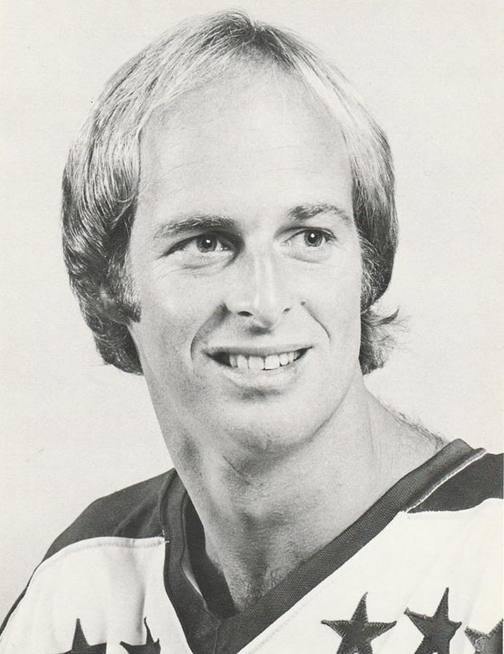
Craig Patrick (born May 20, 1946) is an American former hockey player, coach and general manager, the son of Lynn Patrick and the grandson of Lester Patrick. He is notable for his role as assistant general manager and assistant coach under Herb Brooks for the 1980 U.S. Olympic gold medal-winning team, the 'Miracle on Ice,' and for serving as general manager of the Pittsburgh Penguins from 1989 to 2006, overseeing back-to-back Stanley Cup championships in 1991 and 1992.
Quick Facts
- Position
- Center
- Shoots
- Left
- Height Ft
- 6
- Height In
- 1
- Weight Lb
- 190
- Played For
- California Golden Seals / St. Louis Blues / Kansas City Scouts / Minnesota Fighting Saints / Washington Capitals
- Birth Date
- 1946-05-20
- Birth Place
- Detroit, Michigan, U.S.
- Ntl Team
- USA
- Career Start
- 1971
- Career End
- 1979
- Halloffame
- 2001 (Builder)
Facts from the source article.
Lore & Background
Craig Patrick's early career included playing junior hockey in Quebec for the Lachine Maroons and Montreal Junior Canadiens after spending most of his childhood in Wellesley, Massachusetts. He attended the University of Denver, helping the Pioneers win NCAA championships in 1968 and 1969, and played for the U.S. National Team during the 1969–70 and 1970–71 seasons while serving in the U.S. Army. His professional playing career spanned eight NHL seasons with the California Golden Seals, St. Louis Blues, Kansas City Scouts, and Washington Capitals, plus a brief stint with the Minnesota Fighting Saints of the WHA. He amassed 72 goals, 91 assists, and 163 points in 401 NHL games.
Patrick's most famous achievement came as assistant general manager and assistant coach under Herb Brooks for the 1980 U.S. Olympic team that won the gold medal, defeating the Soviet Union in the 'Miracle on Ice.' He later served as general manager for the 2002 U.S. Olympic team, also coached by Brooks, which won the silver medal. In both tournaments, Team USA defeated the Soviets/Russians on Friday, February 22, by one goal. After his playing career, Patrick became director of operations for the New York Rangers in 1980 and the youngest general manager in Rangers history in 1981, also serving as head coach for parts of two seasons.
As general manager of the Pittsburgh Penguins from December 5, 1989, Patrick oversaw a period of great success. He drafted Jaromír Jágr in 1990, traded for Joe Mullen, and executed the legendary March 4, 1991 trade that brought Ron Francis, Ulf Samuelsson, and Grant Jennings to Pittsburgh. These moves helped the Penguins win Stanley Cup championships in 1991 and 1992. However, his later years were marked by financial woes and poor trades, including sending Markus Näslund to Vancouver for Alek Stojanov (called the 'worst trade in NHL history' by a 2003 Sports Illustrated article) and trading Sergei Zubov for Kevin Hatcher. The 2001 trade of Jágr to Washington for three minor league prospects and cash was widely criticized.
Reader's Guide
Craig Patrick's legacy is defined by his role in two iconic U.S. Olympic teams and his tenure as general manager of the Pittsburgh Penguins. As assistant general manager and assistant coach for the 1980 'Miracle on Ice' team, he helped orchestrate one of the greatest upsets in sports history. His later service as general manager of the 2002 silver medal-winning U.S. team further cemented his place in Olympic hockey lore. As Penguins GM from 1989 to 2006, Patrick built a dynasty that won back-to-back Stanley Cups in 1991 and 1992, largely through astute drafting and trades early in his tenure. However, his later years were plagued by financial constraints and a series of trades widely viewed as failures, including the Näslund and Zubov deals and the controversial Jágr trade. Despite drafting future stars Marc-André Fleury, Evgeni Malkin, and Sidney Crosby in the early 2000s, the team missed the playoffs for four consecutive seasons, leading to his dismissal in 2006. Patrick's draft picks ultimately contributed to the Penguins' 2009 Stanley Cup win, but his legacy remains mixed: a brilliant architect of championship teams who later struggled to maintain success amid organizational turmoil.
Did You Know?
- Craig Patrick is the son of Lynn Patrick and grandson of Lester Patrick, both members of a hockey family with multiple Stanley Cup winners.
- He was the youngest general manager in New York Rangers history when appointed in 1981.
- The trade sending John Cullen, Jeff Parker, and Zarley Zalapski to Hartford for Ron Francis, Ulf Samuelsson, and Grant Jennings on March 4, 1991, is considered one of the most legendary trades in NHL history.
- Patrick's 1996 trade of Markus Näslund to Vancouver for Alek Stojanov was described by a 2003 Sports Illustrated article as the 'worst trade in NHL history.'
A Hockey Dynasty in the Blood
Craig Patrick's connection to ice hockey runs deeper than most. Born on May 20, 1946, he was the son of Lynn Patrick and the grandson of Lester Patrick, placing him squarely in one of the sport's most storied family lineages. His early years were spent in Wellesley, Massachusetts, but at just fourteen he was sent to Quebec to play junior hockey in the Metropolitan Junior Hockey League, first with the Lachine Maroons and then the Montreal Junior Canadiens. He went on to attend the University of Denver, where he helped lead the Pioneers to NCAA championships in both 1968 and 1969. His amateur career also included stints on the US National Team during the 1969-70 and 1970-71 seasons, including the 1970 and 1971 Ice Hockey World Championship tournaments, all while serving in the US Army. This foundation of elite amateur competition set the stage for everything that followed.
The Miracle on Ice and Olympic Legacy
Craig Patrick's most celebrated role in hockey came not as a player but as a behind-the-scenes architect of two of the most memorable Olympic hockey moments in American history. During the 1980 Winter Olympics, he served as assistant general manager and assistant coach under Herb Brooks for the US men's national team, which stunned the world by defeating the Soviet Union in the legendary Miracle on Ice before claiming the gold medal. Two decades later, in 2002, Patrick returned as general manager for another Brooks-coached US squad that captured the silver medal, the nation's first Olympic hockey medal since 1980. Remarkably, in both tournaments, Team USA faced off against the Soviets or Russians on a Friday, February 22, winning by a single goal each time. In 2002, aging veterans like Mike Richter and Phil Housley exceeded expectations and earned all-star team honors, while the team ultimately fell to Canada in the gold medal game on Sunday, February 24.
Building a Pittsburgh Dynasty
When Craig Patrick was named general manager of the Pittsburgh Penguins on December 5, 1989, succeeding Tony Esposito, few could have predicted the immediate dominance that followed. In 1990, he used his first round draft pick on Czechoslovak forward Jaromír Jágr and traded his second round pick to Calgary for Joe Mullen, a player the Flames had written off. His most legendary move came on March 4, 1991, when he sent John Cullen, Jeff Parker, and Zarley Zalapski to the Hartford Whalers in exchange for Ron Francis, Ulf Samuelsson, and Grant Jennings. The gamble was enormous, as Cullen was the NHL's fifth-leading scorer at the time, yet the players Patrick acquired became pivotal to the Penguins' back-to-back Stanley Cup championships in 1991 and 1992. Under his watch, the franchise also captured a President's Trophy and five division titles, cementing his early tenure as one of the most productive stretches in Penguins history.
Controversial Trades and a Bittersweet Farewell
Patrick's later years as Penguins general manager were shadowed by financial struggles and a string of trades that drew fierce criticism. In March 1996, he dealt future scoring star Markus Näslund to Vancouver for Alek Stojanov, a role player with just two career NHL goals, a move a 2003 Sports Illustrated article labeled the worst trade in NHL history. He also traded top defenseman Sergei Zubov to Dallas for the older, slower Kevin Hatcher, a deal made partly to appease captain Mario Lemieux. In July 2001, he sent Jágr to Washington for three minor league prospects and nearly five million dollars in cash, a deal driven by the club's financial woes and Jágr's growing dissatisfaction. The move was widely panned in Pittsburgh, especially since the acquired prospects never made a meaningful impact. From the 2001-02 season through the next four years, the Penguins missed the playoffs. Yet Patrick's final act in 2005 saw him select teen phenom Sidney Crosby with the first overall pick, leaving a lasting mark on the franchise's future.
Gallery

Frequently Asked Questions
Who is Craig Patrick?
Craig Patrick is an American hockey executive, former player, and coach born on May 20, 1946. He is best known for guiding the Pittsburgh Penguins to consecutive Stanley Cup titles and for his behind-the-scenes work with the 1980 U.S. Olympic team. He also comes from one of hockey's most storied bloodlines, being the son of Lynn Patrick and grandson of Lester Patrick.
What did Craig Patrick do for the 1980 U.S. Olympic hockey team?
He served as assistant general manager and assistant coach under head coach Herb Brooks during the famous 'Miracle on Ice' tournament in Lake Placid. His organizational and roster-building work behind the scenes helped the underdog American squad defeat the Soviet Union and capture the gold medal.
How many Stanley Cups did Craig Patrick win as general manager?
He won two, in back-to-back seasons of 1991 and 1992, while serving as GM of the Pittsburgh Penguins from 1989 through 2006. Those consecutive titles remain one of the most celebrated dynasties in Penguins franchise history.
What is Craig Patrick's connection to the Patrick hockey family?
He is the son of Lynn Patrick and the grandson of Lester Patrick, one of the most legendary figures in early professional hockey. Growing up in that lineage shaped his lifelong involvement in the sport, from playing 401 NHL games to eventually becoming a top-tier executive.
Why is Craig Patrick considered important in hockey history?
He bridges the era of the Patrick family's foundational contributions to the sport with the modern executive role of building championship rosters. His dual legacy—helping create the 1980 Olympic miracle and then steering Pittsburgh to two straight Cups—makes him a defining builder in American hockey.
More in Hockey Hall of Fame Builders and Executives, Part 3 1-24
Spotted an error? Know more?
Reader corrections go straight into our review queue. Suggest an edit · How this site is sourced