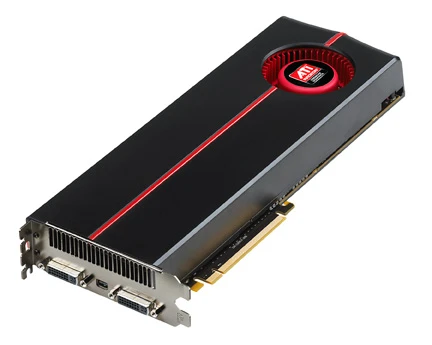
Render output unit
Final GPU stage assembling pixel data for display output.

The render output unit (ROP), also known as the raster operations pipeline, is a hardware component in modern graphics processing units (GPUs) that performs one of the final steps in the rendering process. It takes pixel and texel information processed through earlier stages and converts it into final pixel or depth values via rasterization, controlling antialiasing by merging multiple samples into a single pixel. All rendered data must pass through the ROP to be written to the framebuffer, where it can be transmitted to the display, making the ROP the point at which the GPU's output is assembled into a bitmapped image ready for display.
- Alternative name
- Render Backend (RB) by AMD
- Function
- Controls antialiasing, writes/reads buffer values, blends pixels
- Hardware role
- Contains dedicated antialiasing hardware for methods like MSAA
- Historical trend
- Number of ROPs, TMUs, and shader processors were equal until 2004, then decoupled
Lore & Background
Historically, the number of ROPs, texture mapping units (TMUs), and shader processing units or stream processors were equal in GPU designs. However, starting in 2004, several GPUs began decoupling these areas to allow optimal transistor allocation based on application workload and available memory performance. This design trend is expected to continue, with graphics processors further decoupling architectural parts to enhance adaptability to future graphics applications. The decoupling also enables chip makers to build a modular product line, where top-end GPUs use the same logic as low-end products. Terminology for ROPs varies between manufacturers: NVIDIA refers to them as ROPs, while AMD uses the term 'Render Backend' (RB).
Reader's Guide
The render output unit is significant because it is the final hardware stage through which all rendered data must pass before being written to the framebuffer and ultimately displayed. It controls antialiasing, including hardware-based methods like MSAA, by merging multiple samples into a single pixel. The ROP performs transactions between relevant buffers in local memory, including writing, reading, and blending values. Its role as the assembly point for the GPU's output into a bitmapped image makes it essential for display readiness. The historical shift starting in 2004, where ROPs, TMUs, and shader processors were decoupled from being equal in number, allowed more efficient transistor allocation and modular product lines. This decoupling trend is expected to continue, enhancing adaptability to future graphics applications. The variation in terminology between manufacturers (ROPs for NVIDIA, Render Backend for AMD) reflects different naming conventions for the same fundamental component.
Did You Know?
- All rendered data must travel through the ROP to be written to the framebuffer.
- Dedicated antialiasing hardware for methods like MSAA is contained in ROPs.
- Historically, the number of ROPs, TMUs, and shader processors were equal until 2004.
- AMD refers to ROPs as 'Render Backend' (RB).
More in Graphics Hardware 1-24
Spotted an error? Know more?
Reader corrections go straight into our review queue. Suggest an edit · How this site is sourced