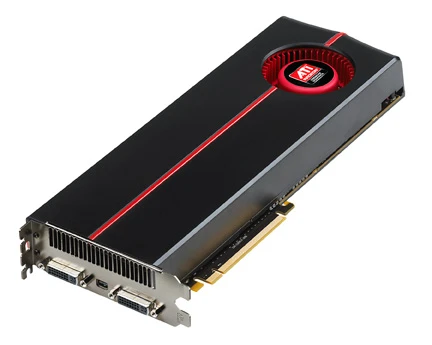
Remote graphics unit
A device that remotes a computer's graphics sub-system via bus commands.

A remote graphics unit (RGU) is a device that lets a computer be placed apart from certain input and output peripherals, like keyboards, mice, speakers, and monitors. The main component being moved away is the computer's graphics subsystem. RGUs are known for delivering high-resolution, high-performance graphics across long distances by dividing the computer’s PCI or PCI-Express bus and sending only bus commands to the user’s location, instead of sending fully rendered graphics data.
The concept may have started with experiments using graphics controllers on mainframe computers in the 1970s. Since the late 1990s, RGUs have mostly been linked to high-end workstations running Unix-like operating systems or Windows. They are typically used for specialized tasks such as remote sensing, financial services commodity trading desks, and computer-aided design. Depending on the definition, dedicated X terminals could also be considered RGUs.
The reasons for separating a computer’s user interface from the machine itself often include securing computers away from users for corporate or government security, reducing heat and noise in rooms with many operators, or making maintenance easier by keeping all computers close together.
Unlike other methods like KVM Extension or DVI Extension, an RGU effectively splits a computer’s PCI or PCI-Express bus and transmits only bus commands to the user side. In KVM Extension and DVI Extension, graphics processing happens on a traditional GPU at the computer side. Because bus data is much smaller than rendered graphics data, the idea behind an RGU is that it can achieve higher resolutions and better graphics performance when the distance between the user’s peripherals and the computer is large.
One example of a commercial product line described as an RGU is the Matrox Extio series. The Extio brand is shorthand for “External I/O.” Other products that support the same concept include bus extension technologies, where a standard GPU is plugged into a remote PCI slot via a standard graphics add-in card. Examples include the DeTwo System from Amulet Hotkey and products from Avocent.
- Origin period
- 1970s experiments with graphics controllers on mainframe computers
- Associated platforms
- Unix-like operating systems or Windows since the late 1990s
- Typical applications
- remote sensing, financial services commodity trading desks, computer-aided design
- Example product
- Matrox Extio series (Extio stands for 'External I/O')
- Related technologies
- KVM Extension, DVI Extension, bus extension technologies (e.g., DeTwo System from Amulet Hotkey, products from Avocent)
Lore & Background
RGUs may have their origin with experiments with graphics controllers on mainframe computers in the 1970s. They have been mostly associated with high end workstations running Unix-like operating systems or Windows since the late 1990s. Generally RGUs are used for special applications like remote sensing, financial services commodity trading desks, computer-aided design, etc. Depending on how one chooses to define RGUs, dedicated X terminals may also be included.
Unlike other technologies such as KVM Extension or DVI Extension, a remote graphics unit effectively splits a computer's PCI or PCI-Express bus and transmits only bus commands over to the user side. With KVM Extension and DVI Extension, the graphics processing is done by a traditional GPU on the computer side. Bus data is much smaller than rendered graphics data, so the theory behind the RGU is that it is possible to achieve higher resolutions and better graphics performance when there is a large separation in distance between the user-side input/output devices and the computer side.
An example of a product line that was commercialized using RGU as the description of the technology is the Matrox Extio series. Other products supporting the concept include bus extension technologies where a standard graphics processing unit is plugged into a remote PCI slot via a standard graphics add-in card, such as the DeTwo System from Amulet Hotkey and products from Avocent.
Reader's Guide
The significance of the remote graphics unit lies in its ability to separate the user interface from the computer itself while preserving or improving graphics performance over distance. The article notes that reasons for this separation include securing computers away from users for corporate or government security, reducing heat and noise in rooms with many computer operators, and facilitating computer maintenance by placing all computers in close proximity to one another. Unlike KVM Extension or DVI Extension, which perform graphics processing on the computer side using a traditional GPU, the RGU splits the PCI or PCI-Express bus and transmits only bus commands. Because bus data is much smaller than rendered graphics data, the RGU theoretically enables higher resolutions and better graphics performance over large distances. The legacy of the RGU is reflected in commercial products like the Matrox Extio series and related bus extension technologies from Amulet Hotkey and Avocent, which continue to serve specialized applications such as remote sensing, financial trading desks, and computer-aided design.
Did You Know?
- RGUs may have originated with experiments on mainframe computers in the 1970s.
- The Matrox Extio series is an example of a commercialized RGU product line.
- Bus data is much smaller than rendered graphics data, which is the theoretical basis for the RGU's performance advantage over distance.
More in Graphics Hardware 1-24
Spotted an error? Know more?
Reader corrections go straight into our review queue. Suggest an edit · How this site is sourced