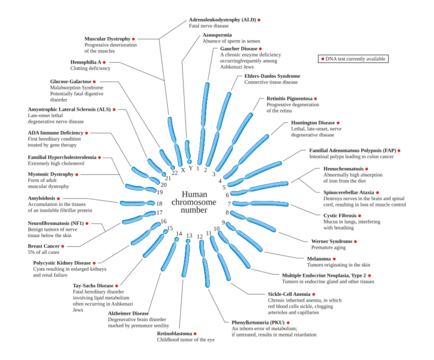
Howel–Evans syndrome
Rare genetic syndrome linking palmoplantar keratoderma to esophageal cancer risk.

Howel–Evans syndrome is an extremely rare familial condition characterized by thickening of the skin on the palms and soles (palmoplantar keratoderma) and a high lifetime risk of esophageal cancer. First described in 1958, it is inherited in an autosomal dominant manner and is linked to mutations in the RHBDF2 gene. The condition is sometimes called tylosis with esophageal cancer (TOC).
- First described
- 1958
- Inheritance
- autosomal dominant
- Gene
- RHBDF2 (chromosome 17q25)
- Associated cancer
- esophageal cancer (95% by age 65)
- Other names
- tylosis with esophageal cancer, familial keratoderma with carcinoma of the esophagus
Lore & Background
Howel–Evans syndrome presents with palmoplantar keratoderma, oral leukoplakia, and a 95% lifetime risk of esophageal cancer by age 65. Relapsing cutaneous horns of the lips have also been reported. The condition is caused by mutations in the RHBDF2 gene, which plays a role in cellular signaling and differentiation.
Reader's Guide
Howel–Evans syndrome is significant as a model for understanding the genetic basis of esophageal cancer predisposition. The identification of mutations in RHBDF2, a rhomboid protease family member, has linked intramembranous serine protease activity to epithelial injury response and epidermal growth factor receptor regulation. The condition underscores the importance of surveillance for esophageal cancer in affected individuals. Its rarity and strong cancer association make it a key entry in the study of hereditary cancer syndromes and palmoplantar keratodermas. The discovery of RHBDF2's role in inhibiting tumor necrosis factor alpha and interacting with RHBDL2 provides insight into potential therapeutic targets. The syndrome also highlights the broader rhomboid protease family's involvement in cancer, including related genes RHBDF1 in head and neck cancer and RHBDD2 in breast cancer.
Did You Know?
- Howel–Evans syndrome was first described in 1958.
- 95% of individuals with this condition develop esophageal cancer by age 65.
- The responsible gene, RHBDF2, is located on chromosome 17q25.
- The condition is also known as tylosis with esophageal cancer (TOC).
More in Genetic disorders with OMIM but no gene 1-24
Spotted an error? Know more?
Reader corrections go straight into our review queue. Suggest an edit · How this site is sourced