Coffin–Siris syndrome
Rare genetic disorder causing developmental delays and absent fifth nails.

Jmarchn · CC BY-SA 3.0
Coffin–Siris syndrome (CSS) is a rare genetic condition first identified in 1970 by Grange S. Coffin and E. Siris. It involves developmental delays and missing nails on the fifth fingers and toes. By 1991, only 31 cases had been documented, but the count has since risen to roughly 200. The condition is sometimes confused with Nicolaides–Baraitser syndrome.
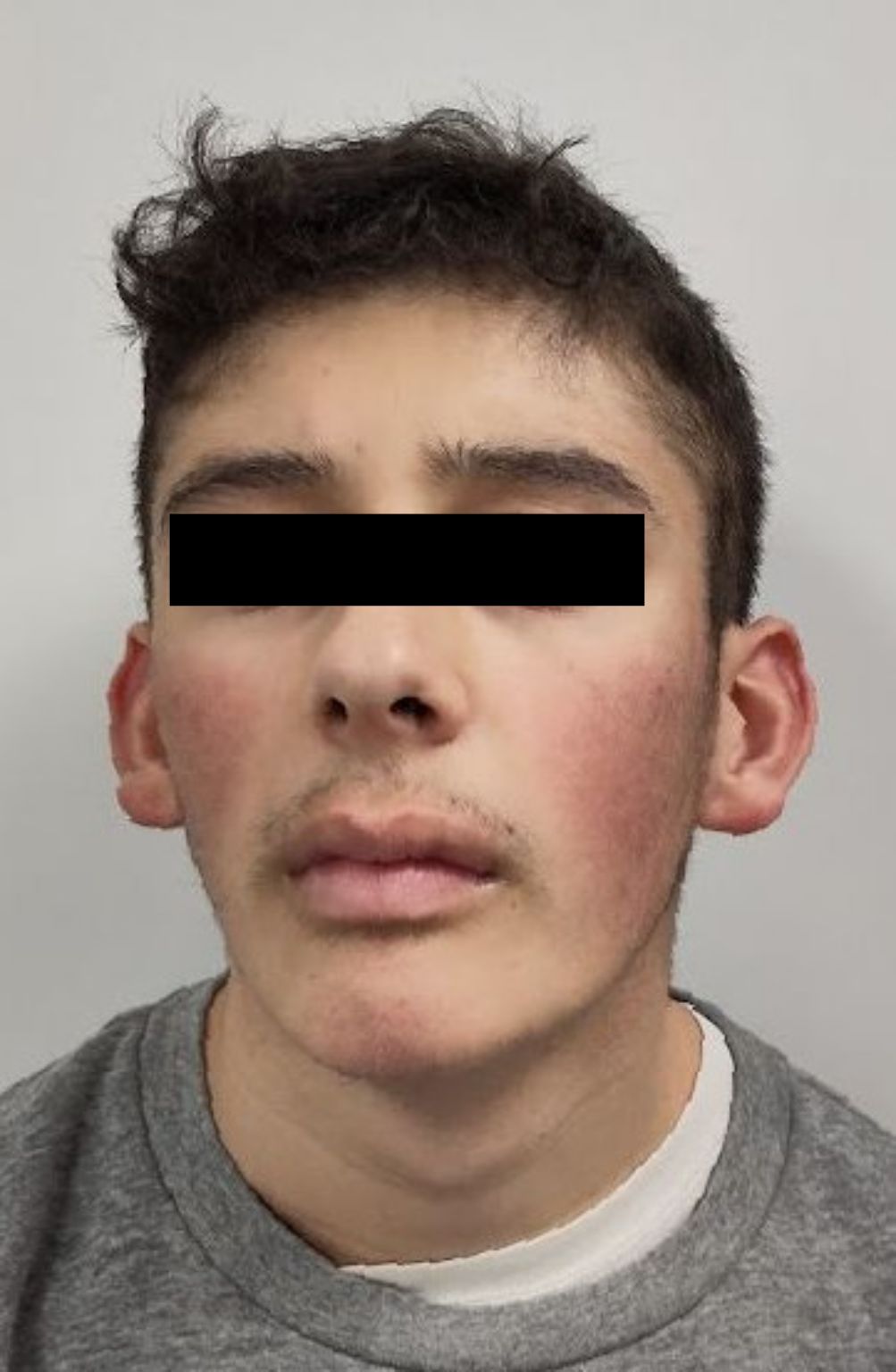
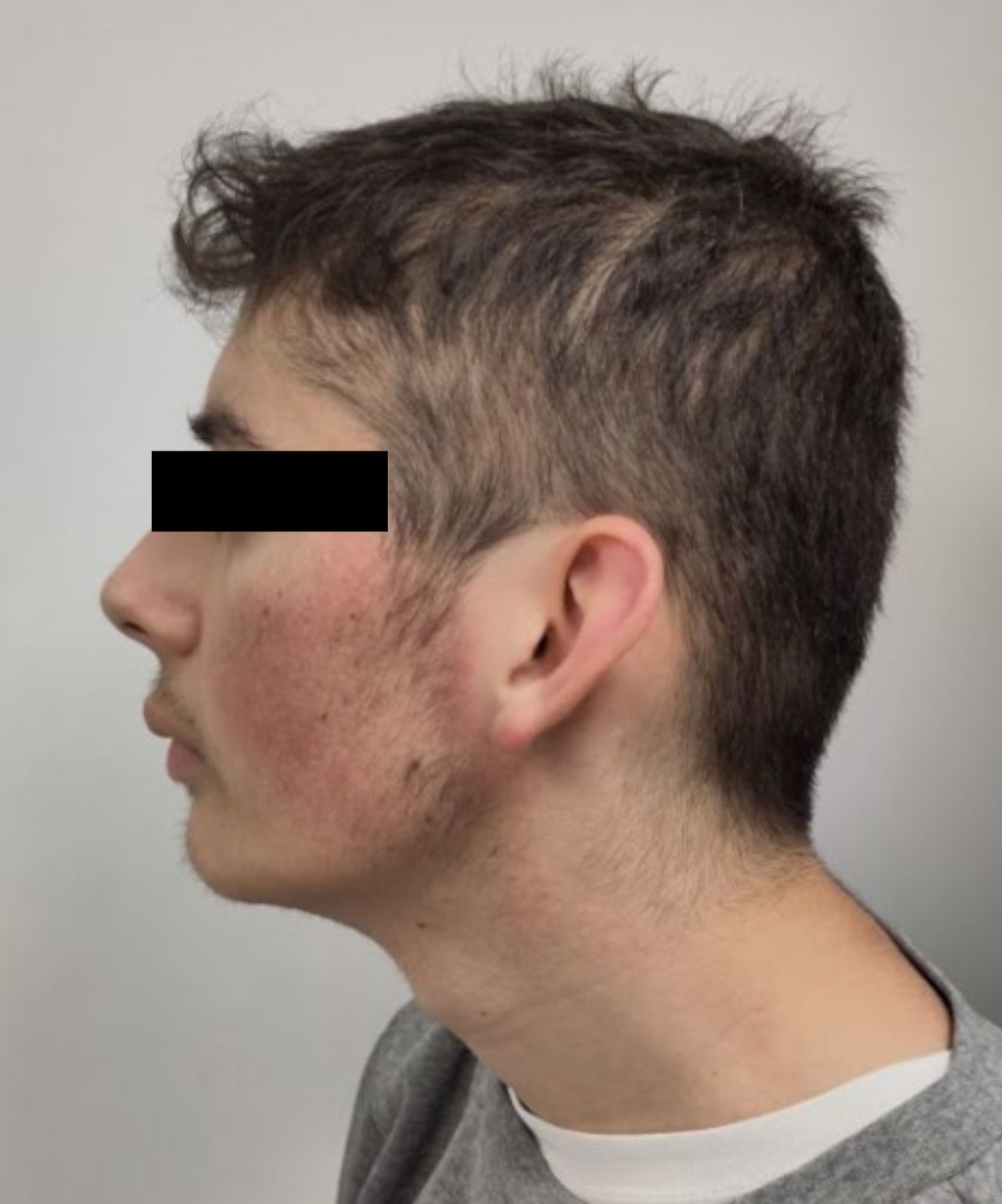
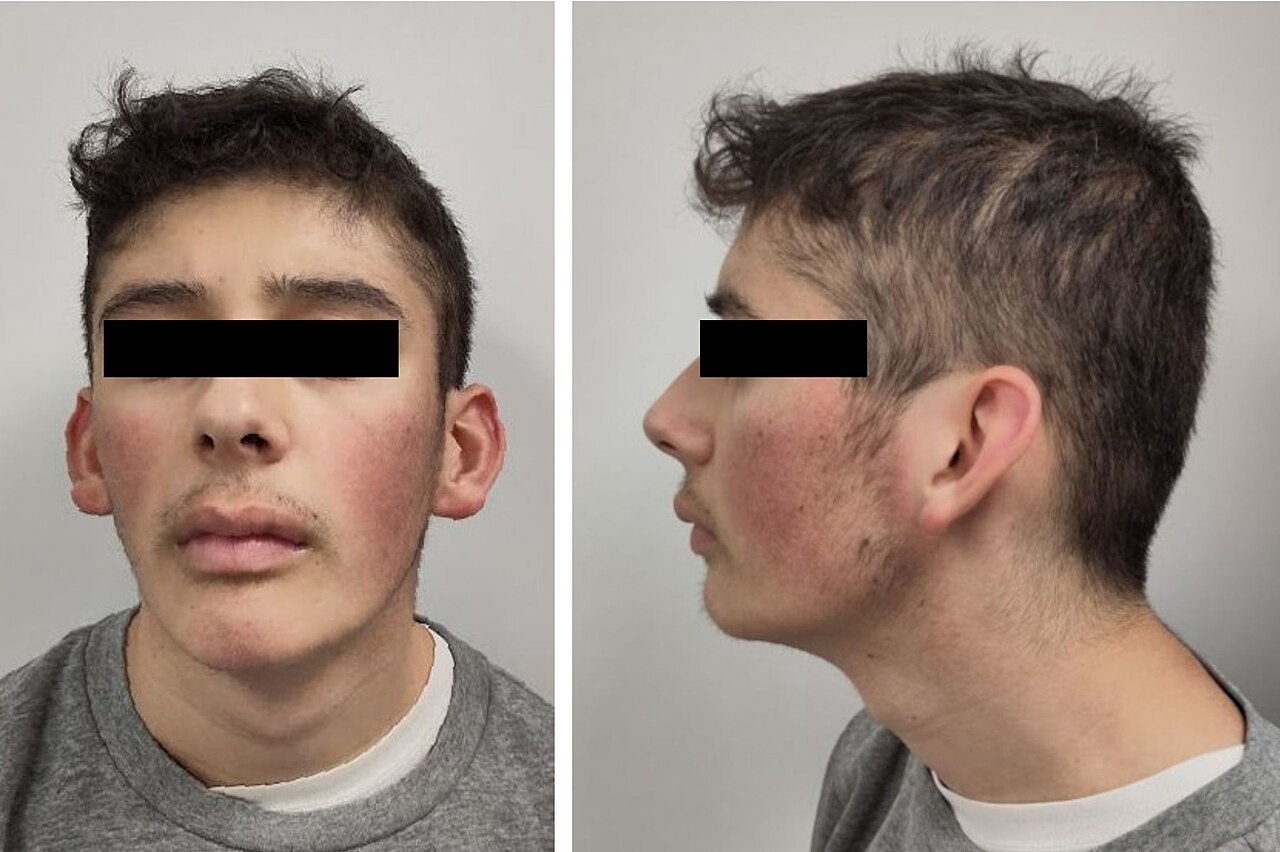
People with CSS may have mild to severe intellectual disability, short fifth digits with underdeveloped or absent nails, low birth weight, feeding problems at birth, frequent respiratory infections in infancy, low muscle tone, loose joints, delayed bone age, a small head, and coarse facial features such as a wide nose, wide mouth, and thick eyebrows and lashes.
The disorder can be inherited in an autosomal dominant pattern, but most cases result from a new mutation. The most common genetic cause is a change in the ARID1B gene. Other associated genes include SOX11, ARID2, DPF2, PHF6, SMARCA2, SMARCA4, SMARCB1, SMARCC2, SMARCE1, and SOX4. Diagnosis is usually based on major and at least one minor clinical sign, and can be confirmed through molecular genetic testing. Recent research has shown that underdeveloped or absent fifth fingernails and toe bones are not always required for diagnosis. Lab tests are typically done to exclude other conditions, and genetic testing provides the official diagnosis.
There is no cure or standard treatment. Care focuses on symptoms and may include physical, occupational, and speech therapy, along with educational support.
- First described
- 1970
- Described by
- Dr Grange S. Coffin and Dr E. Siris
- Reported cases by 1991
- 31
- Current reported cases
- around 200
- Inheritance
- autosomal dominant (most cases de novo mutation)
- Most common gene
- ARID1B
Lore & Background
Coffin–Siris syndrome was first documented in 1970 by Dr Grange S. Coffin and Dr E. Siris. By 1991, only 31 cases had been reported, but the number has since grown to approximately 200. The syndrome presents with mild to severe intellectual disability, short fifth digits with hypoplastic or absent nails, low birth weight, feeding difficulties, frequent respiratory infections, hypotonia, joint laxity, delayed bone age, microcephaly, and coarse facial features including a wide nose, wide mouth, and thick eyebrows and lashes.
Reader's Guide
Coffin–Siris syndrome is significant as a rare genetic disorder that highlights the complexity of developmental genetics. Its association with mutations in the ARID1B gene, as well as multiple other genes such as SOX11, ARID2, DPF2, and others, underscores the heterogeneity of the condition. Diagnosis relies on clinical signs and molecular genetic testing, though recent studies note that fifth finger nail hypoplasia is not mandatory. There is no cure; treatment is symptomatic and includes physical, occupational, and speech therapy. The syndrome's differential includes Nicolaides–Baraitser syndrome, and its growing case count reflects improved recognition and genetic testing.
Did You Know?
- There were only 31 reported cases by 1991, but the number has since grown to around 200.
- The most common associated gene mutation is in ARID1B, but multiple other genes are also linked.
- Fifth finger nail hypoplasia or aplasia is not a mandatory finding for diagnosis.
Discovery & Growing Recognition
Coffin–Siris syndrome entered the medical literature in 1970, when Dr. Grange S. Coffin and Dr. E. Siris published their initial description of what they recognized as a distinct rare genetic condition. The hallmark features they identified—developmental delays combined with missing or underdeveloped fifth finger and toe nails—gave the condition its eponymous name. For two decades after that first report, the syndrome remained exceedingly obscure; by 1991 only 31 cases had been documented worldwide. That scarcity made accurate identification difficult, and clinicians sometimes had to consider look-alike conditions such as Nicolaides–Baraitser syndrome when evaluating affected children. As genetic tools advanced and awareness spread, the tally of known cases climbed steadily, reaching an estimated 200 by the time of more recent reporting. This growth in recognized cases does not necessarily mean the condition is becoming more common; rather, it reflects improved diagnostic capability and a broader understanding of the phenotypic spectrum. The shift from a handful of isolated reports to a catalog of several hundred individuals underscores how much the field has learned about this once-nearly-invisible disorder.
The Clinical Portrait
A child born with Coffin–Siris syndrome typically presents with a constellation of physical and developmental findings that evolve over the first years of life. At birth, affected infants often weigh less than expected and struggle with feeding. During infancy, recurrent respiratory infections are common, and parents may notice generalized low muscle tone alongside unusually loose joints. As the child grows, the skeletal picture becomes clearer: bone age lags behind chronological age, and head circumference may fall below the expected range, a feature termed microcephaly. The facial gestalt is distinctive—broad nasal bridge, a wide-set mouth, and notably thick eyebrows and lashes give the face a coarse appearance. Perhaps the most recognizable sign involves the hands and feet: the fifth digits are shortened, and the nails on those digits are either underdeveloped or entirely absent. Underlying all of these physical markers is a degree of intellectual disability that can range from mild to moderate to severe, profoundly shaping the individual's educational and daily-living needs throughout life.
Genetic Architecture & Diagnostic Pathways
Although Coffin–Siris syndrome can be passed down through families as an autosomal dominant trait, the majority of identified cases arise from a de novo mutation—a new genetic change not present in either parent. The gene most frequently implicated is ARID1B, which accounts for the largest share of confirmed cases. Beyond that, researchers have linked mutations in at least ten additional genes to the syndrome, including SOX11, ARID2, DPF2, PHF6, SMARCA2, SMARCA4, SMARCB1, SMARCC2, SMARCE1, and SOX4, revealing a broader chromatin-remodeling pathway at the heart of the condition. Diagnosis traditionally hinged on observing a set of major clinical signs plus at least one minor sign, with laboratory workup used to exclude mimics such as Nicolaides–Baraitser syndrome. Molecular genetic testing of the causative genes then provides confirmation. Importantly, recent evidence has shown that the once-considered-essential finding of fifth-finger nail or distal phalanx hypoplasia is not, in fact, mandatory, broadening the diagnostic net and allowing more children to receive an accurate label.
Living Without a Cure: Supportive Care
At present, no cure exists for Coffin–Siris syndrome, and there is no single standardized treatment protocol that applies to every affected individual. Because the syndrome manifests differently in each person—ranging from mild to severe intellectual disability, varying degrees of joint laxity, and differing levels of respiratory vulnerability—management is necessarily tailored to the symptoms each child or adult actually experiences. The cornerstone of care is a multidisciplinary, symptom-directed approach. Physical therapy helps address hypotonia and joint instability, while occupational therapy supports the development of fine-motor skills and independence in daily activities. Speech therapy targets communication challenges that often accompany the developmental delays. Educational services, adapted to the individual's cognitive profile, aim to maximize learning potential and social participation. Together, these interventions do not alter the underlying genetic defect, but they form a practical framework for improving quality of life, fostering as much autonomy as possible, and helping families navigate the day-to-day realities of a rare, lifelong condition.
Gallery
Frequently Asked Questions
What is Coffin–Siris syndrome?
It is a rare genetic condition characterized by developmental delays and notably short or missing nails on the fifth fingers and toes. The condition was first identified in 1970 by Dr. Grange S. Coffin and Dr. E. Siris.
What are the hallmark physical signs of Coffin–Siris syndrome?
Beyond the underdeveloped fifth digits and absent nails, affected individuals commonly show low muscle tone, loose joints, feeding difficulties in infancy, and recurrent respiratory infections. Mild to severe intellectual disability is also a frequent feature.
How is Coffin–Siris syndrome inherited and how many cases are known?
Most cases stem from a new (de novo) autosomal dominant mutation rather than being passed down from a parent. By 1991 only about 31 cases had been documented, but that tally has since grown to roughly 200.
Who first described Coffin–Siris syndrome and when?
Dr. Grange S. Coffin and Dr. E. Siris identified the condition in 1970 after recognizing a shared pattern of developmental and physical features across their patients.
Which gene is most often linked to Coffin–Siris syndrome, and why is it sometimes confused with another disorder?
ARID1B is the most frequently implicated gene, though mutations in other genes can also produce the condition. It is regularly mistaken for Nicolaides–Baraitser syndrome because the two overlap in their physical and developmental presentations.
More in Genetic disorders with OMIM but no gene 1-24
Spotted an error? Know more?
Reader corrections go straight into our review queue. Suggest an edit · How this site is sourced