Date palm
Cultivated for millennia, dates are emblematic of oasis agriculture.
Last updated
The date palm, known scientifically as Phoenix dactylifera, belongs to the palm family Arecaceae and is a flowering plant. Its native range stretches from the Gulf States down to the Lower Indus Valley. People cultivate it for its sweet, edible fruit—dates—and it now grows widely across northern Africa, the Middle East, Australia, South and Southeast Asia, Portugal, Spain, the coastal Mediterranean basin, and the desert parts of Southern California. This species serves as the type species for the genus Phoenix, which includes between 12 and 19 species of wild date palms.
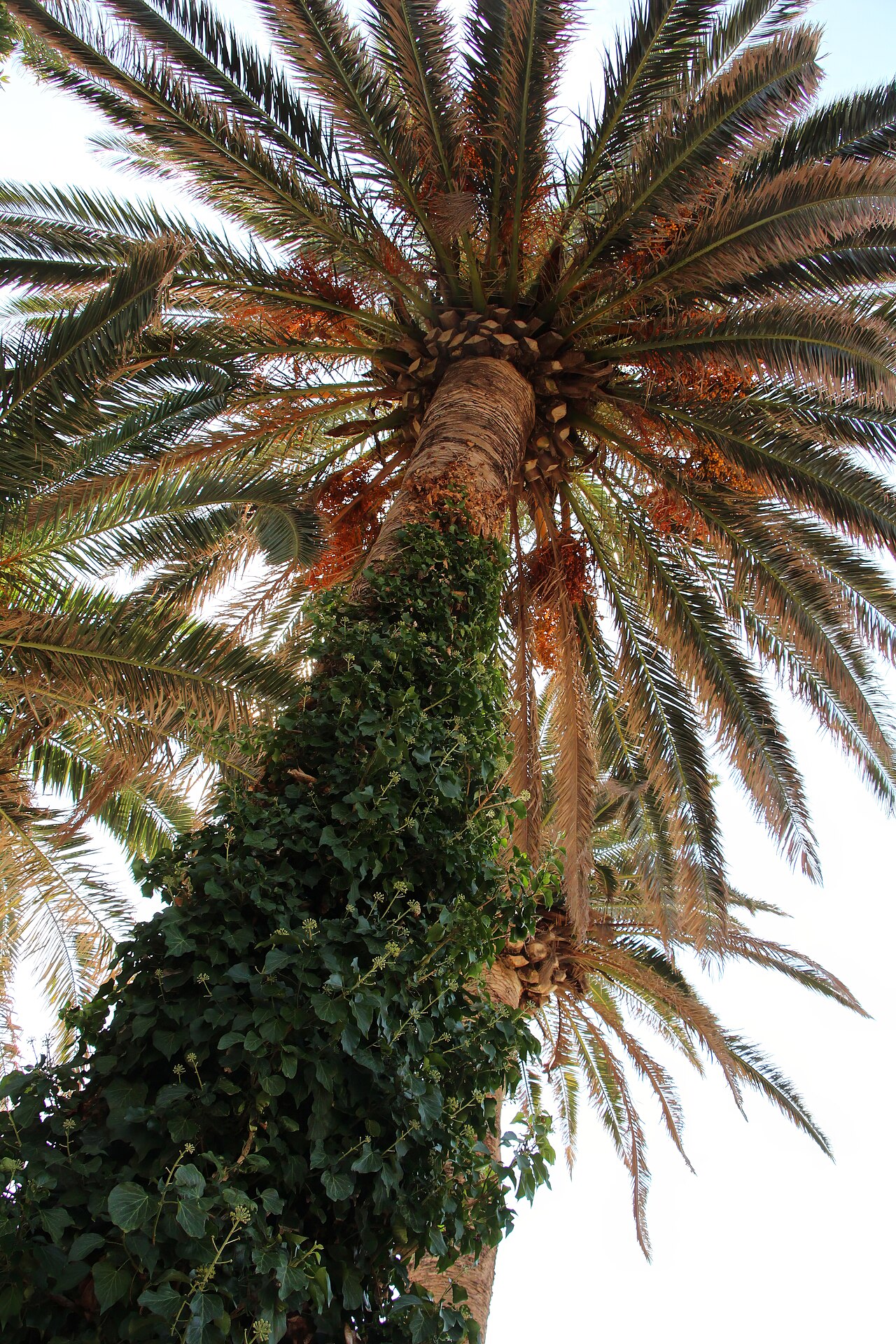
These palms can grow as tall as 30 metres (98 feet), either as single trunks or in clumps with several stems sharing one root system. They grow slowly and, with proper care, can live for over a hundred years.
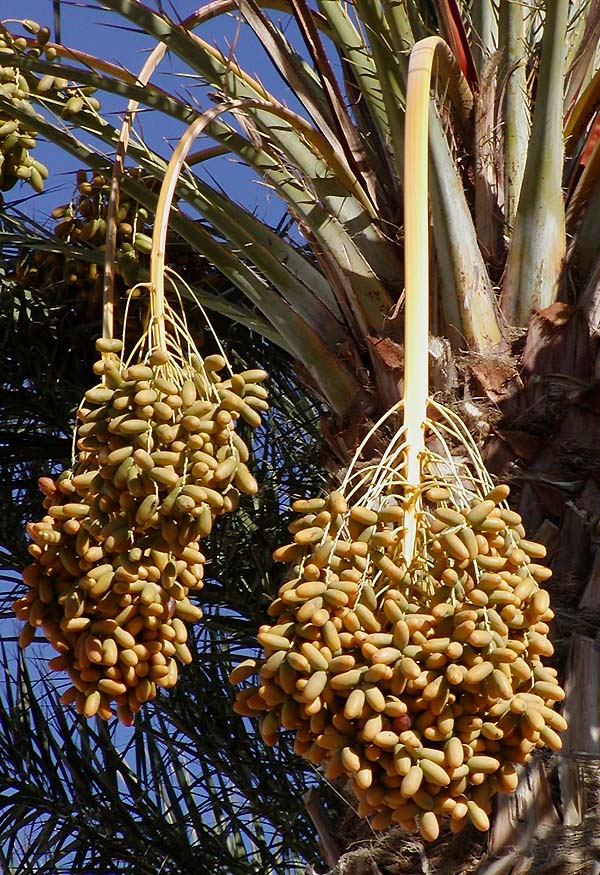
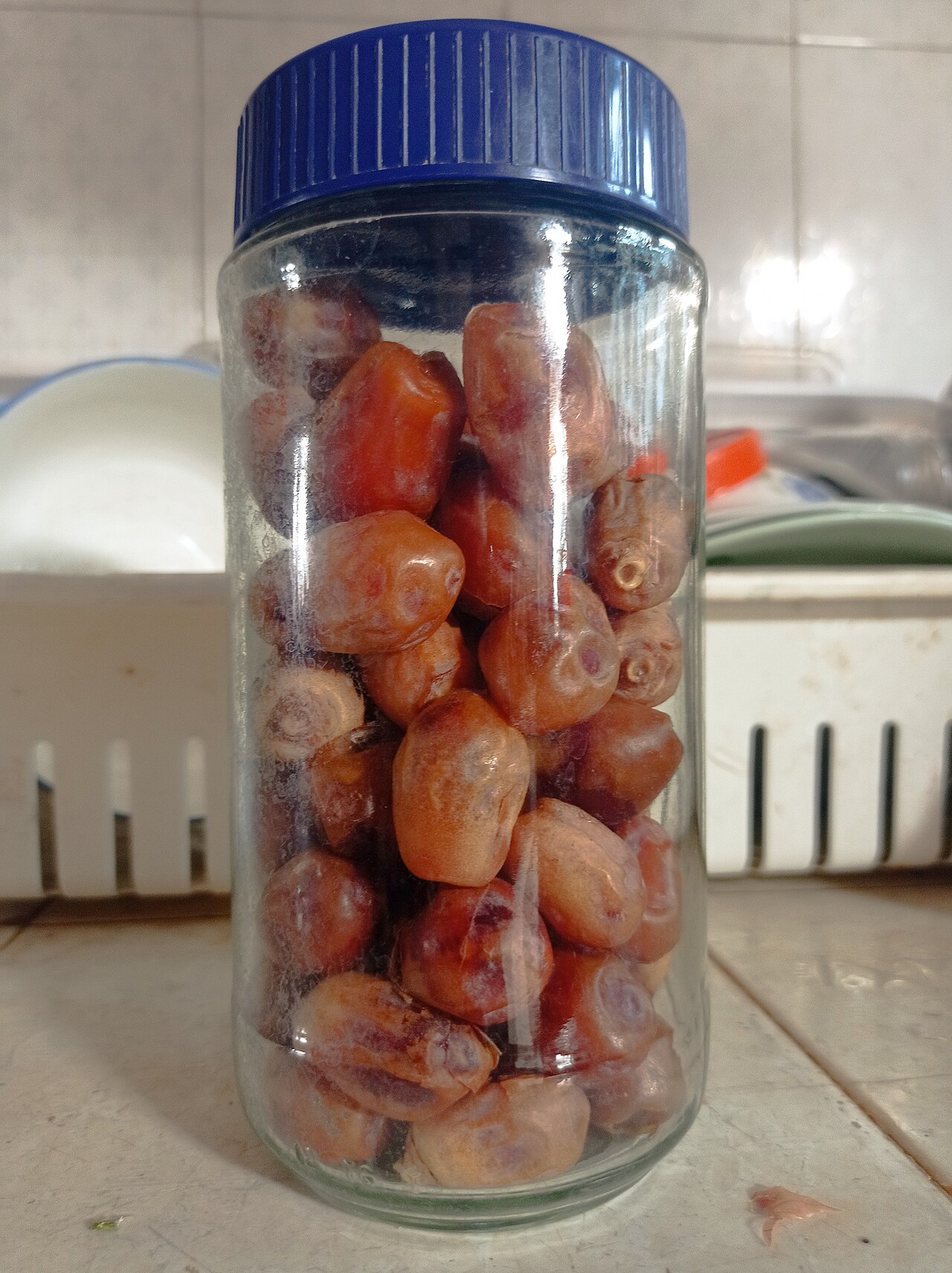
The fruit they produce—dates—are oval and cylindrical, measuring 3 to 7 centimetres (1 to 3 inches) long and about 2.5 centimetres (1 inch) wide. Their colour varies by variety, ranging from dark brown to bright red or yellow. When dried, dates contain 63 to 64 percent sugar by mass and are eaten as sweet snacks, either alone or with confections.
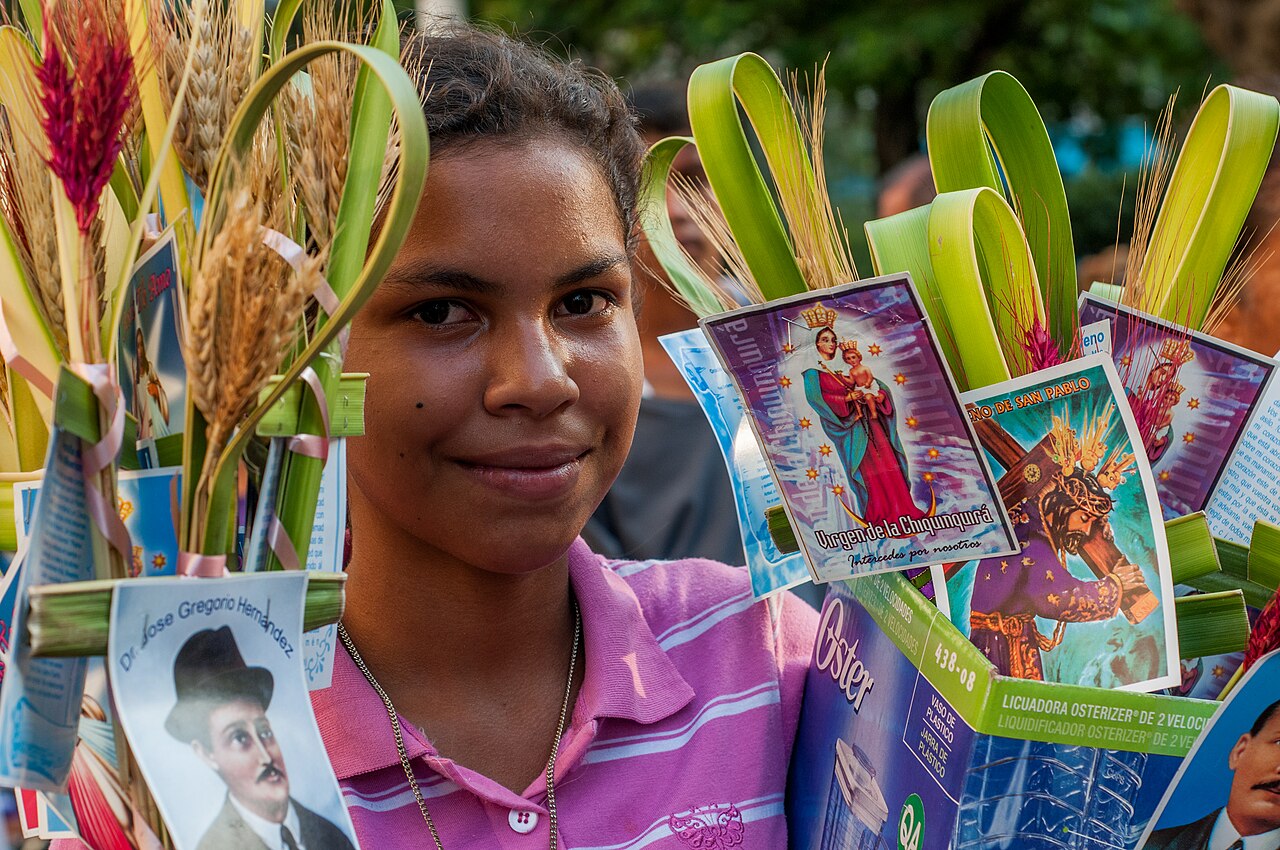
Archaeological evidence shows that date cultivation in Arabia dates back to the 6th millennium BCE. The fruit is considered emblematic of oasis agriculture and carries strong symbolic meaning in both Christian and Jewish religions.
Scientific classification
- CladeTracheophytes
- CladeAngiosperms
- CladeMonocots
- CladeCommelinids
- OrderArecales
- FamilyArecaceae
- GenusPhoenix
- SpeciesPhoenix dactylifera
Named by L.
Sources: Wikipedia taxobox: Date palm (CC BY-SA 4.0) · order, family and genus agree with WoRMS AphiaID 1492289 (CC BY 4.0)
Where the date palm has been recorded
Each dot is a place where the species has been observed and reported (6,828 records, half-degree grid) — not a modelled range. 347 inland records left out (institution coordinates). 1 isolated far-off record not drawn.
Map: drawn by Codexery. Data: GBIF occurrence search (records CC0 / CC BY) · Natural Earth basemap (public domain) · place coordinates: Wikipedia (CC BY-SA 4.0)
Quick Facts
- Genus
- Phoenix
- Species
- dactylifera
Facts from the source article.
Lore & Background
Date palms reach up to 30 metres in height, growing singly or in clumps with several stems from a single root system. They are slow-growing and can exceed 100 years of age when properly maintained.
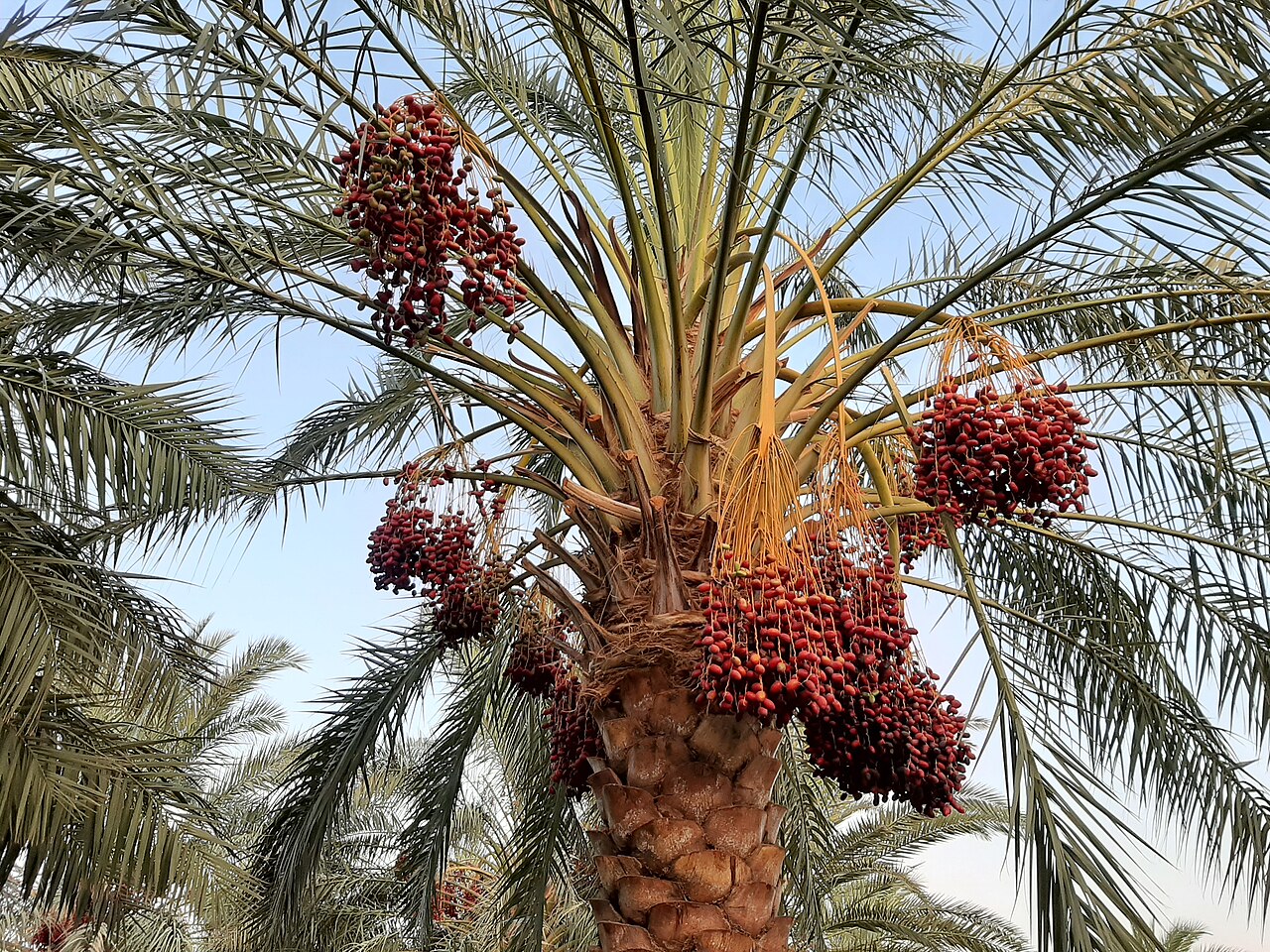
The leaves are 4–6 m long with spines on the petiole and about 150 leaflets. The date palm is dioecious, with separate male and female plants, and sex determination occurs through an XY system. Dates are naturally wind-pollinated, but in traditional and modern orchards they are entirely hand-pollinated; one male can pollinate up to 100 females.
Reader's Guide
The date palm holds profound significance as a staple crop in arid regions, with archaeological evidence of cultivation in Arabia since the 6th millennium BCE and in Mehrgarh (western Pakistan) around 7000 BCE. Its fruit, dates, are oval-cylindrical, 3–7 cm long, and contain a single stone. Three main cultivar groups exist: soft (e.g., Medjool), semi-dry (e.g., Deglet Nour), and dry (e.g., Thoory). Dates are emblematic of oasis agriculture and highly symbolic in Christian and Jewish religions.
The species has been introduced to many regions, including the southwestern United States, where Medjool palms were transferred from Morocco in the 1920s. A draft genome was published in 2011, with improved assemblies in 2013 and 2019, allowing mapping of genes for fruit color and sugar content. The date palm continues to be a vital crop across the Middle East, North Africa, and beyond, with mature trees producing 70–140 kg of dates per harvest season.
Did You Know?
- The species name dactylifera is Latin for 'date-bearing', from Greek daktylos meaning 'date' or 'finger'.
Frequently Asked Questions
How tall can a Date Palm tree grow?
A mature Date Palm can reach a maximum height of roughly 30 metres (about 98 feet), making it one of the taller members of the palm family.
How long have people been cultivating the Date Palm?
Archaeological evidence points to date cultivation in Arabia as early as the 6th millennium BCE, meaning humans have been farming this species for well over 7,000 years. That makes it one of the oldest continuously grown fruit crops in the world.
Also in the Codexery
More in Fruit Trees & Berries
Sources
Compiled from Wikipedia and the sources listed below. Text from Wikipedia is available under CC BY-SA 4.0; this entry is adapted from it.
- Wikipedia: Date palm (CC BY-SA 4.0).
- Classification: the source article's taxobox; order, family and genus checked against WoRMS, the World Register of Marine Species (CC BY 4.0).
- Occurrence records: GBIF (CC0 / CC BY). Basemap: Natural Earth (public domain).
- Word definitions: the Codexery glossary, each quoted from its Wikipedia article.
Spotted an error? Know more?
Reader corrections go straight into our review queue. Suggest an edit · How this site is sourced