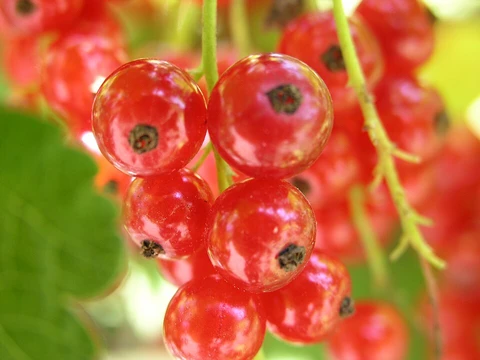
Blackcurrant
Deciduous shrub grown for its vitamin-rich, dark purple berries.
Last updated
The blackcurrant (Ribes nigrum), also known as black currant or cassis, is a deciduous shrub in the family Grossulariaceae grown for its edible berries. Native to temperate parts of central and northern Europe and northern Asia, it prefers damp fertile soils and is widely cultivated both commercially and domestically. The raw fruit is particularly rich in vitamin C and polyphenols, and is used to make jams, preserves, syrups, juices, alcoholic beverages, and dyes.
Scientific classification
- CladeTracheophytes
- CladeAngiosperms
- CladeEudicots
- OrderSaxifragales
- FamilyGrossulariaceae
- GenusRibes
- SpeciesRibes nigrum
Named by L.
Sources: Wikipedia taxobox: Blackcurrant (CC BY-SA 4.0)
Where the blackcurrant has been recorded
Each dot is a place where the species has been observed and reported (181,190 records, half-degree grid) — not a modelled range. 526 inland records left out (institution coordinates). 1 isolated far-off record not drawn.
Map: drawn by Codexery. Data: GBIF occurrence search (records CC0 / CC BY) · Natural Earth basemap (public domain)
Quick Facts
- Genus
- Ribes
- Species
- nigrum
Facts from the source article.
Lore & Background
Ribes nigrum is a medium-sized shrub growing to 1.5 by 1.5 metres, with alternate, simple leaves having five palmate lobes and a serrated margin. All parts are strongly aromatic.
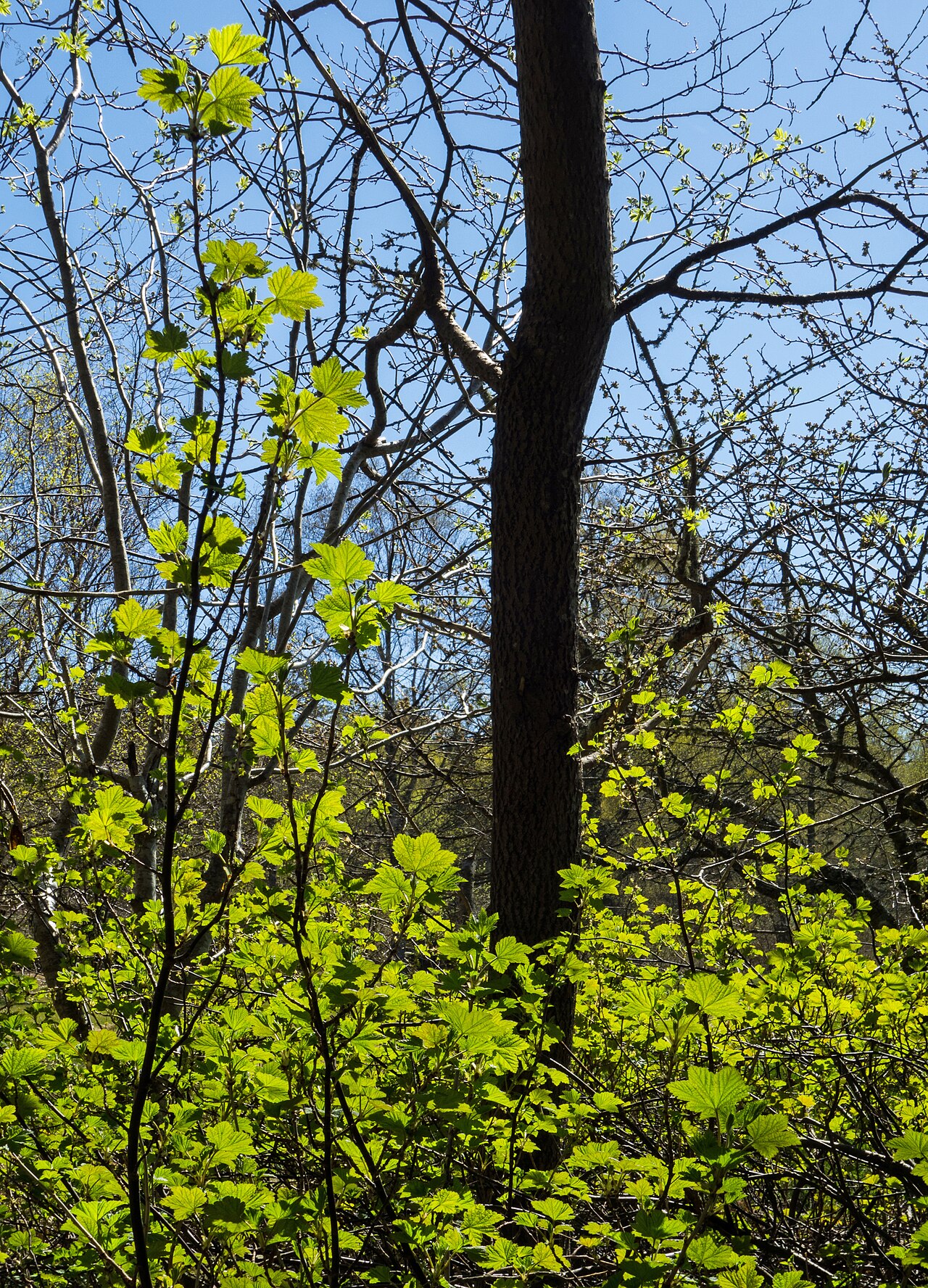
Flowers are produced in racemes called 'strigs' up to 8 cm long, each containing 10–20 flowers. The flowers are mostly insect pollinated but some pollen is distributed by wind; they are somewhat self-pollinating but produce more fruit when pollinated by another variety. Frost below −1.9 °C can damage flowers, and cold weather during flowering can reduce crop size.
Botanical Character & Flowering
The blackcurrant is a medium-sized deciduous shrub reaching roughly 1.5 metres in both height and spread, with strongly aromatic foliage throughout. Its leaves are simple and alternate, measuring 3 to 5 centimetres across, each bearing five palmate lobes with serrated edges. In spring, the plant produces racemes called "strigs" that can stretch up to 8 centimetres long, each carrying between 10 and 20 small flowers roughly 8 millimetres in diameter. These flowers feature a hairy calyx dotted with yellow glands, five stamens encircling the stigma, and two fused carpels.
Pollination is primarily insect-driven, though wind plays a supplementary role, and while the plant can self-pollinate to some degree, cross-pollination between different varieties yields better fruit set. A pollen grain landing on the stigma sends a slender tube down the style toward the ovule—a process taking about 48 hours in warm conditions but potentially a full week in cold weather, by which time the ovule may no longer be receptive. If fewer than roughly 35 ovules are fertilised, the developing fruit drops prematurely.
Cultivation & Growing Practices
European cultivation of blackcurrants is believed to date back to the final decades of the 17th century. The shrub thrives in damp, fertile soils—sandy, heavy loam, or forest types—provided nutrients are adequate, and it is intolerant of drought. A soil pH near 6 is ideal, with liming recommended for overly acidic ground.
Planting typically occurs in autumn or winter so roots establish before spring growth, though container stock can be set at any time. Two-year-old bushes are standard, and certified stock guards against viral introduction. In the UK, young plants are deliberately buried deeper than their nursery level to stimulate new basal stems.
As a heavy feeder, the blackcurrant demands regular nutrition: nitrogen drives vegetative growth and flower sprig production, phosphorus supports fruit set, potassium boosts individual fruit weight, magnesium aids chlorophyll function, and calcium is critical for cell division in young plants and buds. An annual spring mulch of well-rotted manure, supplemented by balanced granular fertiliser at 100 to 240 grams per bush, meets these needs. Pruning is essential because fruit forms mainly on one-year-old wood; newly planted bushes are cut back hard to two buds above ground, and established plants are thinned annually to remove weak, sideways, or old unproductive growth.
Culinary & Commercial Applications
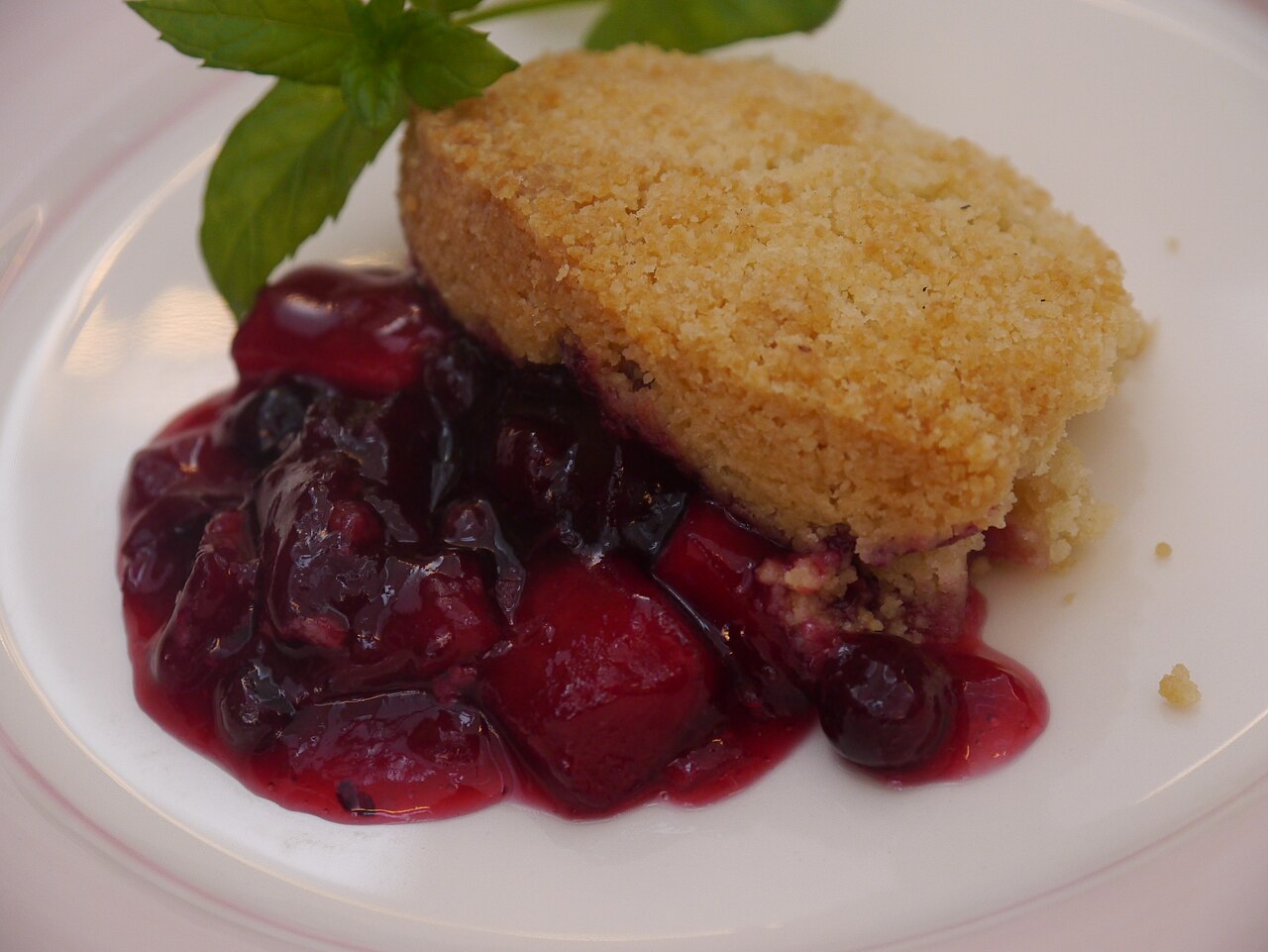
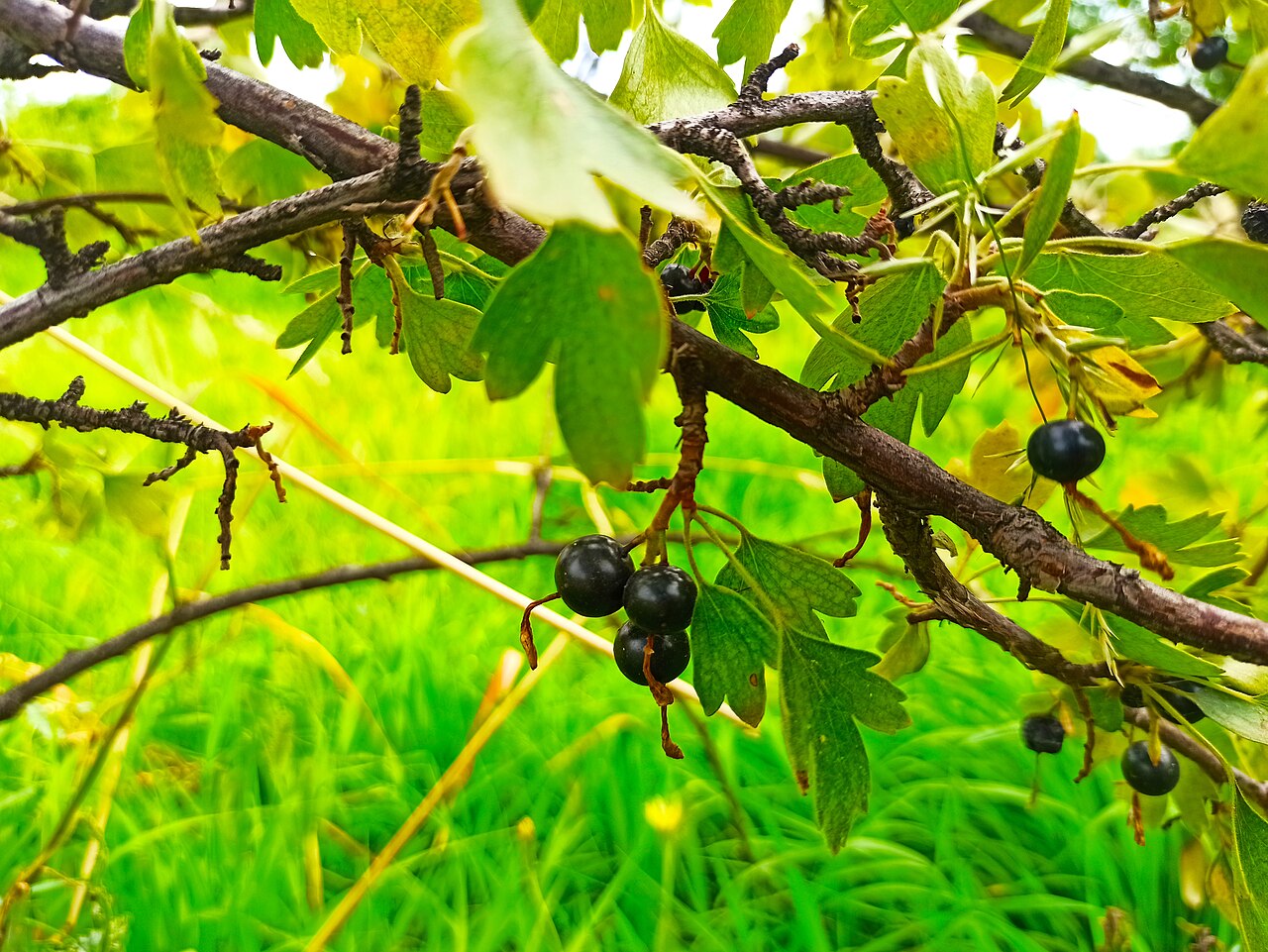
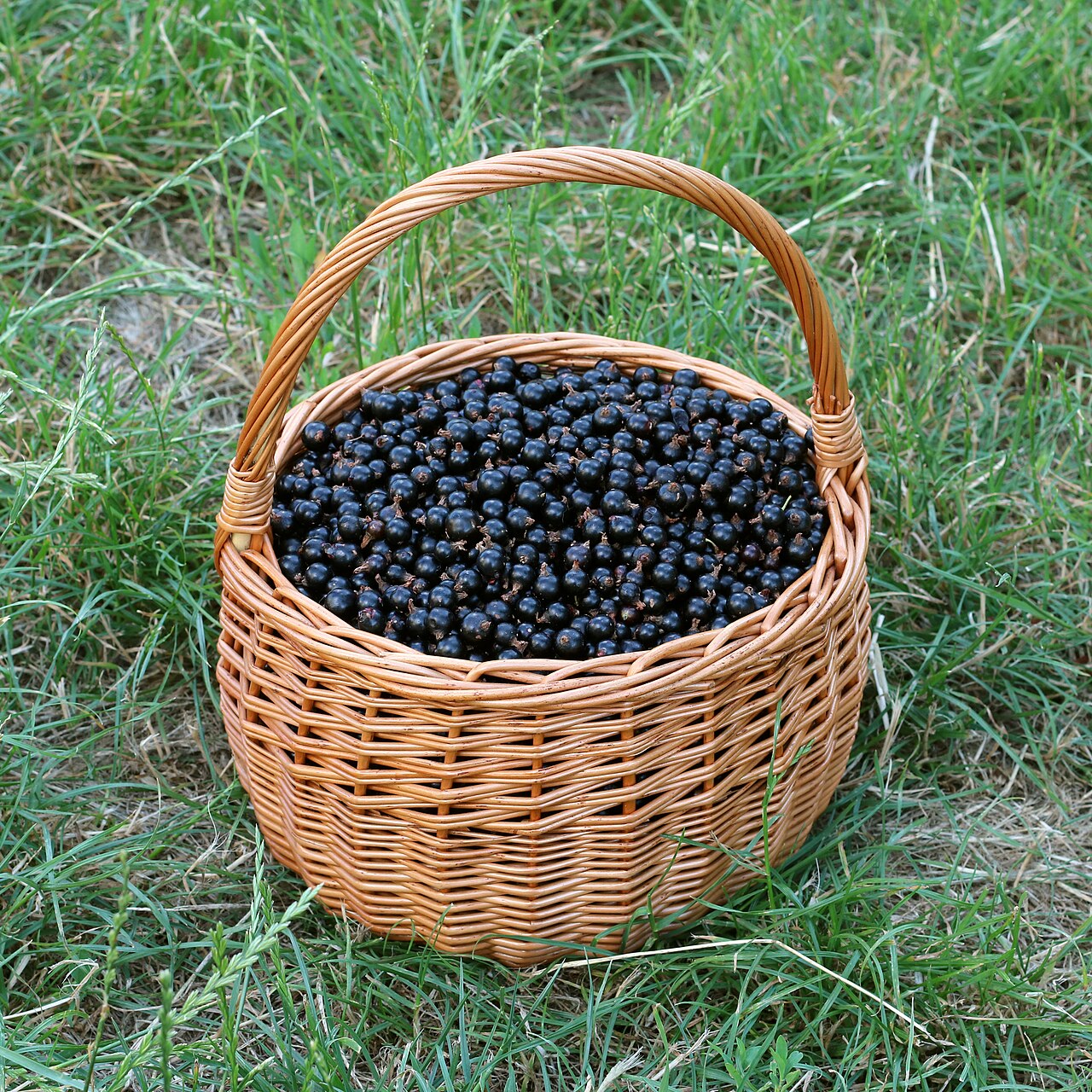
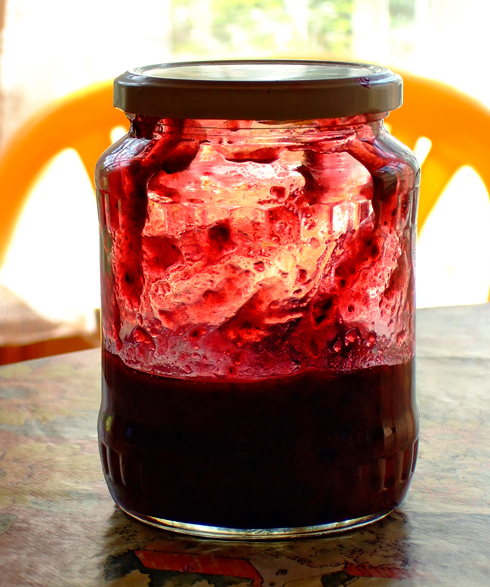
The raw blackcurrant is notably rich in vitamin C and polyphenols, yet its intensely tart flavour means it is more often cooked than eaten fresh. In kitchens across Europe and beyond, the glossy near-black berries—each bearing a persistent calyx at its tip and packed with numerous seeds—find their way into jams, preserves, and syrups. Commercial growers cultivate the shrub specifically for the juice market, where the fruit's deep colour and flavour are extracted at scale.
Beyond sweet preparations, blackcurrant fruit serves as a base for alcoholic beverages and is also processed to produce natural dyes. An established bush yields approximately 4.5 kilograms of fruit per year, harvested either by hand or by machine once the green strigs ripen to their characteristic dark purple-black in midsummer. The fruit's versatility spans from domestic preserves to industrial juice production, making it one of the few berries that bridges small-scale home cooking and large-scale commercial processing with equal ease.
Phytochemical Profile & Research Interest
The polyphenol compounds found in blackcurrant fruit, seeds, and leaves are the subject of ongoing investigation into their potential biological activities. Among the most prominent are the anthocyanins present in the pomace—specifically delphinidin-3-O-glucoside, delphinidin-3-O-rutinoside, cyanidin-3-O-glucoside, and cyanidin-3-O-rutinoside—which are notably retained even in juice concentrate form.
These pigments, responsible for the berry's deep near-black colour, belong to a broader class of polyphenols that also contribute to the fruit's high vitamin C content. The fact that these anthocyanins survive the juicing process suggests they are relatively stable compounds, a property that may be relevant to both nutritional science and food-processing research. While the raw fruit is already recognised for its vitamin C density, the wider polyphenol profile extends the blackcurrant's interest beyond simple nutrition into the realm of functional food chemistry, where researchers examine how these specific molecular structures might interact with biological systems.
Reader's Guide
The blackcurrant is significant as a widely cultivated fruit crop valued for its high vitamin C content and polyphenols, which are investigated for potential biological activities. Its cultivation in Europe began around the late 17th century. The plant is winter hardy but sensitive to spring frosts and drought. It requires specific nutrients including nitrogen, phosphorus, potassium, magnesium, and calcium.
Pruning is essential as fruit is borne primarily on one-year-old shoots. The species has been affected by diseases such as reversion, transmitted by the blackcurrant gall mite, and white pine blister rust, which led to bans in the United States for much of the 20th century due to its role as a disease vector for white pines. Modern harvesting is mostly mechanical, with straddle harvesters capable of picking up to fifty tonnes per day.
Did You Know?
- The blackcurrant was banned in the United States as a disease vector for white pine blister rust for much of the 20th century, and some state bans remain as of November 2020.
Frequently Asked Questions
Where does Blackcurrant originate from?
It is native to the temperate regions of central and northern Europe as well as northern Asia. It thrives in damp, fertile soils and has since been widely cultivated across many climates for both commercial and domestic use.
What can Blackcurrant be used for?
The berries are processed into jams, preserves, syrups, juices, and various alcoholic beverages. Their deep pigmentation also makes them a natural source of dye for food and craft applications.
More in Fruit Trees & Berries
Sources
Compiled from Wikipedia and the sources listed below. Text from Wikipedia is available under CC BY-SA 4.0; this entry is adapted from it.
- Wikipedia: Blackcurrant (CC BY-SA 4.0).
- Occurrence records: GBIF (CC0 / CC BY). Basemap: Natural Earth (public domain).
- Word definitions: the Codexery glossary, each quoted from its Wikipedia article.
Spotted an error? Know more?
Reader corrections go straight into our review queue. Suggest an edit · How this site is sourced