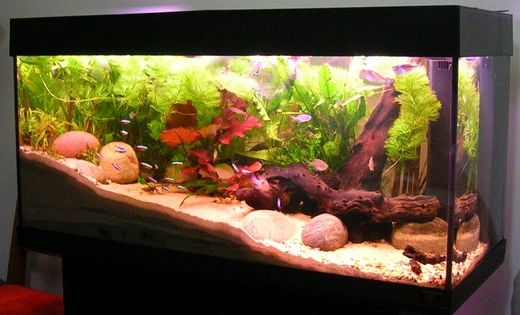
Aquarium fish clubs
Social associations for fishkeepers, with clubs worldwide.

Aquarium fish clubs, also known as aquarium societies, are social associations for fishkeepers found around the world. Some clubs encompass all aspects of the hobby, while others focus on specific fields such as cichlids or marine fishkeeping.
- First aquarium society
- Gotha Aquarium in Germany, founded in 1882
- Oldest continuous club
- Boston Aquarium Society, founded in 1916
- Reformed club
- Brooklyn Aquarium Society, founded in 1911, disbanded mid-century, reformed in the 1950s
- Umbrella organizations
- International Federation of Online Clubs and Aquatic Societies (IFOCAS), Federation of British Aquatic Societies (FBAS, formed 1932), Northeast Council of Aquarium Societies (NEC, formed 1958), Federa
Lore & Background
The first aquarium society ever formed was the Gotha Aquarium in Germany, founded in 1882. The oldest continuous aquarium club still in existence is the Boston Aquarium Society, founded in 1916. A Brooklyn Aquarium Society in New York City was founded in 1911 but disbanded mid-century and later reformed in the 1950s with the same name. Several umbrella organizations exist for the organised hobby, including the International Federation of Online Clubs and Aquatic Societies (IFOCAS), the Federation of British Aquatic Societies (formed in 1932), the Northeast Council of Aquarium Societies (formed in 1958), and the Federation of American Aquarium Societies (FAAS).
Reader's Guide
Aquarium fish clubs serve as social rather than academic associations, bringing together fishkeepers from around the world. Many clubs hold fish shows similar to dog shows, where fish are judged and awarded prizes based on color, size, and other criteria. Some clubs also hold auctions where fish, plants, equipment, and books are sold, often inexpensively, giving members the chance to obtain rare and unusual species bred by other members. Internet forums are an important aspect of many clubs, allowing members to easily share information and experiences. The clubs' legacy lies in their role as community hubs for hobbyists, facilitating the exchange of knowledge, specimens, and equipment, and in the case of the oldest continuous club, the Boston Aquarium Society, demonstrating enduring organizational stability since 1916.
Roots of the Movement
The story of organized aquarium keeping stretches back further than many hobbyists realize. In 1882, a group of fish enthusiasts in Germany established what would become the very first aquarium society in recorded history, the Gotha Aquarium. This pioneering gathering set a precedent that would ripple across continents over the following decades. A few years later, in 1911, the Brooklyn Aquarium Society opened its doors in New York City, only to dissolve in the middle of the twentieth century before being revived in the 1950s under the identical name. Meanwhile, the Boston Aquarium Society, established in 1916, has maintained an unbroken chain of membership and activity ever since, making it the oldest continuously operating club of its kind anywhere in the world. What unites all of these early groups is a shared identity as social communities rather than formal academic institutions. Today, similar gatherings of dedicated fishkeepers can be found on every inhabited continent, carrying forward a tradition that began in a small German town more than a century and a half ago.
Umbrella Bodies & Specialization
As the number of local clubs grew, the need for coordination at a broader level became apparent. Several umbrella organizations emerged to link individual societies together and represent the organized hobby on a larger stage. The Federation of British Aquatic Societies, known by its acronym FBAS, was formed in 1932 and has served as a unifying body for clubs across the United Kingdom. In North America, the Northeast Council of Aquarium Societies was established in 1958, while the Federation of American Aquarium Societies (FAAS) took on a wider continental role. More recently, the International Federation of Online Clubs and Aquatic Societies (IFOCAS) extended that connective tissue into the digital age. Beneath these larger structures, individual clubs vary enormously in scope. Some welcome members interested in every facet of keeping fish, from freshwater community tanks to elaborate planted setups. Others narrow their focus to a single discipline, devoting their meetings and resources exclusively to cichlid keeping or marine aquarium maintenance. This blend of broad-based and highly specialized groups gives the hobby a layered, diverse character.
Shows, Auctions & the Social Calendar
One of the most distinctive features of club life is the annual or seasonal fish show, an event that draws a clear parallel to the well-known dog shows held at county fairs. At these gatherings, members present their specimens for judging, and prizes are awarded based on criteria such as coloration, size, and overall condition. The competitive element is tempered by the social spirit of the occasion, making it as much a community get-together as a contest. Alongside shows, many clubs organize auctions where members can buy and sell fish, live plants, specialized equipment, and reference books. These transactions typically take place at modest prices, and they offer a particularly valuable opportunity: members sometimes gain access to rare or unusual species that have been selectively bred by fellow club members. This exchange of living specimens and knowledge strengthens the bonds between hobbyists and keeps the gene pool of the community vibrant. For many enthusiasts, these recurring events form the backbone of their social calendar and the primary reason they maintain their club membership year after year.
The Digital Thread & Global Reach
While the earliest societies relied on face-to-face meetings and printed newsletters, the modern club experience has been profoundly shaped by the internet. Online forums now serve as a vital extension of in-person gatherings, giving members a convenient channel to share care tips, breeding successes, troubleshooting advice, and personal experiences at any hour of the day. This digital layer has also made it easier for the umbrella organizations—IFOCAS, FBAS, NEC, and FAAS—to coordinate across borders and time zones. The result is a hobby that feels simultaneously local and global: a member in a small town can connect with a cichlid specialist on another continent through the same online space. Yet the core identity of these groups remains unchanged from their nineteenth-century origins. They are social associations first and foremost, built around the shared joy of keeping fish rather than formal academic research. Whether a club spans every aspect of the hobby or concentrates on a single niche like marine keeping, the underlying purpose is the same: bringing like-minded people together around their passion for the underwater world.
Frequently Asked Questions
What are aquarium fish clubs?
Aquarium fish clubs, sometimes called aquarium societies, are community organizations where fishkeeping enthusiasts gather to share knowledge, resources, and experiences. They exist in many countries and can cover the full range of the hobby or zero in on a niche like cichlid care or marine tanks.
What was the first aquarium fish club ever founded?
The Gotha Aquarium in Germany holds the distinction of being the earliest known aquarium society, established in 1882. It marked the beginning of organized, community-based fishkeeping around the world.
What is the oldest aquarium club still active today?
The Boston Aquarium Society, started in 1916, is recognized as the oldest continuously operating aquarium club. It has maintained its activities without interruption since its founding.
Can an aquarium fish club focus on just one type of fish?
Absolutely. While some societies welcome all aspects of the hobby, others dedicate themselves to a single specialty, such as keeping cichlids or maintaining saltwater marine setups.
More in Fishkeeping 1-24
Spotted an error? Know more?
Reader corrections go straight into our review queue. Suggest an edit · How this site is sourced