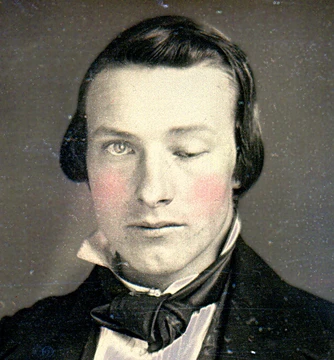
Xerophthalmia
Dry eye condition from vitamin A deficiency causing preventable blindness.
Last updated
Xerophthalmia is a medical condition in which the eye fails to produce tears, deriving its name from Ancient Greek terms for 'dry' and 'eye'. It is most notably caused by severe vitamin A deficiency, leading to pathologic dryness of the conjunctiva and cornea, and can ultimately result in blindness if untreated.
Treatment
Treatment addresses both symptoms and the underlying deficiency. Symptomatic management includes artificial tears, humidifiers, and wraparound glasses outdoors. The deficiency is treated with vitamin A or multivitamin supplements, or by consuming foods rich in vitamin A. Once corneal ulceration occurs, only extreme surgery may offer a chance of restoring sight.
Epidemiology
In southeast Asia, over half of children under six have subclinical vitamin A deficiency and night blindness, with xerophthalmia as the leading cause of preventable childhood blindness. Annually, 350,000 cases of childhood blindness result from vitamin A deficiency. Causes include deficiency during pregnancy, low transfer during lactation, and diets low in vitamin A or beta-carotene. Prevalence of blindness in preschool children is lower than new case incidence because childhood vitamin A deficiency raises all-cause mortality.
Did You Know?
- The condition develops over a few months as lacrimal glands fail to produce tears.
- Bitot's spots, clumps of keratin debris inside the conjunctiva, appear during progression.
More in Disorders of Eyelid, Lacrimal System and Orbit
Sources
Compiled from Wikipedia and the sources listed below. Text from Wikipedia is available under CC BY-SA 4.0; this entry is adapted from it.
- Wikipedia: Xerophthalmia (CC BY-SA 4.0).
- Word definitions: the , each quoted from its Wikipedia article.
Spotted an error? Know more?
Reader corrections go straight into our review queue. Suggest an edit · How this site is sourced