Epiphora (medicine)
Overflow of tears due to impaired drainage.
Last updated
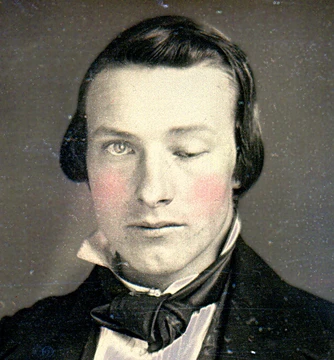
Epiphora describes tears spilling onto the cheek, not from ordinary crying. This sign or condition results from poor tear drainage, where tears escape down the face instead of passing through the nasolacrimal system.
Quick Facts
- Field
- Ophthalmology
Facts from the source article.
Cause
Causes of epiphora include either overproduction of tears or decreased drainage. Ocular irritation and inflammation, such as trichiasis and entropion, can lead to tearing. Obstructed tear outflow may be due to ectropion, punctal, canalicular, or nasolacrimal duct obstruction.
The latter often results from aging, conjunctivochalasis, infection like dacryocystitis, rhinitis, or in neonates, failure of the nasolacrimal duct to open. Trauma from facial fractures or soft-tissue injury can also cause poor reconstruction of the nasolacrimal system. Punctal plugs used for dry eye treatment have been reported to cause epiphora in some cases.
Did You Know?
- Fluorescein dye can be used to examine for punctal reflux by pressing on the canaliculi.
- Dacryoscintigraphy is an imaging method used to detect obstructions in the lacrimal apparatus.
- A dacryocystorhinostomy joins the lacrimal sac to the nasal mucosa.
More in Disorders of Eyelid, Lacrimal System and Orbit
Sources
Compiled from Wikipedia and the sources listed below. Text from Wikipedia is available under CC BY-SA 4.0; this entry is adapted from it.
- Wikipedia: Epiphora (medicine) (CC BY-SA 4.0).
- Word definitions: the Codexery glossary, each quoted from its Wikipedia article.
Spotted an error? Know more?
Reader corrections go straight into our review queue. Suggest an edit · How this site is sourced