Apraxia of lid opening
Inability to voluntarily open the eyelid after closure.
Last updated
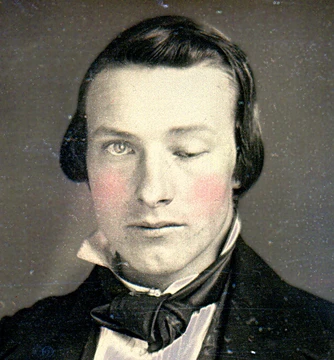
Apraxia of lid opening (ALO) is an inability to initiate voluntary eyelid opening after a period of closure, while normal function is preserved at other times. Manual lifting of the eyelid typically resolves the problem, and the lid then remains open. It was first clearly described as a distinct entity in 1965.
Quick Facts
- Typical onset decade
- sixth decade of life
Facts from the source article.
Causes
Despite its name, apraxia of lid opening is not a true apraxia. Its precise cause remains unclear, but it is believed to stem from abnormal supranuclear neuronal activity. Electromyography shows the condition can involve either unwanted inhibition of the levator palpebrae superioris, persistent contraction of the pretarsal orbicularis oculi, or a combination of both. Reduced glucose metabolism has been seen in the basal ganglia, frontal lobe, and primary visual cortex in some patients.
While often occurring alone, ALO can also appear alongside blepharospasm. It has been linked to extrapyramidal disorders like Parkinson's disease, progressive supranuclear palsy, hydrocephalus, motor neuron disease, Shy–Drager syndrome, and various brain lesions. Associated medications include lithium, sulpiride, and the meperidine analog MPTP.
Did You Know?
- During attempted lid opening, forceful frontalis muscle contraction, backward thrusting of the head, or opening of the mouth may be observed.
- When drug-induced, ALO may resolve within weeks to months upon cessation of the agent.
More in Disorders of Eyelid, Lacrimal System and Orbit
Sources
Compiled from Wikipedia and the sources listed below. Text from Wikipedia is available under CC BY-SA 4.0; this entry is adapted from it.
- Wikipedia: Apraxia of lid opening (CC BY-SA 4.0).
- Word definitions: the , each quoted from its Wikipedia article.
Spotted an error? Know more?
Reader corrections go straight into our review queue. Suggest an edit · How this site is sourced