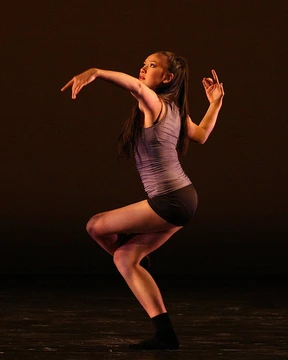
Charles Weidman
Pioneer of American modern dance and gravity-based movement.

Charles Weidman (July 22, 1901 – July 15, 1975) was a choreographer, modern dancer, and teacher, recognized as one of the pioneers of modern dance in America. He sought to break from traditional dance forms to create a uniquely American style of movement, choreographing from the 1920s until his death in 1975. While most famous for his work with Doris Humphrey, he also did much work on his own, creating a bridge to a new range of movement that inspired a whole genre of dance still evolving today. Weidman began his career with the Denishawn Company but soon left its exotic style to develop movement rooted in American culture. In 1927, during the Roaring Twenties, he co-founded the Humphrey-Weidman Company with Doris Humphrey. He described the era as a positive, vital time that affirmed human values and demanded self-expression. His choreography spanned the Great Depression, the New Deal, and World War II, and while not overtly political, his themes embodied American culture. Weidman’s technique centered on gravity, rediscovering the fall and exploring the body’s resistance to it through suspension and the progressive unfolding of movement called succession. This vocabulary included floor work, jumping, and falling. He was also noted for his dramatic skill, bringing expressive, emotional range from comedy to seriousness to his work. His choreographic themes varied widely: *Flickers* was a comedic sketch of silent films with exaggerated stereotypes; *Atavisms* included *Lynch Town*, a depiction of a bloodthirsty mob; *This Passion* portrayed famous murder cases; *Brahms Waltzes* was dedicated to Humphrey; and *On My Mother’s Side* honored his maternal family. Later works included religious oratorios, one of which was called his master opus. Weidman received the Heritage Award in 1970. He trained influential choreographers including José Limón, Bob Fosse, and Louis Falco, and his ideas remain foundational to modern dance.
- born
- July 22, 1901
- died
- July 15, 1975
- field
- Choreography, modern dance, teaching
- nationality
- American
- known_for
- Pioneer of modern dance; co-founder of the Humphrey-Weidman Company; gravity-bas
Verified Timeline
Lore & Background
Charles Weidman began his career as a dancer for the Denishawn Company but soon decided to break free from their exotic style to create a new style unique to America. He started the Humphrey-Weidman Company with Doris Humphrey in 1927, during the Roaring Twenties, a time of cultural and economic development. Weidman described the era as 'a positive time, one that said yes to human values, a time full of vitality.' He choreographed through the Great Depression, the New Deal, and World War II, with themes designed to embody American culture. Weidman's movement vocabulary was based on gravity, exploring how giving into gravity makes one fall while balancing against it creates movement. He emphasized movements before and after falling, leading to concepts of suspension and succession. His technique included much floor work, jumping, and falling, and he brought dramatic abilities to dance, with expressive and emotional choreography ranging from comedy to seriousness. Weidman worked in a range of choreographic styles, including religious, comedic, tributary, and serious works. His famous comedic piece Flickers was a sketch of silent films with jerky movements and exaggerated stereotypes. In contrast, Atavisms included Lynch Town, a depiction of a bloodthirsty mob. Other notable works include This Passion, Brahms Waltzes (dedicated to Doris Humphrey), On My Mother's Side, and later Oratorios centered on religious themes.
Reader's Guide
Charles Weidman changed the way dance was danced by working in different parameters, rejecting ballet and embracing gravity. His contributions were recognized with the Heritage Award in 1970. He trained famous choreographers such as José Limón, Bob Fosse, and Louis Falco. Weidman helped lay the foundations for modern dance, and many of his ideas remain the basis for modern dance today. However, his work is not well known and has been hard to reconstruct because very little is on tape and only some is in Labanotation; former dancers have reconstructed most works from memory. His passion, influence, and ideas have had an important influence on how movement is studied and created today. He was inducted into the National Museum of Dance's Mr. & Mrs. Cornelius Vanderbilt Whitney Hall of Fame in 1987.
Did You Know?
- Weidman described the Roaring Twenties as 'a positive time, one that said yes to human values, a time full of vitality.'
- His comedic piece Flickers was a sketch of silent films cut into four different reels with jerky movements and exaggerated racial and sex stereotypes.
- Weidman trained famous choreographers José Limón, Bob Fosse, and Louis Falco.
- He received the Heritage Award in 1970 for his contributions to dance.
- Very little of Weidman's work is on tape or in Labanotation, so former dancers have reconstructed most of his works from memory.
More in Dance Pioneers 1-23
Spotted an error? Know more?
This is a living reference — every entry is fact-audited, and reader corrections feed straight into our audit queue. Suggest an edit · See this site's audit record