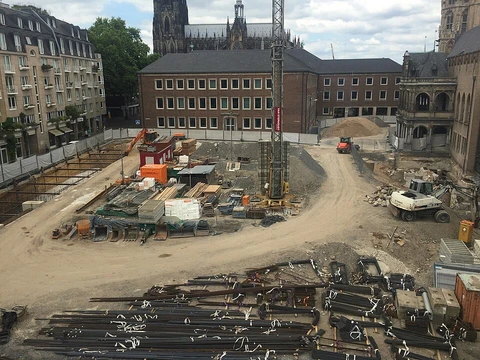
Ceramic
Hard, brittle, heat-resistant materials made from fired inorganic substances.

Goterrestrial · CC BY 4.0
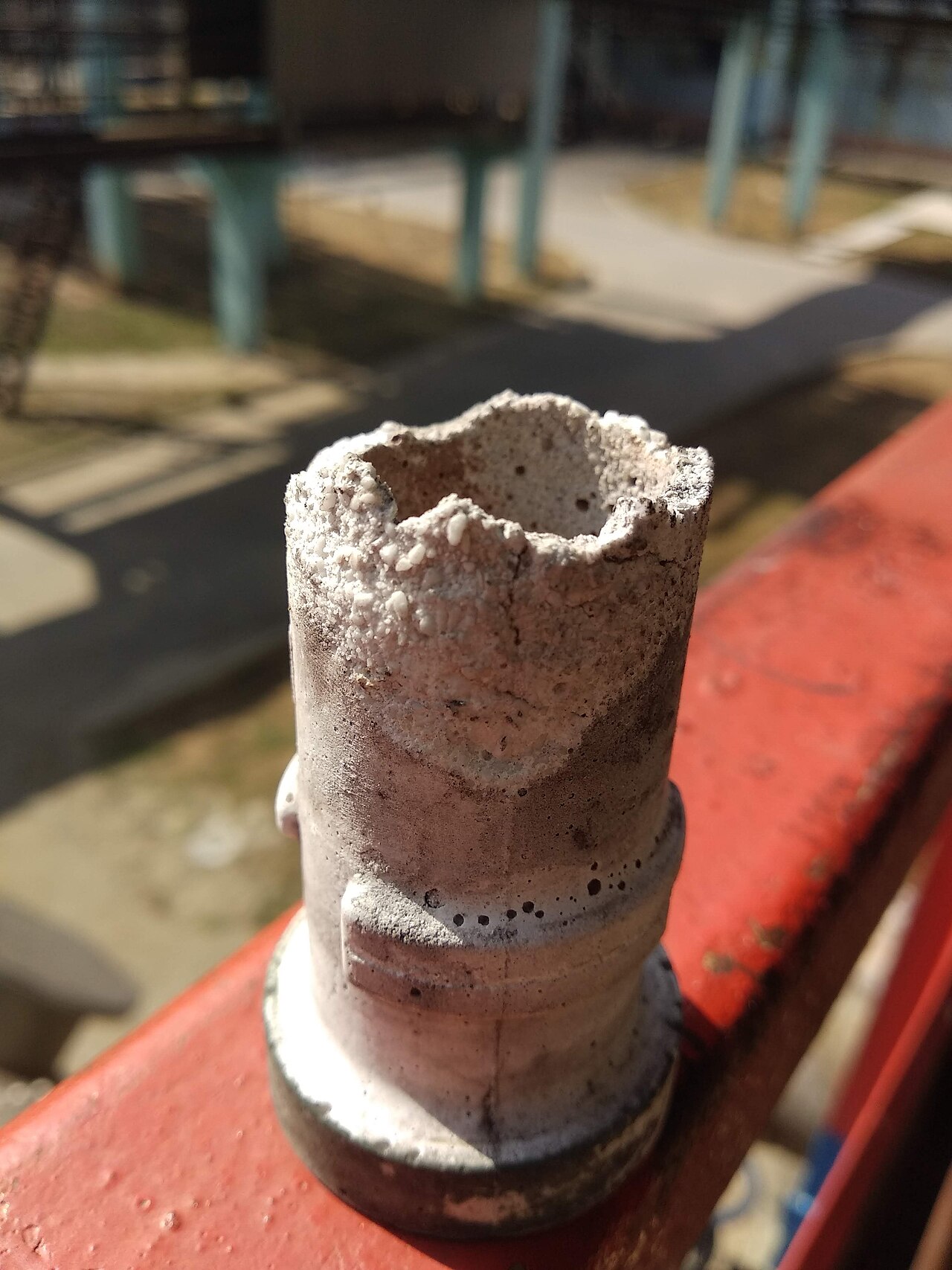
Ceramics are hard, brittle materials that resist heat and corrosion, produced by shaping and firing inorganic, nonmetallic substances like clay at high temperatures. Common examples include earthenware, porcelain, and brick. The category now covers domestic, industrial, and building products, along with advanced engineering materials such as semiconductors.
The word "ceramic" traces back to the Ancient Greek *keramikós*, meaning "of or for pottery," itself from *kéramos* ("potter's clay, tile, pottery"). The earliest known reference to the root is the Mycenaean Greek *ke-ra-me-we*, meaning workers of ceramic, recorded in Linear B script. The term can serve as an adjective for a material, product, or process, or as a noun—often in the plural form "ceramics."
Ceramic materials are inorganic and include metallic oxides, nitrides, or carbides. Some elements, like carbon or silicon, may also be considered ceramics. They are brittle, hard, strong under compression, but weak in shear and tension. They resist chemical erosion from acidic or caustic environments and can withstand very high temperatures, typically between 1,000 °C and 1,600 °C (1,800 °F to 3,000 °F). Their crystallinity varies widely; most fired ceramics are vitrified or semi-vitrified, as seen in earthenware, stoneware, and porcelain. The mix of ionic and covalent bonds, combined with varying crystallinity, makes most ceramics good thermal and electrical insulators—a focus of ceramic engineering. Because nearly all elements, bonding types, and levels of crystallinity are possible, the group’s overall properties are hard to generalize. Common traits include high melting temperature, high hardness, poor conductivity, high elastic moduli, chemical resistance, and low ductility, though exceptions exist (e.g., piezoelectric, low-glass-transition-temperature, and superconductive ceramics). Composites like fiberglass and carbon fiber, despite containing ceramic materials, are not classified as ceramics.
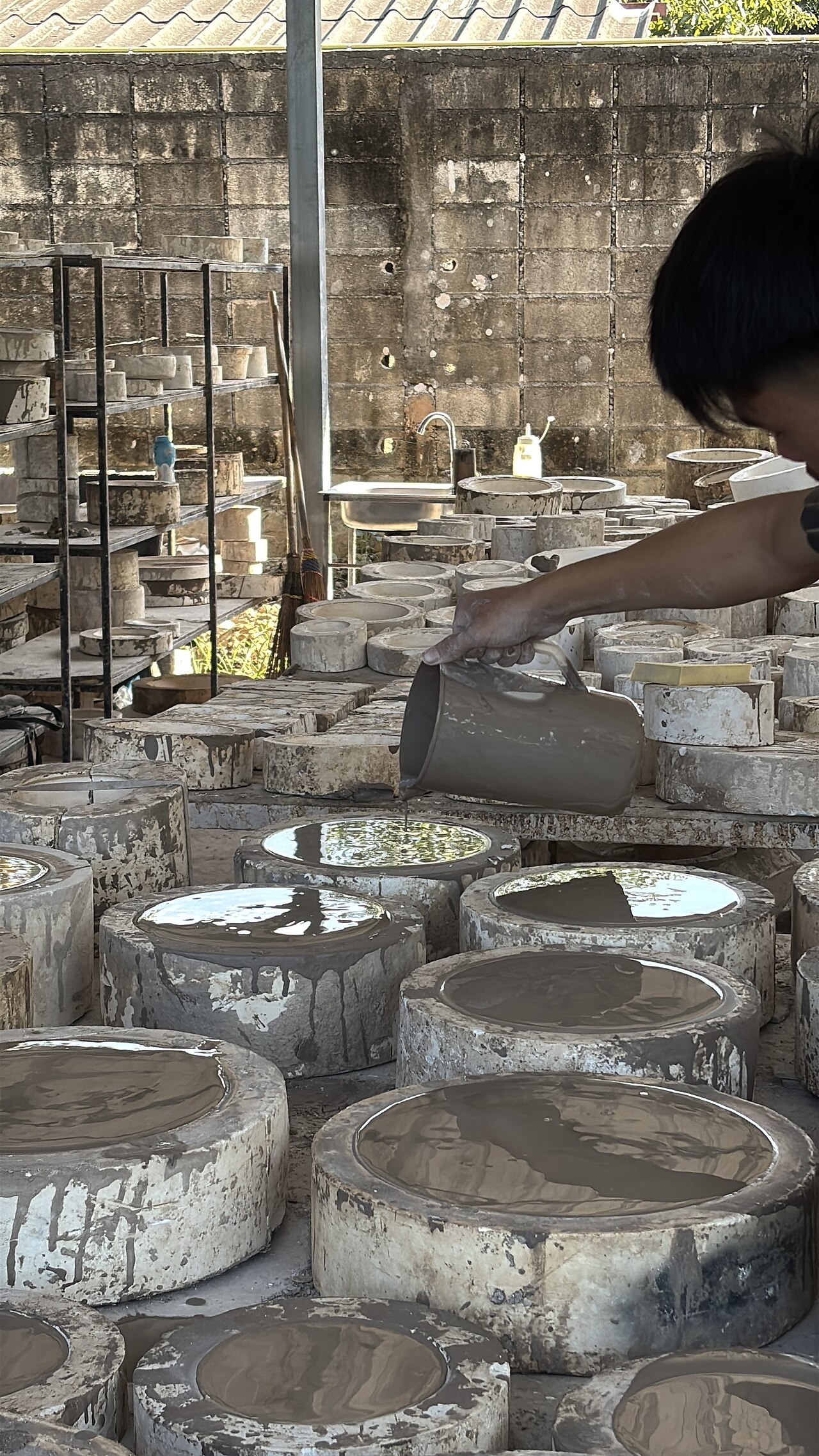
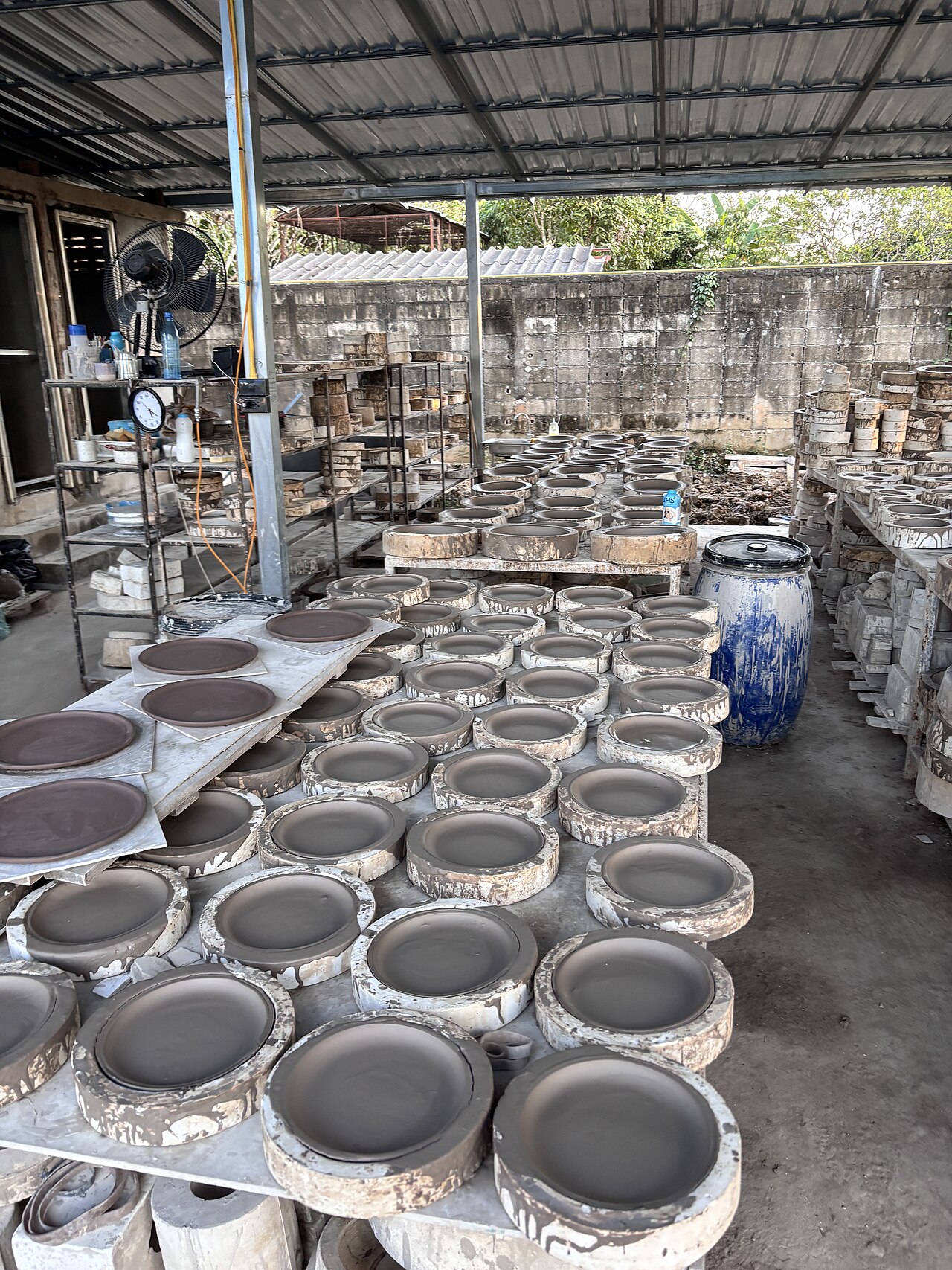
Highly oriented crystalline ceramics require specific processing methods: either forming the desired shape through reaction in situ, or shaping powders and then sintering them into a solid. Techniques include hand shaping (sometimes using a rotating "throwing" process), slip casting, tape casting (for thin ceramic capacitors), injection molding, dry pressing, and others. Many experts exclude amorphous materials like glass from the ceramic family, even though glassmaking shares several ceramic process steps and similar mechanical properties; however, heat treatment can convert glass into a semi-crystalline glass-ceramic.
Traditional ceramic raw materials include clay minerals like kaolinite, while more recent ones include aluminium oxide (alumina). Advanced ceramics, such as silicon carbide and tungsten carbide, are valued for abrasion resistance and used in applications like wear plates in mining crushers. They also appear in medical, electrical, electronics, and armor industries.
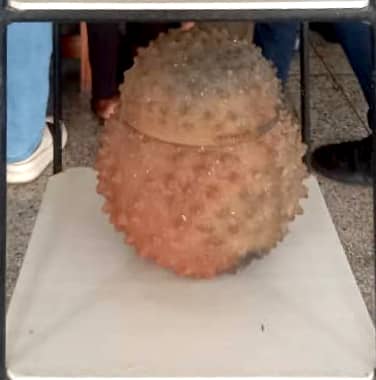
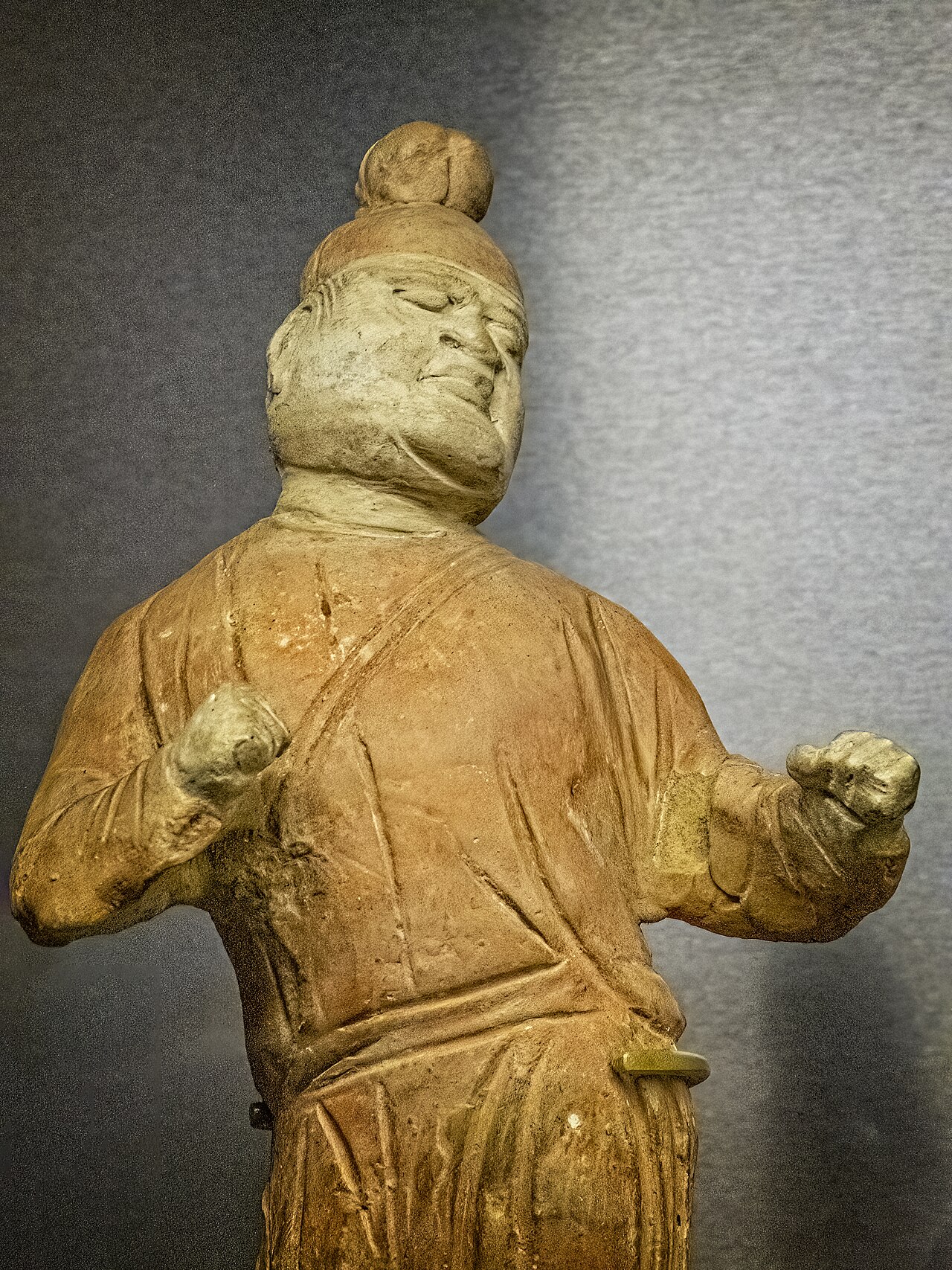
Humans have made ceramics for at least 26,000 years, subjecting clay and silica to intense heat to fuse them. The earliest known examples, found in southern central Europe, were sculpted figures rather than dishes. The oldest pottery was made by mixing animal products with clay and firing it at up to 800 °C (1,500 °F). Pottery fragments exist from 19,000 years ago, but regular pottery only became common about 10,000 years later. The Corded Ware culture, named for its pottery, spread across much of Europe; its people decorated wet clay with rope, which burned off during firing, leaving grooved patterns. The invention of the wheel enabled smoother, more even pottery through wheel-forming (throwing). Early ceramics were porous and absorbed water, but glazing techniques—coating pottery with silicon, bone ash, or other materials that melt into a glassy surface—made vessels less permeable.
Ceramic artifacts are crucial in archaeology for understanding past cultures, technologies, and behaviors, as they are among the most common finds.
- field
- Materials science, archaeology, engineering
- known_for
- Hard, brittle, heat-resistant, corrosion-resistant materials; earliest human-made ceramics were fired clay bricks
- key_properties
- High melting temperature, high hardness, poor conductivity, chemical resistance, low ductility
- word_origin
- Ancient Greek κεραμικός (keramikós), meaning 'of or for pottery'
Lore & Background
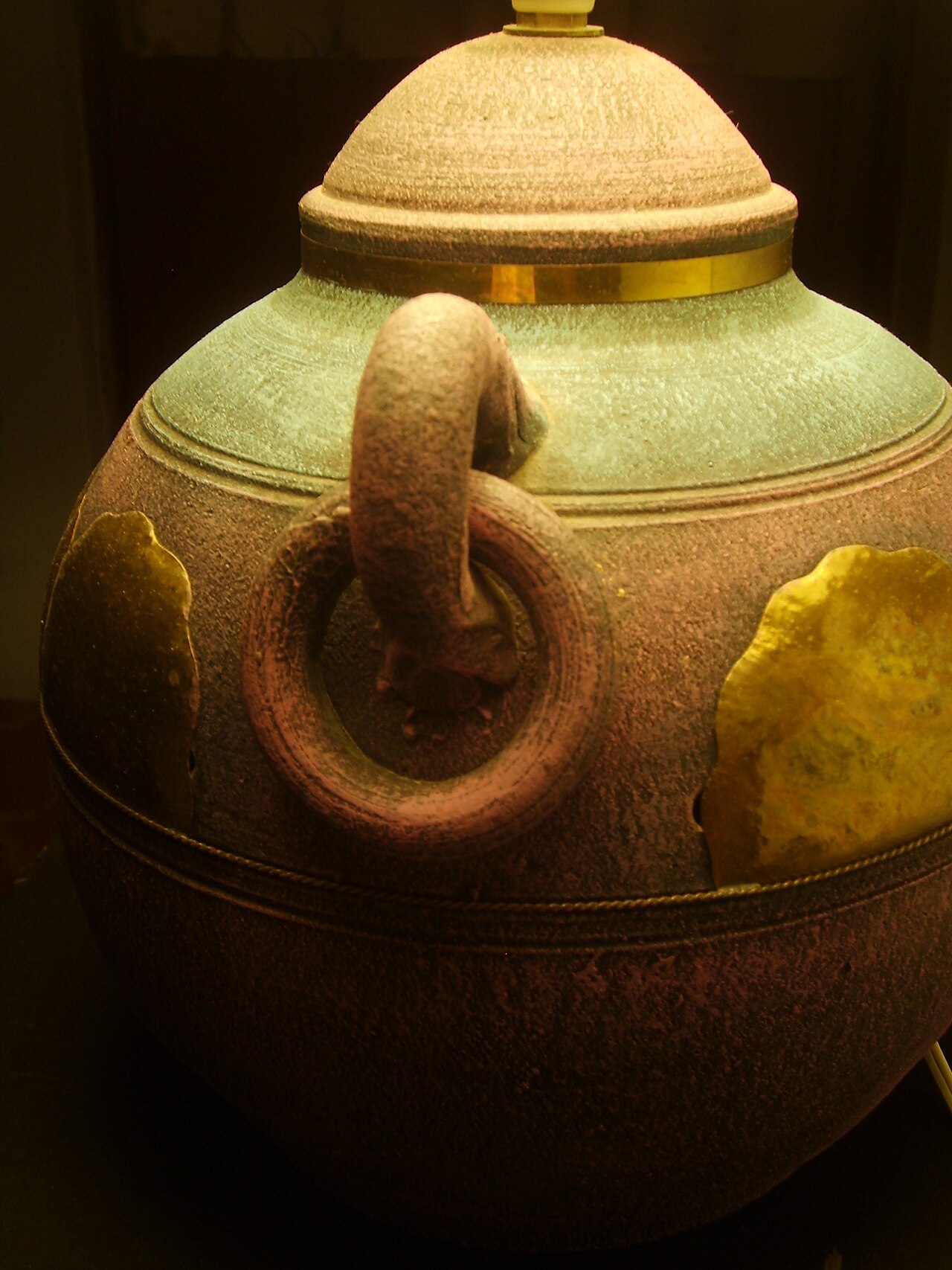
The earliest ceramics made by humans were fired clay bricks used for building house walls and other structures. Other pottery objects such as pots, vessels, vases, and figurines were made from clay, either by itself or mixed with other materials like silica, hardened by sintering in fire. Later, ceramics were glazed and fired to create smooth, colored surfaces, decreasing porosity through glassy, amorphous ceramic coatings on top of crystalline ceramic substrates.
Reader's Guide
The invention of the wheel led to smoother pottery using the throwing technique. Early ceramics were porous, but the discovery of glazing—coating pottery with silicon, bone ash, or other materials that melt into a glassy surface—made vessels less pervious to water. Ceramic artifacts are crucial in archaeology for understanding past cultures, technology, and behavior. Analysis of sherds (broken pottery fragments) involves traditional typological sorting by style, composition, and morphology, as well as technical examination of clay and temper to determine material source and possible manufacturing site. Modern advanced ceramics include silicon carbide and tungsten carbide, valued for abrasion resistance in mining equipment, and are used in medical, electrical, electronics, and armor industries.
Did You Know?
- The word ceramic comes from the Ancient Greek κεραμικός (keramikós), meaning 'of or for pottery'.
- The earliest known mention of the root ceram- is the Mycenaean Greek ke-ra-me-we, workers of ceramic, written in Linear B syllabic script.
- Many ceramics experts do not consider amorphous materials like glass to be ceramics, though heat treatments can convert glass into a semi-crystalline glass-ceramic.
- Ceramic artifacts are among the most common finds at archaeological sites, generally in the form of small fragments called sherds.
Gallery
Frequently Asked Questions
Who is Ceramic?
Ceramic is a broad family of hard, brittle, heat-tolerant materials created by shaping inorganic, nonmetallic substances such as clay and then firing them at very high temperatures. Everyday examples include porcelain tableware, earthenware pots, and structural bricks.
What are Ceramic's key powers and weaknesses?
Ceramic materials deliver extremely high melting points, outstanding hardness, and strong chemical-corrosion resistance, making them ideal for harsh environments. Their trade-offs are brittleness, poor electrical conductivity, and essentially zero ductility, so they crack rather than bend under stress.
Why is Ceramic important across the canon?
Ceramic sits at the crossroads of materials science, archaeology, and modern engineering because it covers everything from household goods and building products to advanced semiconductor substrates. Its versatility across domestic, industrial, and high-tech contexts makes it one of the most widely referenced material categories.
Where does Ceramic's story go next?
Ceramic's arc is far from finished, as the category now stretches into cutting-edge advanced materials for electronics, aerospace, and precision engineering. New formulations continue to push the limits of heat resistance, structural performance, and functional properties beyond traditional earthenware and porcelain.
More in Construction & Materials 1-19
Spotted an error? Know more?
This is a living reference — every entry is fact-audited, and reader corrections feed straight into our audit queue. Suggest an edit · See this site's audit record