
Hank Williams
American composer and conductor known for iconic film scores.

via Wikipedia: John Williams · see source
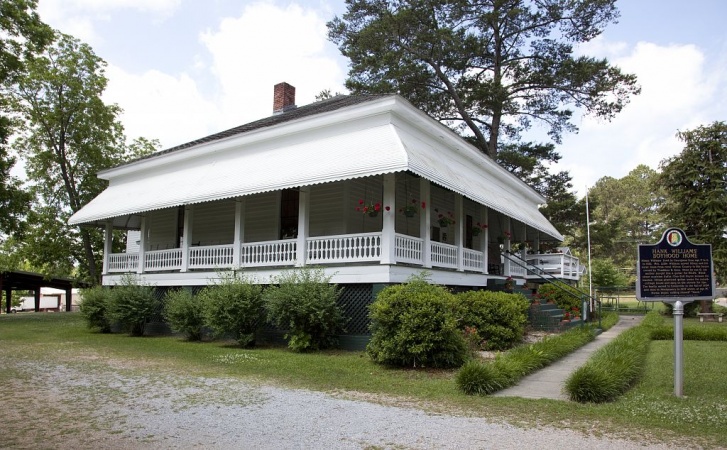
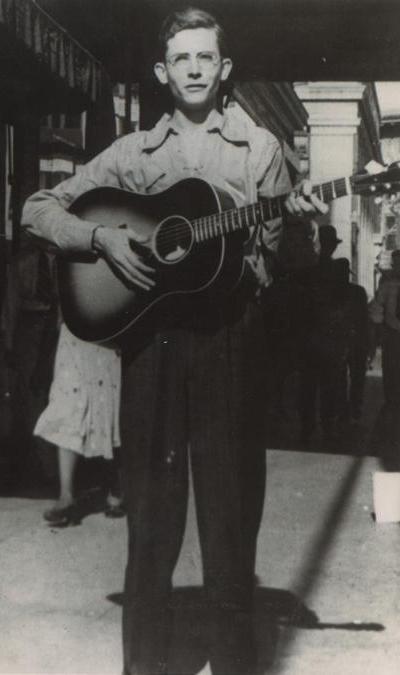
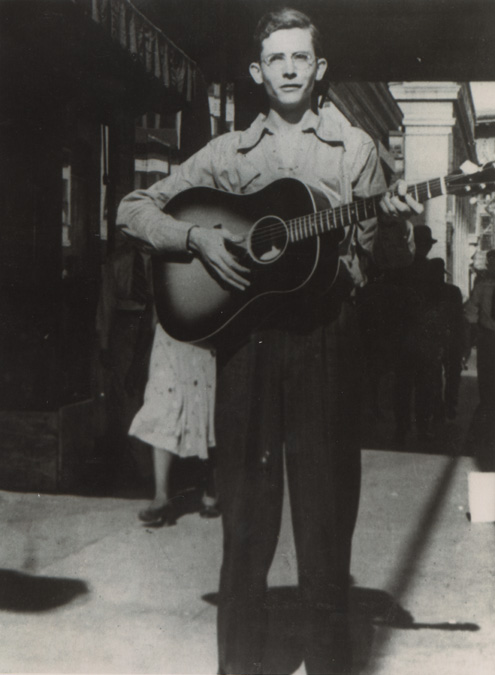
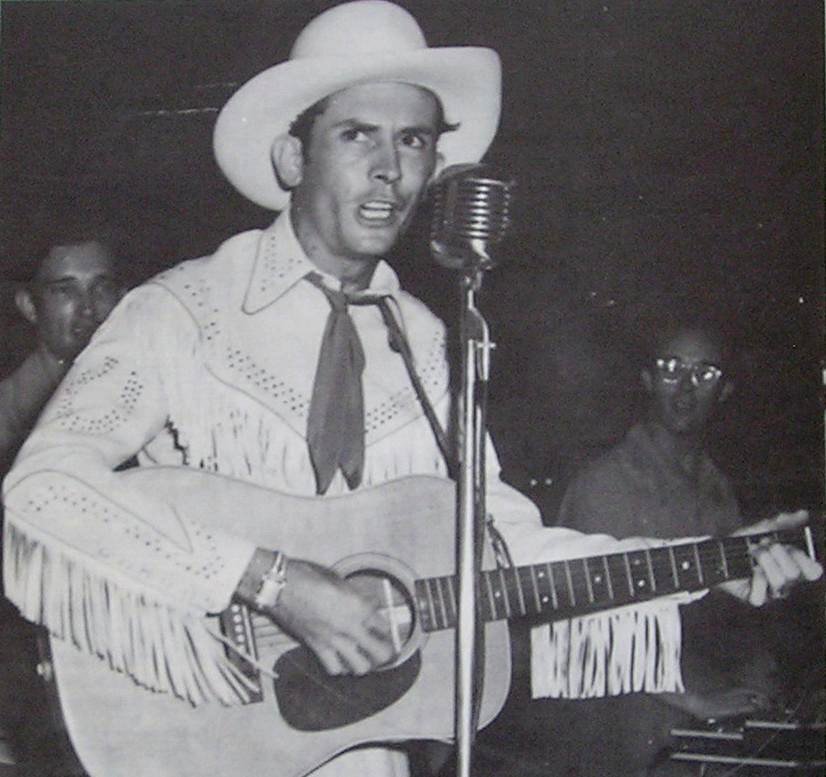
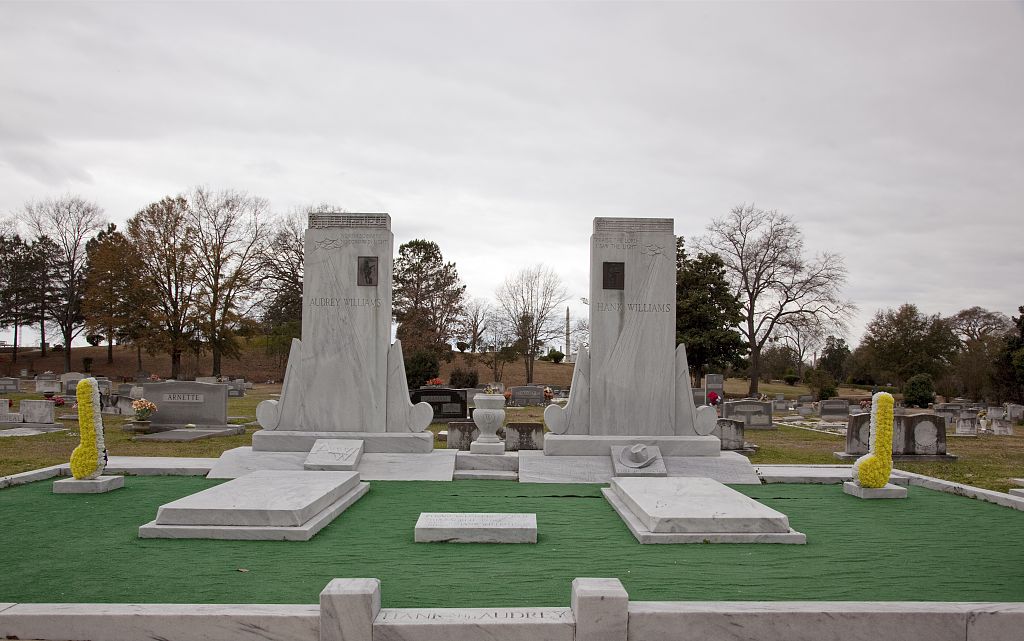
Hiram "Hank" Williams (September 17, 1923 – January 1, 1953) was an American singer, songwriter, and musician, regarded as a foundational figure in country music and one of the most influential musicians of the 20th century. Born in rural Butler County, Alabama, he was the third child of Lillie and Lon Williams. He had spina bifida occulta, a spinal condition causing lifelong pain that later contributed to his substance abuse. His father was hospitalized for eight years after a brain aneurysm, leaving Lillie to raise the family. Williams learned guitar from his aunt and was musically shaped by blues musician Rufus Payne and Roy Acuff. After winning a talent contest, he began his professional career in Montgomery in the late 1930s, performing at local venues and on radio. He formed the Drifting Cowboys, managed by his mother, and left school to focus on music. His alcoholism made him unreliable, leading to multiple firings and rehirings by radio station WSFA. He married Audrey Sheppard in 1944, who vied with his mother for control of his career. After early recordings with Sterling Records, he signed with MGM Records, releasing the hit "Move It On Over" in 1947. His cover of "Lovesick Blues" reached number one on the Billboard country chart and launched him to stardom on the Grand Ole Opry. Though unable to read or notate music, he wrote iconic songs like "Your Cheatin' Heart," "Hey, Good Lookin'," and "I'm So Lonesome I Could Cry." He recorded 55 top-10 singles on the Billboard country chart, including 12 number ones and five posthumous releases. Struggling with back pain, alcoholism, and strained relationships, he died of heart failure at age 29 in a car near Oak Hill, West Virginia, en route to a concert. His posthumous honors include induction into the Country Music Hall of Fame, the Rock and Roll Hall of Fame, and a Pulitzer Prize Special Citation. His work influenced artists from Chuck Berry to Bob Dylan, and his life was dramatized in films such as *I Saw the Light*.
- born
- February 8, 1932
- field
- Composer and conductor
- nationality
- American
Verified Timeline
Lore & Background
John Towner Williams was born on February 8, 1932, in Queens, New York City, to Esther (née Towner) and Johnny Williams, a jazz drummer and percussionist who played with the Raymond Scott Quintet. He has an older sister, Joan, and two younger brothers, Jerry and Don, who play on his film scores. In 1948, the Williams family moved to Los Angeles. John attended North Hollywood High School and graduated in 1950. He attended the University of California, Los Angeles, and studied composition privately with the Italian composer Mario Castelnuovo-Tedesco. Williams also attended Los Angeles City College for one semester to play for the school's studio jazz band. In 1951, Williams joined the U.S. Air Force, where he played the piano and bass and conducted and arranged music for the U.S. Air Force Band. In March 1952, he was assigned to the Northeast Air Command 596th Air Force Band, and after military training at the Lackland Air Force Base in Texas, he was stationed at Davis–Monthan Air Force Base in Tucson, Arizona. While there, he attended music courses at the University of Arizona. Williams was then stationed at Pepperrell Air Force Base in St. John's, Newfoundland for two years. In 1955, following his service, Williams moved to New York City to study piano with Rosina Lhévinne at Juilliard. Williams neither enrolled in courses nor did he graduate from the school, instead taking private lessons from Lhévinne at her practice room on campus. He originally planned on becoming a concert pianist, but after hearing John Browning and Van Cliburn perform, he switched his focus to composition, realizing 'I could write better than I could play.' During his studies, Williams found work in many of the city's jazz clubs as a pianist. Following his studies with Lhévinne, Williams moved back to Los Angeles, where he began working as an orchestrator at film studios. During this period, Williams worked with such composers as Franz Waxman, Bernard Herrmann and Alfred Newman, and with fellow orchestrators Conrad Salinger and Bob Franklyn. Williams was also a studio pianist and session musician, performing scores by Jerry Goldsmith, Elmer Bernstein and Henry Mancini. One of his first jobs was working under mentor Alfred Newman with an uncredited orchestral role for Carousel (1956), starring his soon-to-be wife Barbara Ruick. With Mancini, he recorded the scores of Peter Gunn (1959), Breakfast at Tiffany's (1961), Days of Wine and Roses (1962) and Charade (1963), and played the piano part of the guitar-piano ostinato in Mancini's Peter Gunn title theme. With Elmer Bernstein, he performed on the scores for Alexander Mackendrick's Sweet Smell of Success (1957) and Robert Mulligan's To Kill a Mockingbird (1962). Williams was also the pianist on the scores of Billy Wilder's The Apartment (1960), Jerome Robbins and Robert Wise's West Side Story (1961) and Blake Edwards's The Great Race (1966). He released several jazz albums under the name Johnny Williams, including Jazz Beginnings, World on a String and The John Towner Touch. Williams also served as music arranger and bandleader for a series of popular music albums alongside Ray Vasquez and Frankie Laine. In 1952, Williams wrote his first film composition while stationed at Pepperrell Air Force Base for You Are Welcome, a promotional film created for the Province of Newfoundland tourist information office. Williams's first feature film composition was for Daddy-O (1958), followed two years later by Because They're Young. Williams also composed music for television, including Bachelor Father (1957–59), the Kraft Suspense Theatre (1963–65), Lost in Space (1965–68), The Time Tunnel (1966–67) and Land of the Giants (1968–70), the latter three created by producer Irwin Allen. He also worked on several episodes of M Squad (1957–60) and Checkmate (1960–62) and the pilot episode of Gilligan's Island (1964–67). The American-Japanese anti-war epic None but the Brave (1965) marked the beginning of Williams's full transition from television to major Hollywood film composing, and shaped his style for future blockbusters. A Variety reviewer highlighted his score for providing 'excellent background'. The film was also Williams's first collaboration with Frank Sinatra, who directed and starred in it. He later conducted for Sinatra at venues such as a Sloan-Kettering Cancer Center gala. Williams called William Wyler's How to Steal a Million (1966) 'the first film I ever did for a major, super-talent director'. He received his first Academy Award nomination for his score for Valley of the Dolls (1967), and was nominated again for Goodbye, Mr. Chips (1969). His first win was for Best Scoring: Adaptation and Original Song Score, for Norman Jewison's Fiddler on the Roof (1971). He scored Robert Altman's Images (1972) and The Long Goodbye (1973). Of the latter, Pauline Kael wrote, 'Williams' music is a parody of the movies' frequent overuse of a theme, and a demonstration of how adaptable a theme can be.' Altman, known for giving actors free rein, had a similar approach to Williams, telling him to 'do whatever you want. Do something you haven't done before.' His prominence grew in the early 1970s thanks to his work for Irwin Allen's disaster films The Poseidon Adventure (1972), The Towering Inferno and Earthquake (both 1974). Williams named his Images score as a favorite; he recalls 'the score used all kinds of effects for piano, percussion, and strings. It had a debt to Varèse, whose music enormously interested me. If I had never written film scores, if I had proceeded writing concert music, it might have been in this vein'. Williams's scores for The Reivers (1969) and The Cowboys (1972) impressed a young Steven Spielberg, who was getting ready to direct his feature debut, The Sugarland Express (1974). He requested Williams, who recalled, 'I met what looked to be this seventeen-year-old kid, this very sweet boy, who knew more about film music than I did—every Max Steiner and Dimitri Tiomkin score. We had a meeting in a fancy Beverly Hills restaurant, arranged by executives. It was very cute—you had the feeling Steven had never been in a restaurant like that before. It was like having lunch with a teenage kid, but a brilliant one'. They reunited a year later for Jaws. Spielberg used Williams's score for Images as a temp track while editing Jaws. When Williams played his main theme for Jaws, based on the alternation of two notes, Spielberg initially thought it was a joke. Williams explained: 'the sophisticated approach you would like me to take isn't the approach you took with the film I just experienced'.
Reader's Guide
Williams's early work as a film composer includes None but the Brave (1965), Valley of the Dolls (1967), Goodbye, Mr. Chips (1969), Images (1972), The Long Goodbye (1973) and The Towering Inferno (1974). His work with Spielberg began on The Sugarland Express (1974), and he has composed music for all but five of his feature films. He received Academy Awards for Fiddler on the Roof (1971; arrangement of the original score by Jerry Bock), Jaws (1975), Star Wars (1977), E.T. the Extra-Terrestrial (1982) and Schindler's List (1993). Other memorable collaborations with Spielberg include Close Encounters of the Third Kind (1977), Raiders of the Lost Ark (1981), Jurassic Park (1993), Saving Private Ryan (1998), Catch Me If You Can (2002), Lincoln (2012) and The Fabelmans (2022). He also scored Superman (1978), the first two Home Alone films (1990–1992), and the first three Harry Potter films (2001–2004). Williams served as the Boston Pops' principal conductor from 1980 to 1993 and is its laureate conductor. He has also composed numerous classical concertos and other works for orchestral ensembles and solo instruments. Williams's works include theme music for the 1984 Summer Olympics, 'The Mission' theme (used by NBC News and Seven News in Australia) and PBS's Great Performances. Williams received the Kennedy Center Honor in 2004, the National Medal of the Arts in 2009 and the AFI Life Achievement Award in 2016. He was inducted into the Songwriters Hall of Fame in 1998, the Hollywood Bowl's Hall of Fame in 2000 and the American Classical Music Hall of Fame in 2004. In 2022, Williams was awarded an honorary knighthood by Queen Elizabeth II, 'for services to film music'. The Library of Congress included the Star Wars score in the National Recording Registry for being 'culturally, historically, or aesthetically significant'. The American Film Institute included three of his scores on its AFI's 100 Years of Film Scores: Jaws, E.T. and, in first place, Star Wars. His career was chronicled in the Disney+ documentary Music by John Williams (2024).
Did You Know?
- John Williams is the second-most nominated person in Academy Award history, with 54 nominations, after Walt Disney.
- He is the oldest Academy Award nominee in any category, receiving a nomination at 91 years old.
- Williams played the piano part of the guitar-piano ostinato in Henry Mancini's Peter Gunn title theme.
- He originally planned to be a concert pianist but switched to composition after hearing John Browning and Van Cliburn perform.
- The Library of Congress included the Star Wars score in the National Recording Registry for being 'culturally, historically, or aesthetically significant'.
The Spielberg-Lucas Partnership and Film Scoring Dominance
John Williams's most defining professional relationship began in 1974 when he scored The Sugarland Express for Steven Spielberg. From that point forward, he composed music for every Spielberg feature except five, creating an unbroken musical thread through Close Encounters of the Third Kind, Raiders of the Lost Ark, E.T. the Extra-Terrestrial, Jurassic Park, Saving Private Ryan, Catch Me If You Can, Lincoln, and The Fabelmans. His partnership with George Lucas produced the iconic Star Wars score in 1977, a work so culturally embedded that the Library of Congress later enshrined it in the National Recording Registry. Williams also delivered memorable themes for Superman, the first two Home Alone films, and the opening trilogy of Harry Potter. His Academy Awards came for Fiddler on the Roof, Jaws, Star Wars, E.T., and Schindler's List, and with 54 total nominations he stands as the second-most nominated individual in Oscar history behind only Walt Disney.
Roots in Jazz and the Road to Composition
John Towner Williams entered the world on February 8, 1932, in Queens, New York, into a household saturated with music. His father, Johnny Williams, was a jazz drummer and percussionist who played alongside the Raymond Scott Quintet and collaborated with composer Bernard Herrmann. Young John would sometimes sit in on his father's rehearsals, absorbing orchestral textures before he could read a score. The family relocated to Los Angeles in 1948, where he graduated from North Hollywood High School in 1950 and then studied composition privately with Italian maestro Mario Castelnuovo-Tedesco at UCLA. After a stint in the U.S. Air Force, where he conducted and arranged for military bands in Arizona and Newfoundland, he moved to New York in 1955 to take private piano lessons with Rosina Lhévinne at Juilliard. Originally aspiring to be a concert pianist, he heard performances by John Browning and Van Cliburn and concluded his writing outpaced his playing, redirecting his entire creative focus toward composition.
From Studio Orchestrator to Global Icon
Before his name appeared above the title, Williams spent years in the trenches of Hollywood's music departments. Working as an orchestrator under legends like Franz Waxman, Bernard Herrmann, and Alfred Newman, he learned the craft of translating a composer's vision into full orchestral sound. He also served as a session pianist, performing on scores for Peter Gunn, Breakfast at Tiffany's, Days of Wine and Roses, Charade, Sweet Smell of Success, To Kill a Mockingbird, The Apartment, West Side Story, and The Great Race. His first credited film composition came as early as 1952 while he was still serving in the Air Force. By the mid-1960s, his own scores began appearing: None but the Brave, Valley of the Dolls, Goodbye, Mr. Chips, Images, The Long Goodbye, and The Towering Inferno. This period of apprenticeship and gradual recognition laid the groundwork for the blockbuster era that followed, giving him an encyclopedic knowledge of orchestral color and cinematic storytelling that no conservatory course could replicate.
Honors, Classical Ambitions, and a Life in Music
Beyond the silver screen, Williams maintained a deep commitment to classical and popular music. He served as principal conductor of the Boston Pops from 1980 to 1993 and remains its laureate conductor, while also composing concertos and works for orchestral ensembles and solo instruments. His output extended to the 1984 Summer Olympics theme, the "Mission" theme used by NBC News and Australia's Seven News, and PBS's Great Performances. In his earlier career, he released jazz albums under the name Johnny Williams, including Jazz Beginnings, World on a String, and The John Towner Touch. The recognition has been extraordinary: a Kennedy Center Honor in 2004, the National Medal of the Arts in 2009, the AFI Life Achievement Award in 2016, and an honorary knighthood from Queen Elizabeth II in 2022 for services to film music. He was inducted into the Songwriters Hall of Fame, the Hollywood Bowl's Hall of Fame, and the American Classical Music Hall of Fame, and at 91 he became the oldest Academy Award nominee in any category.
Gallery
Frequently Asked Questions
Who is Hank Williams?
Hank Williams was an American singer, songwriter, and musician born in Mount Olive, Alabama, in 1923. He is widely recognized as a foundational figure in the development of country music during the mid-20th century.
What are Hank Williams's most iconic songs?
His best-known recordings include "Your Cheatin' Heart," "Hey, Good Lookin'," and "I'm So Lonesome I Could Cry." These tracks became defining anthems of early country music and remain staples of the genre to this day.
How did Hank Williams's life end?
Williams died on January 1, 1953, in a car accident near Oak Hill, West Virginia, at just 29 years old. His untimely passing cut short what many consider one of the most impactful careers in American music history.
Why is Hank Williams considered so important?
He is regarded as one of the most significant and influential musicians of the 20th century, laying groundwork that shaped the sound and storytelling of country music for decades afterward. His songwriting approach and emotional delivery set a template that countless later artists have followed.
How many chart hits did Hank Williams achieve?
Williams recorded 55 singles that reached the top 10 on the Billboard Country & Western Best Sellers chart. Of those, 12 climbed to the number-one position, and five were released after his death.
More in Composers & Musicians 1-21
Spotted an error? Know more?
This is a living reference — every entry is fact-audited, and reader corrections feed straight into our audit queue. Suggest an edit · See this site's audit record