
Giovanni Pierluigi da Palestrina
Italian composer of late Renaissance sacred music.

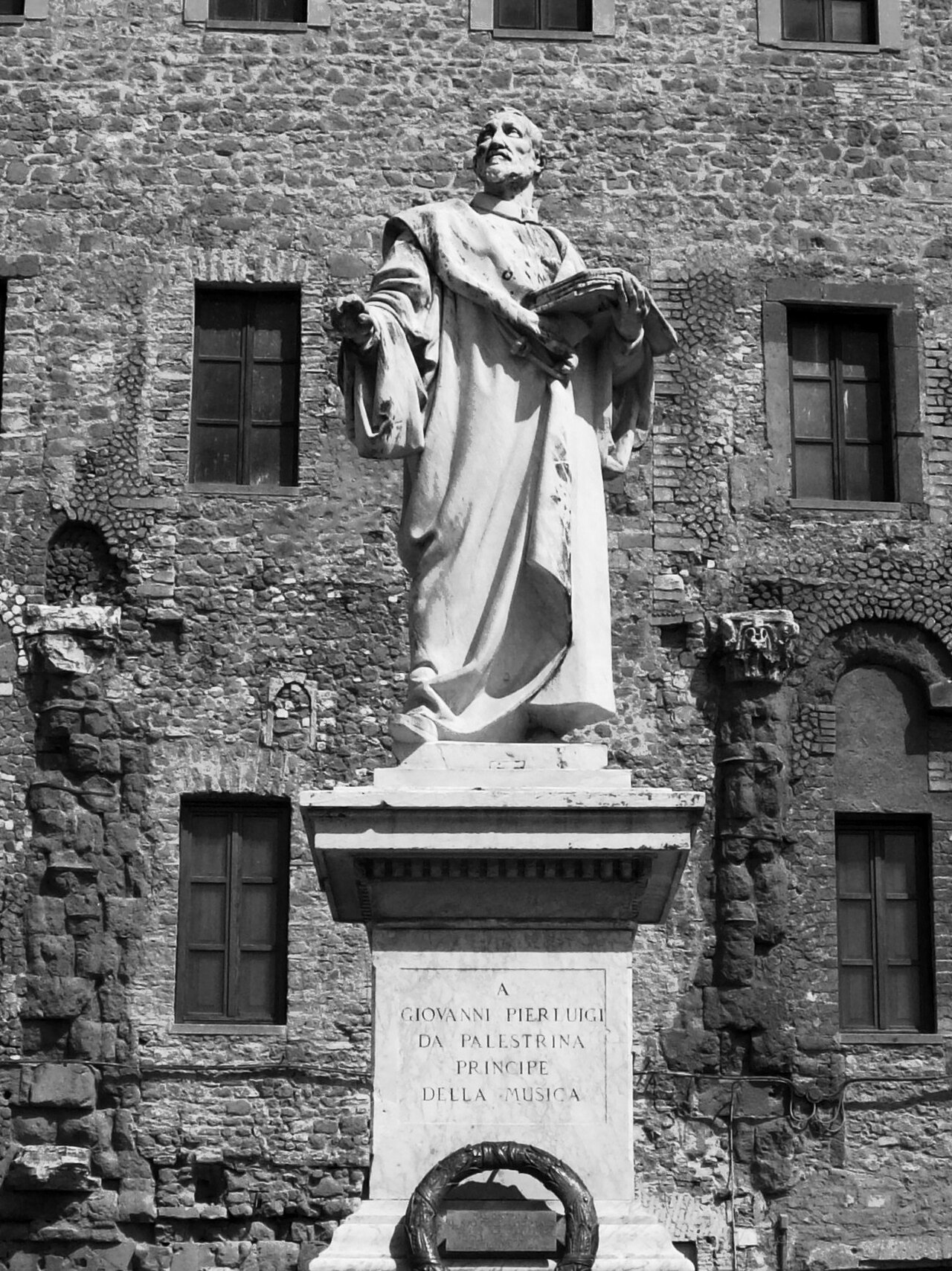
Sergio D'Afflitto · CC BY-SA 3.0
Giovanni Pierluigi da Palestrina, born in the town of Palestrina (then part of the Papal States) sometime between 3 February 1525 and 2 February 1526, died in Rome on 2 February 1594. A leading figure of the late Renaissance, he is the central composer of the Roman School, grouped with Orlande de Lassus and Tomás Luis de Victoria as the most important composer in Europe during the late 1500s. Though his individual works were not forgotten, the greatest impact came from the "Palestrinian style" of counterpoint, later codified by Johann Joseph Fux.
Palestrina was born to Neapolitan parents, Santo and Palma Pierluigi. His mother died when he was ten, on 16 January 1536. He first visited Rome in 1537 as a chorister at Santa Maria Maggiore, one of the papal basilicas, where he studied literature and music. In 1540 he moved to Rome, studying under the Huguenot Claude Goudimel, as well as Robin Mallapert and Firmin Lebel. His musical development was shaped by the northern European polyphonic style, dominant in Italy thanks to Netherlanders Guillaume Du Fay and Josquin des Prez, who had worked there. Italy had no native polyphonic composer of comparable fame. Orlando di Lasso, an early companion, advised him.
From 1544 to 1551, Palestrina served as organist at the Cathedral of St. Agapito in his hometown. In 1551, Pope Julius III—formerly Bishop of Palestrina—appointed him maestro di cappella of the Cappella Giulia, the choir of St. Peter's Basilica. He dedicated his first published book of Masses (1554) to the pope; it was the first such book by a native Italian composer, as most sacred music composers in Italy were from the Low Countries, France, or Spain. The book was modeled on one by Cristóbal de Morales, even copying the woodcut from the Spanish composer's work.
In 1555, Pope Paul IV decreed that all papal choristers must be clerics. Since Palestrina had married early and had four children, he could not continue as a layman. Over the next decade, he held similar posts at St. John Lateran (1555–1560, a position Lassus had held) and Santa Maria Maggiore (1561–1566). He returned to the Cappella Giulia in 1571 and remained at St. Peter's for the rest of his life. The 1570s brought personal tragedy: his brother, two sons, and his wife Lucrezia Gori died in three separate plague outbreaks (1572, 1575, and 1580). He considered becoming a priest but instead remarried, to the wealthy widow Virginia Dormoli, which gave him financial independence and allowed him to compose prolifically until his death.
Palestrina died of pleurisy on 2 February 1594. He was buried the same day in a plain coffin with a lead plate reading *Ioannes Petrus Aloysius Praenestinus Musicæ Princeps*. A five-part *Libera me Domine* for three choirs was sung at his funeral, held at St. Peter's. He was buried beneath the basilica floor, but his tomb was later covered by new construction and has never been found. Disciples Giovanni Maria Nanino and Gregorio Allegri continued his work.
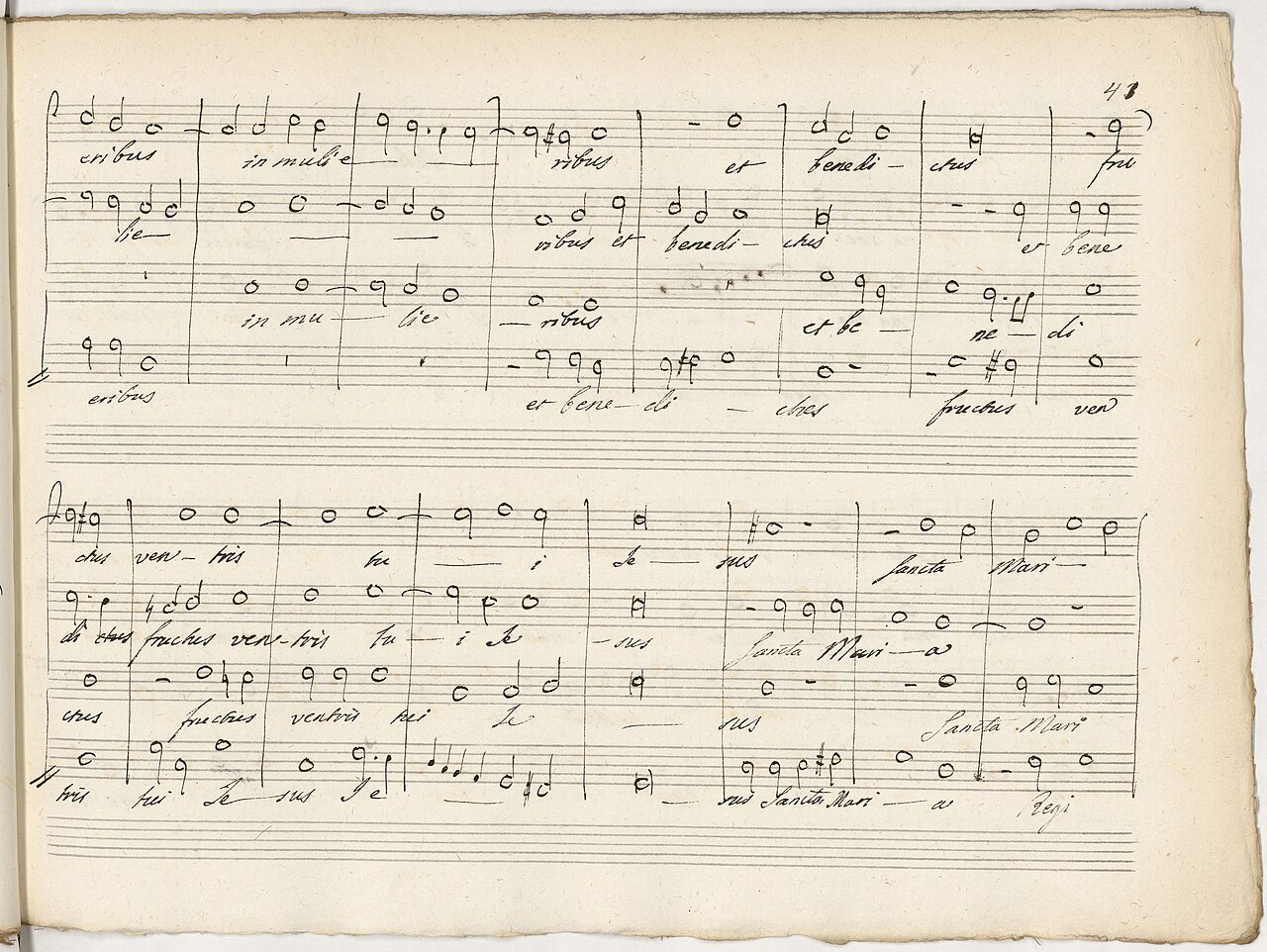
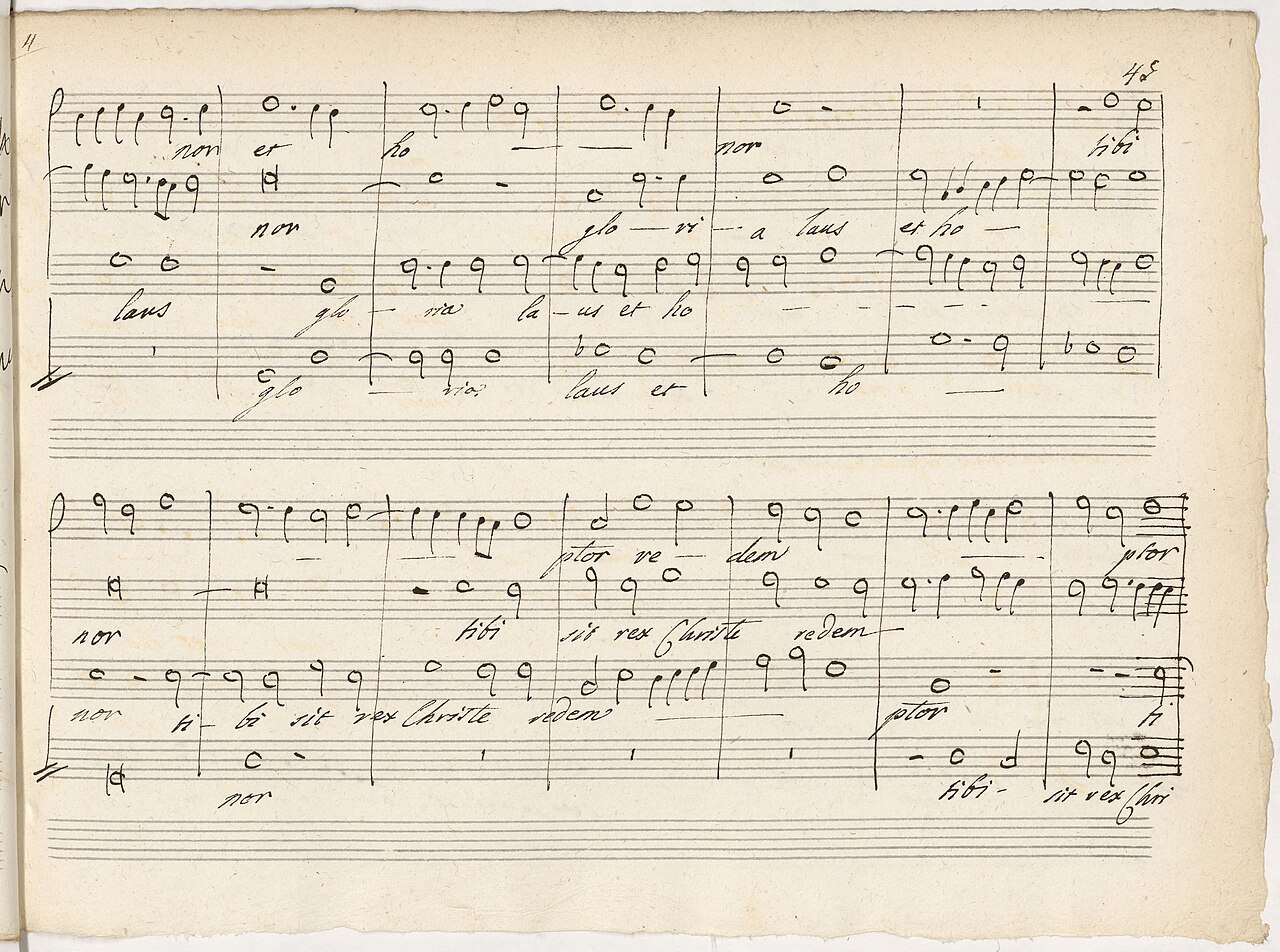
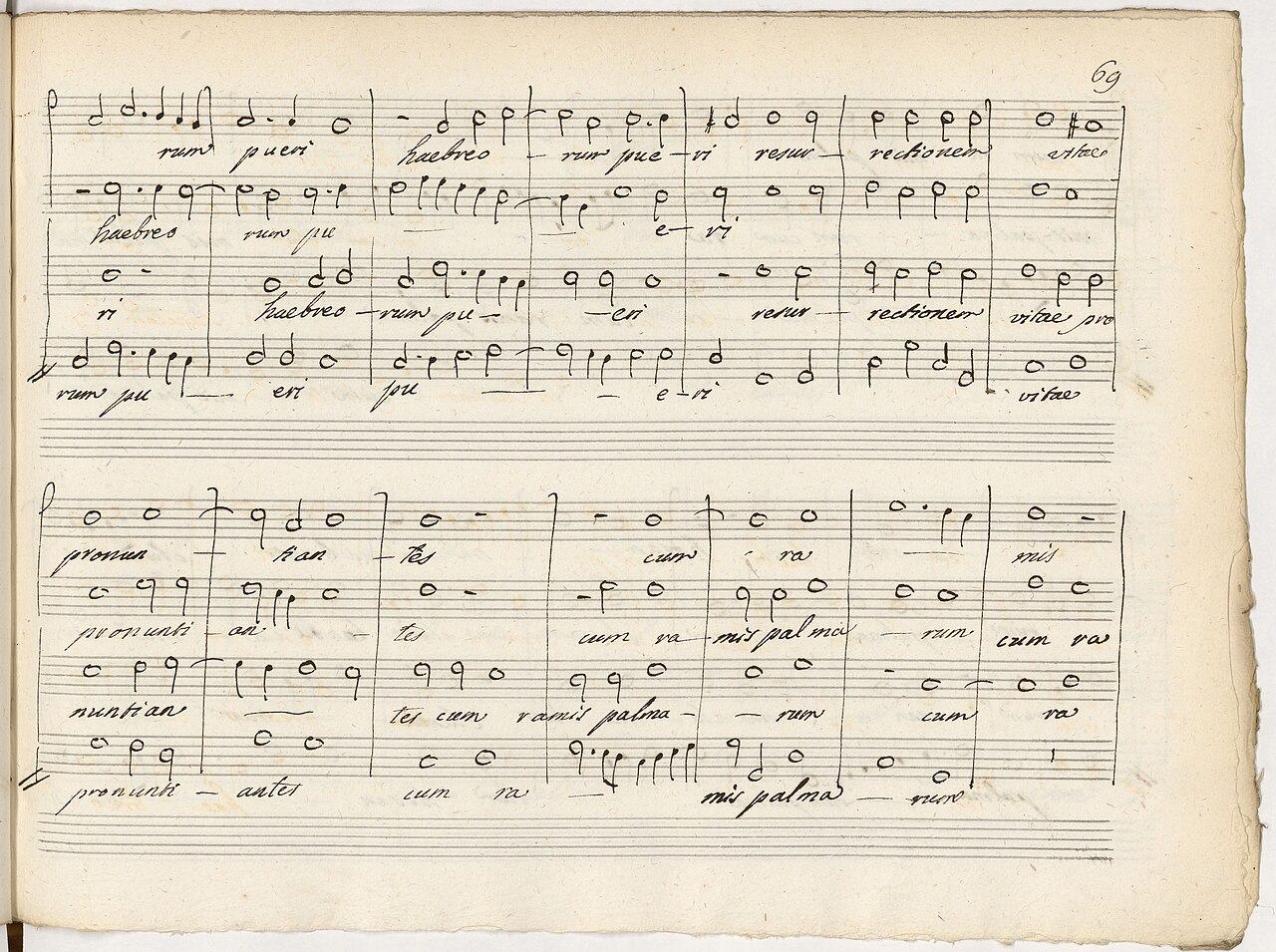
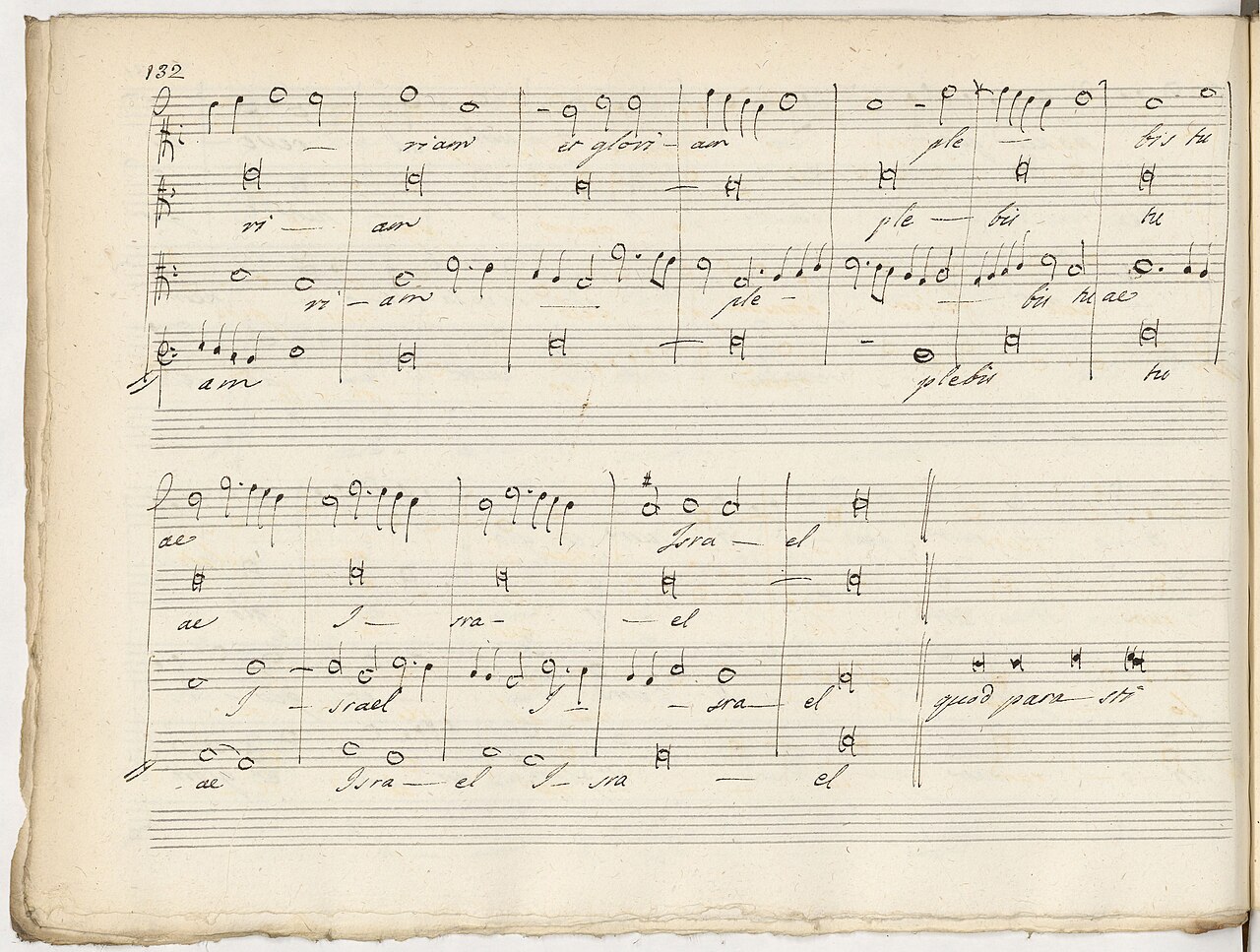
His output includes 105 masses, 68 offertories, at least 140 madrigals, and over 300 motets, plus 72 hymns, 35 magnificats, 11 litanies, and four or five sets of lamentations. The Gloria from his *Magnificat Tertii Toni* (1591) is now used in the resurrection hymn tune "Victory" (The Strife Is O'er). His relationship with madrigals was mixed: in the preface to his 1584 *Canticum canticorum* motets he renounced setting profane texts, yet two years later he published Book II of his secular madrigals.
- field
- Music composition
- nationality
- Italian
- known_for
- Masses, motets, and the 'Palestrinian style' of counterpoint
Quick Facts
- Birth Date
- between 3 February 1525 and 2 February 1526name=birth · group=n
- Birth Place
- Palestrina, Papal States
- Death Date
- 2 February 1594 · 3 February 1525 · df=y
- Death Place
- Rome, Papal States
- List Of Works
- List of compositions
Facts from the source article.
Lore & Background
Palestrina was born in the town of Palestrina in the Papal States to Neapolitan parents Santo and Palma Pierluigi. He first visited Rome in 1537 as a chorister at Santa Maria Maggiore, and moved there in 1540 to study with Claude Goudimel, Robin Mallapert, and Firmin Lebel. From 1544 to 1551 he was organist at the Cathedral of St. Agapito in his native city. In 1551 Pope Julius III appointed him maestro di cappella of the Cappella Giulia at St. Peter's Basilica. He left that post in 1555 when Pope Paul IV ordered all papal choristers to be clerical—Palestrina was married with four children. He then held similar positions at St. John Lateran (1555–1560) and Santa Maria Maggiore (1561–1566). In 1571 he returned to the Cappella Giulia and remained at St. Peter's until his death in 1594.
Reader's Guide
Palestrina's significance lies in his role as the central figure of the Roman School and his long-lasting influence on church and secular music in Europe, especially on the development of counterpoint. According to Grove Music Online, his success in reconciling the functional and aesthetic aims of Catholic church music in the post-Tridentine period earned him an enduring reputation as the ideal Catholic composer. His style, particularly as codified by Johann Joseph Fux, became an iconic model of perfect achievement. The Missa Papae Marcelli has been historically associated with erroneous information involving the Council of Trent; recent scholarship shows the mass was composed before the cardinals convened to discuss any ban, and the Council never actually banned church music. Palestrina's works continue to be studied and performed, and his influence persisted through disciples such as Giovanni Maria Nanino and Gregorio Allegri.
Did You Know?
- Palestrina's first published book of Masses (1554) was the first such book by a native Italian composer; its frontispiece woodcut was almost an exact copy of one from a book by Spanish composer Cristóbal de Morales.
- The Gloria melody from Palestrina's Magnificat Tertii Toni (1591) is widely used today in the resurrection hymn tune Victory (The Strife Is O'er).
- Palestrina's Missa sine nomine was studied and performed by Johann Sebastian Bach while he was writing the Mass in B minor.
- Palestrina died of pleurisy on 2 February 1594 and was buried the same day beneath the floor of St. Peter's Basilica; his tomb was later covered by new construction and has never been found.
- The story that Palestrina's Missa Papae Marcelli saved polyphony from a ban by the Council of Trent is historically inaccurate—the Council never banned church music, and the mass was composed before the cardinals even discussed the matter.
A Life Built Around Rome's Sacred Chapels
Giovanni Pierluigi was born in the small town of Palestrina, east of Rome and within the Papal States, to Neapolitan parents Santo and Palma Pierluigi. Though he spent 1544 to 1551 as organist at the Cathedral of St. Agapito in his hometown, his professional identity was forged in Rome, where he trained under the Huguenot Claude Goudimel, Robin Mallapert, and Firmin Lebel after serving as a chorister at Santa Maria Maggiore. In 1551, Pope Julius III elevated him to maestro di cappella of the Cappella Giulia, the chapter choir at St. Peter's Basilica. That appointment was cut short in 1555 when Paul IV decreed all papal choristers must be clerical—a rule incompatible with Palestrina's status as a married man with four children. He then held comparable posts at St. John Lateran (1555–1560) and Santa Maria Maggiore (1561–1566). In 1571 he returned to the Julian Chapel and stayed at St. Peter's for the remaining twenty-three years of his life, anchoring his career to Rome's most prestigious musical institution.
A Vast Catalog and the Sacred-Secular Question
Palestrina's surviving output is immense: over 105 masses, more than 300 motets, 68 offertories, at least 140 madrigals, 72 hymns, 35 magnificats, 11 litanies, and several sets of lamentations. His first published book of Masses in 1554 was a milestone as the first by a native Italian composer, and its frontispiece woodcut was nearly a direct copy of one from Cristóbal de Morales's earlier volume. His relationship with secular music was deliberately ambivalent. In the 1584 preface to his Canticum canticorum motet collection he declared he had renounced setting profane texts, yet only two years later he released Book II of his secular madrigals, some of which rank among the finest in the medium. In total he issued just two collections of profane madrigals (1555 and 1586); the other two were spiritual madrigals favored by Counter-Reformation advocates. His Missa sine nomine later drew the close attention of Johann Sebastian Bach, who studied and performed it while writing the Mass in B minor.
The Palestrinian Style and Enduring Influence
Palestrina is one of the rare Renaissance composers never wholly erased from musical memory, yet his deepest impact flowed less from any individual piece than from the so-called Palestrinian style of counterpoint, especially as codified by Johann Joseph Fux in his theoretical writings. Together with Orlande de Lassus and Tomás Luis de Victoria, he is regarded as the leading voice of late sixteenth-century European composition and the central figure of the Roman School. His compositional voice was shaped by the Netherlandish polyphonic tradition that dominated Italy through Guillaume Du Fay and Josquin des Prez, with Orlando di Lasso serving as an early stylistic adviser. Grove Music Online credits him with reconciling the functional and aesthetic demands of post-Tridentine Catholic church music, earning him a lasting reputation as the ideal Catholic composer and granting his style an iconic stature as a model of perfect achievement. His disciples Giovanni Maria Nanino and Gregorio Allegri carried his school forward, and the Gloria melody from his Magnificat Tertii Toni (1591) still lives on in the resurrection hymn tune Victory (The Strife Is O'er).
Grief, Remarriage, and a Lost Grave
Beneath the monumental output lay a personal life repeatedly shattered by loss. His mother Palma died when he was ten, and the 1570s brought three separate plague outbreaks that claimed his brother in 1572, two of his sons in 1575, and his first wife Lucrezia Gori in 1580. During that dark decade he reportedly considered taking holy orders, but instead he remarried to the wealthy widow Virginia Dormoli. That second union finally provided the financial independence he had never enjoyed as a modestly compensated choirmaster, and it freed him to compose prolifically until the end. He died of pleurisy in Rome on 2 February 1594 and was buried that very day beneath the floor of St. Peter's Basilica in a plain coffin bearing the inscription Ioannes Petrus Aloysius Praenestinus Musicæ Princeps. A five-part Libera me Domine psalm for three choirs accompanied the funeral service. Subsequent construction covered his burial spot, and no effort since has succeeded in locating his grave.
Gallery
Frequently Asked Questions
What is the 'Palestrinian style' of counterpoint?
It refers to a smooth, balanced technique for weaving multiple independent vocal lines together so they sound unified rather than competing. The approach was later codified into a formal teaching method by Johann Joseph Fux and became the standard counterpoint curriculum for centuries.
Why is Palestrina considered so important in music history?
His pedagogical influence as a model for writing counterpoint arguably outlasted the popularity of any single composition he wrote. He is also credited with helping stabilize Catholic liturgical music during the Counter-Reformation, a moment when the Church was scrutinizing sacred music.
What kinds of works did Palestrina compose?
His output centers on sacred vocal music, especially masses and motets written for Roman churches. He also produced smaller devotional pieces and settings of the standard ordinary mass texts.
Where did Palestrina live and work?
He was born in the small town of Palestrina in the Papal States (modern-day Italy) and spent the bulk of his career in Rome. He held musical positions at St. John's Lateran and other Roman churches for most of his adult life.
More in Composers & Musicians 1-21
Spotted an error? Know more?
This is a living reference — every entry is fact-audited, and reader corrections feed straight into our audit queue. Suggest an edit · See this site's audit record