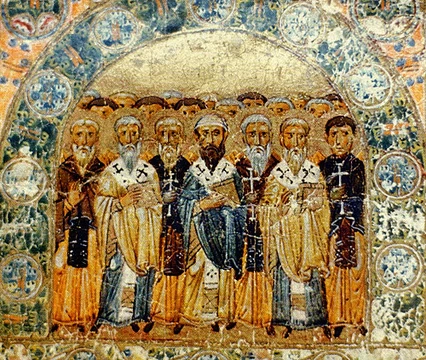
Matthias the Apostle
Apostle chosen by lot to replace Judas Iscariot.
Last updated
Matthias was an apostle in Christianity, chosen by God through the remaining apostles to replace Judas Iscariot after Judas's betrayal of Jesus and subsequent death. According to the Acts of the Apostles, Matthias had been with Jesus from his baptism by John until Jesus's Ascension, and his selection was made by casting lots, a unique method among the apostles. He is not named in any list of disciples or followers in the three synoptic gospels or the Gospel of John. Following the Ascension, Peter proposed that the assembled disciples, numbering about 120, nominate two men to replace Judas.
They chose Joseph called Barsabbas (surnamed Justus) and Matthias. After praying for the Lord to show which of the two was chosen, they cast lots, and the lot fell to Matthias, who was then numbered with the eleven apostles. No further canonical information about Matthias exists. His name is variable; the Syriac version of Eusebius calls him "Tolmai," while Clement of Alexandria references Zacchaeus in a way that might suggest some identified him with Matthias, and the Clementine Recognitions identify him with Barnabas.
Traditions regarding his ministry and death are vague and contradictory. Greek tradition holds he spread Christianity around Cappadocia and the coasts of the Caspian Sea, near the port Hyssus. Nicephorus states he first preached in Judaea, then in Aethiopia (by Colchis, in modern Georgia), and was crucified.
Another tradition maintains he was stoned at Jerusalem by the Jews and then beheaded. Hippolytus of Rome claims he died of old age in Jerusalem. Surviving fragments of a lost Gospel of Matthias are attributed to him, but early Church Fathers considered it heretical. His feast was historically celebrated on 24 February, but in 1969 it was moved to 14 May in the Roman Calendar to avoid Lent and align with Eastertide near the Ascension.
Lore & Background
Matthias was chosen by the remaining eleven apostles to replace Judas Iscariot after Judas betrayed Jesus and died. This selection is unique among the apostles because it occurred after Jesus’ ascension, not during his earthly ministry. According to the Acts of the Apostles, Matthias had been a follower of Jesus from his baptism by John the Baptist until the ascension. Following a proposal by Peter, the assembled disciples, numbering about 120, nominated two men: Joseph called Barsabbas (also known as Justus) and Matthias.
After praying for divine guidance, they cast lots, and the lot fell to Matthias, who was then numbered with the eleven. No further canonical information about him exists, and his name varies in early sources: the Syriac version of Eusebius calls him Tolmai, while Clement of Alexandria suggests some identified him with Zacchaeus, and the Clementine Recognitions equate him with Barnabas. Traditions about his later life are contradictory. One account states he preached in Judaea and then in Aethiopia (near modern Georgia), where he was crucified.
Another tradition holds he was stoned by Jews in Jerusalem and then beheaded by a Roman soldier. A third, from Hippolytus of Rome, claims he died of old age in Jerusalem. The lost Gospel of Matthias is attributed to him, though early Church Fathers considered it heretical. His feast day was historically 24 February (or 25 February in leap years) but was moved in 1969 to 14 May to avoid Lent and align with Eastertide.
Reader's Guide
Matthias's significance lies in his unique selection as an apostle by lot, emphasizing divine choice in the early Christian community. All information concerning his ministry and death is vague and contradictory. Greek tradition says he spread Christianity around Cappadocia and on the coasts of the Caspian Sea, residing chiefly near the port Hyssus.
According to Nicephorus, he first preached in Judaea, then in Aethiopia (by Colchis, now in modern-day Georgia) and was crucified. An extant Coptic Acts of Andrew and Matthias places his activity in 'the city of the cannibals' in Aethiopia. Another tradition maintains he was stoned at Jerusalem by the local populace and then beheaded. Hippolytus of Rome says he died of old age in Jerusalem.
Surviving fragments of the lost Gospel of Matthias attribute it to him, but Early Church Fathers considered it heretical. The Church of England's Book of Common Prayer celebrates him on 24 February, while newer liturgies allow 14 May. His relics are claimed to be in Italy, Germany, or Georgia.
Also in the Codexery
More in Christian Saints & Early Church Fathers
Sources
Compiled from Wikipedia and the sources listed below. Text from Wikipedia is available under CC BY-SA 4.0; this entry is adapted from it.
- Wikipedia: Matthias the Apostle (CC BY-SA 4.0).
Spotted an error? Know more?
Reader corrections go straight into our review queue. Suggest an edit · How this site is sourced