
Gate of the Ghosts
A mythological pass through which the dead must travel.

Daniel L. Lu (user:dllu) · CC BY-SA 4.0
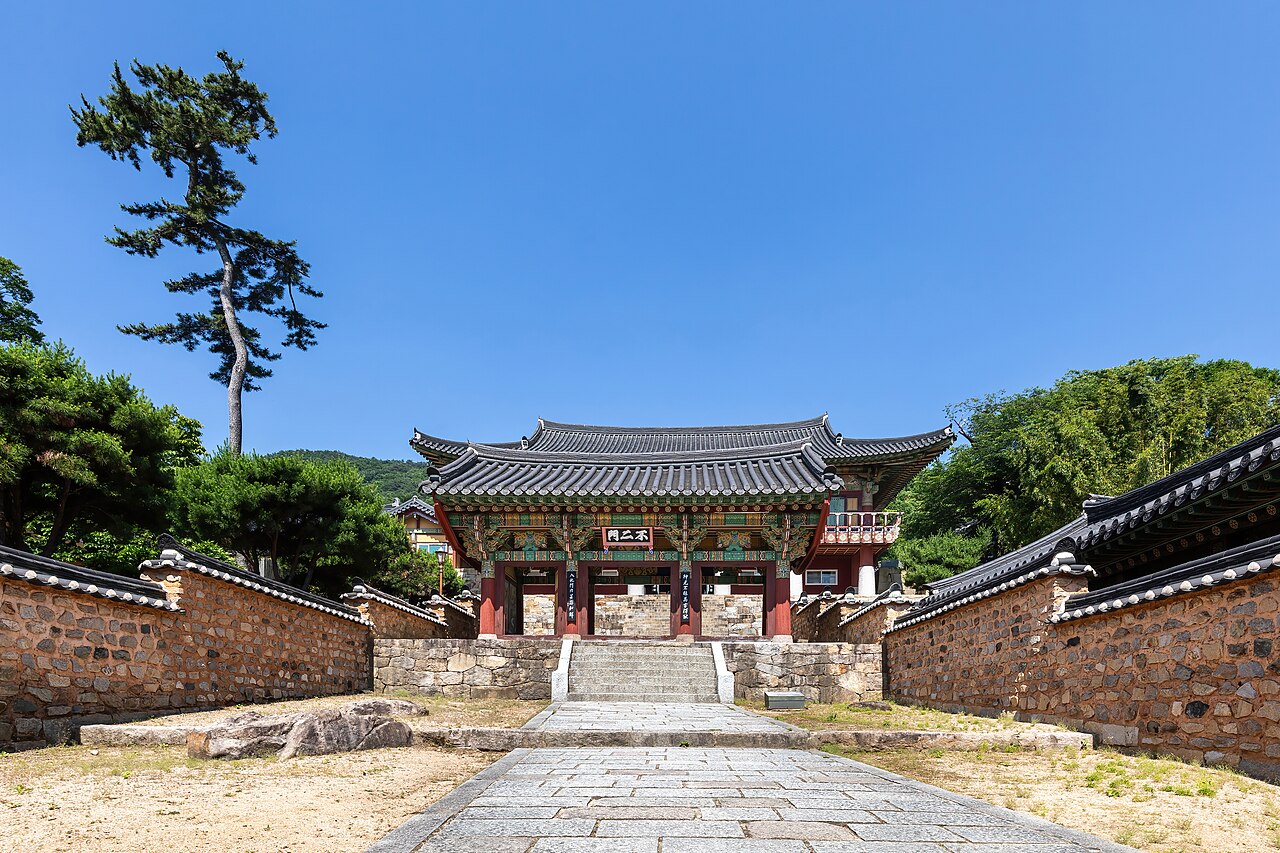
The Gate of the Ghosts (simplified Chinese: 鬼门关; traditional Chinese: 鬼門關; pinyin: Guǐmén guān), also known as Devil's Gate or Demon Gate, is a pass in the Underworld in Chinese mythology. It is a pailou with the words 'Gate of the Ghosts' written on the horizontal plaque, and legend holds that on their way to the Ghost Country, the dead must pass through this gate.
- Also known as
- Devil's Gate, Demon Gate
- Type
- Mythological pass in the Underworld
- Culture
- Chinese mythology
- Associated festival
- Ghost Festival
- Festival month
- Seventh month of the lunar calendar
- Key event
- Opened by the King of Hell on July 1, closed at end of July
Lore & Background
The Gate of the Ghosts is a pailou bearing the words 'Gate of the Ghosts' on its horizontal plaque. According to Chinese mythology, every year on July 1 of the lunar calendar, the King of Hell opens the Gates of the Ghosts to allow those who have suffered and been imprisoned in hell to exit there. These ghosts then have a short chance to wander on earth and enjoy the living world. The gate closes at the end of July, which is therefore considered an unlucky month.
Reader's Guide
The Gate of the Ghosts holds central importance during the Ghost Festival, celebrated in the seventh month of the lunar calendar in Asian countries such as China. Its opening by the King of Hell marks the period when ghosts are believed to roam the earth, leading to traditions that people should neither get married nor move to a new home during July. Traditionally, people worship and conjure their deceased relatives by burning money, ingots, and paper candles, putting up river lanterns, and praying for the blessing of ancestors. These actions are believed to help eliminate disasters and increase blessings, or to save the dead and resolve grievances. Today, the Ghost Festival has become a traditional virtue of filial piety in Chinese culture, and inhabitants of Northern China still burn paper money during the festival to pay homage to their ancestors and express their longing for their loved ones.
Mythological Identity & Architectural Form
The Gate of the Ghosts stands as one of the most recognizable landmarks in Chinese mythological cosmology. Known by several names—Devil's Gate, Demon Gate, or simply Guimen guan in pinyin—it functions as a threshold pass within the Underworld. Its physical form is described as a pailou, the traditional Chinese archway structure, bearing the inscription "Gate of the Ghosts" across its horizontal plaque. This architectural detail grounds the mythological concept in a tangible, visual image: a monumental gateway that separates the realm of the living from the domain of the dead. In the mythology, every soul destined for the Ghost Country must traverse this passage, making it an inescapable waypoint in the afterlife journey. The gate thus serves not merely as a decorative symbol but as a functional boundary, a checkpoint through which the transition from mortal existence to the underworld is formally enacted. Its multiple names reflect the cultural weight it carries across different linguistic and regional traditions within the broader Chinese-speaking world.
The King of Hell's Annual Decree
Each year, the Gate of the Ghosts becomes the focal point of the Ghost Festival, observed in the seventh month of the lunar calendar across Asian nations including China. The mythology holds that on the first day of this lunar month, the King of Hell issues a decree: the gates swing open, releasing those who have endured suffering and imprisonment within the hell realms. These liberated spirits are granted a brief window to roam the earthly world and experience the realm of the living once more. However, this reprieve is temporary. By the close of the seventh month, the King of Hell seals the gates again, and the spirits must return to their confinement. The entire month is consequently regarded as inauspicious. Traditional custom advises against holding weddings or relocating to a new dwelling during this period, as the boundary between the living and the dead is considered most porous. The gate's annual opening and closing thus structures an entire month of cultural caution and spiritual awareness.
Ritual Offerings & Ancestor Veneration
During the month the gates stand open, communities engage in a rich tradition of ritual offerings directed toward deceased family members. The most widely practiced act involves the burning of paper money, gold ingots, and paper candles—symbolic currency and light meant to sustain and comfort the departed in their brief earthly wandering. River lanterns are also set afloat, guiding spirits and illuminating their passage. These ceremonies are not merely performative; they are understood as practical acts of aid, intended to dispel misfortune, attract blessings, and ultimately resolve the grievances of the dead so they may find peace. The underlying motivation is deeply personal: families conjure the memory of specific ancestors, speaking to them, feeding them in spirit, and reaffirming bonds that death has severed. The gate, in this context, becomes the destination toward which all these offerings are mentally directed—a threshold where the living and the dead briefly share the same world.
Living Legacy & Filial Piety
The Gate of the Ghosts endures not only as a mythological fixture but as a living thread in contemporary Chinese cultural practice. The Ghost Festival has evolved into what is described as a traditional expression of filial piety—a value system that places reverence for one's ancestors at the heart of social and spiritual life. In Northern China, the custom of burning paper money during the festival persists as a tangible act of homage, a way for the living to voice their longing for departed loved ones. This continuity across generations underscores how a single mythological image—a pailou archway inscribed with a name—has become the anchor for an entire ethical and emotional framework. The prohibitions attached to the seventh month, the careful timing of rituals, and the communal participation in ancestor worship all trace back to the simple mythic premise that a gate opens, spirits walk, and the living must honor them. The gate thus transcends its original role as a passage, becoming a symbol of the enduring relationship between generations.
Gallery
Frequently Asked Questions
What is the Gate of the Ghosts in Chinese folklore?
It is a mythological pass in the Underworld, also called Devil's Gate or Demon Gate. In Chinese mythology, every deceased soul is required to travel through this gate before reaching the Ghost Country.
What does the Gate of the Ghosts look like?
It is depicted as a pailou, a traditional Chinese archway structure. The horizontal plaque spanning the top of the arch bears the characters for 'Gate of the Ghosts.'
What role does the Gate of the Ghosts play in the afterlife journey?
It functions as a mandatory checkpoint that all dead souls must cross on their way to the Ghost Country. No spirit can bypass it; passage through the gate is the defining step into the realm of the dead.
How is the Gate of the Ghosts connected to the Ghost Festival?
The Ghost Festival, observed during the seventh month of the lunar calendar, is tied to the legend that the gate swings open for that entire month. The King of Hell is said to unlock the gate on the first day of the seventh lunar month and seal it shut again when the month ends.
Who has authority over the Gate of the Ghosts?
The King of Hell alone controls when the gate opens and closes. He grants passage by opening it at the start of the seventh lunar month and re-seals it at the month's close, ending the period when the boundary between the living and the dead is loosened.
More in Chinese folklore 1-24
Spotted an error? Know more?
Reader corrections go straight into our review queue. Suggest an edit · How this site is sourced