
Chinese Fables and Folk Stories
First English collection of Chinese fables, published 1908.

Mary Hayes Davis / Chow Leung · Public domain
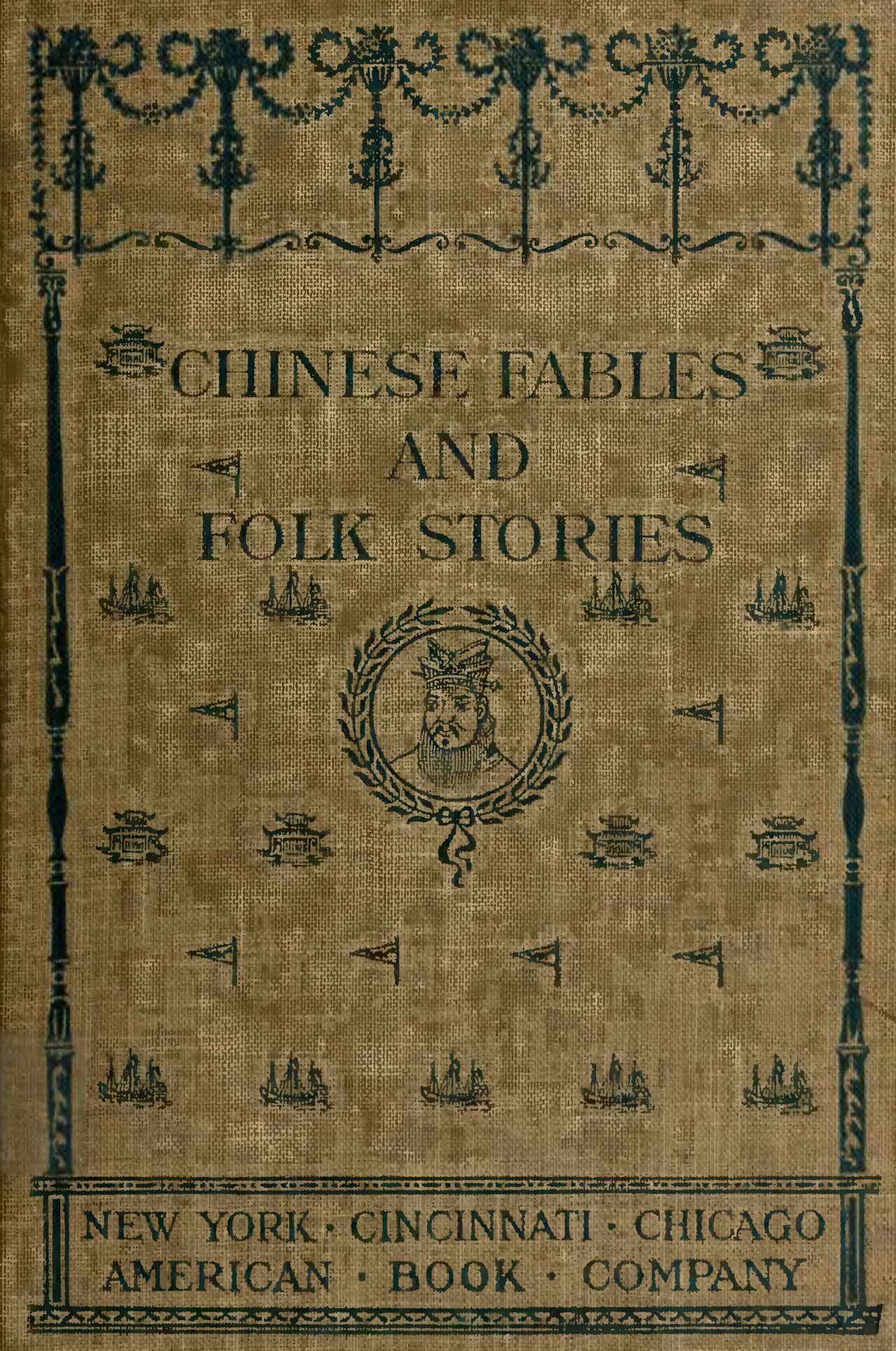
Chinese Fables and Folk Stories, published in 1908 by American Book Company, was billed as the first book of Chinese fables ever printed in English. Co-authored by Mary Hayes Davis and Chow-Leung, it compiled 37 tales accompanied by illustrations attributed to unnamed Chinese artists. The book has been noted as one of the most reliable works by Western scholars on Chinese folktales published before 1937, and has been widely reprinted and translated into French.
- Title
- Chinese Fables and Folk Stories
- Authors
- Mary Hayes Davis and Chow-Leung
- Published
- 1908
- Publisher
- American Book Company
- Field
- Folklore, Chinese literature
- Notable for
- First book of Chinese fables printed in English; considered reliable by later scholars
Lore & Background
Mary Hayes Davis was a journalist for a major Chicago newspaper when she met Reverend Chow-Leung of the Central Baptist Chinese Mission. Chow-Leung, who had arrived in Chicago in 1900, also taught a Chinese language school. Intrigued by her discovery that Chinese fables existed despite scholarly claims to the contrary, Davis set out to record the stories in English. Chow-Leung narrated the tales to her in English, mostly without an interpreter, and Davis had apparently learned some Chinese. She dedicated the book to her friend Mary F. Nixon-Roulet, author of Japanese Folk Stories and Fairy Tales, also published by American Book Company in 1908.
Reader's Guide
Chinese Fables and Folk Stories holds significance as an early bridge between Chinese oral and literary traditions and Western audiences. Published before the rise of vernacular Chinese and the New Culture Movement, it predated the scholarly acceptance of recording oral narratives for their own sake. The book's introduction by Wang Tsen-Zan of the University of Chicago explained that Chinese fables had not been translated into English because they were scattered across classical texts read only by the elite, and because classical Chinese was inaccessible to most foreigners. In 1975, folklore scholar Nai-tung Ting listed the collection as one of the most reliable contributions by Western scholars before 1937, based on the correspondence of many tales with those later collected by modern Chinese oral folklorists. The book was used as a supplemental reader in Chicago public schools by 1911, and individual stories were republished in educational anthologies through the 1960s. Its legacy includes translation into French and continued reprinting.
Did You Know?
- The book was billed as the first collection of Chinese fables ever printed in English.
- Co-author Chow-Leung narrated the stories to Mary Hayes Davis in English, mostly without an interpreter.
- Folklore scholar Nai-tung Ting considered it one of the most reliable works on Chinese folktales by Western scholars before 1937.
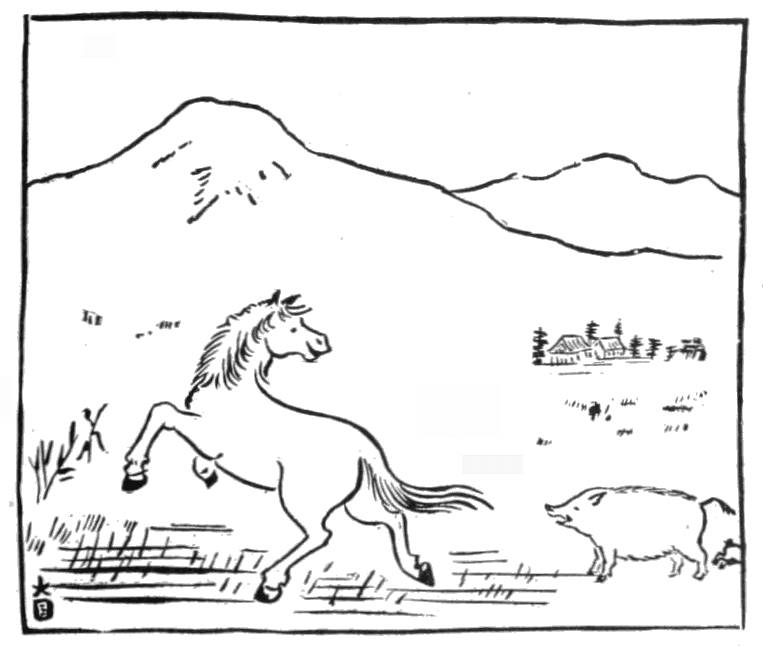
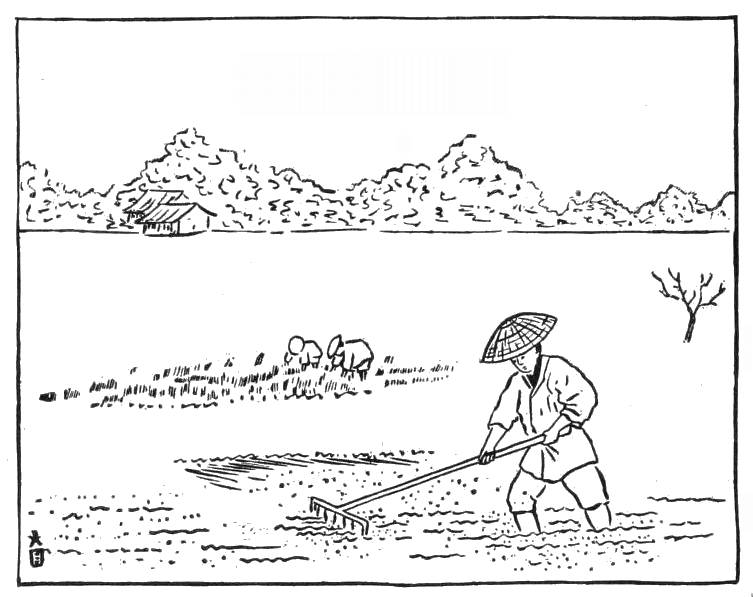
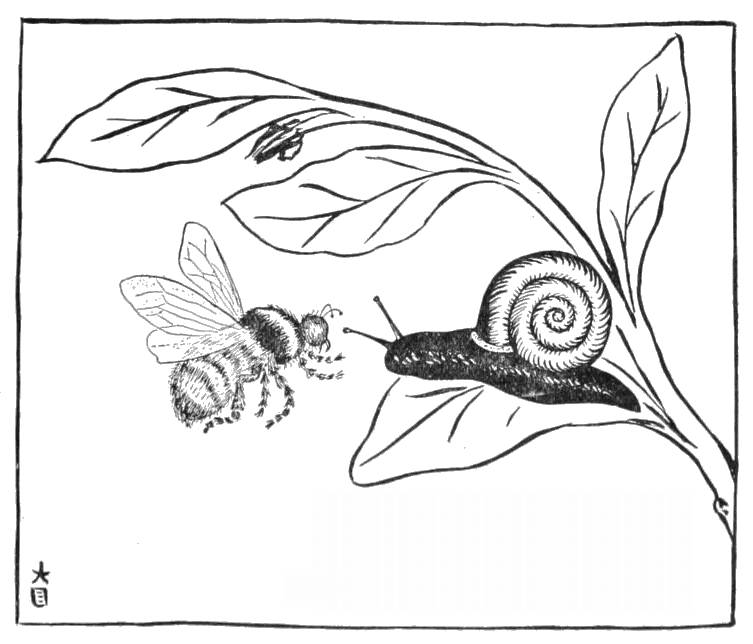
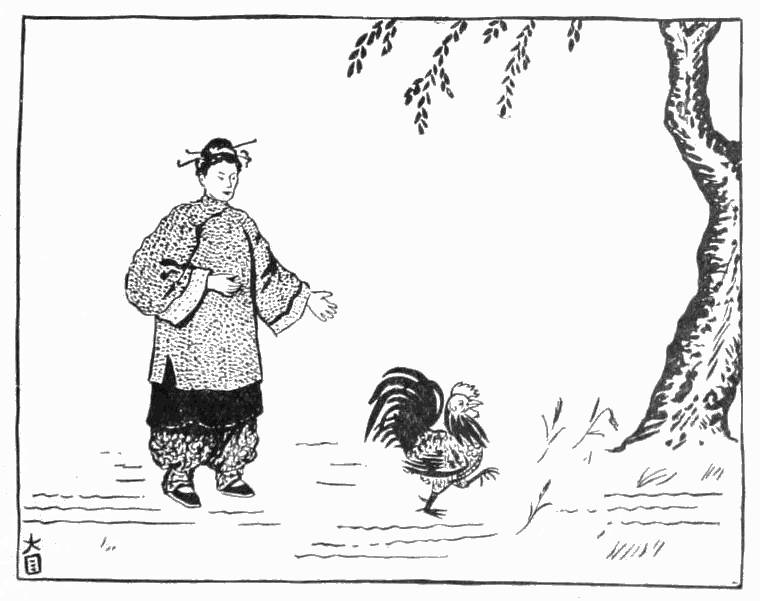
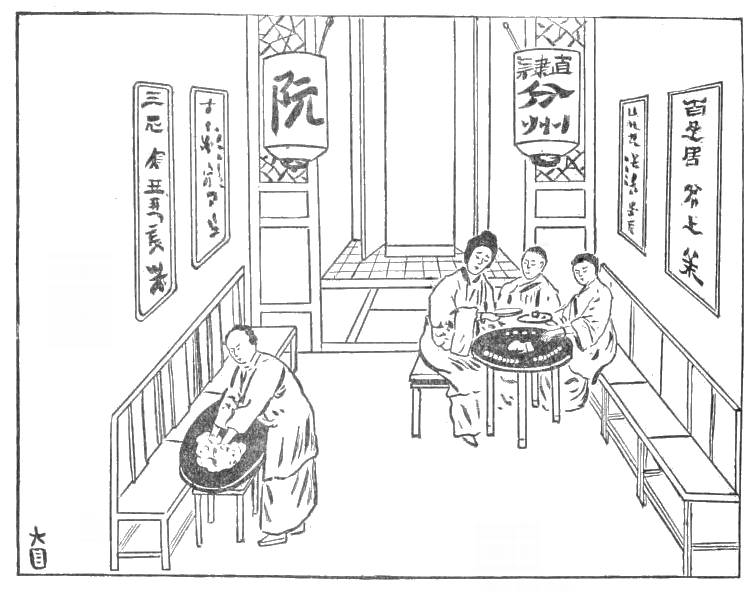
- The illustrations were attributed to unnamed 'native' Chinese artists.
Ancient Origins and Classical Foundations
Chinese folklore stretches back to prehistoric eras, with its earliest mythological narratives preserved in classical texts that offer windows into the cosmological and cultural beliefs of ancient China. The Shan Hai Jing, a compilation dating to the 4th century BCE, stands as a seminal work of mythic geography and fantastical creatures, capturing how early Chinese civilization understood the natural and supernatural world. Centuries later, Sima Qian's Shiji, composed during the Han dynasty, demonstrated a groundbreaking approach by weaving mythological elements into a historical account, establishing a lasting precedent for integrating folklore into China's broader historical narrative. These foundational texts reveal that Chinese storytelling was never merely entertainment; it served as a vehicle for explaining natural phenomena, distinctive landmarks, and the deeper structures of human nature. Alongside Chinese mythology, these folk narratives formed a vital component of Chinese folk religion, embedding spiritual and cultural meaning into the daily lives of communities across the nation.
Philosophical and Religious Currents
The thematic DNA of Chinese folklore was profoundly shaped by the nation's major philosophical and religious traditions. Confucianism infused tales with themes of morality, social harmony, and filial piety, producing stories that emphasized ethical conduct as a guiding principle for human relationships. Daoism contributed a different register, introducing concepts of balance, the natural world, and immortality, which gave rise to narratives featuring deities and immortal beings embodying these ideals. When Buddhism arrived during the Han dynasty, it added yet another layer, weaving themes of karma, reincarnation, and spiritual enlightenment into the storytelling tradition. These three streams did not operate in isolation; rather, they interwove to create a richly layered narrative landscape. The folktales that emerged from this confluence carried symbolic messages through their characters and objects, striving to instill virtuous insight in their audiences. These moral and spiritual lessons proved vital to Chinese culture, ensuring that each generation inherited not just stories but a shared ethical and philosophical framework passed down through oral and written tradition.
The Four Great Folktales and the Language of Animals
Among the most treasured narratives in Chinese culture are the Four Great Folktales: The Butterfly Lovers, the Legend of the White Snake, Lady Meng Jiang, and The Cowherd and the Weaver Girl. These stories, passed down through countless generations, are celebrated for their romantic and tragic love narratives that interweave elements of Chinese mythology, history, and folklore. Beyond these celebrated tales, Chinese folklore employs a rich symbolic language through animals and objects. The Great Race, for instance, explains the origin of the twelve-animal zodiac calendar, with each creature representing a specific year in a twelve-year cycle. Frogs and toads carry deep symbolic weight: in the myth of the Moon Goddess Chang'e, a toad (Ch'an Chu) embodies eternal life, fertility, regeneration, and yin. The legend of Liu Hai, a courtier saved by a toad who then revealed the secret of immortality, cemented the toad as a symbol of eternity. In some versions of the Chang'e story, she transforms into a three-legged toad before ascending to the moon, linking the celestial body with themes of permanence and annual reunion during the Mid-Autumn Festival.
Political Echoes and the Modern Scholarly Revival
Chinese folklore has always mirrored the political and cultural currents of its era. Han dynasty expansion and Silk Road exchanges introduced new motifs into the storytelling tradition. The Tang and Song dynasties, marked by cultural prosperity, saw a significant surge in documenting and disseminating folk tales, aided by printing technology and the work of renowned storytellers and poets who wove folklore into their literary creations. The Warring States period produced tales of heroism and survival amid chaos, while Mongol invasions during the Yuan dynasty inspired stories of resistance and resilience. The Opium Wars and subsequent foreign incursions gave rise to narratives highlighting national pride and the struggle against oppression. In the twentieth century, the New Culture Movement of the 1910s brought folklore into formal academic study. Hu Shi of Peking University argued that when Chinese writers drew inspiration from traditional tales and songs, literature experienced a renaissance, and that neglecting these sources meant losing touch with the people. A rising sense of national identity further spurred scholarly interest in preserving and studying the folk tradition.
Gallery
Frequently Asked Questions
What is 'Chinese Fables and Folk Stories'?
It is a 1908 volume of 37 Chinese tales that holds the distinction of being the first book of Chinese fables ever printed in English. Published by American Book Company, it includes illustrations credited to unnamed Chinese artists.
Who wrote 'Chinese Fables and Folk Stories'?
The book was co-authored by Mary Hayes Davis and Chow-Leung. It came out in 1908 through American Book Company and has since been reprinted and translated into French.
Why is 'Chinese Fables and Folk Stories' considered a landmark in folklore studies?
It broke new ground as the very first English-language collection devoted entirely to Chinese fables. Later scholars have singled it out as one of the most trustworthy Western treatments of Chinese folktales published before 1937.
What exactly does the book contain?
The volume gathers 37 tales from Chinese oral tradition, each paired with an illustration attributed to an unnamed Chinese artist. Beyond the original English edition, the collection has been widely reprinted and rendered into French.
How do later scholars view 'Chinese Fables and Folk Stories'?
It is consistently cited as a highly reliable pre-1937 Western work on Chinese folk narratives, owing to its careful compilation and its pioneering status. Its reputation for accuracy has kept the title in circulation and in translation for well over a century.
More in Chinese folklore 1-24
Spotted an error? Know more?
Reader corrections go straight into our review queue. Suggest an edit · How this site is sourced