
Acrocephalidae
A family of mostly large, plain-colored warblers of wetlands and grasslands.

Ivladimirova · CC BY-SA 4.0
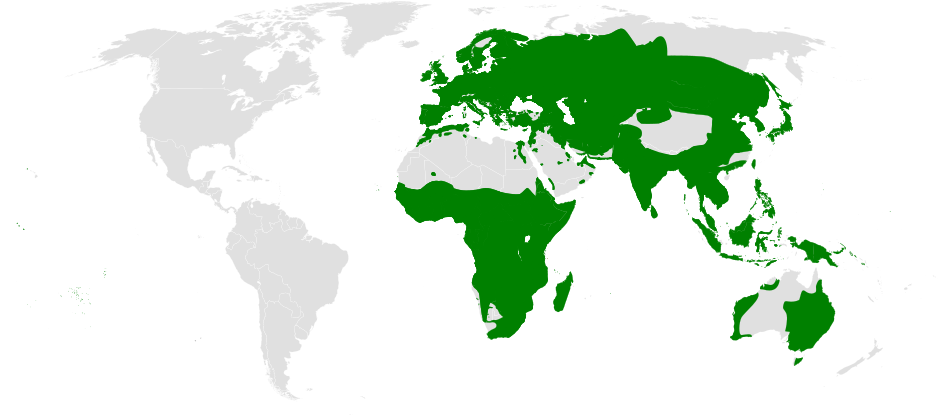
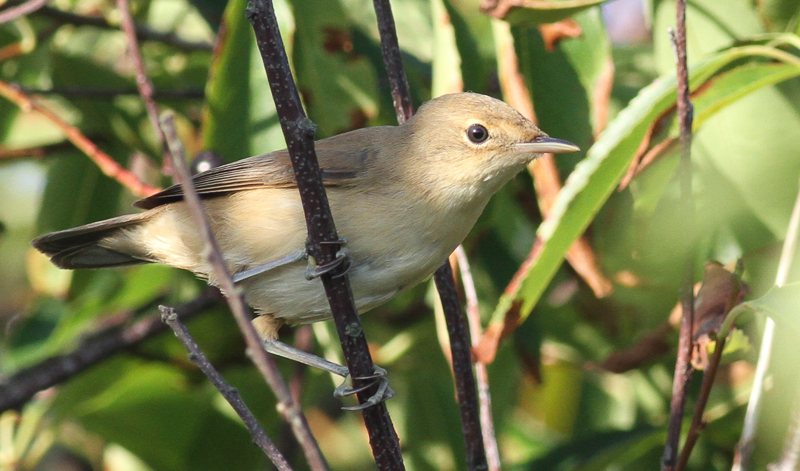
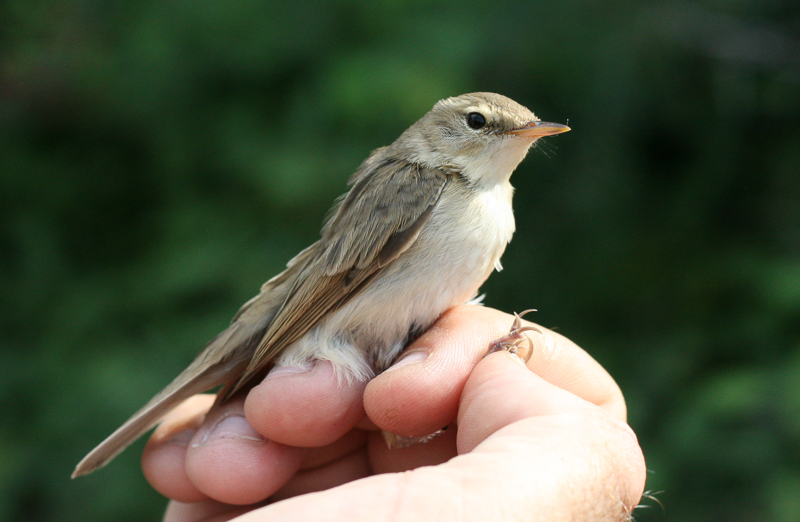
The Acrocephalidae family includes the reed warblers, marsh-warblers, and tree-warblers, all of which are oscine passerines belonging to the superfamily Sylvioidea. These birds tend to be on the larger side for warblers. Their plumage is generally unremarkable, with olive-brown backs and yellowish to beige bellies. They inhabit open woodlands, reedbeds, and tall grass. Their range is mostly across southern and western Eurasia and nearby regions, but some species extend far into the Pacific, and a number are found in Africa.
The genus *Acrocephalus* holds the marsh-warblers, with about 43 species that are considered monophyletic. This group includes species such as the Moustached warbler, Aquatic warbler, Sedge warbler, Common reed warbler, Great reed warbler, and many others, including several extinct forms like the Nightingale reed warbler and the Laysan millerbird (a subspecies of the Millerbird).
The genus *Arundinax* contains only the Thick-billed warbler. The genus *Iduna* includes the Booted warbler, Sykes's warbler, Eastern and Western olivaceous warblers, and the African and Mountain yellow warblers. The genus *Hippolais* comprises Upcher's warbler, Olive-tree warbler, Melodious warbler, and Icterine warbler. The genus *Calamonastides* has the Papyrus yellow warbler. The genus *Graueria* contains Grauer's warbler. The genus *Nesillas* includes the brush warblers, with five living species and one recently extinct, such as the Aldabra brush warbler and the Malagasy brush warbler.
- Superfamily
- Sylvioidea
Lore & Background
The family Acrocephalidae includes the genus Acrocephalus, which contains about 43 species of marsh-warblers, noted as monophyletic. Notable species include the moustached warbler, aquatic warbler, and great reed warbler, as well as several extinct forms such as the nightingale reed warbler and the Aguiguan reed warbler, which went extinct around 1997. Other genera include Arundinax (thick-billed warbler), Iduna (booted and olivaceous warblers), Hippolais (Upcher's, olive-tree, melodious, and icterine warblers), Calamonastides (papyrus yellow warbler), Graueria (Grauer's warbler), and Nesillas (brush warblers, with five living species and one recently extinct, the Aldabra brush warbler, extinct circa 1984).
Reader's Guide
The Acrocephalidae are significant as a diverse family of warblers that occupy a wide range of wetland and grassland habitats across Eurasia, the Pacific islands, and Africa. Their classification within the superfamily Locustelloidea places them among the oscine passerines, and the family includes numerous species, some of which have become extinct in recent decades, such as the Aguiguan reed warbler (extinct circa 1997) and the Aldabra brush warbler (extinct circa 1984). The family's distribution, ranging from southern and western Eurasia into the Pacific and Africa, highlights their adaptability to various environments, from reedbeds to open woodlands. The presence of multiple genera, including Acrocephalus with its many species and extinct forms, underscores the family's evolutionary history and the impact of human activity on island endemics. Their legacy lies in their role as indicators of wetland health and as subjects of ornithological study, with many species still extant but some lost to extinction.
Did You Know?
- The family Acrocephalidae includes the genus Acrocephalus, which is noted as monophyletic.
- The family occurs mostly in southern to western Eurasia and surroundings, but also ranges far into the Pacific, with some species in Africa.
Gallery
Frequently Asked Questions
What is Acrocephalidae?
Acrocephalidae is a family of songbirds that groups together the reed warblers, marsh warblers, and tree warblers. All members are oscine passerines classified under the superfamily Sylvioidea.
What do Acrocephalidae birds look like?
These warblers are notably plain, typically showing olive-brown upperparts with pale yellowish or beige underparts. For a warbler group, they tend to be on the larger side.
Where do Acrocephalidae live in the wild?
They favour reedbeds, open woodland edges, and tall grassland habitats. Their range stretches across much of southern and western Eurasia, into parts of Africa, and some species reach far into the Pacific region.
How large is the Acrocephalidae family?
The genus Acrocephalus alone contains roughly 43 species of marsh warblers, and the full family also includes reed and tree warblers. Together they form a sizeable warbler family within Sylvioidea.
Why are Acrocephalidae notable among warblers?
They are distinguished by their relatively large size, drab plumage, and tight association with wetland and grassland environments. Their broad geographic spread—from Eurasia through Africa to the Pacific—sets them apart from many other warbler groups.
More in Bird families 1-24
Spotted an error? Know more?
Reader corrections go straight into our review queue. Suggest an edit · How this site is sourced