
Acanthisittidae
Tiny passerines endemic to New Zealand, ancient and mostly flightless.

Wikimedia Commons · CC BY-SA 3.0
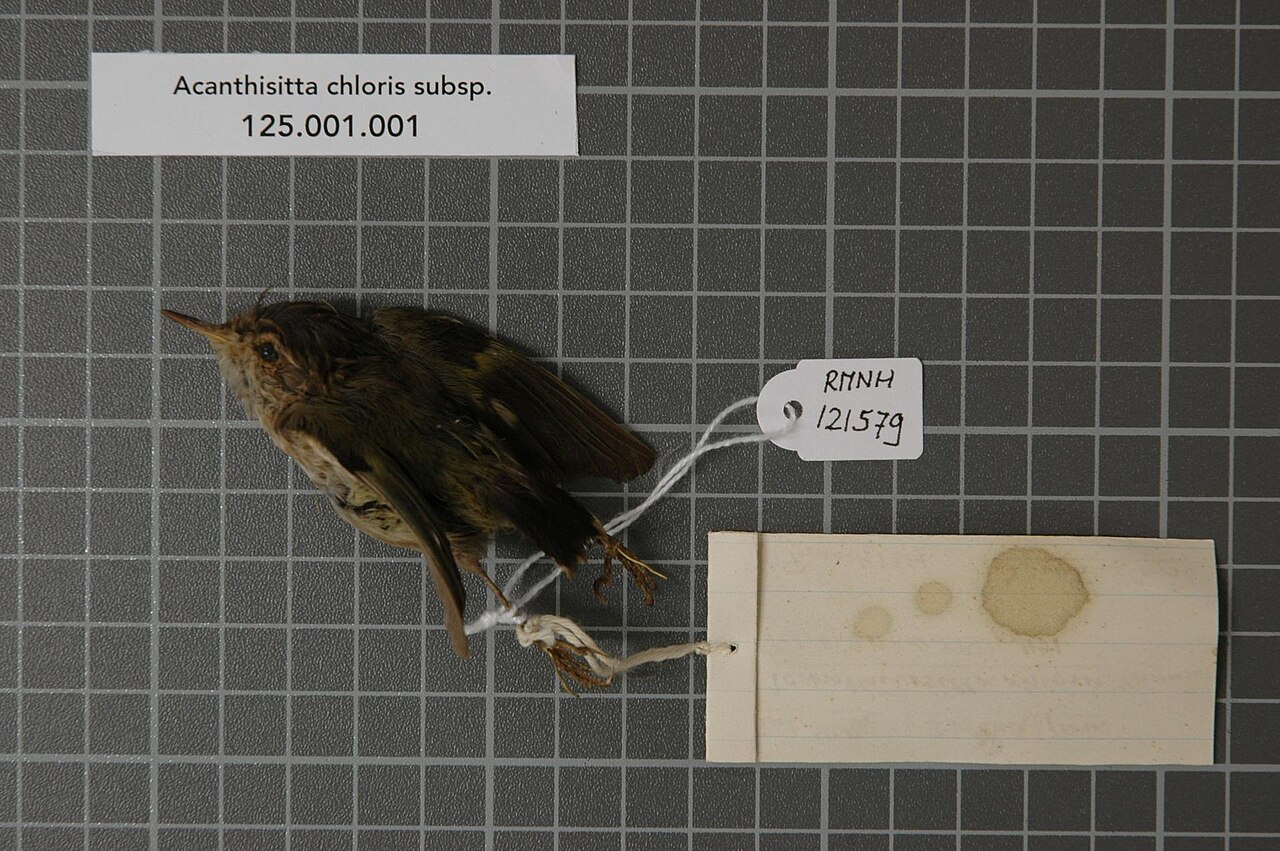
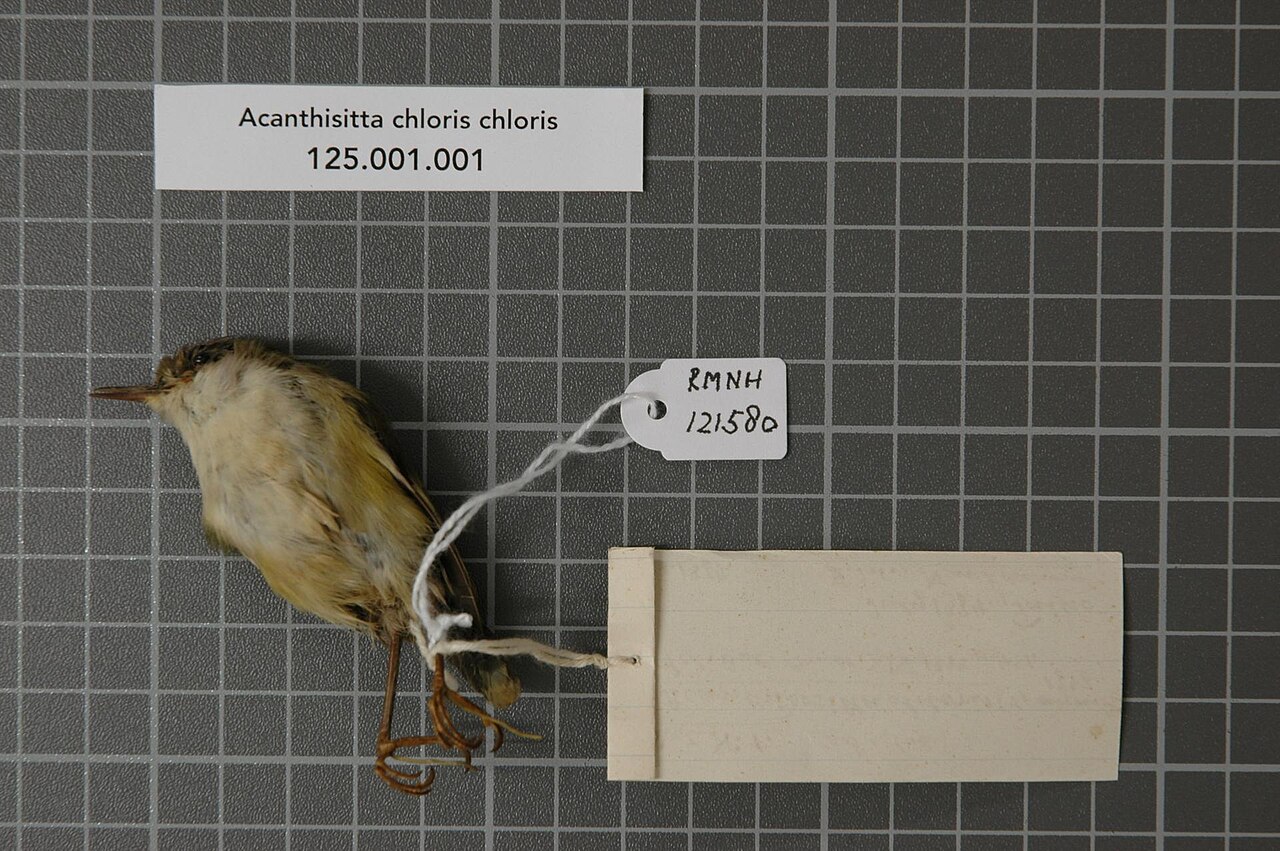
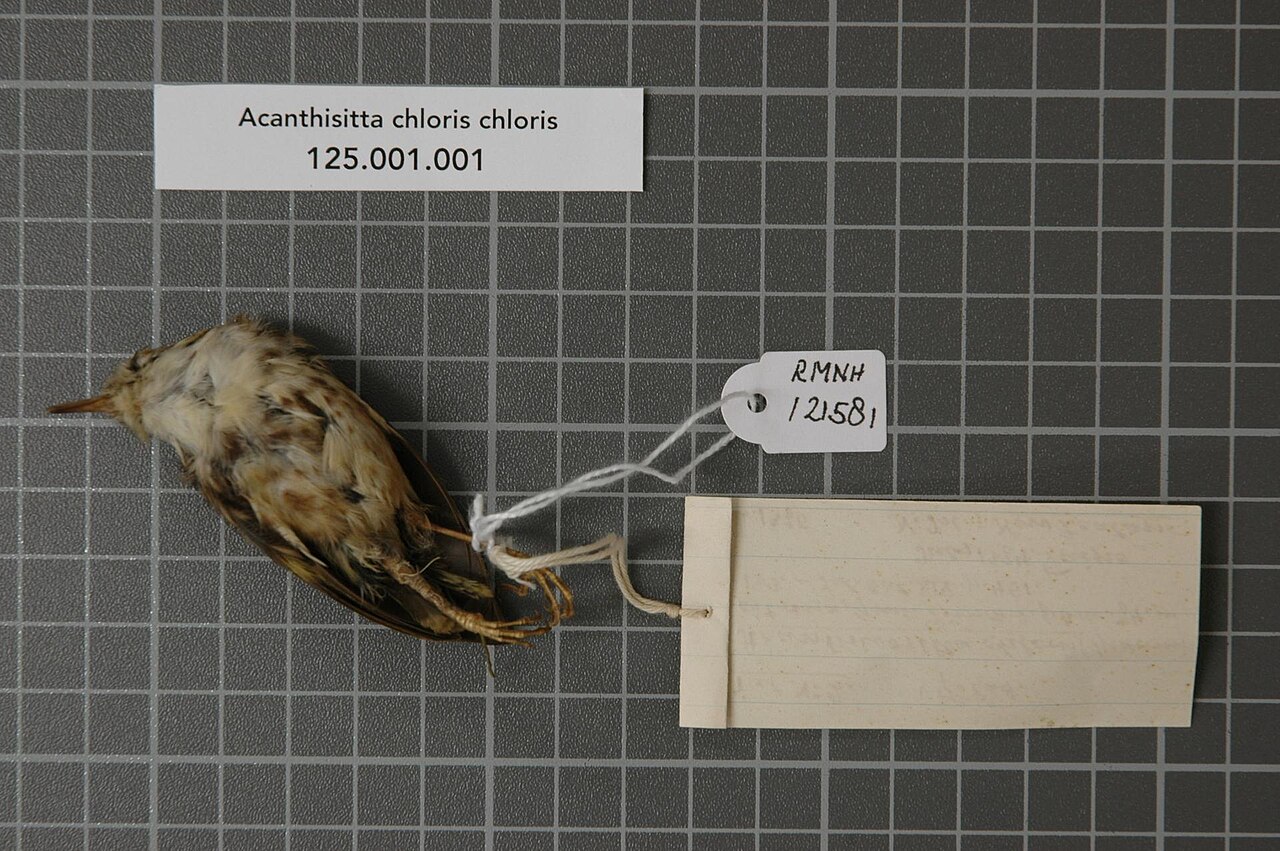
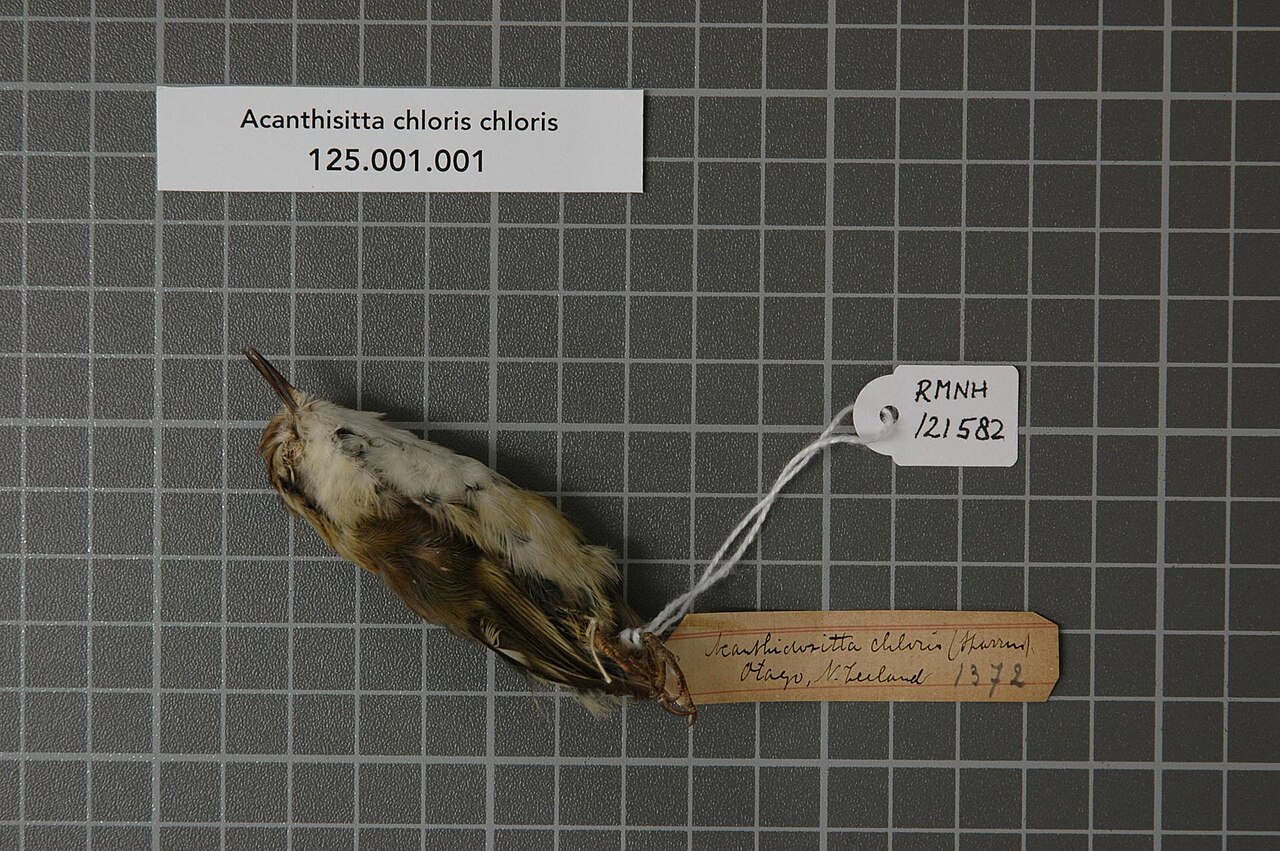
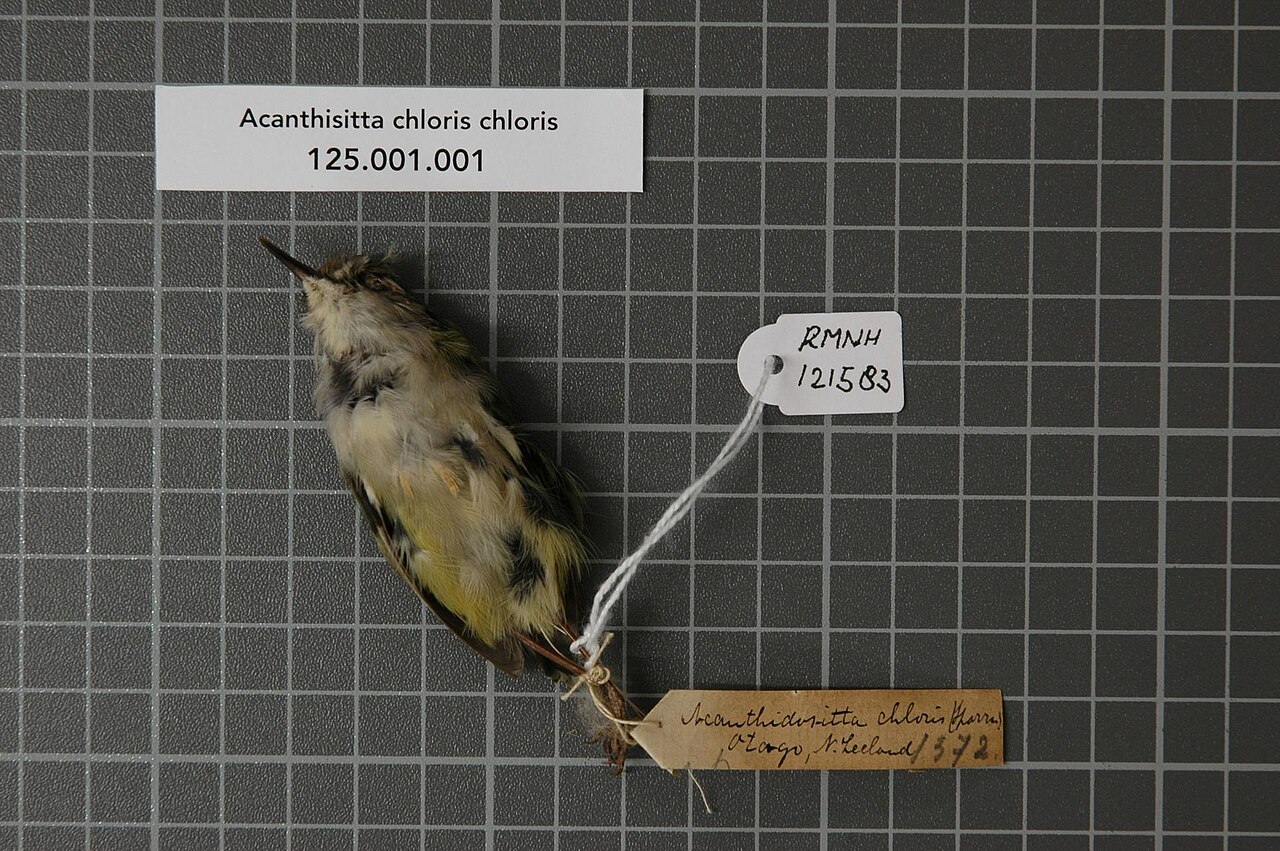
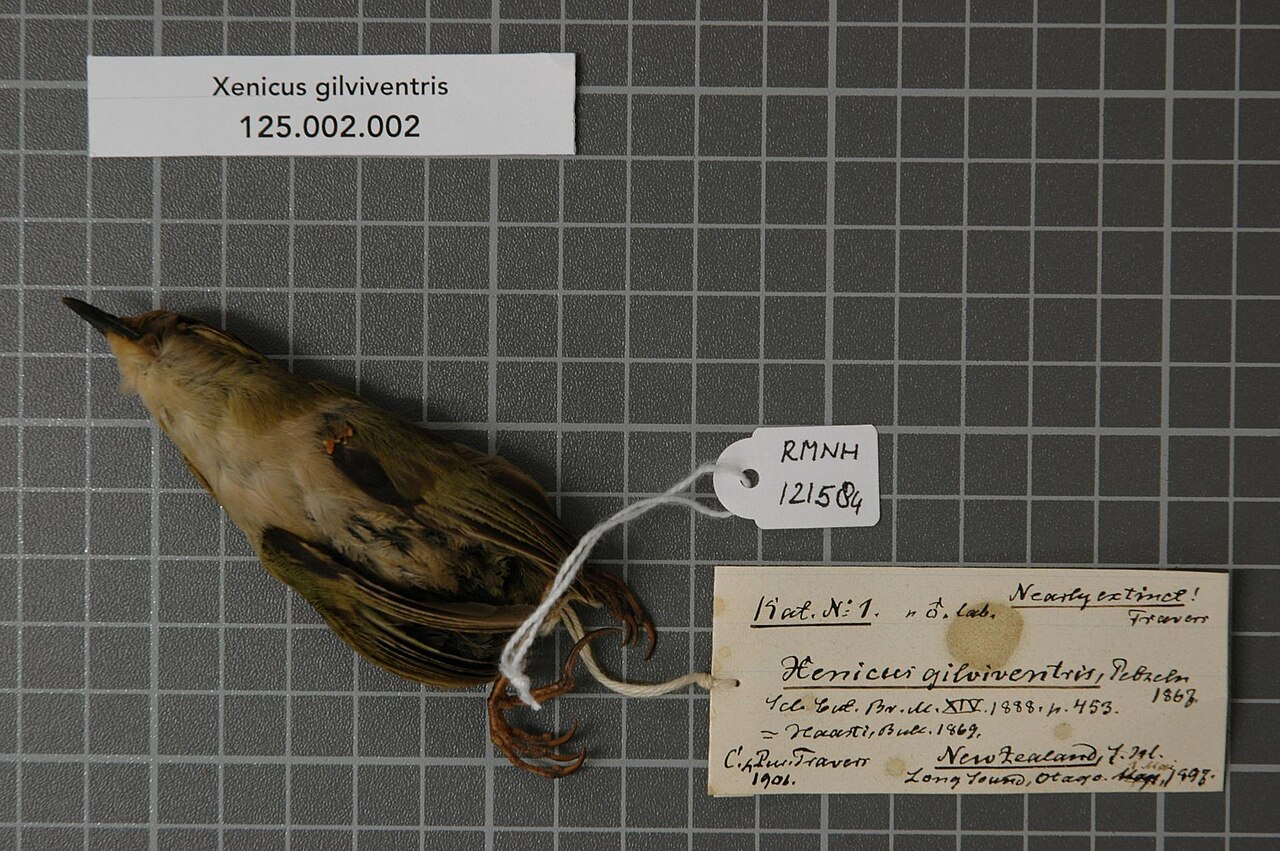
The New Zealand wrens, family Acanthisittidae, are tiny birds found only in New Zealand. Of the seven species that lived during the Holocene, spread across four or five genera, only two species in two genera remain. They form a unique branch among passerines, though experts have disagreed on whether they belong with the oscines or suboscines. More recent work suggests they are a third, oldest suborder, Acanthisitti, with no close living relatives. Their name comes from looking and acting like true wrens (Troglodytidae), but they are not part of that family.
These birds mostly hunt insects in New Zealand’s forests, except for the New Zealand rock wren, which lives only in alpine areas. The two surviving species are weak fliers, and four of the five extinct ones were either known or thought to be flightless. They are the only passerines known to have lost flight. Where their plumage is known, they are dull-colored, with brown-green feathers. They form monogamous pairs to raise young, laying eggs in small nests in trees or among rocks. They are active during the day and, like all New Zealand passerines, mostly stay in one place.
Many New Zealand wren species died out after humans arrived. Of the seven Holocene species, only two survive. The South Island stout-legged wren, North Island stout-legged wren, and long-billed wren vanished after Māori and the Polynesian rat reached New Zealand; they are known only from subfossil remains. Around the same time, Lyall’s wren disappeared from the main islands, surviving only as a relict group on Stephens Island in Cook Strait. Lyall’s wren went extinct in 1895 due to predation by the lighthouse keeper's cat, and the bushwren went extinct after Europeans arrived in 1972. Of the two remaining species, the rifleman is still common on both the North and South Islands. The New Zealand rock wren, limited to alpine areas of the South Island, is considered endangered.
**Taxonomy and systematics**
The classification of New Zealand wrens has been debated since they were discovered, though they have long been seen as an unusual family. In the 1880s, Forbes placed them among the suboscines, related to cotingas and pittas, and gave the family the name Xenicidae. Later, they were thought closer to ovenbirds and antbirds.
- Family
- Acanthisittidae
- Endemic to
- New Zealand
- Holocene species
- 7
- Extant species
- 2
- Known for
- Ancient passerine lineage; some species flightless
- Suborder
- Acanthisitti (proposed)
Lore & Background
The New Zealand wrens were represented by seven Holocene species in four or five genera, though only two species in two genera survive today. They are mostly insectivorous foragers of New Zealand's forests, with one species, the New Zealand rock wren, restricted to alpine areas. Both remaining species are poor fliers, and four of the five extinct species are known or suspected to have been flightless. They are the only passerines known to have lost the ability to fly. They form monogamous pair bonds, lay eggs in small nests in trees or amongst rocks, and are diurnal and mostly sedentary.
Reader's Guide
The New Zealand wrens are significant as a distinct and ancient lineage of passerines, possibly representing a third suborder (Acanthisitti) that diverged early from oscines and suboscines. Their taxonomy has been debated, with early assignments to suboscines or oscines, but more recent studies suggest they have no living close relatives. They are notable for being among the very few passerines to have lost the ability to fly, with several extinct species being flightless. Their extinctions after human arrival—due to Māori, Polynesian rats, and European settlement—highlight the vulnerability of island endemics. The two surviving species, the rifleman and the New Zealand rock wren, are restricted to New Zealand, with the rock wren considered endangered. Their evolutionary history, including a possible genetic bottleneck during the Oligocene marine transgression, underscores their importance in understanding passerine evolution and biogeography.
Gallery
Frequently Asked Questions
What is the bird family Acanthisittidae?
Acanthisittidae is a family of tiny passerine birds found exclusively in New Zealand. They are mostly flightless and spend most of their time foraging for insects on the forest floor.
What makes Acanthisittidae so unusual among birds?
They represent an ancient branch of passerines with no close living relatives, and some researchers even propose they form their own suborder called Acanthisitti. Their flightless nature and ground-dwelling lifestyle set them apart from nearly every other songbird group.
How many Acanthisittidae species are left today?
Of the seven species that existed during the Holocene, only two species in two genera survive. The rest were lost to extinction, leaving this once-diverse family as a small remnant of New Zealand's avian heritage.
Why is Acanthisittidae scientifically important?
Because they appear to be a third, oldest suborder of passerines distinct from both oscines and suboscines, they help scientists understand the deep evolutionary history of songbirds. Their long isolation in New Zealand makes them a living window into ancient bird lineages.
Are Acanthisittidae actually related to true wrens?
No, despite their name and their wren-like appearance and behavior, they are not members of the true wren family Troglodytidae. The resemblance is a case of convergent evolution, where similar ecological niches produced similar body plans in unrelated lineages.
More in Bird families 1-24
Spotted an error? Know more?
Reader corrections go straight into our review queue. Suggest an edit · How this site is sourced