
Acanthizidae
Family of small to medium passerine birds native to Australasia.

Wallace, 1864 · CC BY-SA 3.0
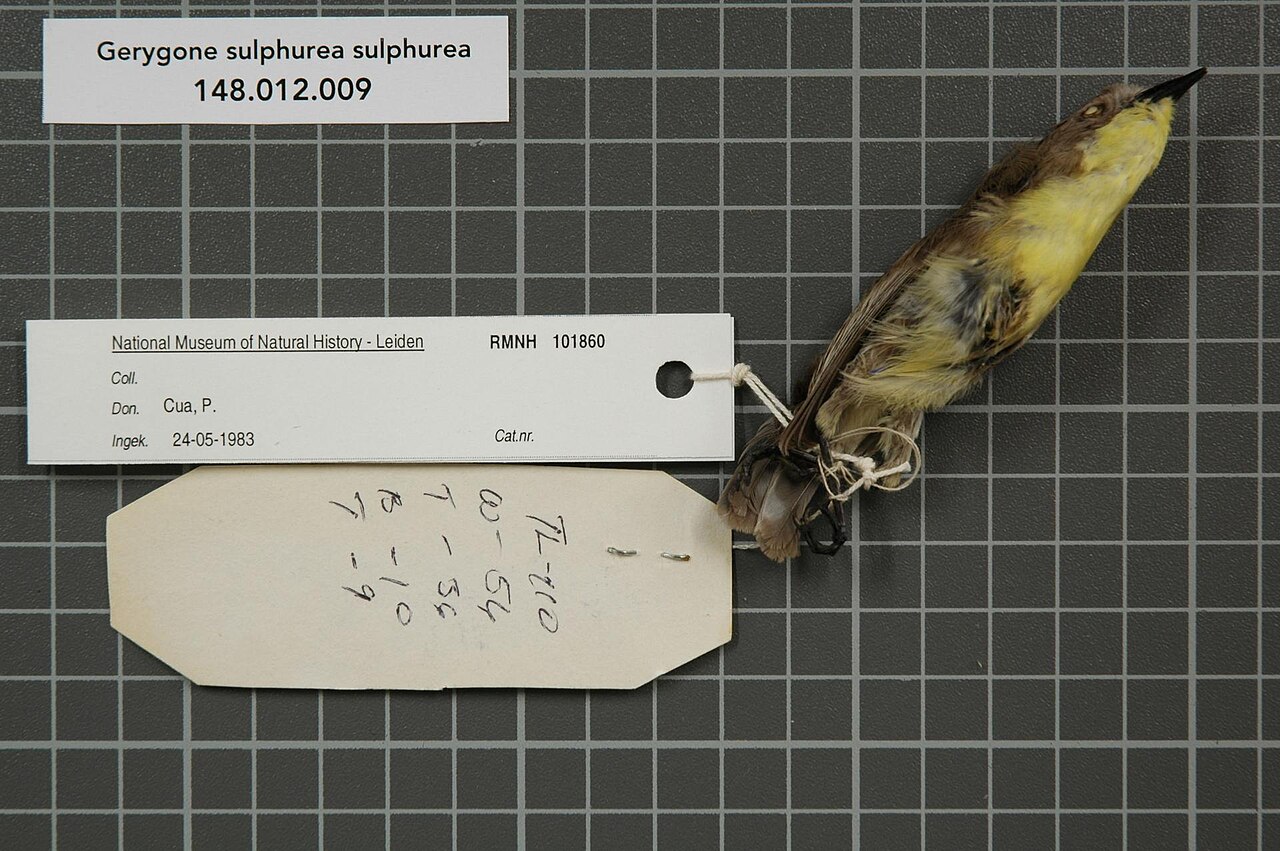
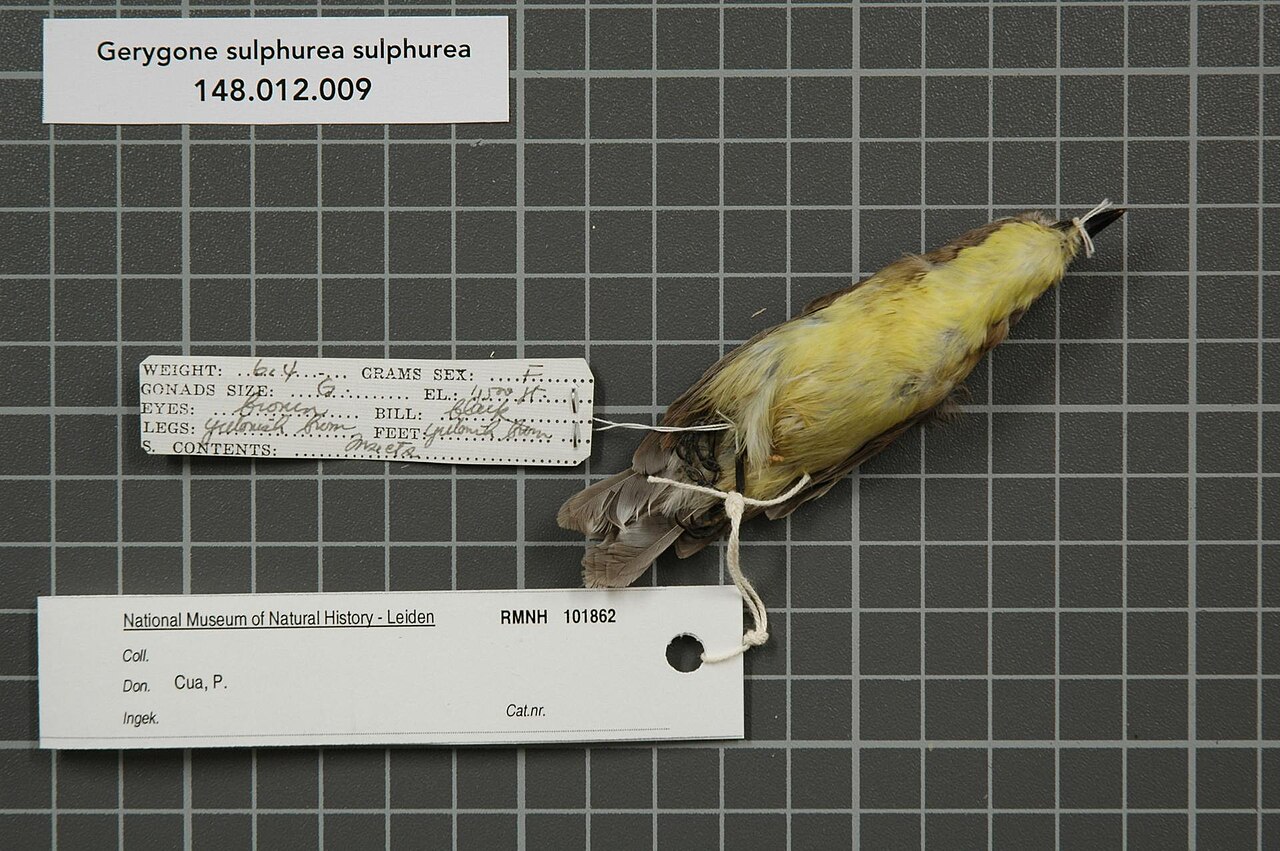
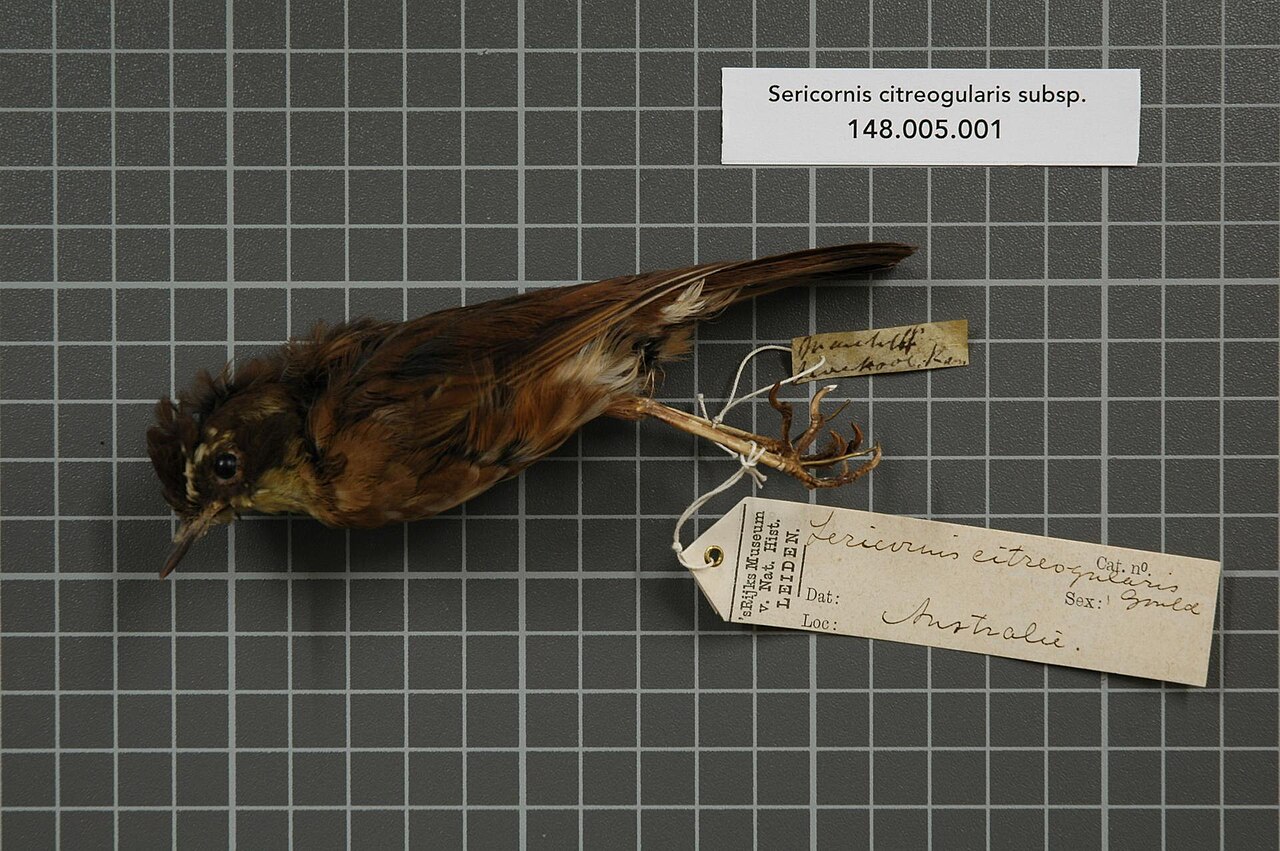
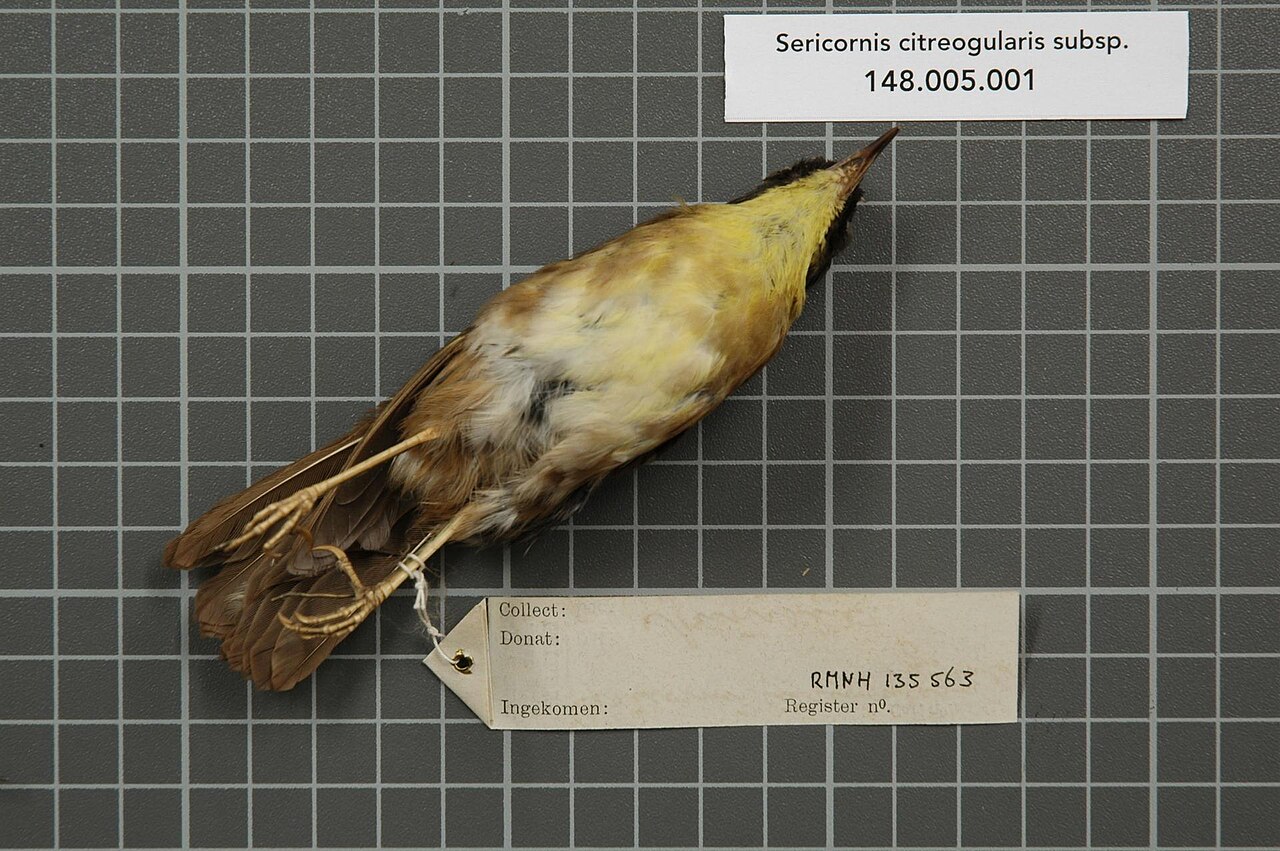
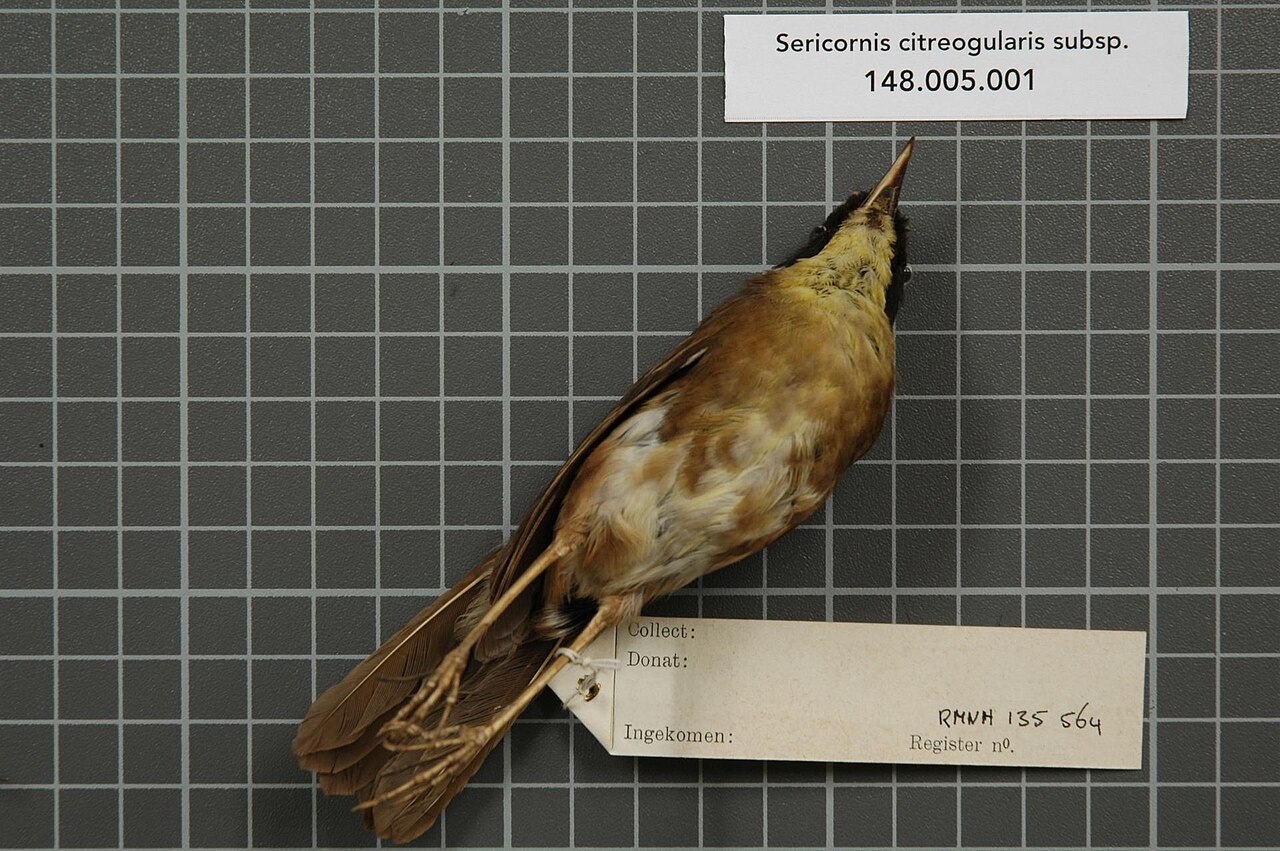
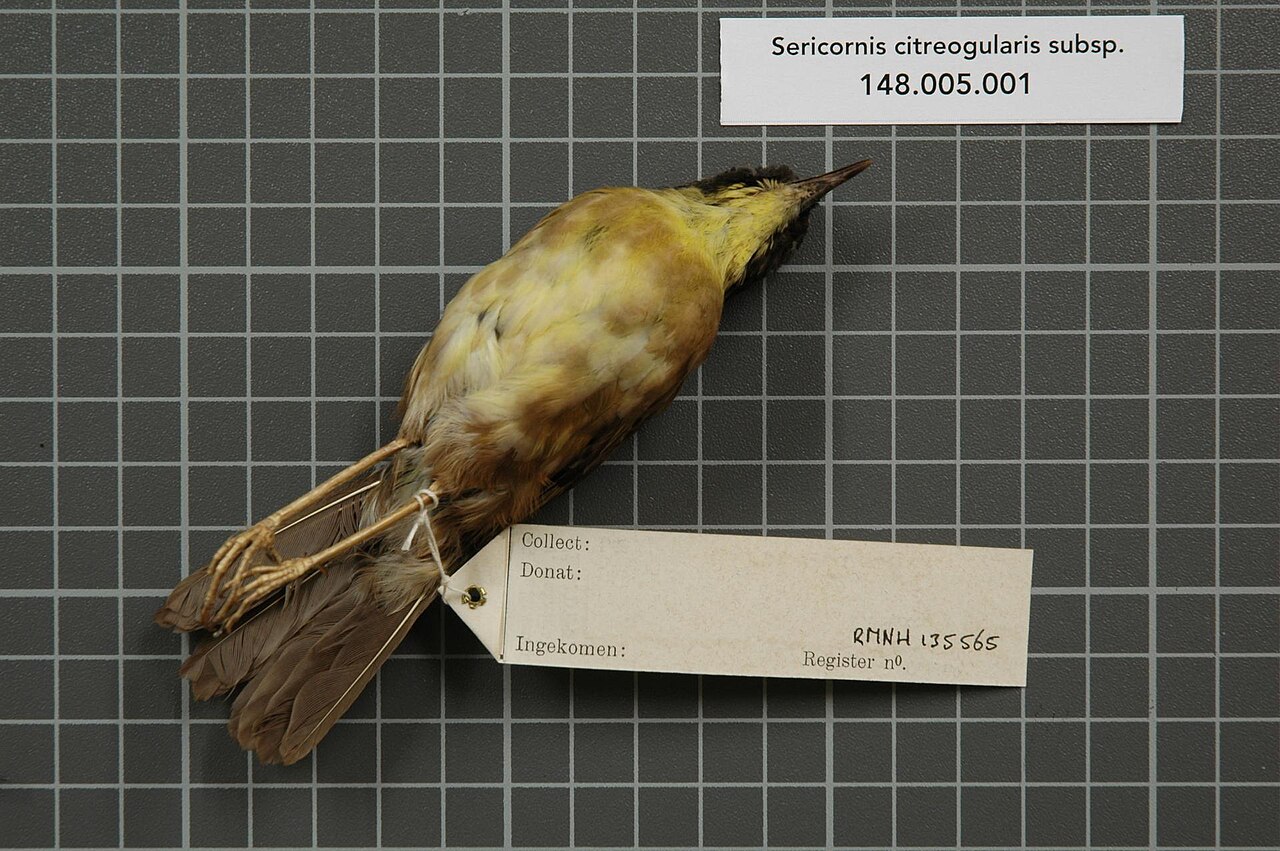
Acanthizidae, also known as Australian warblers, are a family of passerine birds that includes gerygones, thornbills (Acanthiza), and scrubwrens (Sericornis). These birds are small to medium in size, measuring between 8 and 19 centimeters long. They have short, rounded wings, slender bills, long legs, and a short tail. Their plumage is mostly olive, grey, or brown, though some species show patches of brighter yellow. The smallest member is the weebill, which is also the smallest passerine in Australia, while the pilotbird is the largest.
In the Sibley-Ahlquist taxonomy from 1990, they were treated as a subfamily (Acanthizinae) within the Pardalotidae family, but more recent molecular genetic studies have rejected this. The bristlebirds (Dasyornithidae) are sometimes placed as a subfamily within Acanthizidae or Pardalotidae, or considered their own family. A 2019 molecular study found that Acanthizidae is the sister group to the pardalotes, which are native to Australia and belong to the small family Pardalotidae.
The family contains 67 species divided into 15 genera: Pachycare (Goldenface), Oreoscopus (Fernwren), Acanthornis (Scrubtit), Smicrornis (Weebill), Calamanthus (fieldwrens, three species), Hylacola (heathwrens, two species), Pycnoptilus (Pilotbird), Pyrrholaemus (Redthroat and Speckled Warbler, two species), Origma (Rockwarbler and two mouse-warblers, three species), Neosericornis (Yellow-throated Scrubwren), Aethomyias (scrubwrens and Bicoloured Mouse-warbler, six species), Sericornis (scrubwrens, eight species), Gerygone (gerygones, 20 species including one extinct), Acanthiza (thornbills, 14 species), and Aphelocephala (whitefaces, three species).
These birds are native to Australia, Indonesia, New Zealand, and the southwest Pacific. The highest diversity is in Australia, with 35 endemic species, followed by New Guinea with 15. One species lives in Vanuatu, New Caledonia, and the Solomon Islands, and three more are found in the New Zealand region, including endemics on the Chatham Islands and Norfolk Island. In Asia, two species are restricted to Indonesia, and another occurs in the Philippines and mainland Asia. Most species are sedentary, except for the gerygones. They occupy a wide range of habitats, from rainforests to arid regions.
Most acanthizids are terrestrial and feed mainly on insects, though some also eat seeds.
- Common name
- Australian warblers
- Number of species
- 67
- Number of genera
- 15
- Smallest species
- Weebill (Smicrornis brevirostris)
- Largest species
- Pilotbird (Pycnoptilus floccosus)
- Primary diet
- Insects, some seeds and fruits
- Extinct species
- Lord Howe gerygone (Gerygone insularis)
Lore & Background
Following the Sibley-Ahlquist taxonomy (1990), Acanthizidae were previously regarded as subfamily Acanthizinae within Pardalotidae, but more recent molecular genetic studies do not support this arrangement. The Dasyornithidae (bristlebirds) are variously seen as a subfamily within Acanthizidae or Pardalotidae, or as their own family. A 2019 molecular phylogenetic study found that Acanthizidae is sister to the pardalotes in the small family Pardalotidae, which are native to Australia.
Reader's Guide
Acanthizidae are significant for their diversity and adaptation across Australasia, with 35 endemic species in Australia and 15 in New Guinea. They occupy habitats from rainforests to arid regions. Most species are terrestrial and feed primarily on insects, though whitefaces consume many seeds. They are notable for unusually long incubation periods for passerines, rivaling those of large songbirds like Corvidae, yet hatching is completely synchronous with no within-brood mortality. Many species live over ten years in the wild, and cooperative breeding occurs in the weebill, all whitefaces, and most Sericornis and Acanthiza species. Conservation status is mostly least concern, but the Lord Howe gerygone became extinct by rat predation in the early 1930s, the Norfolk Island gerygone is vulnerable, and the chestnut-breasted whiteface is near threatened.
Did You Know?
- The weebill is the smallest Australian passerine.
- Cooperative breeding is found in the weebill and with lesser development in all whitefaces and most Sericornis and Acanthiza species.
Gallery
Frequently Asked Questions
What are Acanthizidae?
Acanthizidae is a family of small to medium passerine birds native to Australasia, commonly referred to as Australian warblers. The group spans 67 species across 15 genera, including gerygones, thornbills, and scrubwrens.
What do Acanthizidae eat?
Members of this family feed mainly on insects, though some species also pick up seeds and fruit as part of their diet.
What is the smallest bird in the Acanthizidae family?
The weebill (Smicrornis brevirostris) is the tiniest member, and it also holds the record as the smallest passerine in all of Australia.
How big are Acanthizidae birds?
Species in the family range from 8 to 19 centimeters in length, with the pilotbird at the large end and the weebill at the small end. They generally share short rounded wings, slender bills, long legs, and a stubby tail.
What does Acanthizidae plumage look like?
Most species wear muted olive, grey, or brown tones, giving them a fairly cryptic appearance. A handful of species break the pattern with patches of brighter yellow.
More in Bird families 1-24
Spotted an error? Know more?
Reader corrections go straight into our review queue. Suggest an edit · How this site is sourced