
Velkopopovický Kozel
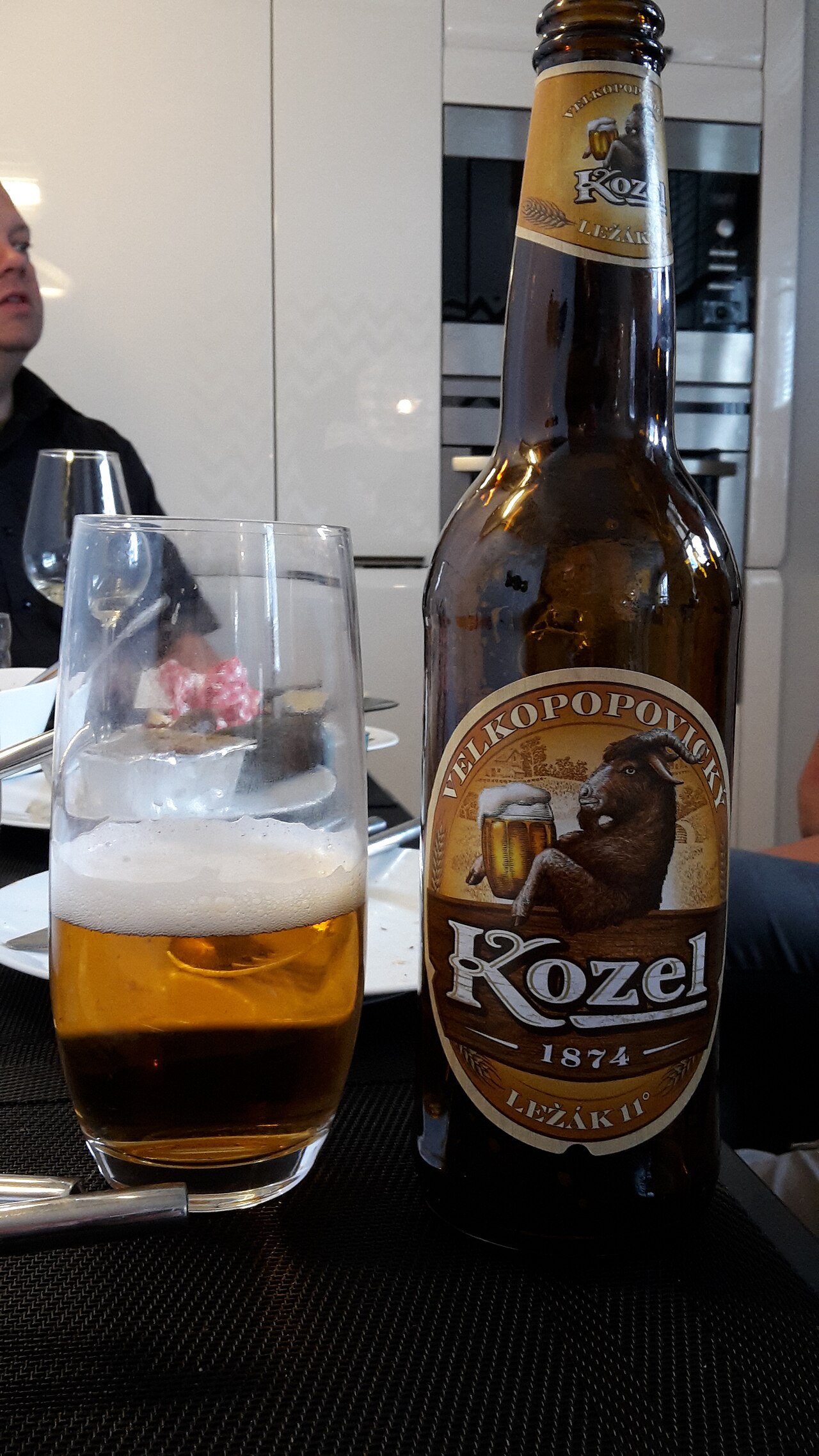
A Czech beer with a goat mascot since 1922.

Miguel Andrade · CC0
Velkopopovický Kozel is a Czech beer produced since 1874. The brewery is located in Velké Popovice, 25 km southeast of Prague, and its symbol is a goat, as 'kozel' means 'male goat' in Czech. The brand is known for its dark beer and for pioneering the world's first beer delivery in tank trucks in 1965, giving rise to tank pubs.
Quick Facts
- Manufacturer
- Pivovar Velké Popovice
- Distributor
- Asahi Breweries
- Origin
- Czechia
- Introduced
- 1874
Facts from the source article.
Lore & Background
The first historical mention of Velkopopovický Kozel dates back to the 14th century, but the brewery as known today originated in the 19th century. After years of decline, it was bought by industrial tycoon František Ringhoffer, mayor of Smíchov. The brewery was built in 1875, though the first batch of Kozel beer was brewed the previous year. It survived both world wars under restrictions, and after nationalization in the postwar period, it faced labor shortages. In 1951, the brewery solved this by employing women, maintaining a near 1:1 ratio until 1962, with bottling exclusively done by women. In 1965, Kozel delivered the world's first beer in tank trucks, establishing the tradition of tank pubs. After socialism, the brewery became independent in 1991 and a public limited company in 1992. In 2002, Kozel and Radegast were acquired by Pilsner Urquell, part of SABMiller, and in 2016 the brand was sold to Asahi Breweries as part of antitrust divestments. The name Kozel and its goat emblem date to after World War I. Founder Emanuel Ringhoffer sought to distinguish the brewery by producing a strong dark beer locally called kozel. A French painter, moved by local hospitality, created the goat emblem, introduced in 1922. In the 1930s, a live goat was brought to the brewery as an attraction, and since the 1970s all goats have been named Olda after the original caregiver.
Reader's Guide
Velkopopovický Kozel holds a distinctive place in Czech brewing history. Its goat mascot, introduced in 1922, has been a consistent brand identifier for nearly a century, and the live goats named Olda have been a brewery attraction since the 1930s. The brewery's innovation in 1965—delivering beer in tank trucks—created the tank pub tradition, which remains influential. The brand survived nationalization, labor shortages, and world wars, adapting by employing women in the 1950s. Its acquisition by SABMiller in 2002 and later by Asahi in 2016 reflects the consolidation of the global brewing industry. Kozel's viral 2012 advertising campaign in Russia, where canned beer was launched into space and parachuted down, demonstrated its modern marketing reach. The brewery produces a range of beers including pale lagers, dark lagers, a mixed light-and-dark lager, and a non-alcoholic option, and it exports to about thirty countries with licensed production in several nations.
Did You Know?
- Kozel means 'male goat' in Czech, and the dark beer was originally called bock, which means 'goat' in German.
- Since the 1970s, all live goats at the brewery have been named Olda after the original caregiver.
- In 2012, Kozel canned beer was launched into space in Russia, dropped by parachute, and filmed for viral advertising.
Roots in a Bohemian Town
The story of what would become one of Czechia's most recognizable beers stretches back to the fourteenth century, when the first historical references to brewing in Velké Popovice—a small town sitting roughly twenty-five kilometres southeast of Prague—were already being recorded. Yet the brewery as a modern enterprise traces its true beginning to the nineteenth century. After a stretch marked by internal disputes and a slow slide in fortunes, the operation fell into the hands of František Ringhoffer, a wealthy industrialist who also served as mayor of the Prague district of Smíchov and was regarded as one of the era's most accomplished entrepreneurs. Under his stewardship, the brewery was physically constructed in 1875, although the very first batch of what we now call Kozel had already been brewed the year before, in 1874. That modest initial brew set the stage for a brand that would go on to become a fixture of Czech drinking culture for well over a century.
The Goat That Became a Legend
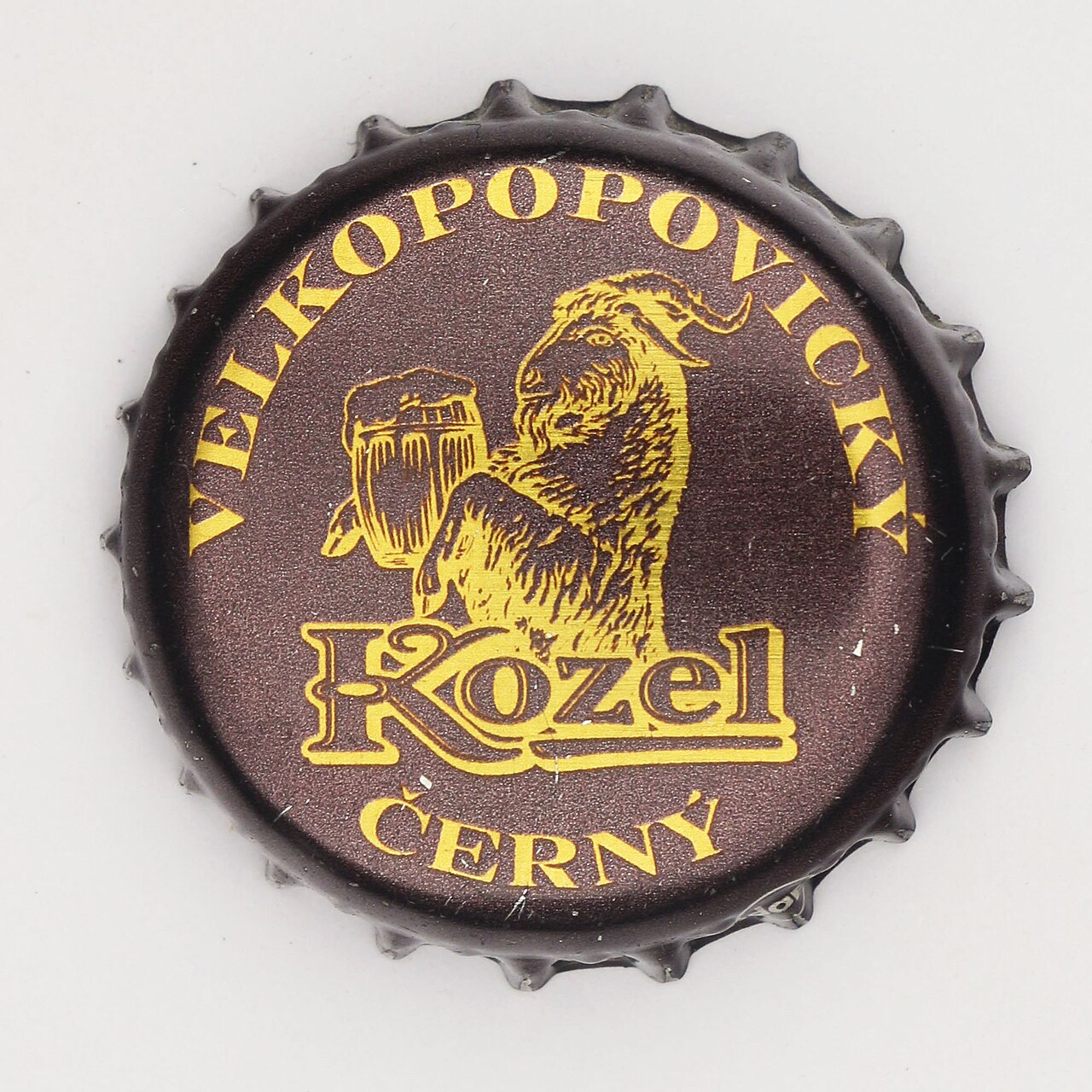
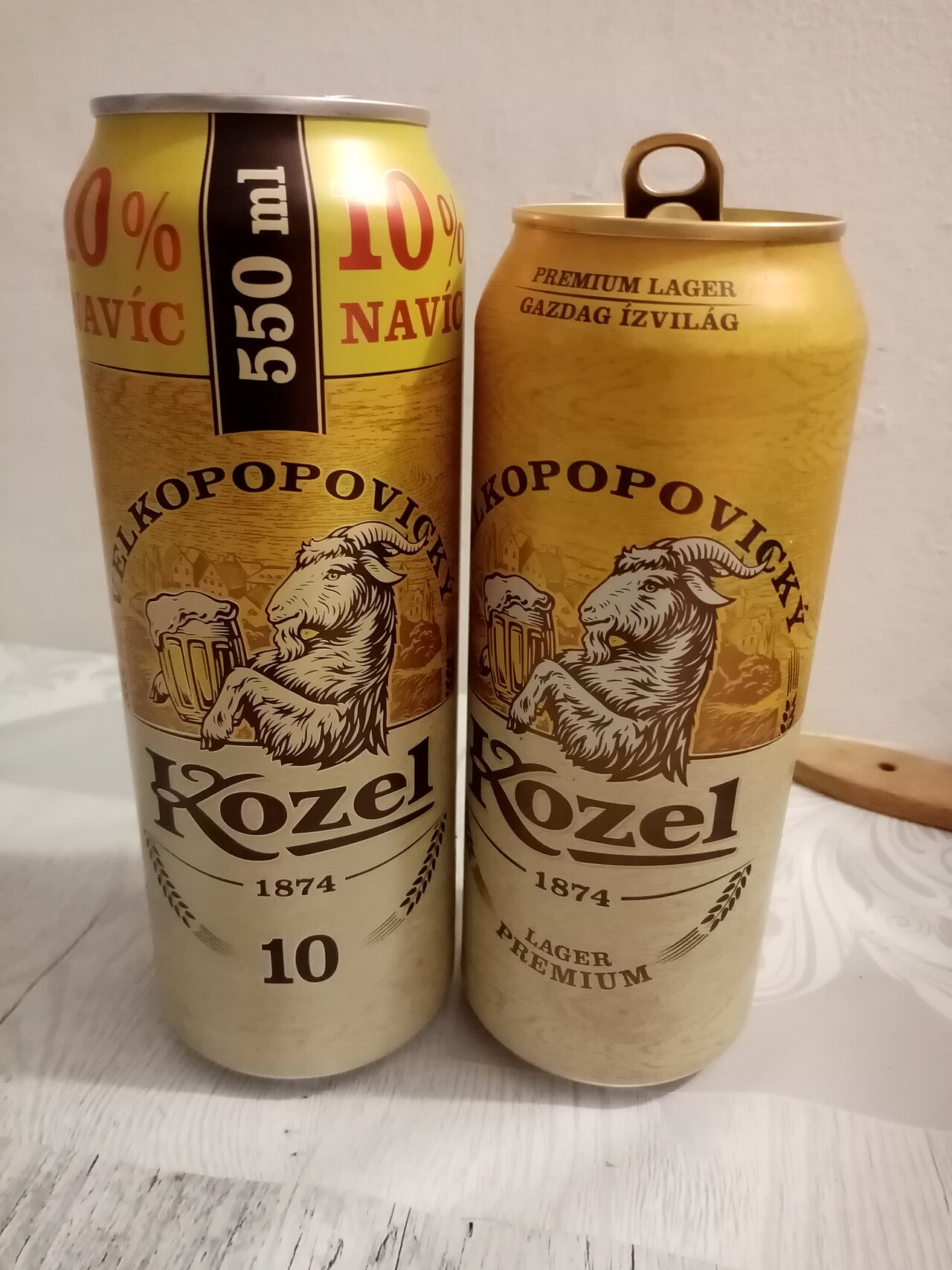
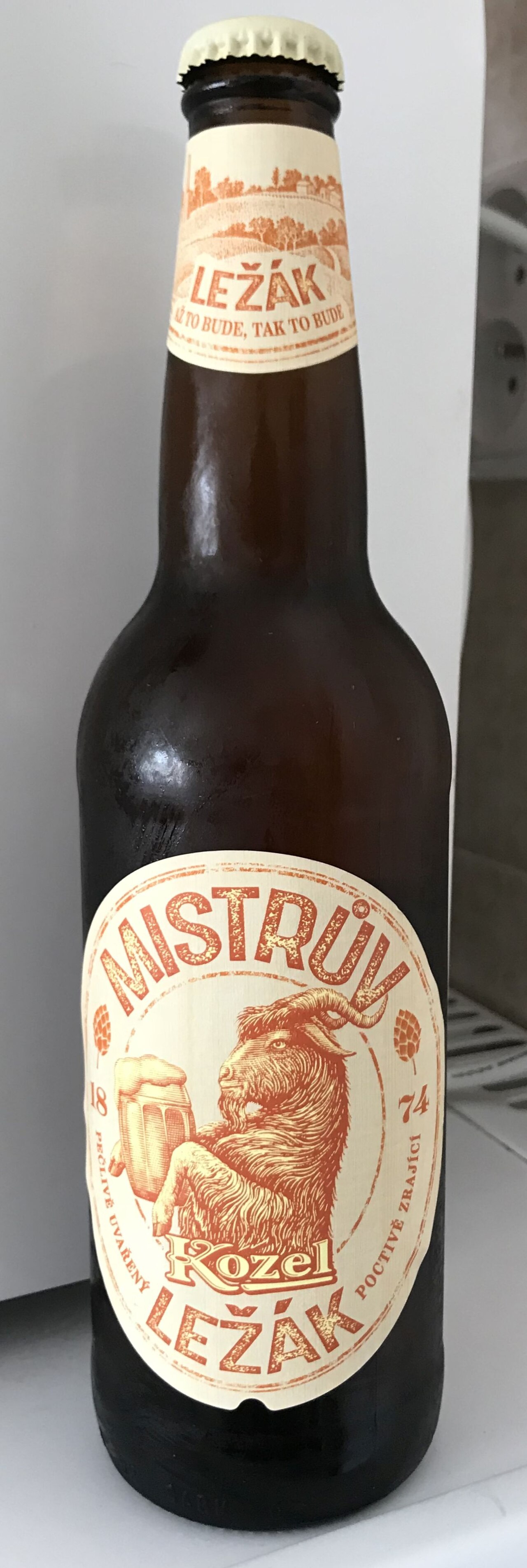
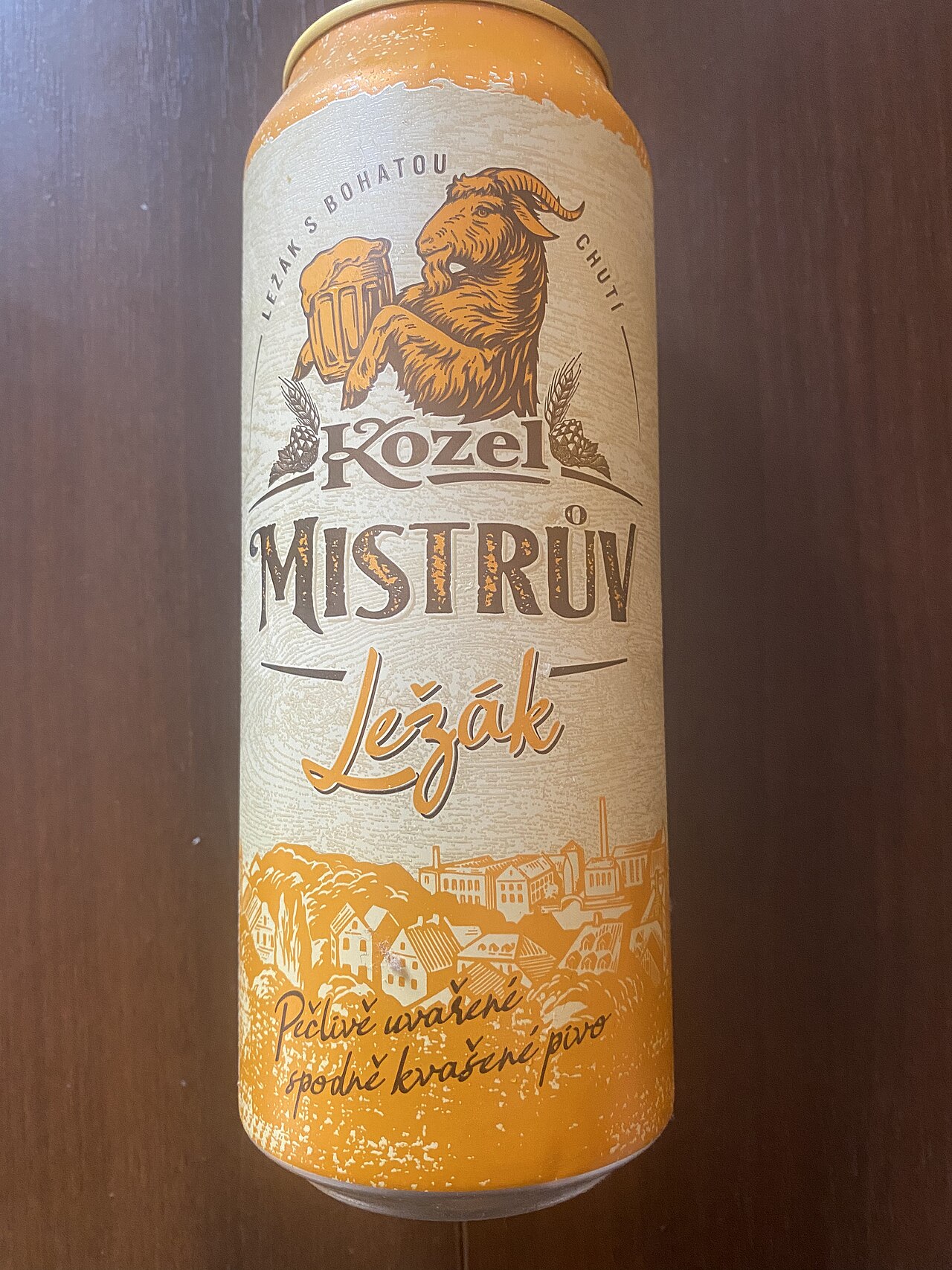
The name Kozel and its now-iconic emblem emerged in the years following the First World War, a period of fierce competition among Czech brewers. Emanuel Ringhoffer, the founder's son, understood that the brewery needed a visual identity to set it apart on crowded shelves. He began producing a strong, dark lager that locals already called kozel—a word meaning "male goat" in Czech, echoing the German bock, also goat, used for such dark beers. The creative spark for the label came from an unexpected source: a French painter who passed through Velké Popovice, was so struck by the townspeople's warmth that he offered, out of gratitude, to design an emblem centred on a goat. Introduced in 1922, that goat has graced the label for nearly a century. In the 1930s the owners took branding a step further by bringing a live goat to the brewery as a visitor attraction—a tradition that continues to this day. Since the 1970s, every goat in that role has carried the name Olda, honouring the original caregiver, a name passed from one animal to the next for over forty years.
Enduring War, Socialism, and Change
Kozel's century of brewing was far from smooth. The First World War forced the brewery into a restricted, low-innovation mode of operation, though it managed to survive and then expand again during the interwar years. The Second World War brought fresh production limits and made it difficult to secure the raw materials needed for brewing. After the conflict, the new communist government nationalized the brewery, and a severe shortage of workers threatened daily operations. In 1951, management made the pragmatic decision to hire women, and by the early 1960s the workforce was nearly evenly split between men and women, with bottling handled entirely by female staff. One of the brewery's proudest moments came in 1965, when Kozel shipped the world's first beer delivered by tank truck, a move that helped spawn the tradition of tank pubs across the region. After three decades under socialism, the brewery finally regained its independence in 1991 and reorganized as a public limited company the following year, ready to compete in a free market.
From Czech Town to Global Shelf
Once a proudly independent Czech operation, Kozel entered the orbit of international brewing conglomerates in the early twenty-first century. In 2002, the brand—along with its Czech sibling Radegast—was absorbed into Pilsner Urquell, which itself sat under the massive SABMiller brewing group. That arrangement lasted until 2016, when SABMiller's own acquisition by ABInBev triggered global antitrust requirements, and Kozel was divested to Japan's Asahi Breweries. Despite these corporate handoffs, the brand's geographic reach has continued to grow. Today Kozel is sold in roughly thirty countries, with licensed production lines operating in Slovakia, Russia, Hungary, Ukraine, and Turkey, among others. The brand has also shown a willingness to court attention in unconventional ways: in 2012, a can of Kozel was launched into space over Russia, then dropped back to earth by parachute, with the entire event filmed and broadcast online as a viral marketing stunt. Whether in a Prague pub or a Turkish supermarket, the goat on the label remains the same one that first appeared in 1922.
Gallery
Frequently Asked Questions
What is Velkopopovický Kozel and where is it brewed?
It is a Czech beer brand produced in Velké Popovice, a town roughly 25 km southeast of Prague. The first batch dates to 1874, and the brewery building itself was completed the following year in 1875.
Why is the beer called 'Kozel' and what does the goat logo represent?
'Kozel' is the Czech word for a male goat, and the animal has been the brand's official emblem since 1922. The mascot makes it one of the most instantly recognizable beer logos in the country.
What brewing innovation is Velkopopovický Kozel credited with?
In 1965 the brewery introduced the world's first beer delivery using tank trucks. That breakthrough gave rise to the 'tank pub' format, where beer is stored and poured directly from large on-site tanks rather than from individual kegs.
Who were the key historical figures behind the brewery?
František Ringhoffer was the central owner who shaped the brewery during the 19th century. Brewing activity in Velké Popovice actually has roots stretching back to the 14th century, making the site far older than the current brand.
Who owns Velkopopovický Kozel today?
The brand was acquired by SABMiller in 2002, folding it into the global brewing giant's portfolio. It continues to be brewed in Velké Popovice and is still best known for its dark lager style.
More in Beer Brands, Part 5 1-24
Spotted an error? Know more?
Reader corrections go straight into our review queue. Suggest an edit · How this site is sourced