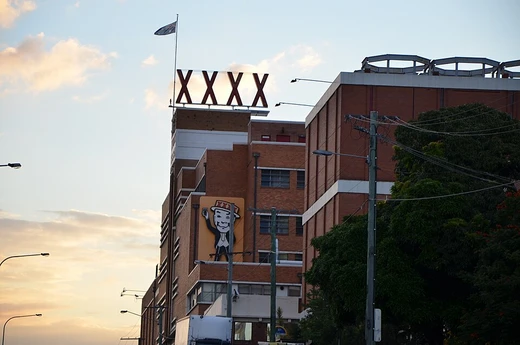
Starobrno Brewery
Czech brewery in Brno, successor to a 1325 convent brewery.

Jarda 75 · CC BY-SA 3.0
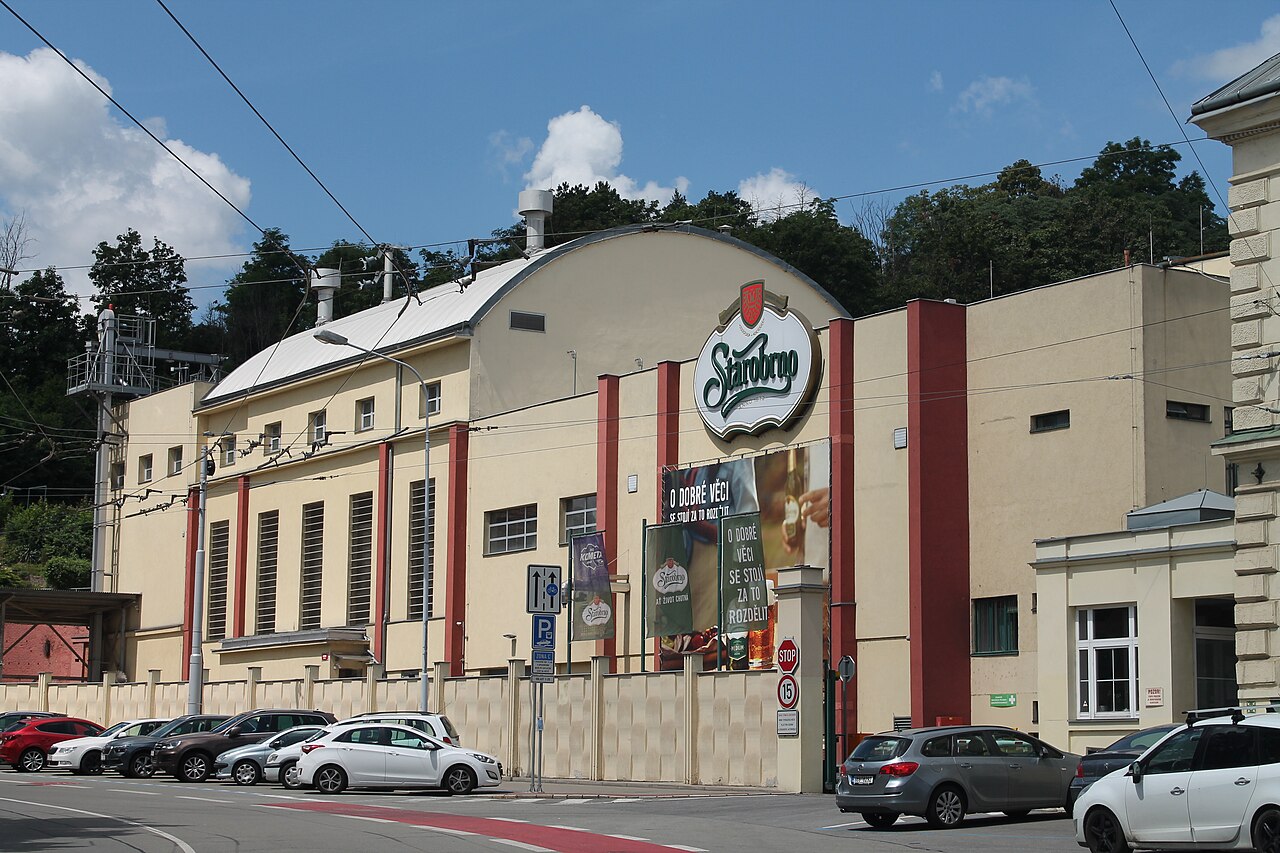
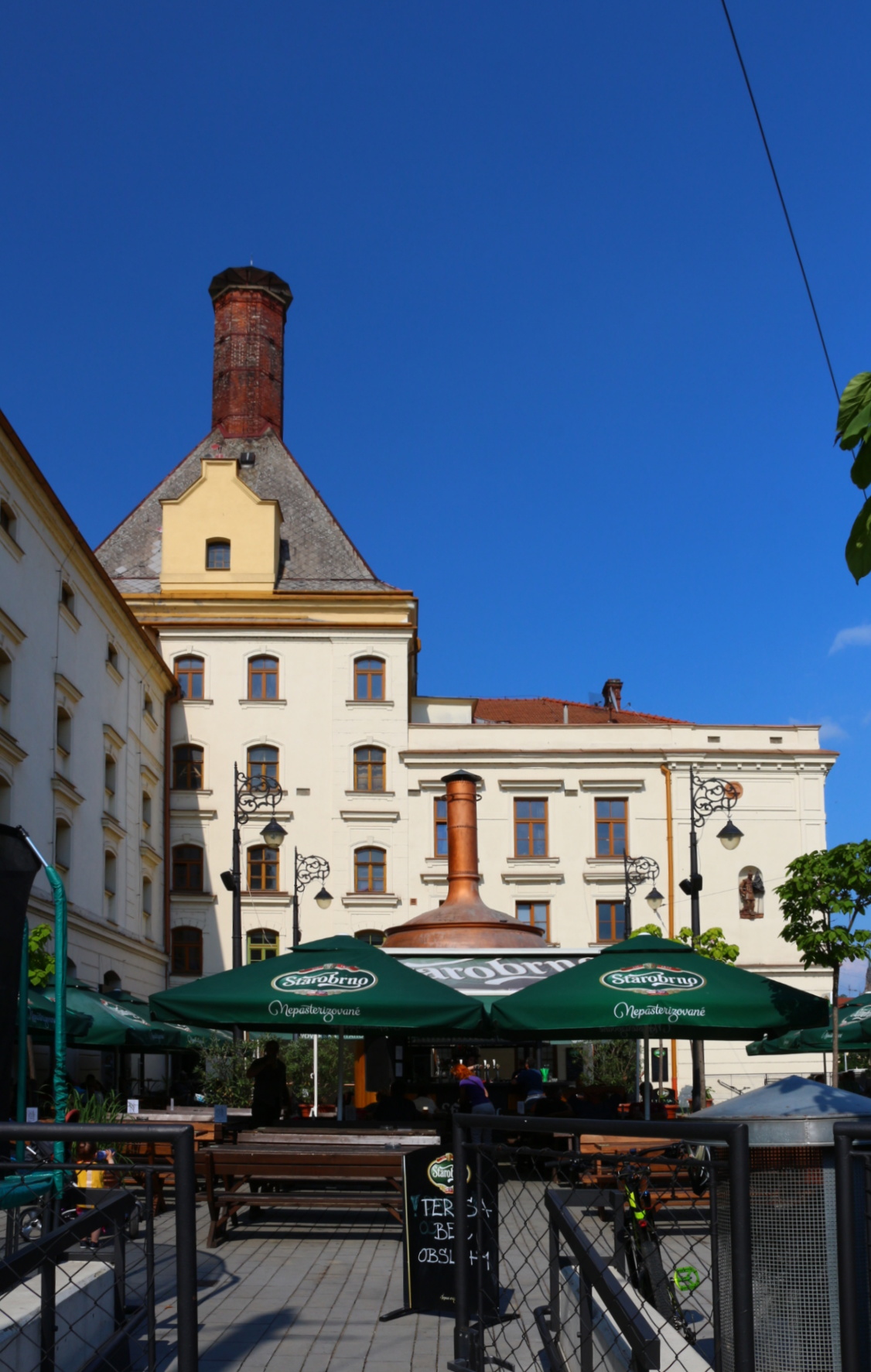
Starobrno Brewery sits in the Czech city of Brno. It traces its roots to a brewery that was part of a Cistercian convent founded in 1325. The name Starobrno Brewery didn't appear until the latter half of the 1800s. In 2009, the brewery hit a production milestone of over one million hectoliters of beer. That same year, it joined forces with the Royal Brewery of Krušovice and became part of the Dutch company Heineken N.V.
The brewery's story starts with a Cistercian convent built by Elisabeth Richeza of Poland in the Old Brno district. At first, the brewery operated independently from the city council, run by a burgher named Mořic, though city councilors kept a tight grip on beer quality. During the Hussite Wars in the early 1400s, the brewery and convent were burned down multiple times, but each time they were rebuilt much as before. After the Battle of White Mountain in 1624, Brno was forced to pay a special tax on beer called "pivní tác." Following the city's successful defense against Swedish sieges in 1645, Brno got permission to collect that tax for its own use.
In 1782, Emperor Joseph II shut down the convent, and its property went to St Thomas's Abbey. Records of the brewery between 1782 and 1825 are lost because the archives were destroyed. The second half of the 19th century saw a boom in Czech brewing. Old Brno's outdated equipment and low capacity couldn't keep up with the growing city's demands. The last owners of the original brewery, Josef Mandel and his son-in-law Herrmann Hayek, decided to build a new, modern facility. In 1872, their company "Mandel a Hayek" started construction on "V hlinkách" street. The old brewery buildings were turned into a malt house. In the 1890s, the brewery merged with another company in Brněnské Ivanovice, moving production to the new Old Brno site. By the end of the century, annual output reached 236,490 hectoliters.
Before World War I, the company had overtaken most competitors in Brno, with yearly production hitting 250,000 hectoliters. Beer from Brno was exported to Poland and Austria-Hungary, supplying Vienna with five wagons daily. The owners at that time were German; the first Czech shareholders didn't arrive until 1911. After the Czechoslovak State formed in 1918, the brewery came under Moravian Bank control, and exports shifted toward the Slovak market.
Quick Facts
- Location City
- Brno
- Location Country
- Czech Republic
- Opened
- 1325
- Owner
- Heineken N.V.
Facts from the source article.
Lore & Background
The brewery's beginnings were connected with the Cistercian convent built by Elisabeth Richeza of Poland in the Old Brno district. Initially independent from the city council, it was managed by a burgher named Mořic, though city councilors strictly controlled beer quality. During the Hussite Wars in the first half of the 15th century, the brewery and convent were burned down several times but were always restored. After the Battle of White Mountain in 1624, Brno was forced to pay a special charge per beer called 'pivní tác'. Following the successful defense against Swedish sieges in 1645, the city was allowed to levy the charge for its own purposes. In 1782, the convent was closed by Emperor Joseph II, and the property passed to St Thomas's Abbey. No evidence of the brewery exists between 1782 and 1825, as archives were destroyed.
In the second half of the 19th century, the last owners of the original brewery, Josef Mandel and Herrmann Hayek, built a new modern brewery on 'V hlinkách' street in 1872. The old buildings were used for a new malt house. In the last decade of the 19th century, the brewery merged with another brewing company in Brněnské Ivanovice, moving production to Old Brno. By the end of the century, annual production reached 236,490 hectoliters. Up to World War I, production grew to 250,000 hectoliters yearly, with exports to Poland and Austria-Hungary, supplying Vienna with five wagons daily. The owners were Germans; the first Czech shareholders arrived in 1911. After 1918, the brewery passed to Moravian Bank, focusing on the Slovak market. Business peaked around 1927, then declined during the Great Depression, but Starobrno beat its main rival, Moravia Brewery. During World War II, the brewery was led by Germans and suffered damage from bombing in November 1944 and the passing front. Modernization occurred throughout the second half of the 20th century. In 1992, it became a joint-stock company and won first prize at the PIVEX exhibition. In 1994, it became part of the Austrian concern BBAG, which merged with Heineken Group in 2003.
Reader's Guide
Starobrno Brewery represents a continuous brewing tradition in Brno dating back to a 1325 Cistercian convent brewery, though the name Starobrno emerged only in the late 19th century. Its history reflects broader Czech and Central European events: Hussite Wars, imperial charges, Swedish sieges, Joseph II's monastic closures, and the 19th-century industrial expansion of brewing. The brewery's survival through archive destruction, war damage, and economic depression underscores its resilience. Its merger with Heineken in 2003 placed it within a major international group. The brewery's regular production includes unpasteurised beers such as Staré Brno (4.0% ABV), Starobrno Medium (4.7% ABV), Starobrno Drak (5.3% ABV), and Starobrno Unfiltered (5.0% ABV). A special green beer is produced annually for Maundy Thursday, inspired by the Czech term 'Green Thursday'. In 2020, the brewery introduced a craft series including Indian Pale Lager, American Pale Ale, and a cherry-flavoured beer. The brewery's significance lies in its long history, its role in the Brno market, and its adaptation to modern brewing trends while maintaining traditional unpasteurised products.
Did You Know?
- The brewery was originally part of a Cistercian convent built by Elisabeth Richeza of Poland.
- During the Hussite Wars, the brewery and convent were burned down several times but always restored.
- In 2009, Starobrno produced over one million hectoliters of beer for the first time.
- The brewery produces a special green beer only once per year, distributed on Maundy Thursday.
Medieval Roots and Cistercian Heritage
The story of Starobrno begins not with commerce but with faith. In the 14th century, Elisabeth Richeza of Poland established a Cistercian convent in what is now the Old Brno district, and a brewery was founded in 1325 as part of that religious community. For its earliest years, the operation answered to no municipal authority; instead, a burgher named Mořic oversaw day-to-day brewing, while city councilors retained the right to inspect and enforce quality standards on the finished product. The 15th century brought repeated catastrophe. During the Hussite Wars, both the brewery and the convent structures were set ablaze multiple times, yet each time the buildings were rebuilt to approximate their former appearance. The early 17th century introduced a new financial burden: after the Battle of White Mountain in 1624, Brno was compelled to remit a per-beer levy known as the "pivní tác." Only after the city successfully withstood Swedish sieges in 1645 did Brno gain the privilege of retaining that revenue for its own coffers.
The 19th-Century Rebuilding and Industrial Expansion
When Emperor Joseph II dissolved the Cistercian convent in 1782, the property transferred to St Thomas's Abbey, and a troubling gap followed: no documentary evidence of the brewery's existence survives between 1782 and 1825, a silence attributed to the destruction of its archives. The site re-emerged as a modest operation, but by the latter decades of the 1800s, the brewing industry across the Czech lands was expanding rapidly, and the aging, low-capacity Old Brno brewery could no longer meet the demands of a growing city. Owners Josef Mandel and his son-in-law Herrmann Hayek made the decisive move. In 1872, their firm broke ground on a new, modern brewing complex on V hlinkách street, repurposing materials from the old brewery buildings into a new malt house. The name "Starobrno" was only adopted in the second half of the 19th century. A further consolidation followed when the brewery absorbed a rival operation in Brněnské Ivanovice, shifting all production to the new Old Brno facilities. By century's end, the combined output stood at 236,490 hectoliters per year.
Two World Wars and the Road to Independence
The early 20th century saw Starobrno's market position solidify. By the eve of World War I, annual output had climbed to 250,000 hectoliters, and the brewery was shipping five wagons of beer daily into Vienna while also exporting to Poland and the broader Austria-Hungary market. Ownership, however, remained in German hands until 1911, when the first Czech shareholders entered the picture. The founding of the Czechoslovak state in 1918 reshaped the brewery's trajectory. Control passed to Moravian Bank, and export focus shifted toward Slovakia. Business peaked around 1927, but the Great Depression dealt a temporary blow. Remarkably, the lean years ended with Starobrno outperforming its chief local rival, Moravia Brewery. World War II brought German management and physical destruction: the November 1944 bombing of Brno damaged the premises, and the passing front line inflicted further heavy damage. In the postwar decades, successive modernization programs kept the brewery viable. The pivotal moment came in 1992, when Starobrno restructured as a joint-stock company and simultaneously won first prize at the PIVEX beer exhibition, signaling a new era of competitiveness.
Production, Craft Innovation, and the Heineken Era
Starobrno's brewing output reflects both tradition and experimentation. Its core lineup consists of four unpasteurised beers: Staré Brno, a pale 10-degree draught beer at 4.0% ABV; Starobrno Medium, an 11-degree lager at 4.7%; Starobrno Drak, a 12-degree lager at 5.3%; and Starobrno Unfiltered, an unfiltered 12-degree lager at 5.0%. Each year, the brewery also releases a one-time green beer for Maundy Thursday, its unusual hue a nod to the Czech name for the holiday, "zelený čtvrtek." In March 2020, Starobrno expanded into craft-inspired territory with three new releases: an Indian Pale Lager at 5% ABV, a top-fermented American Pale Ale also at 5%, and a cherry-flavoured RED at 3.6%. The brewery's corporate trajectory accelerated in the 21st century. In 1994 it joined the Austrian BBAG group, and the 2003 BBAG–Heineken merger placed Starobrno within the Dutch Heineken N.V. umbrella. In 2009, Starobrno surpassed one million hectoliters of annual production for the first time in its history, and it merged with the Royal Brewery of Krušovice under the Heineken banner.
Gallery
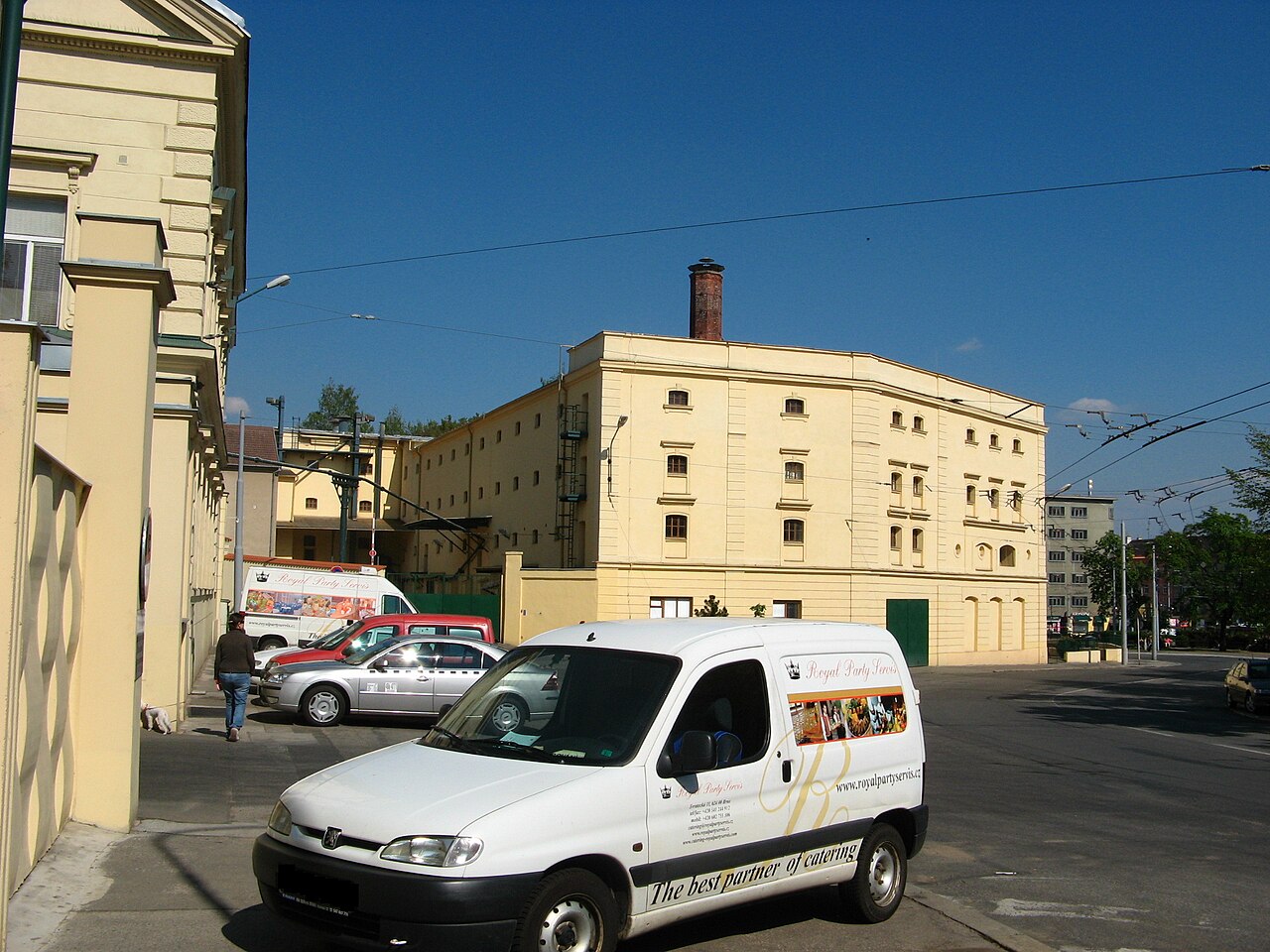
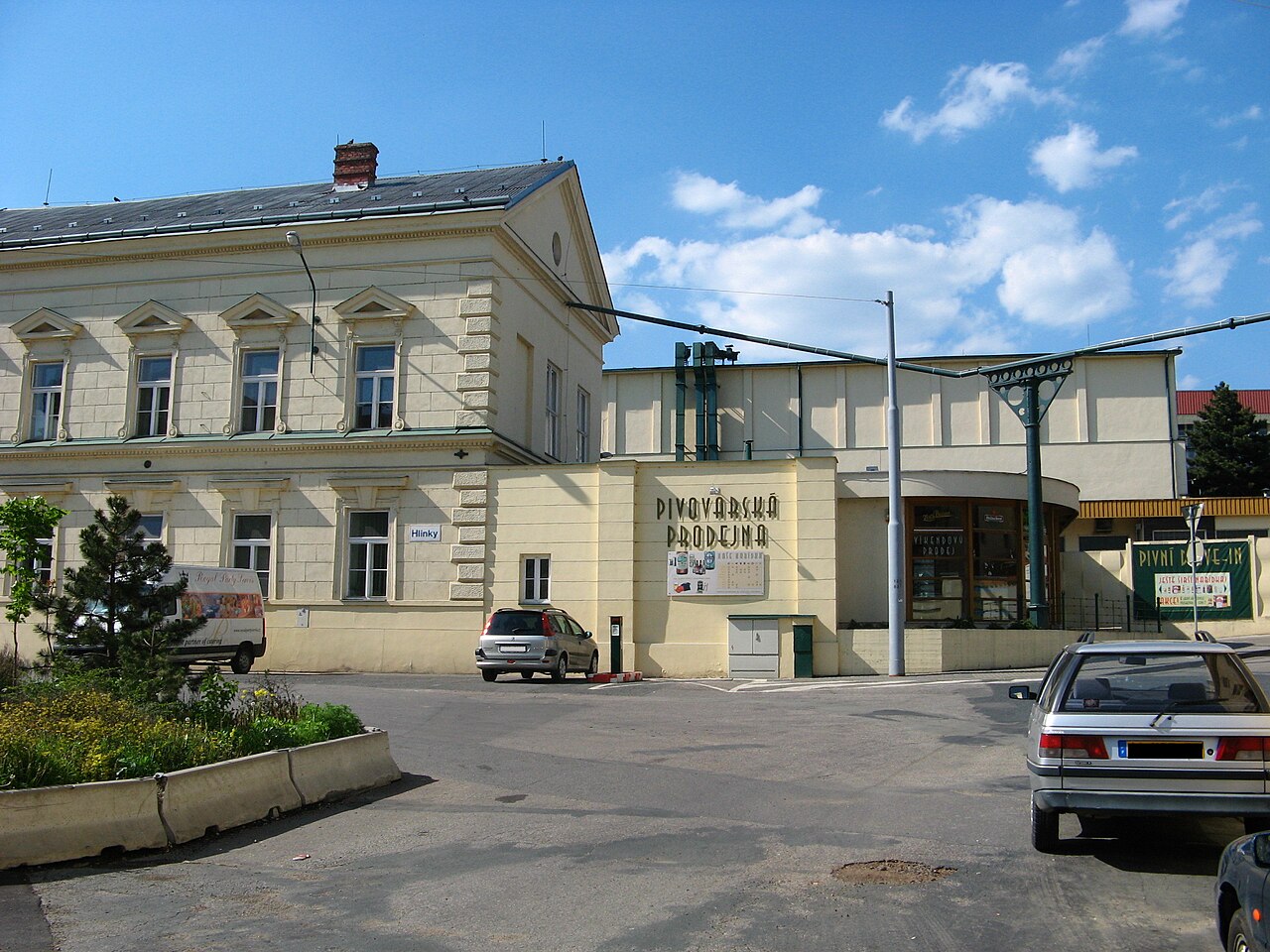
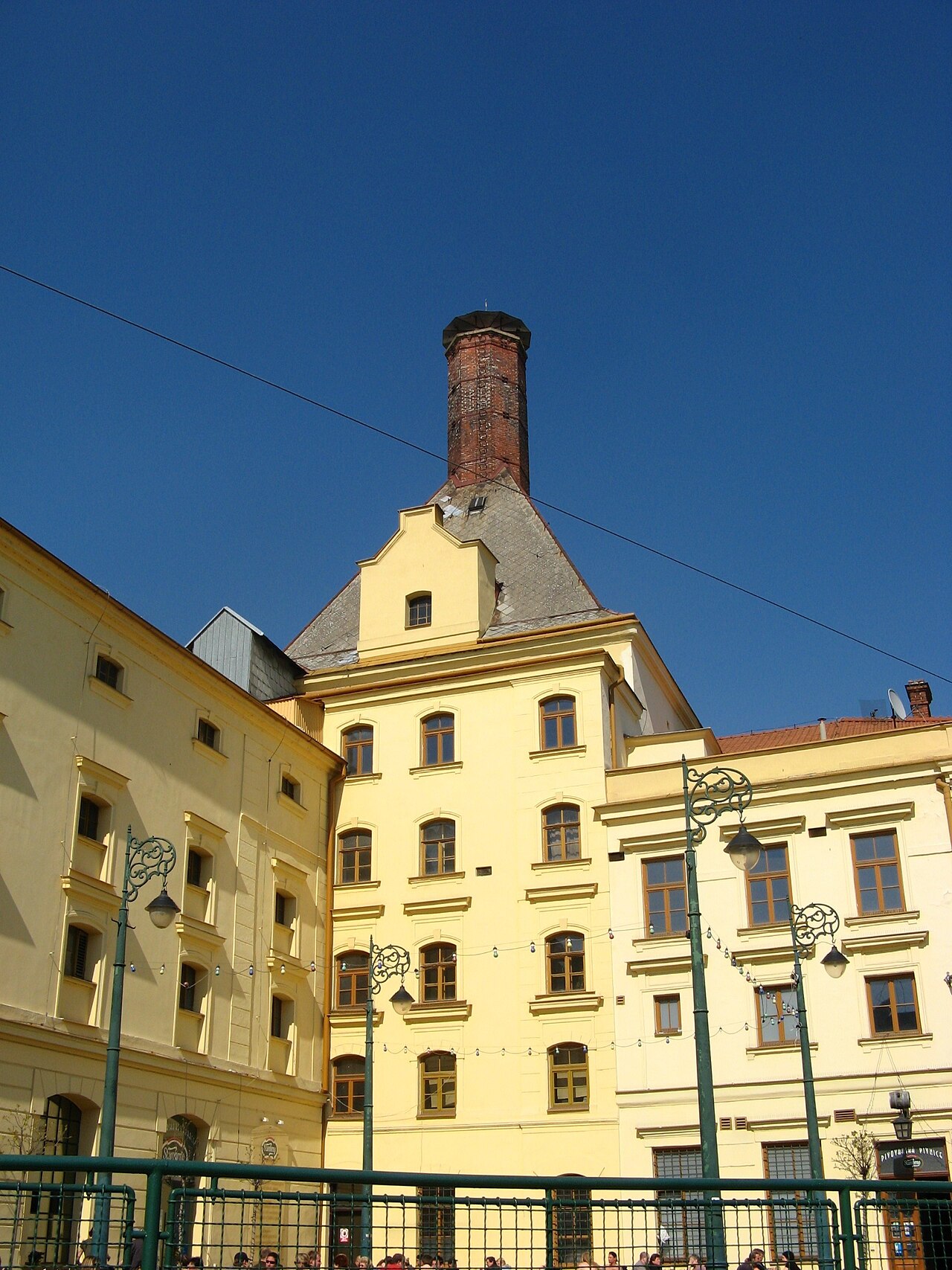
Frequently Asked Questions
What is Starobrno Brewery?
Starobrno Brewery is a Czech beer producer located in Brno, descended from a brewing operation first established inside a Cistercian convent in 1325. The specific 'Starobrno' brand name, however, did not appear until the latter half of the nineteenth century.
How did Starobrno Brewery get its start?
The brewing tradition traces back to a Cistercian convent founded by Elisabeth Richeza of Poland in the Old Brno district, where the attached brewery initially operated independently from the surrounding city. This medieval origin makes it one of the oldest continuous brewing lineages in the Czech lands.
What are the most popular Starobrno beers?
The brewery's core lineup includes Staré Brno, Starobrno Medium, Starobrno Drak, and Starobrno Unfiltered. The Medium and Unfiltered variants are among the most widely recognized names on Czech shelves.
Who owns Starobrno Brewery today?
In 2009, Starobrno merged with the Royal Brewery of Krušovice, and the combined entity became part of Heineken N.V., the Dutch brewing giant. This followed an earlier 2003 merger with BBAG that paved the way for the Heineken acquisition.
How much beer does Starobrno produce?
By 2009 the brewery crossed the one-million-hectoliter annual production threshold, solidifying its place as one of the larger producers in the Czech Republic.
More in Beer Brands, Part 5 1-24
Spotted an error? Know more?
Reader corrections go straight into our review queue. Suggest an edit · How this site is sourced