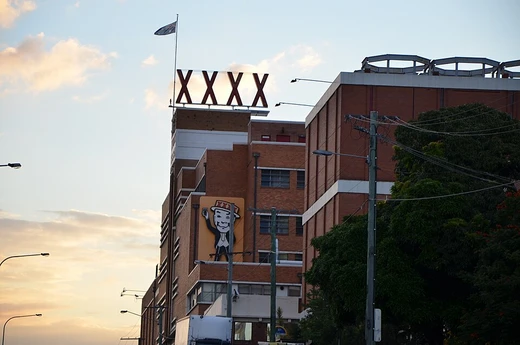
Alexander Keith's Brewery
A historic Nova Scotia brewery now owned by Anheuser-Busch InBev.

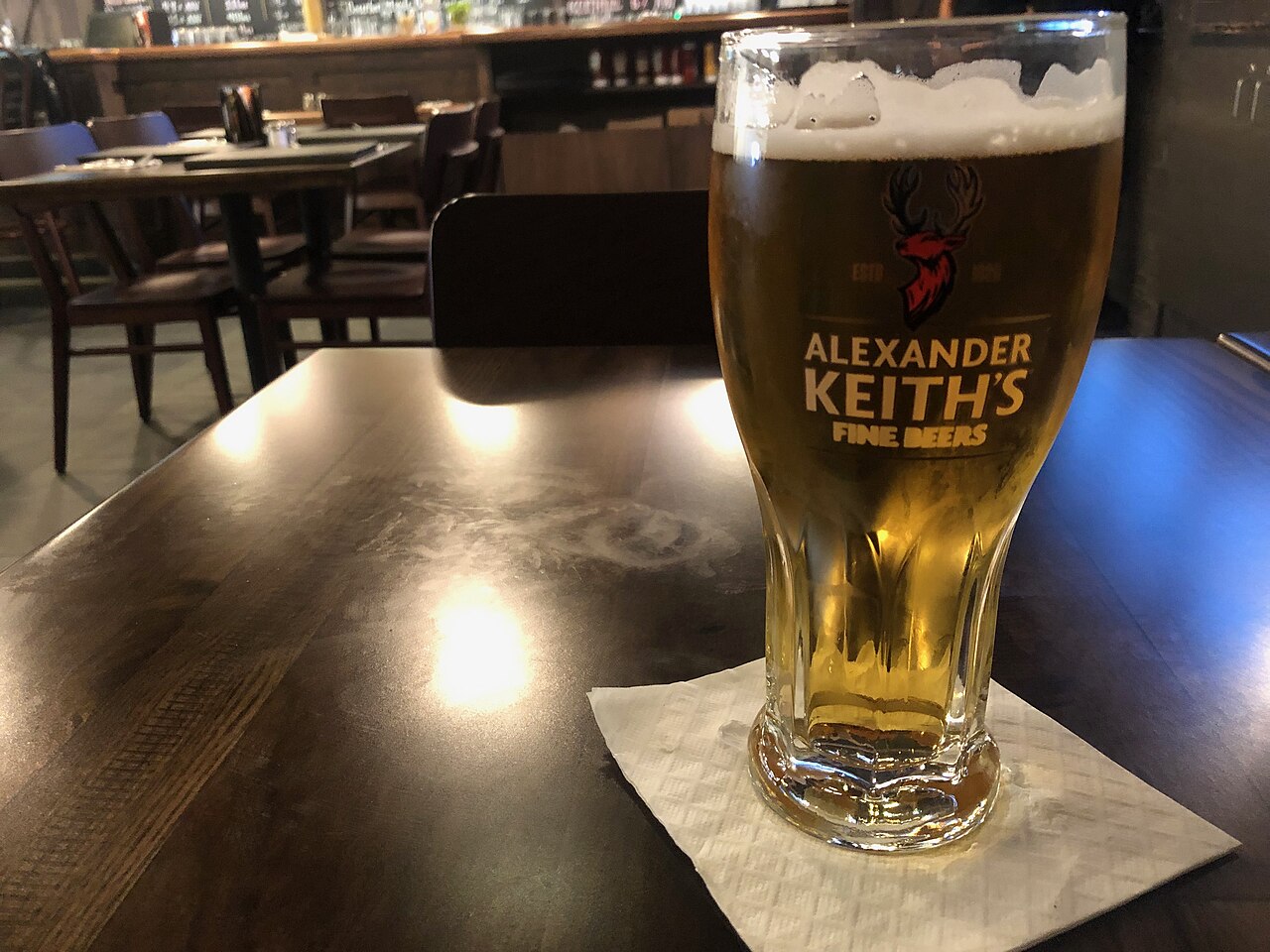
Chris Breeze from May's Lick, KY, USA · CC BY 2.0
Alexander Keith's Brewery is a brewery in Halifax, Nova Scotia, Canada, founded in 1820 by Scottish immigrant Alexander Keith. It is notable for its India Pale Ale, which became the most popular beer in Nova Scotia by the 1990s, and for its long history of ownership changes, now being part of Anheuser-Busch InBev.
Quick Facts
- Hq Location
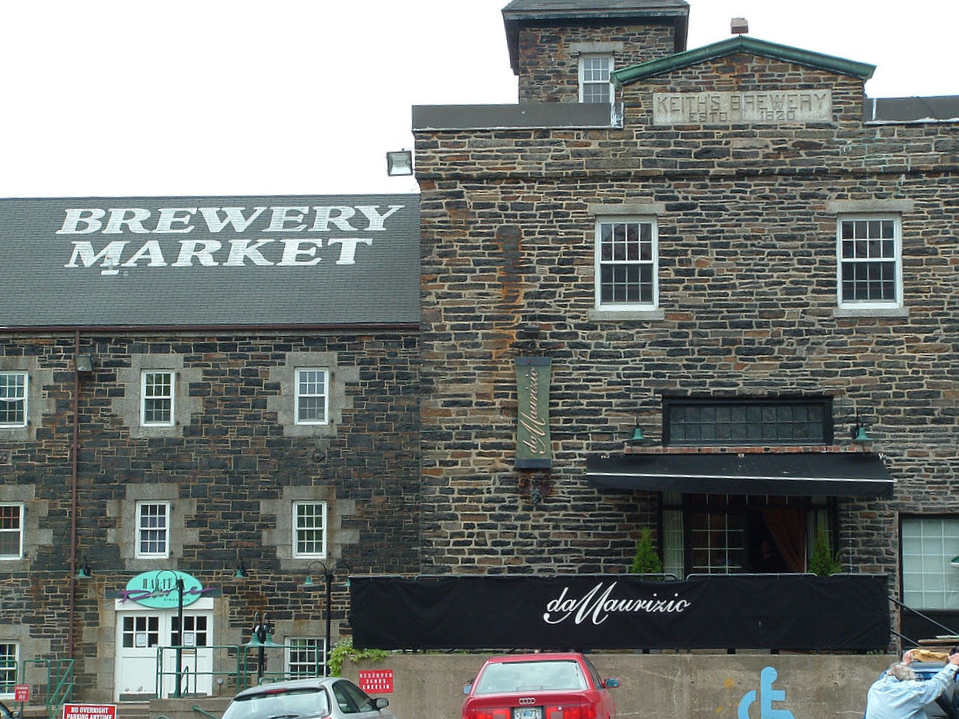
- 1496 Lower Water Street, Halifax, Nova Scotia, Canada
- Owner
- AB InBev
- Founded
- 1820
Facts from the source article.
Lore & Background
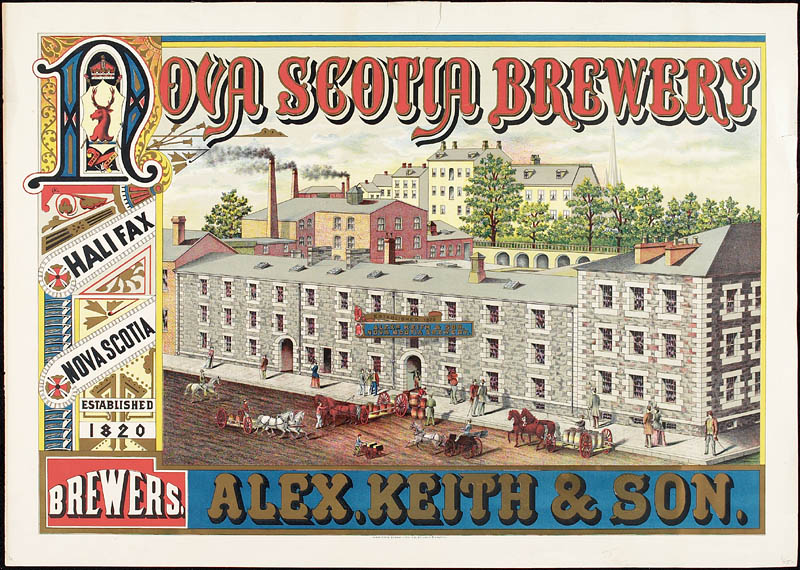
Alexander Keith, who had immigrated from Scotland three years prior, founded the brewery in 1820 in Halifax, Nova Scotia. In 1928, the business was sold to Oland Brewery, which was later sold to Labatt Brewing Company. Through subsequent mergers and acquisitions, Labatt's became part of Anheuser-Busch InBev, which continues to own the brand. Since the 1928 sale, parent companies have kept the brand alive, and by the 1990s Alexander Keith's India Pale Ale was the most popular beer in Nova Scotia. Although originally produced only in the Halifax brewery for sale in the Maritimes, the products are now made at Anheuser-Busch InBev plants across Canada and America.
Archived recipes from the early 1900s show high levels of hopping, large all-malt mash ingredients, and no use of corn, typical for beers of that time. In contrast, the modern beer marketed as Alexander Keith's IPA is only 5% alcohol by volume and lightly hopped, which does not meet the accepted criteria for an India pale ale. At the 2016 Canadian Brewing Awards, Alexander Keith's IPA won third place not in the IPA category, but in the 'North American Style Blonde or Golden Ale' category.
Reader's Guide
Alexander Keith's Brewery holds significance as one of Canada's oldest breweries, founded in 1820 and surviving through multiple corporate acquisitions to remain a prominent brand under Anheuser-Busch InBev. Its legacy is tied to the regional popularity of its India Pale Ale, which by the 1990s had become the most popular beer in Nova Scotia, reflecting deep local loyalty. However, the modern version of this IPA—lightly hopped and at 5% ABV—diverges sharply from historical recipes from the early 1900s, which featured heavy hopping and all-malt mashes. This discrepancy was highlighted at the 2016 Canadian Brewing Awards, where the beer placed third in the 'North American Style Blonde or Golden Ale' category rather than in the IPA category, underscoring a stylistic shift. The brand's expansion from a single Halifax brewery to production at multiple Anheuser-Busch InBev plants across Canada and America demonstrates its commercial reach, while the archived recipes preserve a record of earlier brewing practices. The brewery's story illustrates how a regional heritage brand can evolve under global ownership, maintaining its name and market presence even as its product characteristics change.
Did You Know?
- Alexander Keith's Brewery was founded in 1820 by Alexander Keith, who had immigrated from Scotland three years earlier.
- Archived recipes from the early 1900s show the beer used high hopping levels, all-malt mash, and no corn.
A Scottish Settler's Halifax Venture
The story of Alexander Keith's begins in 1820, when Alexander Keith, a recent immigrant from Scotland, established a brewery in Halifax, Nova Scotia. Keith had crossed the Atlantic and settled in Canada just three years before founding the operation, carrying with him the brewing knowledge and traditions of his Scottish heritage. Halifax, a bustling port city in the Maritime provinces, provided both the raw materials and the local demand that made a small-scale brewery viable. What started as one man's entrepreneurial effort in a coastal Canadian city would go on to define the beer landscape of an entire region for generations. The founding placed the brand firmly in the Maritime cultural sphere, a connection that persisted long after the original family ownership ended and corporate giants took the reins.
A Century of Ownership Changes
After Alexander Keith's original era, the brewery passed through a remarkable chain of corporate hands. In 1928, the business was sold to Oland Brewery, marking the end of independent, family-run operations. Oland itself was later absorbed by the Labatt Brewing Company, and through a series of subsequent mergers and acquisitions, the brand eventually found its way into the portfolio of Anheuser-Busch InBev, one of the largest brewing conglomerates in the world. Despite these dramatic shifts in ownership, the parent companies consistently chose to keep the Alexander Keith's name and identity alive rather than retiring it. This decision to preserve the brand through more than a century of corporate restructuring ensured that a name rooted in a single Scottish immigrant's 1820 venture would continue to appear on bottles well into the twenty-first century.
From Maritime Staple to Continental Shelf
For much of its history, Alexander Keith's beer was brewed exclusively at the Halifax brewery and sold only within the Maritime provinces. That regional focus gave the brand a deep, local identity that resonated with consumers across Nova Scotia, New Brunswick, and Prince Edward Island. By the 1990s, Alexander Keith's India Pale Ale had become the most popular beer in Nova Scotia, cementing its status as a regional favorite. However, the brand's reach eventually expanded far beyond its Maritime roots. Under Anheuser-Busch InBev's ownership, production moved to the conglomerate's plants across Canada and the United States, transforming a small regional brewery's output into a product available on a continental scale. Alongside the flagship IPA, a range of other beer styles is now marketed under the Alexander Keith's name, broadening the brand's appeal well beyond its original single-product identity.
The IPA That Wasn't
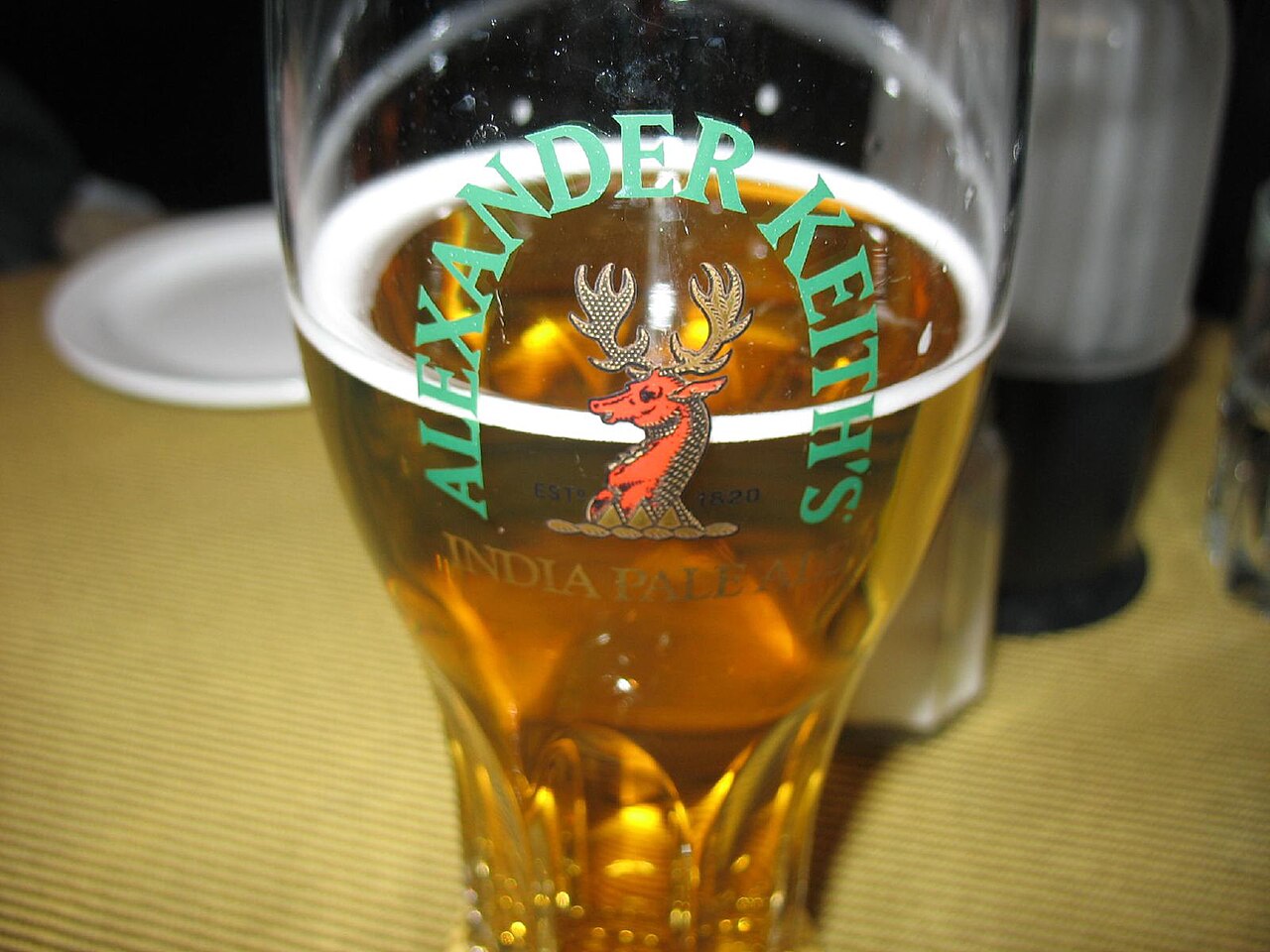
Perhaps the most striking aspect of Alexander Keith's modern identity is the gap between its famous name and the actual product. Archived recipes from the early 1900s reveal that the original Alexander Keith's beers featured high levels of hopping, large all-malt mash bills, and no corn, characteristics typical of robust beers of that era. The modern Alexander Keith's IPA, by contrast, is a lightly hopped, five-percent-alcohol beer that does not meet the widely accepted criteria for an India pale ale. This disconnect was made painfully visible at the 2016 Canadian Brewing Awards, where the beer placed third not in the IPA category but in the North American Style Blonde or Golden Ale division. The result is a brand whose most recognizable label describes a style the product no longer truly represents, a legacy of corporate rebranding that has outpaced the beer itself.
Gallery
Frequently Asked Questions
What is Alexander Keith's Brewery?
It is a historic brewery located in Halifax, Nova Scotia, Canada, that has been producing beer since 1820. The brand has become a deeply rooted part of Atlantic Canadian identity over its two centuries of operation.
What is Alexander Keith's most famous beer?
Their India Pale Ale (IPA) is the flagship product, brewed at 5% ABV in its modern formulation. By the 1990s, this IPA had climbed to become the most popular beer sold across the province of Nova Scotia.
Who founded Alexander Keith's and when?
Scottish immigrant Alexander Keith opened the brewery in Halifax in 1820, bringing his brewing craft from Scotland. The business he started went on to outlast him by well over a century and survive multiple ownership transitions.
Who owns Alexander Keith's Brewery today?
The brand currently operates under the Anheuser-Busch InBev corporate umbrella. It has cycled through several different owners throughout its long history before ultimately being absorbed by the global brewing giant.
Why is Alexander Keith's significant to Canadian beer culture?
As one of the oldest continuously operating breweries in Canada, it anchors nearly 200 years of Atlantic Canadian brewing tradition. Its IPA gave Nova Scotians a recognizable home-grown beer identity decades before the modern craft beer wave took hold.
More in Beer Brands, Part 5 1-24
Spotted an error? Know more?
Reader corrections go straight into our review queue. Suggest an edit · How this site is sourced