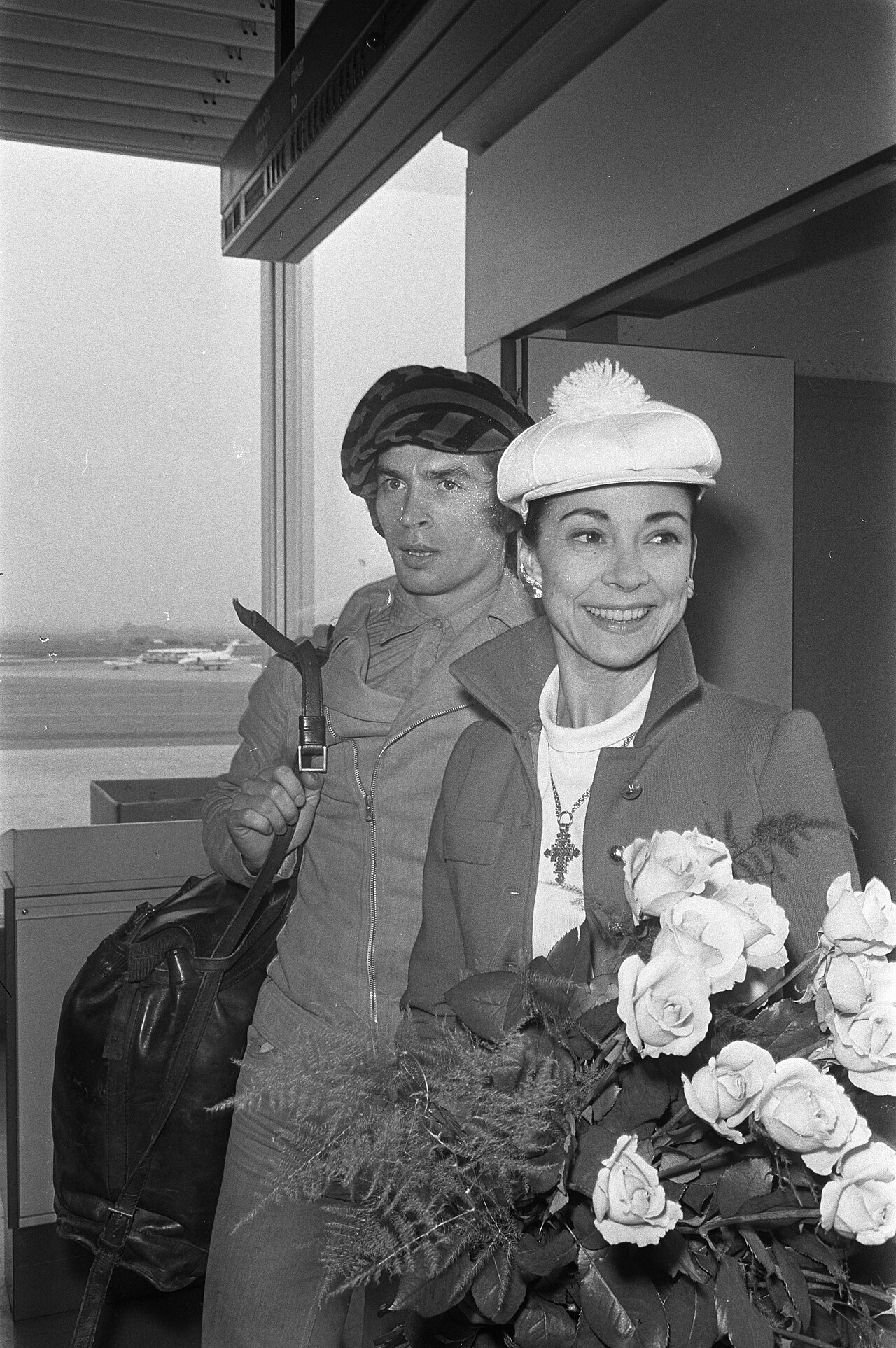
Margot Fonteyn
English ballerina appointed prima ballerina assoluta by Queen Elizabeth II.
Last updated

Eric Koch for Anefo · CC0
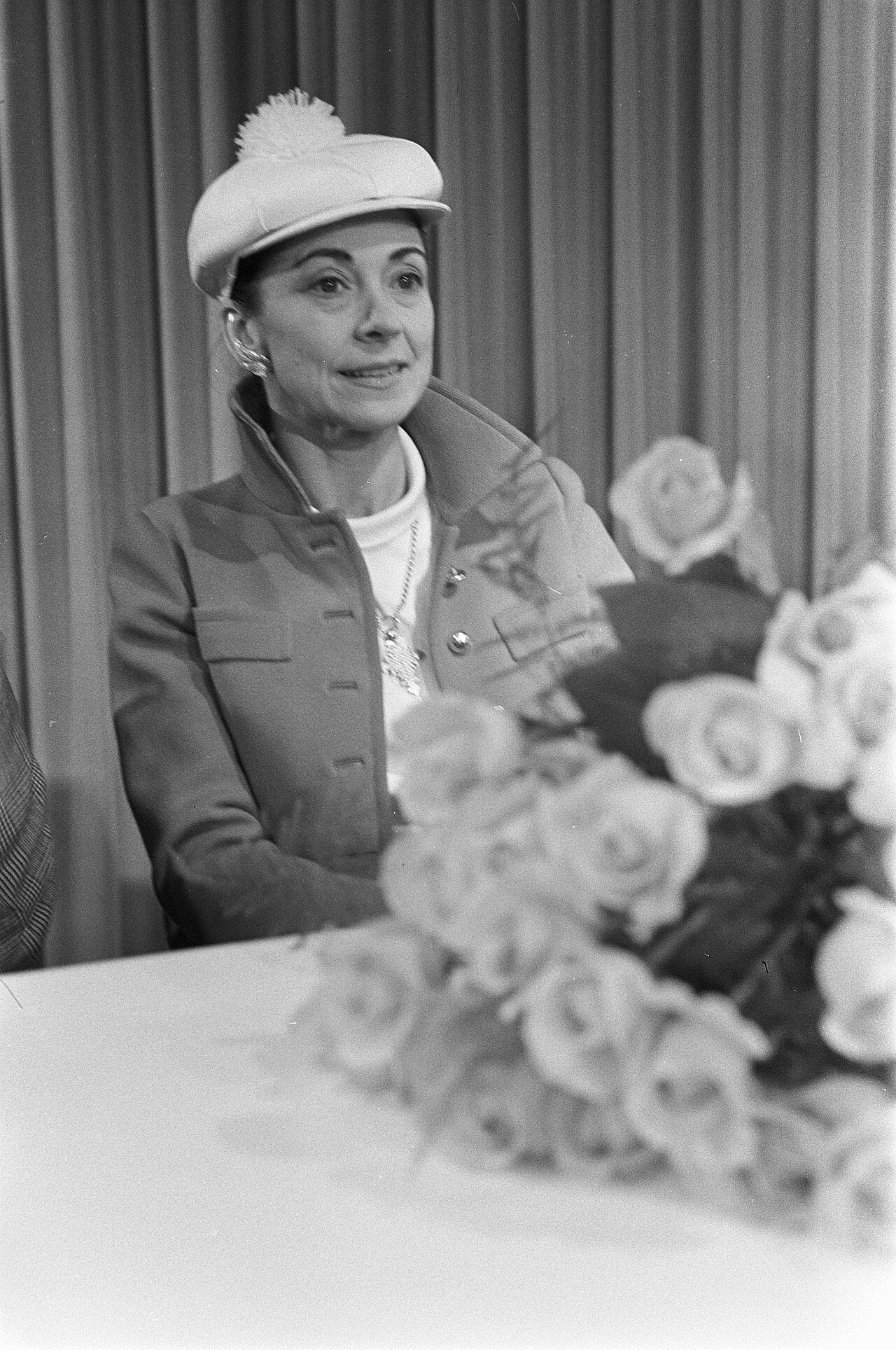
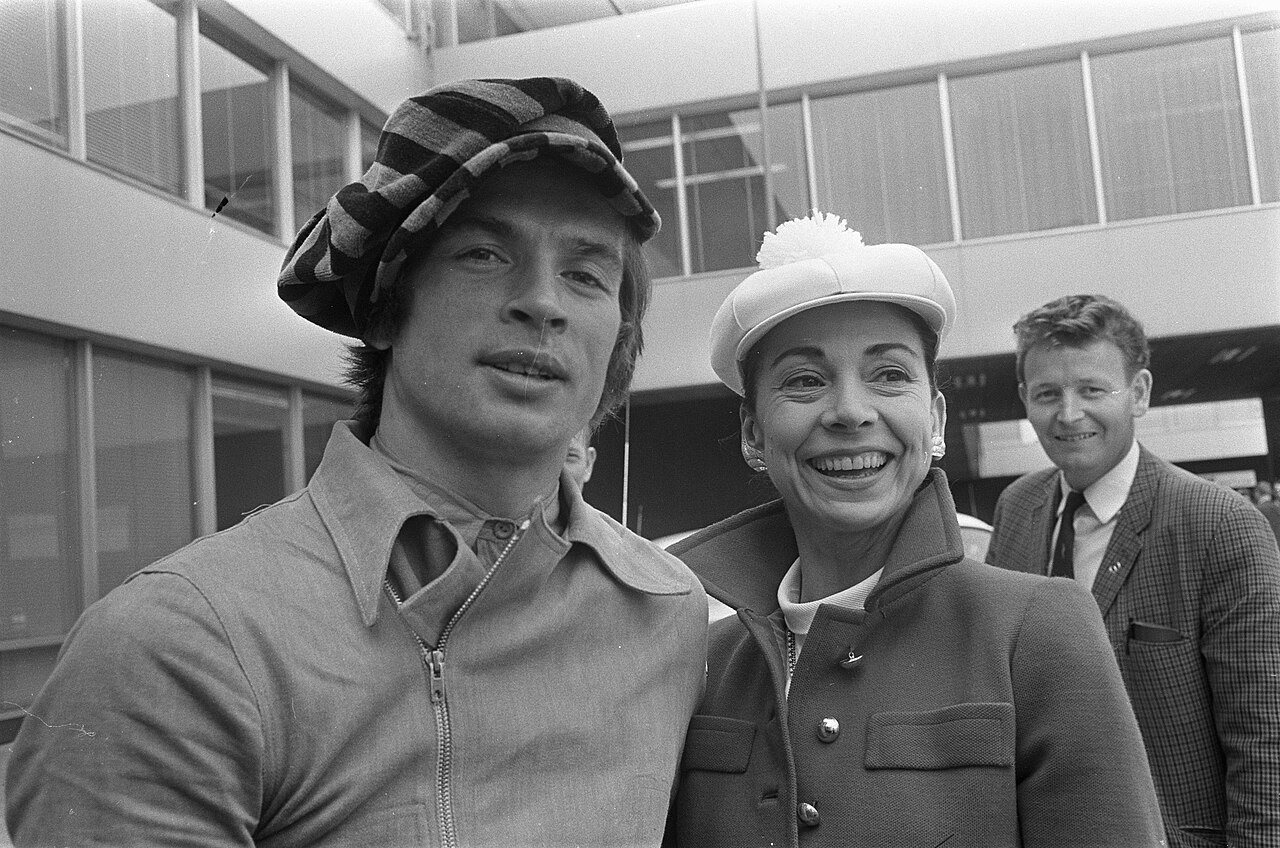
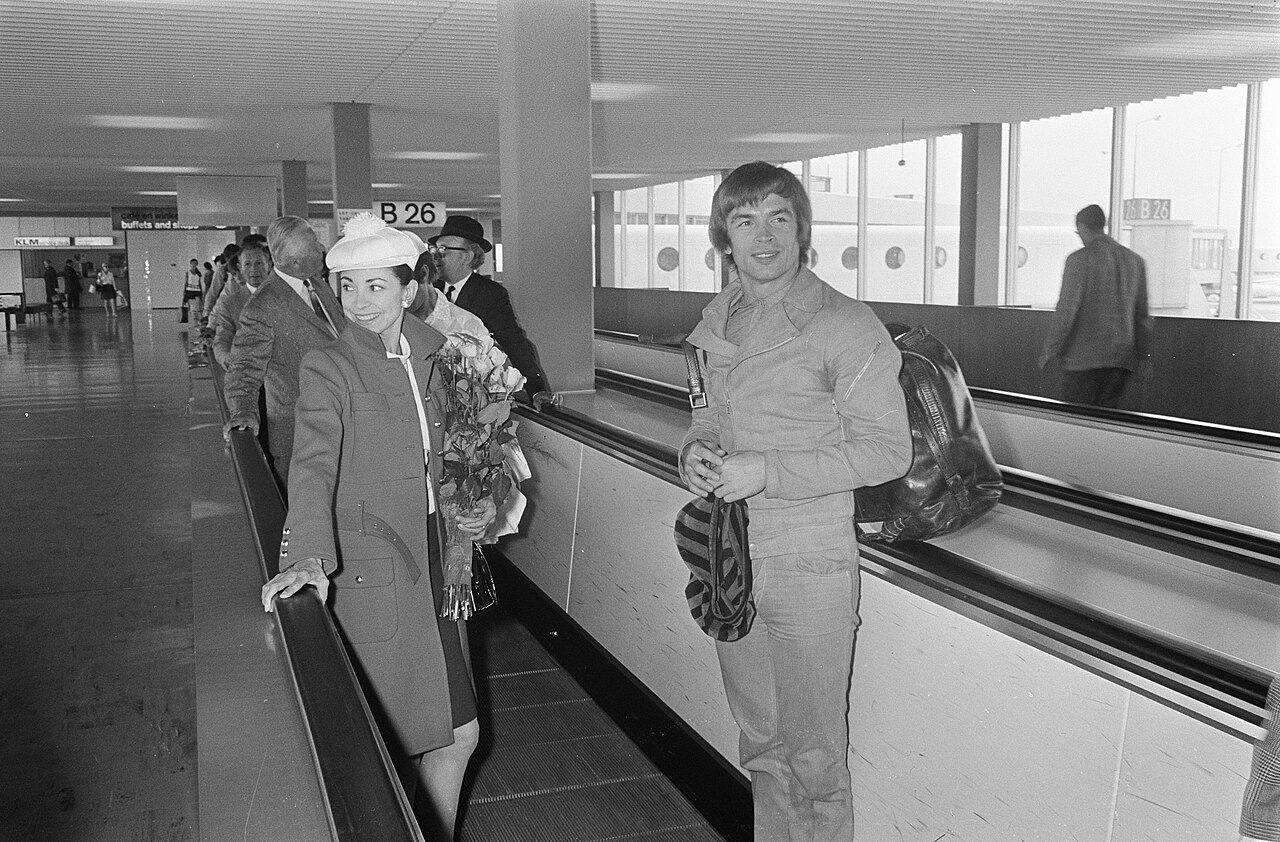
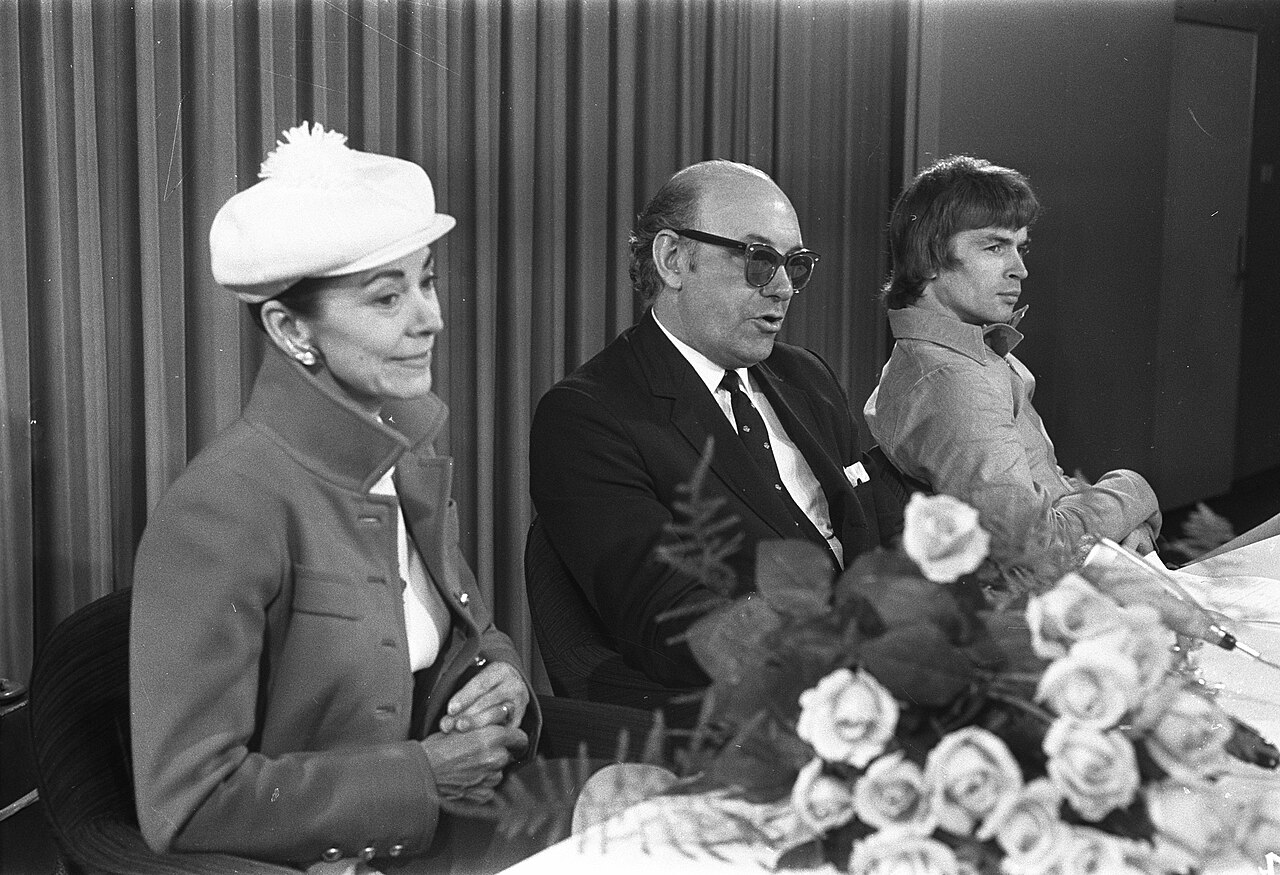
Margot Fonteyn was an English ballerina who spent her entire professional career with the Sadler's Wells Ballet Company, later The Royal Ballet. She was appointed prima ballerina assoluta of the company by Queen Elizabeth II in 1979. Exclusively trained at The Royal Ballet School, she danced her entire professional career with The Royal Ballet.
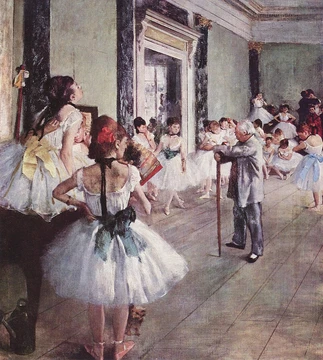
Lore & Background
Margot Fonteyn was trained at The Royal Ballet School and danced her entire professional career with The Royal Ballet. The Royal Ballet School is unique in having trained four dancers recognized as prima ballerina assoluta, and Fonteyn is one of them.
The Crucible of Talent
The institution that shaped Fonteyn operated on a radical principle: entry was determined solely by dancing talent and potential, with no regard for academic ability or personal circumstances. This philosophy, embedded in the school's founding mission to train outstanding classical ballet dancers, meant that a child's path into professional ballet hinged on what their body could achieve rather than on family wealth or school grades.
The fact that ninety percent of current students depend on financial support to attend underscores how accessible this path was intended to be. Fonteyn's journey through this system—first through the younger residential years, then into the more advanced full-time studies—reflects a pipeline designed to identify raw ability and refine it through rigorous training. The school's commitment to pure talent as the sole criterion of entry created an environment where a dancer of her caliber could emerge and be honed without the barriers that might otherwise have stood in the way.
The Weight of a Title
The honorific 'Dame' that precedes Margot Fonteyn's name is not merely ceremonial; it signals a level of recognition that places her among the most celebrated figures in the history of classical dance. The Royal Ballet School, which lists her among its alumni of international renown, frames her achievement as the culmination of a training system dedicated to producing dancers of the highest order.
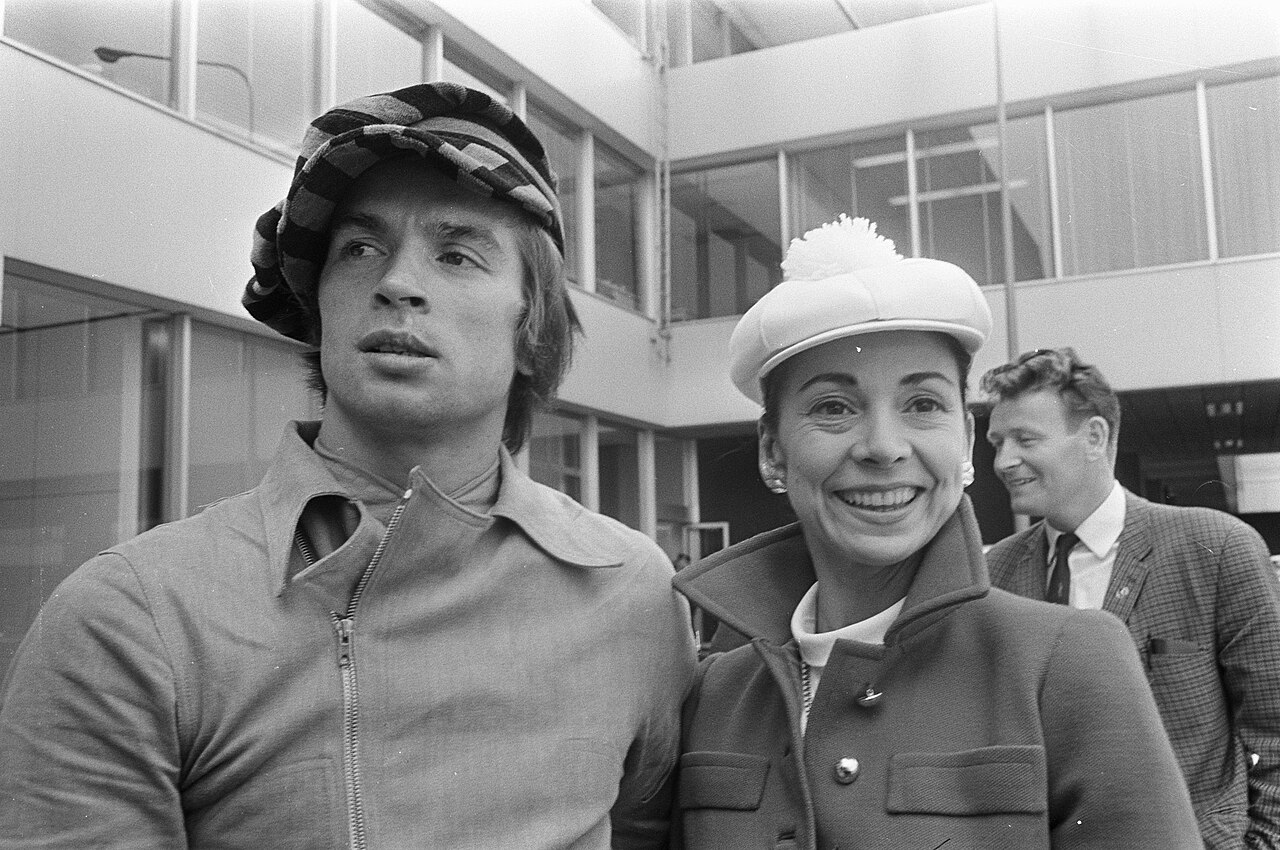
Her distinction is not isolated—she shares this tier with other Dames and Sirs who emerged from the same institution—but her position as the first name in that list carries a particular weight. It suggests that her international reputation transcended the boundaries of a single company or country, reaching a global audience in a way that defined what a classical ballerina could be. The school's own history, from Ninette de Valois's 1926 founding of the Academy of Choreographic Art through its evolution into the institution we know today, provides the institutional context for how a young dancer with pure talent could rise to a level of fame warranting the highest honors of the British peerage.
More in Ballet & Dance Masters
Sources
Compiled from Wikipedia and the sources listed below. Text from Wikipedia is available under CC BY-SA 4.0; this entry is adapted from it.
- Wikipedia: Margot Fonteyn (CC BY-SA 4.0).
Spotted an error? Know more?
Reader corrections go straight into our review queue. Suggest an edit · How this site is sourced