Ninette de Valois
Founder of The Royal Ballet and godmother of English and Irish ballet.
Last updated

Detaille, Georges (1875-1955). Photographe présumé · Public domain
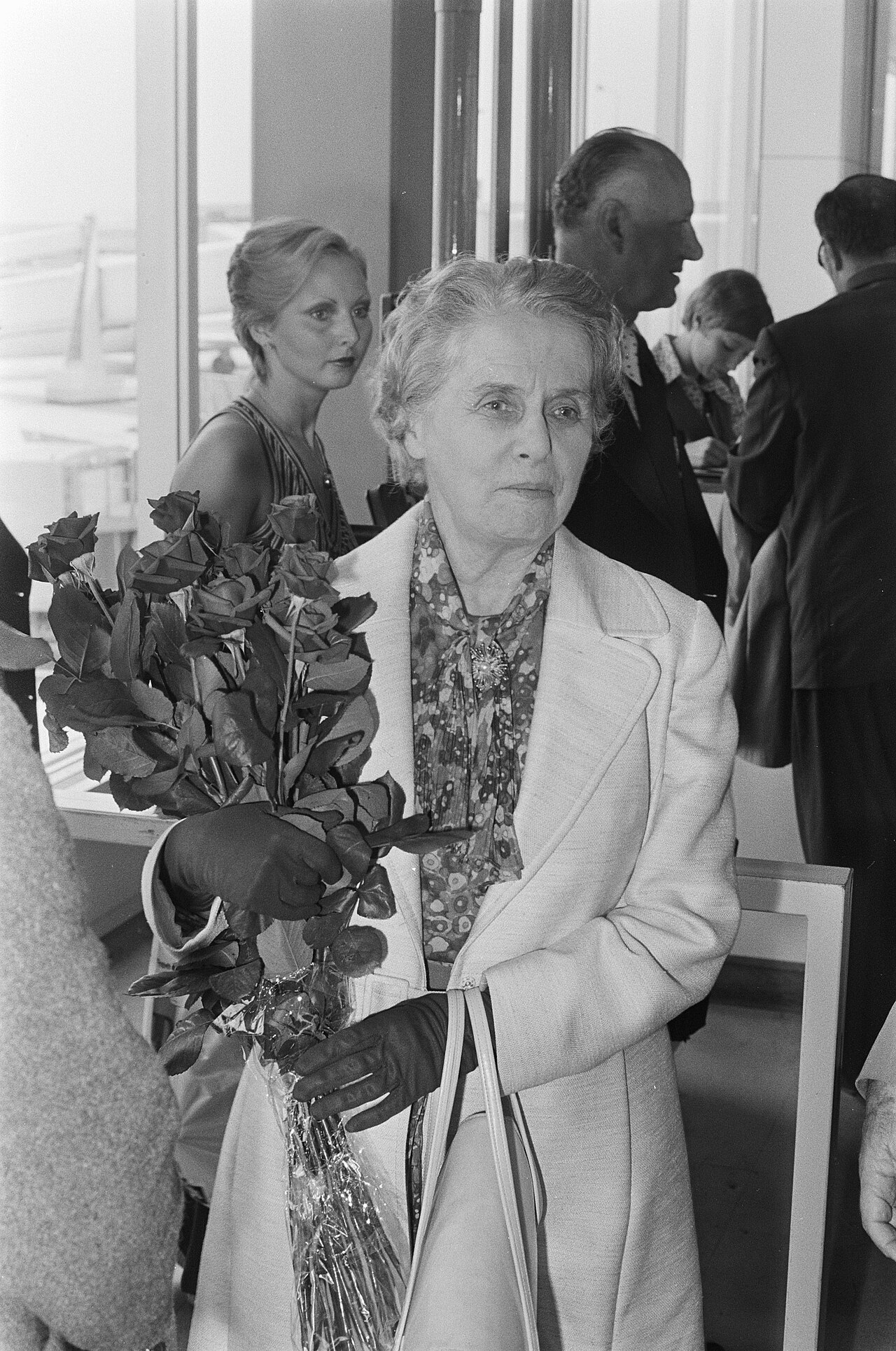
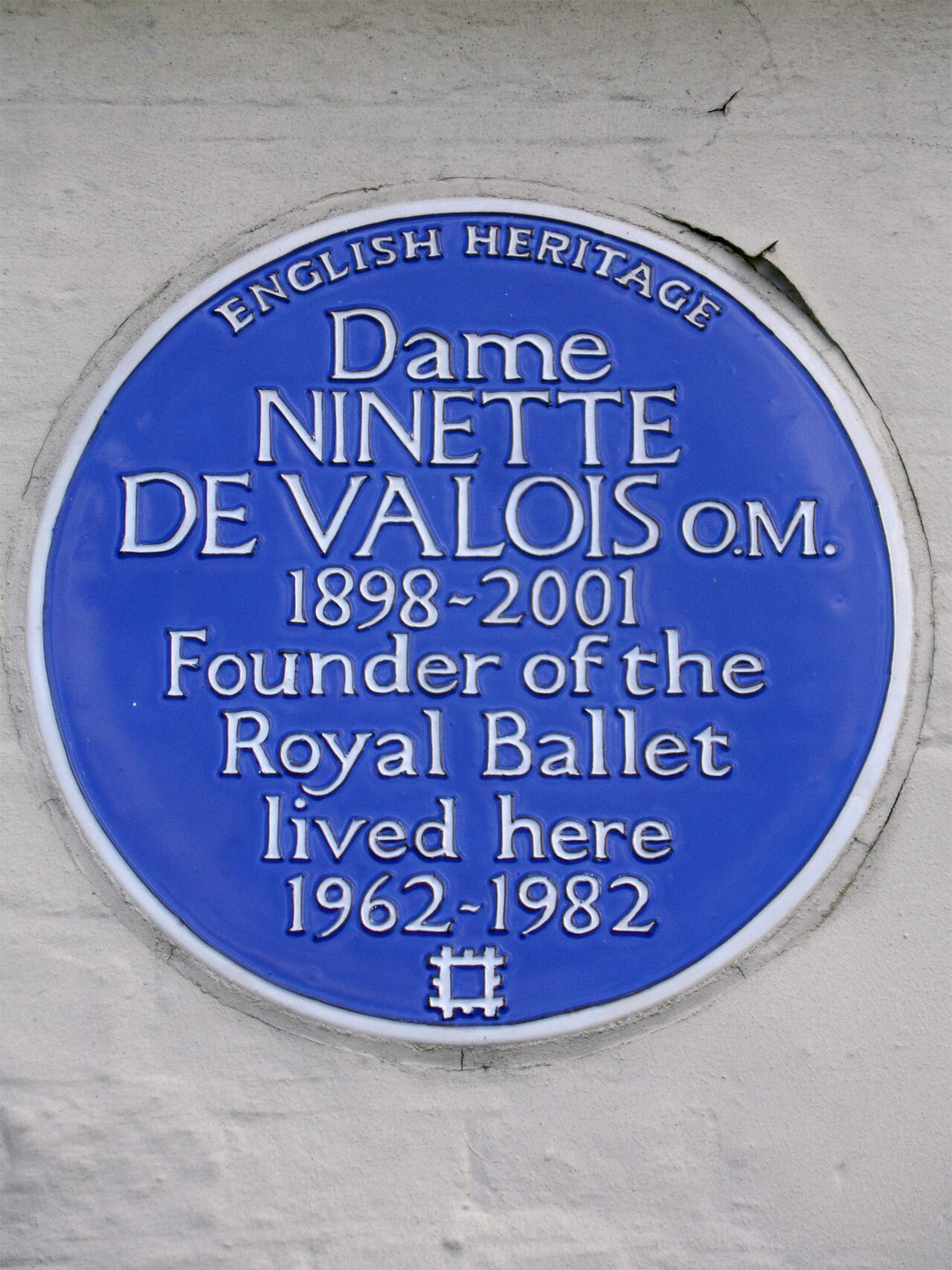
Dame Ninette de Valois was born Edris Stannus on 6 June 1898 in County Wicklow, Ireland, into a gentry family. Her father was a British Army officer, and her mother was a glassmaker.
Early dancing career
She moved to England in 1905 and began ballet lessons at age ten. At thirteen, she started professional training, changed her name to Ninette de Valois, and made her professional debut as a principal dancer in a West End pantomime. By 1919, she was principal dancer of the Beecham Opera at the Royal Opera House, and she continued studying with notable teachers.
Ballets Russes
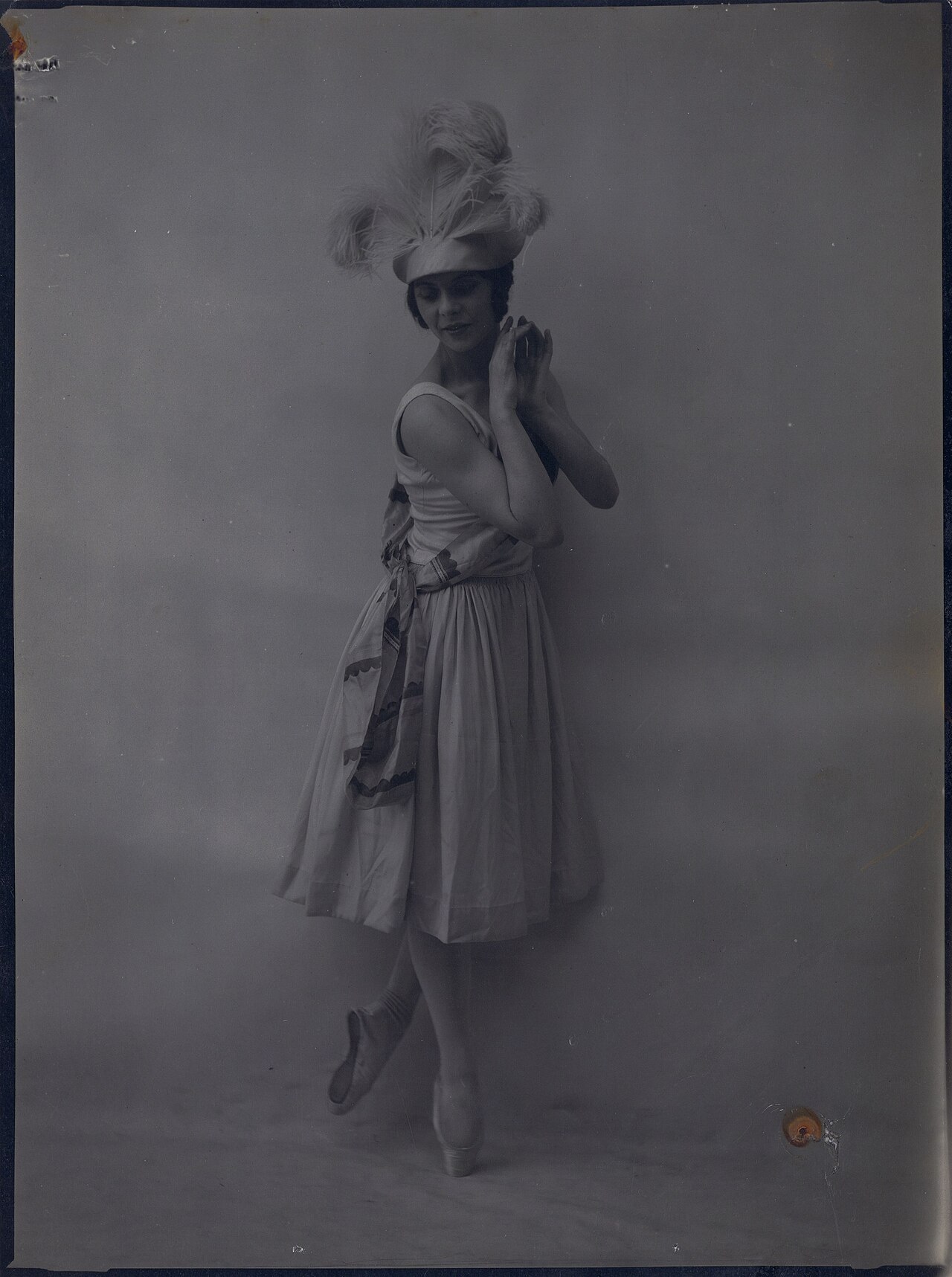
In 1923, she joined Sergei Diaghilev’s Ballets Russes, staying for three years. She performed across Europe, was promoted to Soloist, and created roles in famous ballets such as Les biches and Le Train Bleu.
During this time, she mentored the young Alicia Markova, who later became a celebrated prima ballerina. De Valois later said she learned how to run a ballet company from Diaghilev. She reduced her dancing in 1924 after doctors found damage from undiagnosed childhood polio.
London and Dublin dance schools
After leaving the Ballets Russes, she founded the Academy of Choreographic Art in London in 1927, aiming to create a repertory company with a distinct British style. That same year, poet W. B. Yeats suggested she start a ballet school in Dublin, and she established the Abbey Theatre School of Ballet, which ran until 1933.
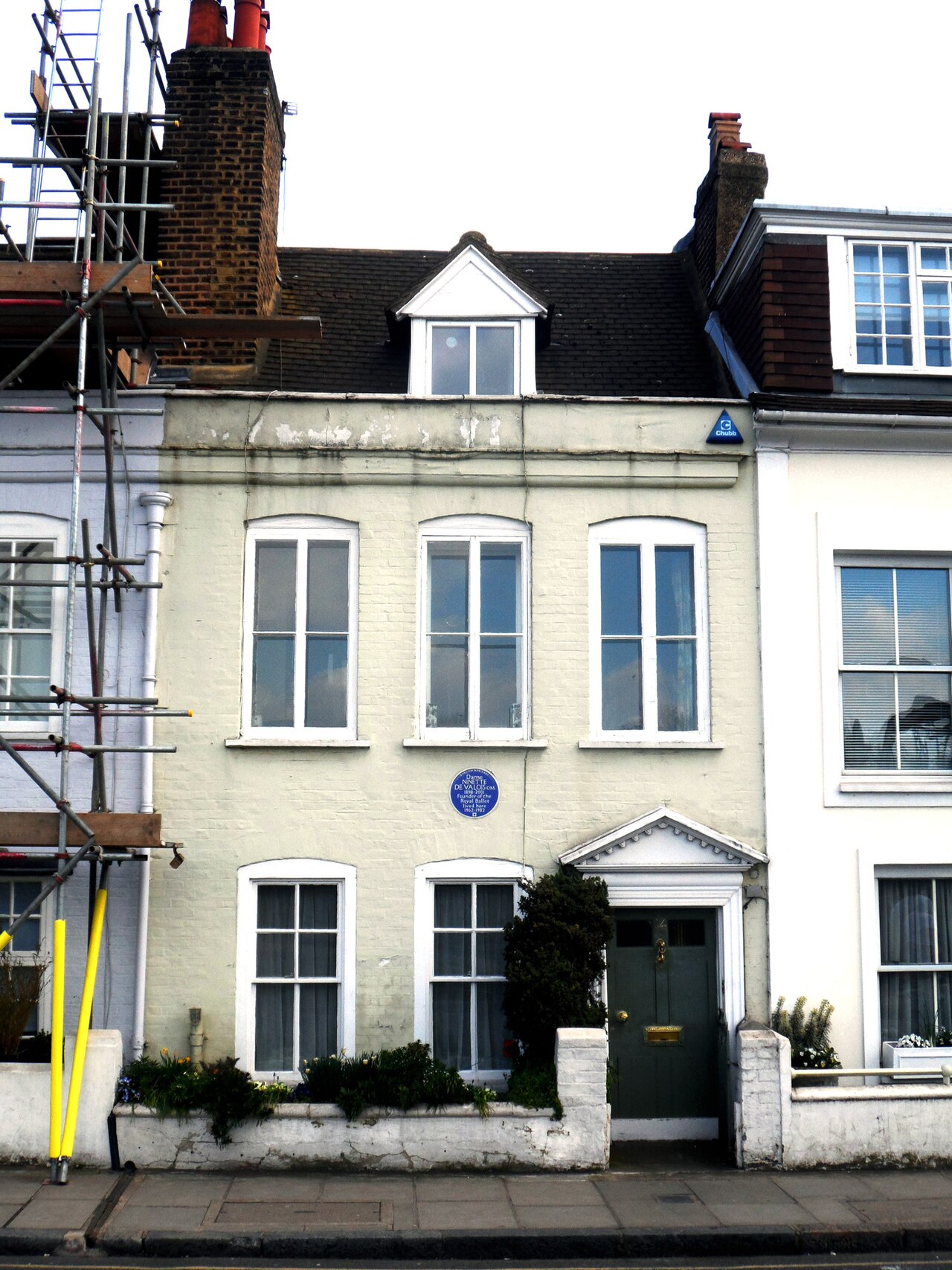
Her London students gained experience performing at The Old Vic, where she choreographed short ballets. When Sadler’s Wells Theatre reopened in 1931, she moved her school there, renaming it the Sadler’s Wells Ballet School, and formed the Vic-Wells Ballet company. These became the foundations of the Royal Ballet, the Royal Ballet School, and the Birmingham Royal Ballet.
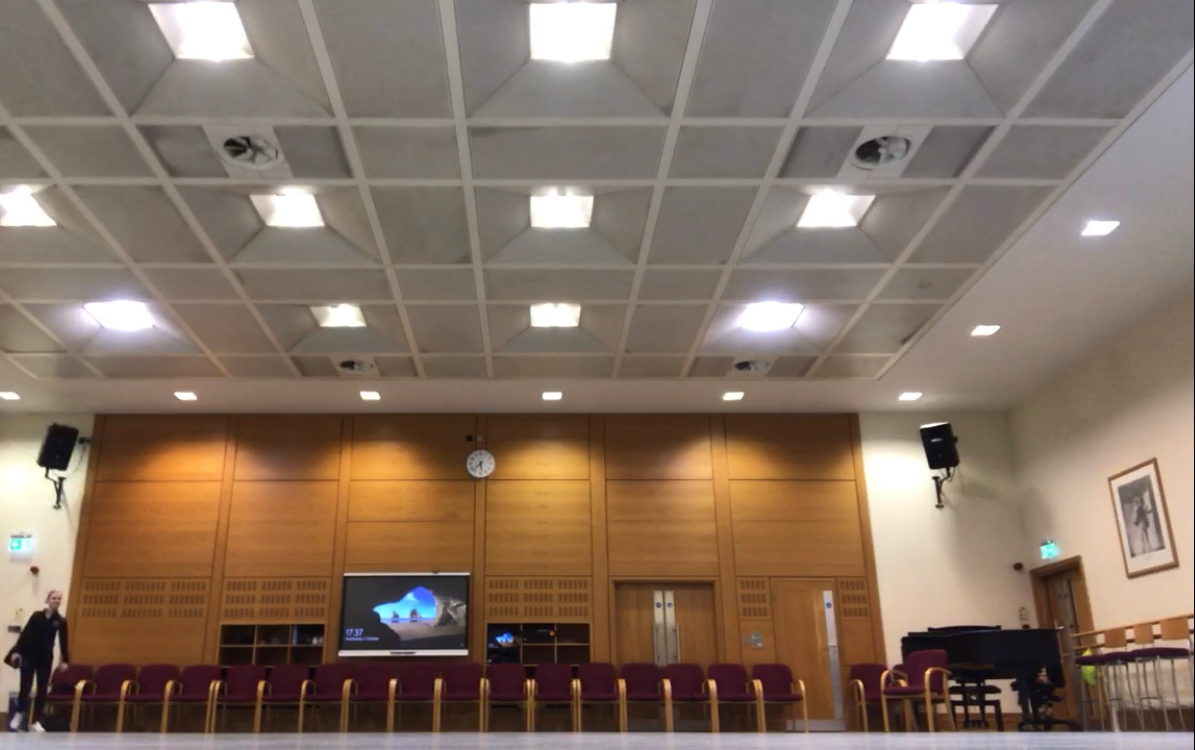
Vic-Wells Ballet
During these years, de Valois choreographed many ballets, sometimes commissioning music from Irish composers. The Vic-Wells Ballet began with six female dancers, with de Valois as lead dancer and choreographer. Its first full ballet performance was on 5 May 1931 at the Old Vic, followed by a debut at Sadler’s Wells ten days later. As the company grew, she hired new dancers and choreographers.
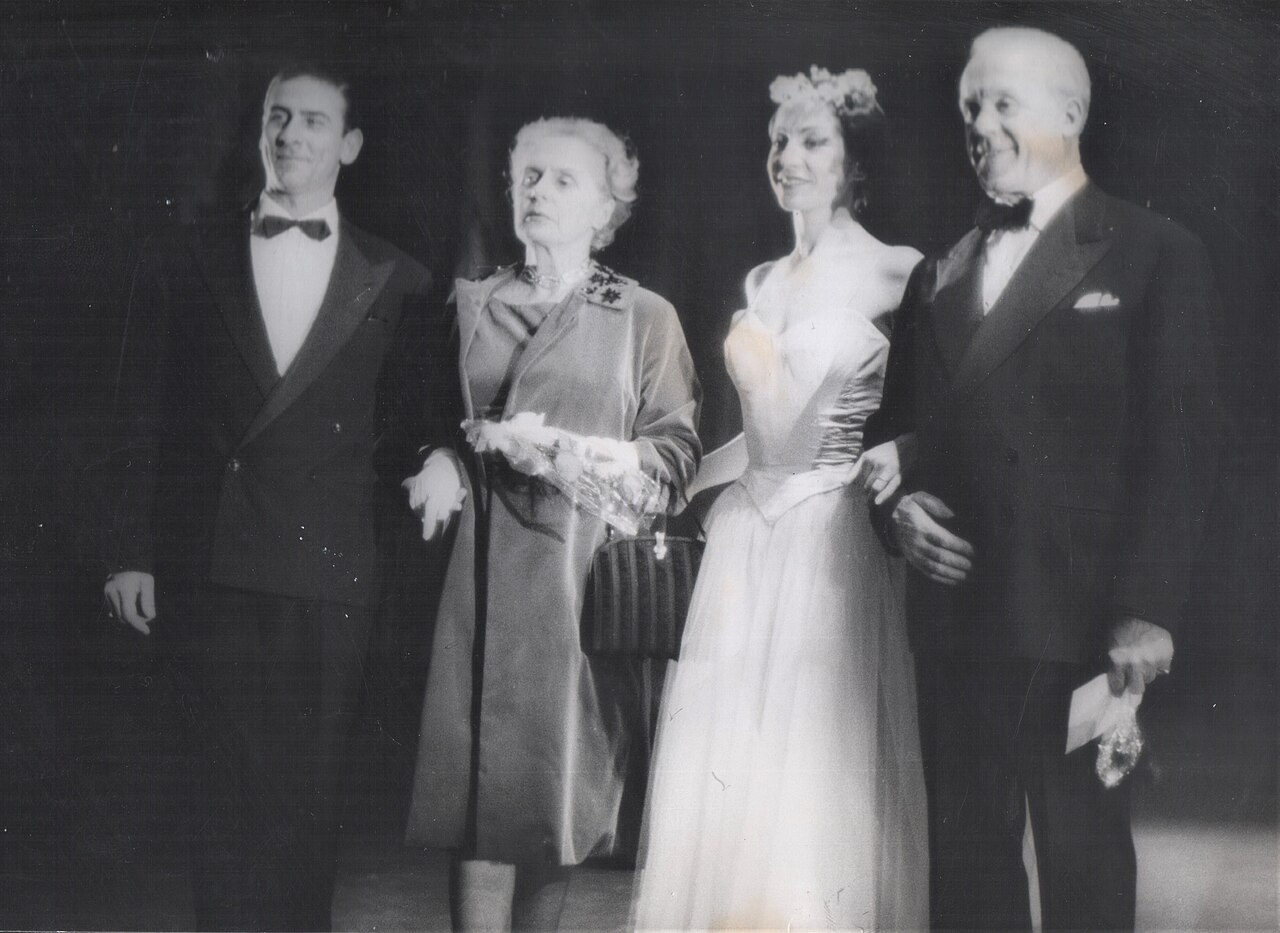
She retired from the stage in 1933 after Alicia Markova joined as Prima Ballerina. Under de Valois’s direction, the company became one of the first Western troupes to perform the Imperial Russian Ballet repertoire. She built a British repertory by engaging Frederick Ashton as Principal Choreographer and Constant Lambert as musical director in 1935, and she choreographed notable works herself, including Job. She is widely regarded as a hugely influential figure in ballet and the “godmother” of English and Irish ballet.
Lore & Background
At age thirteen she began professional training at the Lila Field Academy for Children, changed her name to Ninette de Valois, and made her professional debut as a principal dancer in pantomime at the Lyceum Theatre in the West End. In 1919 she was appointed principal dancer of the Beecham Opera at the Royal Opera House, studying with Edouard Espinosa, Enrico Cecchetti, and Nicholas Legat. She joined the Ballets Russes in 1923, remaining for three years, performing around Europe and being promoted to Soloist, creating roles in Les biches and Le Train Bleu. She mentored Alicia Markova, who was a child at the time, and later said everything she knew about running a ballet company she learned from Diaghilev.
She stepped back from regular intense dancing in 1924 after doctors detected damage from a previously undiagnosed case of childhood polio. In 1927 she established the Academy of Choreographic Art in London and the Abbey Theatre School of Ballet in Dublin. The London school moved to Sadler's Wells Theatre in 1931, becoming the Sadler's Wells Ballet School, and the Vic-Wells Ballet company was formed with six female dancers. She retired fully from the stage in 1933 after Alicia Markova joined as Prima Ballerina.
Did You Know?
- In 1947 she established the first ballet school in Turkey, which later became part of the Ankara State Conservatory.
- She married Dr Arthur Blackall Connell in 1935; the union was childless, but she had two step-sons.
Also in the Codexery
More in Circus & Performance Art
Test yourself
Three questions drawn from this entry’s sources. Pick an answer to check it.
Answers checked against the source article
Sources
Compiled from Wikipedia and the sources listed below. Text from Wikipedia is available under CC BY-SA 4.0; this entry is adapted from it.
- Wikipedia: Ninette de Valois (CC BY-SA 4.0).
Spotted an error? Know more?
Reader corrections go straight into our review queue. Suggest an edit · How this site is sourced