Rudolf Nureyev
Soviet-born ballet dancer who defected and became a global star.
Last updated

via Wikipedia: Rudolf Nureyev · see source
Rudolf Khametovich Nureyev (17 March 1938 – 6 January 1993) was a Soviet-born ballet dancer and choreographer. He is considered the most outstanding male ballet dancer of the 20th century and one of the finest in history.
As an influence
His 1961 defection to the West marked the first time a Soviet artist had broken away during the Cold War, causing a global stir. Nureyev was celebrated for his magnetism, technical mastery, and powerful stage presence, and he significantly raised the status of male dancers in ballet. He led the Paris Opera Ballet as director and chief choreographer from 1983 to 1989, creating his own versions of classics like Swan Lake, Giselle, and La Bayadère.
Early life and education
Nureyev’s family roots were in the Ufa and Kazan regions. His father, Khamit, and grandfather, Nurakhmet, came from Asanovo in what is now the Republic of Bashkortostan. His mother, Farida, was born in a village in present-day Tatarstan. Nureyev entered the world on a Trans-Siberian train near Lake Baikal while his mother traveled to Vladivostok, where his father served as a Red Army political commissar.
He grew up as the only son with three older sisters in a Tatar Muslim household. In his autobiography, he reflected on his Tatar heritage, noting that his mother was from Kazan, his father from near Ufa, and that his relatives on both sides were Tatars and Bashkirs. He felt his Tatar identity set him apart from Russians, describing his blood as “faster” and “always ready to boil.”
Education at Vaganova Academy
After his mother took him and his sisters to see the ballet Song of the Cranes, Nureyev fell in love with dance. As a child, he performed in Bashkir folk dances, and teachers quickly recognized his talent, urging him to train in Leningrad.
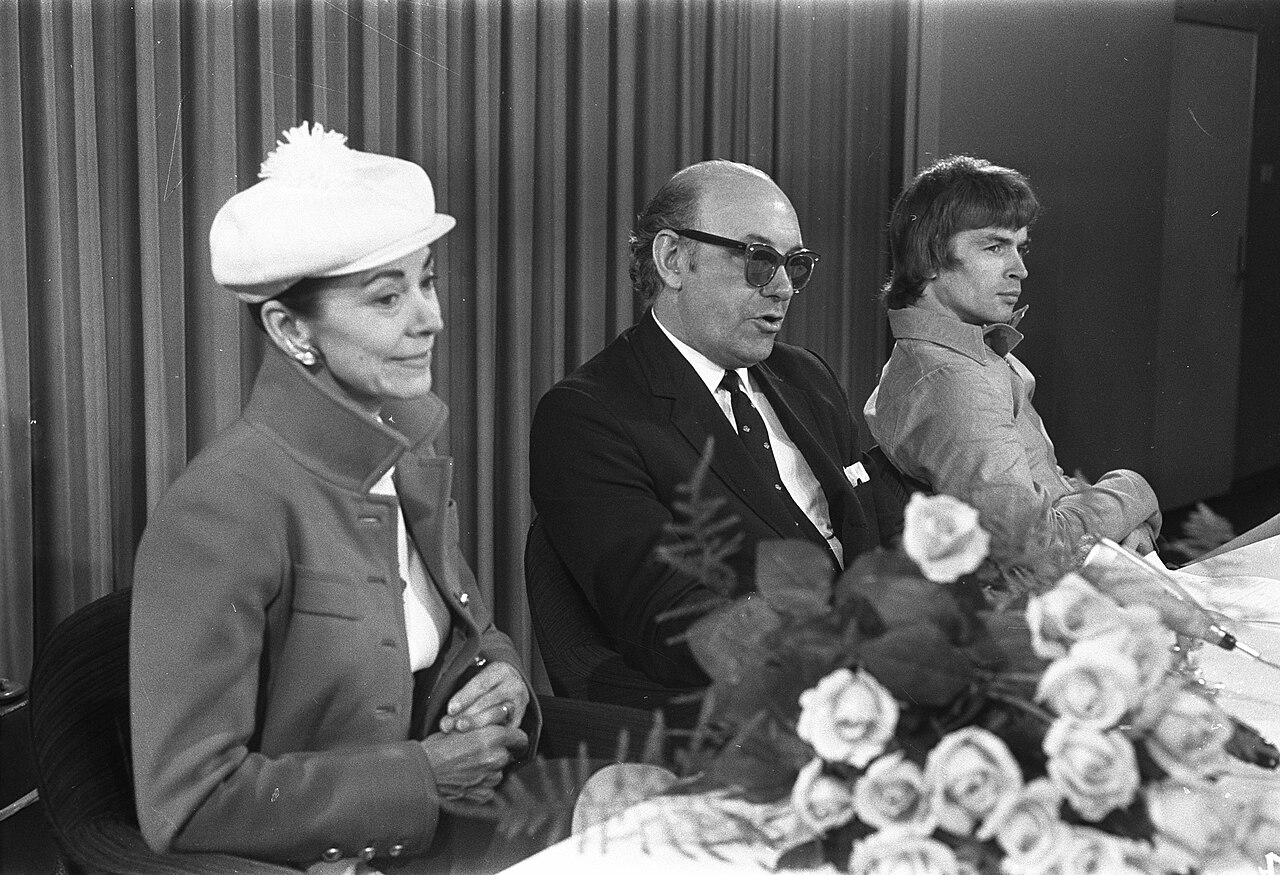
While touring Moscow with a local company, he auditioned for the Bolshoi and was accepted, but he believed the Mariinsky Ballet school was superior, so he left the touring group and bought a train ticket to Leningrad. Because World War II had disrupted Soviet cultural life, he could not enroll in a major ballet school until 1955, at age 17, when the Vaganova Academy of Russian Ballet accepted him. Ballet master Alexander Ivanovich Pushkin took a professional interest in him and let Nureyev live with him and his wife.
The Kirov Ballet
Graduating in 1958, Nureyev joined the Kirov Ballet and immediately became a principal dancer, skipping the corps level. He often partnered with Natalia Dudinskaya, the company’s senior ballerina and wife of director Konstantin Sergeyev; she was 26 years older and first chose him for Laurencia. Within three years, Nureyev was one of the Soviet Union’s most famous dancers, performing 15 roles, usually with Ninel Kurgapkina, who was nearly a decade older.
The pair danced at Khrushchev’s dacha and traveled to Vienna for the International Youth Festival in 1959. Soon after, the Ministry of Culture told him he could not go abroad again. In one notable incident, he halted a performance of Don Quixote for 40 minutes, demanding to dance in tights instead of trousers; he eventually gave in, but his preference became standard.
By the late 1950s, Nureyev was a sensation in the Soviet Union. Despite his rebellious nature, the Soviet government saw the Kirov’s tour as vital to proving cultural superiority over the West, so he was included. Tensions with artistic director Konstantin Sergeyev grew.
After French tour organizers saw Nureyev dance in Leningrad in 1960, they pushed for him to perform in Paris, and he was allowed. His Paris performances electrified audiences and critics. However, he broke rules by socializing with foreigners and reportedly visiting gay bars, alarming Kirov management and KGB agents.
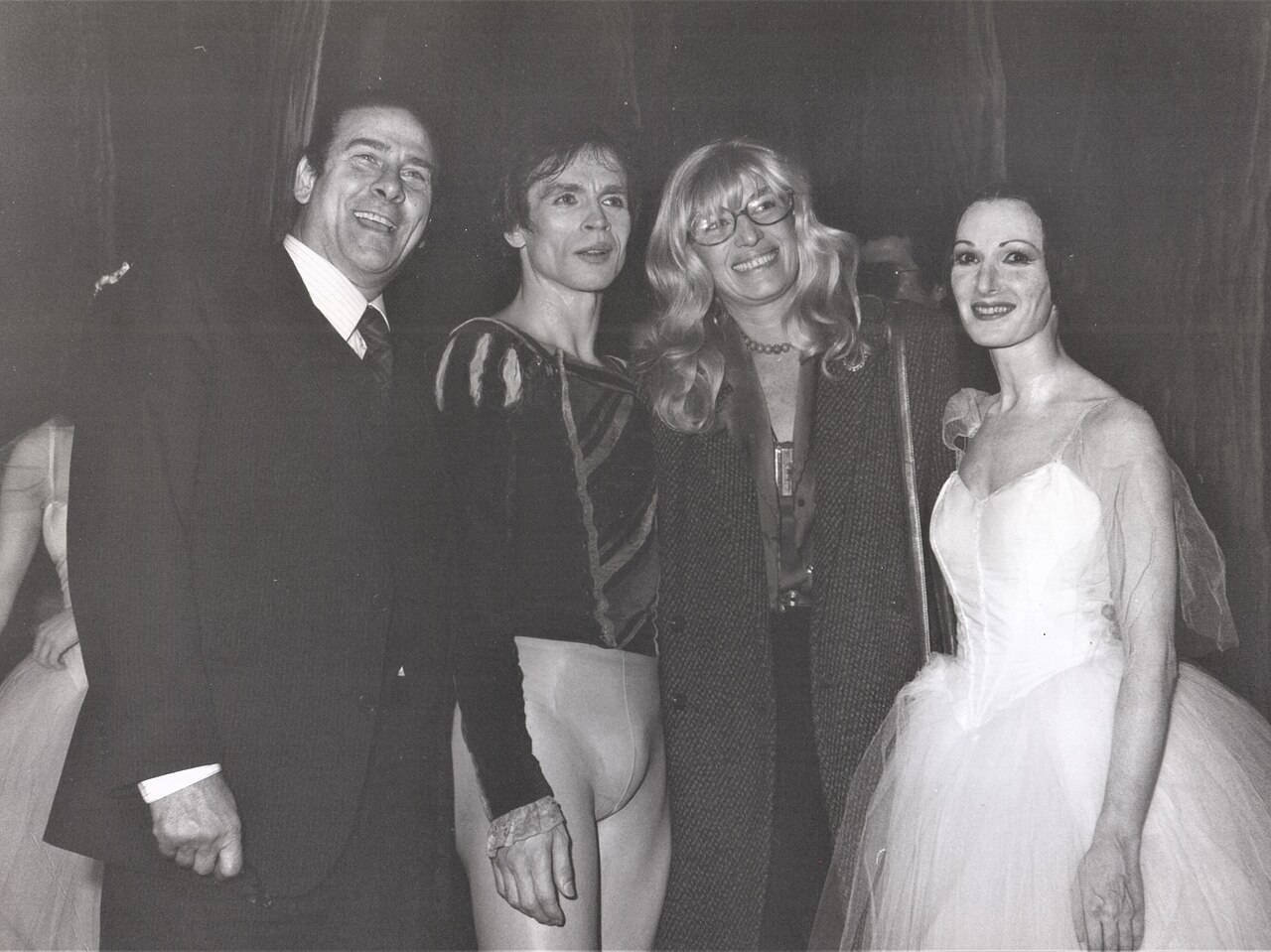
On 16 June 1961, as the company gathered at Le Bourget Airport to fly to London, Sergeyev told Nureyev he must return to Moscow for a Kremlin performance. Nureyev refused, suspicious of the order. He was then told his mother had fallen ill, but he did not believe it.
Lore & Background
Nureyev was born on a Trans-Siberian train near Lake Baikal, in Siberia, while his mother Farida was travelling to Vladivostok, where his father Khamet, a Red Army political commissar, was stationed. He was raised as the only son with three older sisters in a Tatar Muslim family. In his autobiography, Nureyev noted about his Tatar heritage: 'My mother was born in the beautiful ancient city of Kazan. We are Muslims. Father was born in a small village near Ufa, the capital of the Republic of Bashkiria.
Thus, on both sides our relatives are Tatars and Bashkirs. Our Tatar blood flows somehow faster and is always ready to boil.' When his mother took him to a performance of the ballet Song of the Cranes, he fell in love with dance. Owing to the disruption of Soviet cultural life caused by World War II, Nureyev was unable to enroll in a major ballet school until 1955, aged 17, when he was accepted by the Vaganova Academy of Russian Ballet of Leningrad. The ballet master Alexander Ivanovich Pushkin took an interest in him professionally and allowed Nureyev to live with him and his wife.
Upon his graduation in 1958, Nureyev joined the Kirov Ballet and moved immediately beyond the corps level, given solo roles as a principal dancer from the outset. He regularly partnered with Natalia Dudinskaya, the company's senior ballerina and wife of its director, Konstantin Sergeyev. From 1958 to 1961, in his three years with the Kirov, he danced 15 roles, usually opposite his partner, Ninel Kurgapkina. In 1961, while on tour in Paris with the Kirov, tensions grew between Nureyev and artistic director Konstantin Sergeyev.
Defection from the Soviet Union
On 16 June 1961, when the Kirov company gathered at Le Bourget Airport in Paris to fly to London, Sergeyev told Nureyev he must return to Moscow for a special performance in the Kremlin. Nureyev became suspicious and refused. Next he was told that his mother had fallen severely ill and he needed to go home immediately.
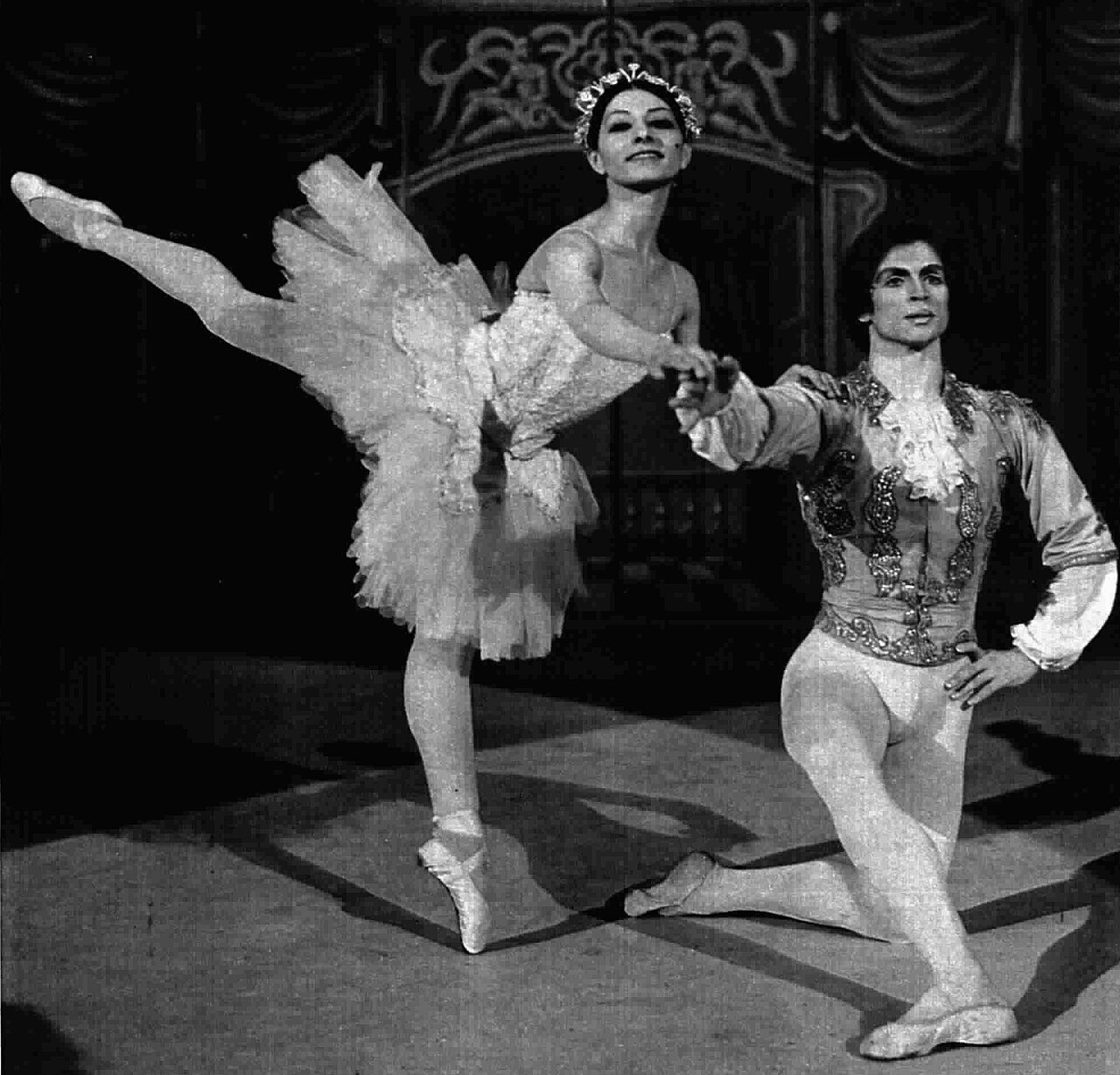
Nureyev refused again, believing that on return to the USSR he was likely to be imprisoned. With the help of French police and a Parisian socialite friend, Clara Saint, Nureyev escaped his KGB minders and asked for asylum. Within a week, he was signed by the Grand Ballet du Marquis de Cuevas and performed The Sleeping Beauty with Nina Vyroubova. On a tour of Denmark, he met Erik Bruhn, soloist at the Royal Danish Ballet, who became his lover.
The Royal Ballet
In October 1961, Nureyev was secretly invited to make his London debut at the annual gala organised by prima ballerina Dame Margot Fonteyn for the Royal Academy of Dance. As a guest performer of The Royal Ballet, Nureyev first danced with Fonteyn on 21 February 1962. He quickly became a favourite dancer among the British; London critics called him the 'Russian version of James Dean.' Ballet critic Richard Buckle wrote for The Sunday Times: 'A pop dancer—that's what we've got—a pop dancer at last. What the telly did for art, what Billy Graham did for religion and what the Duke of Bedford did for architecture, Nureyev has done for ballet.' In November 1961, their Pas de deux from Le Corsaire at the Royal Opera House was met with rave reviews.
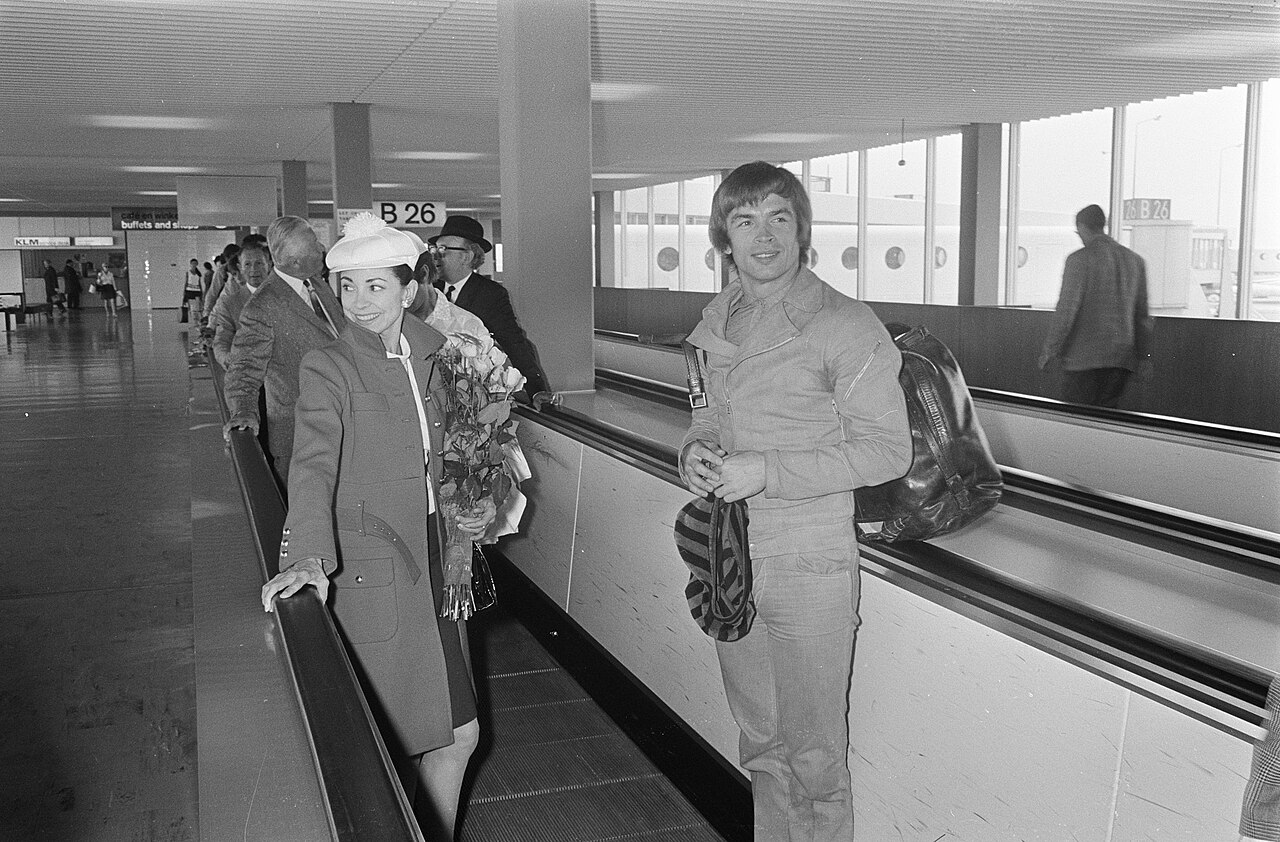
The Sunday Observer hailed Nureyev as a 'Nijinsky reborn' and predicted the pair would go down in ballet history. Fonteyn and Nureyev premiered Romeo and Juliet for the company in 1965. Nureyev stayed with the Royal Ballet until 1970, when he was promoted to Principal Guest Artist. From 1983 to 1989, he directed the Paris Opera Ballet and became its chief choreographer, producing his own interpretations of Swan Lake, Giselle, and La Bayadère.
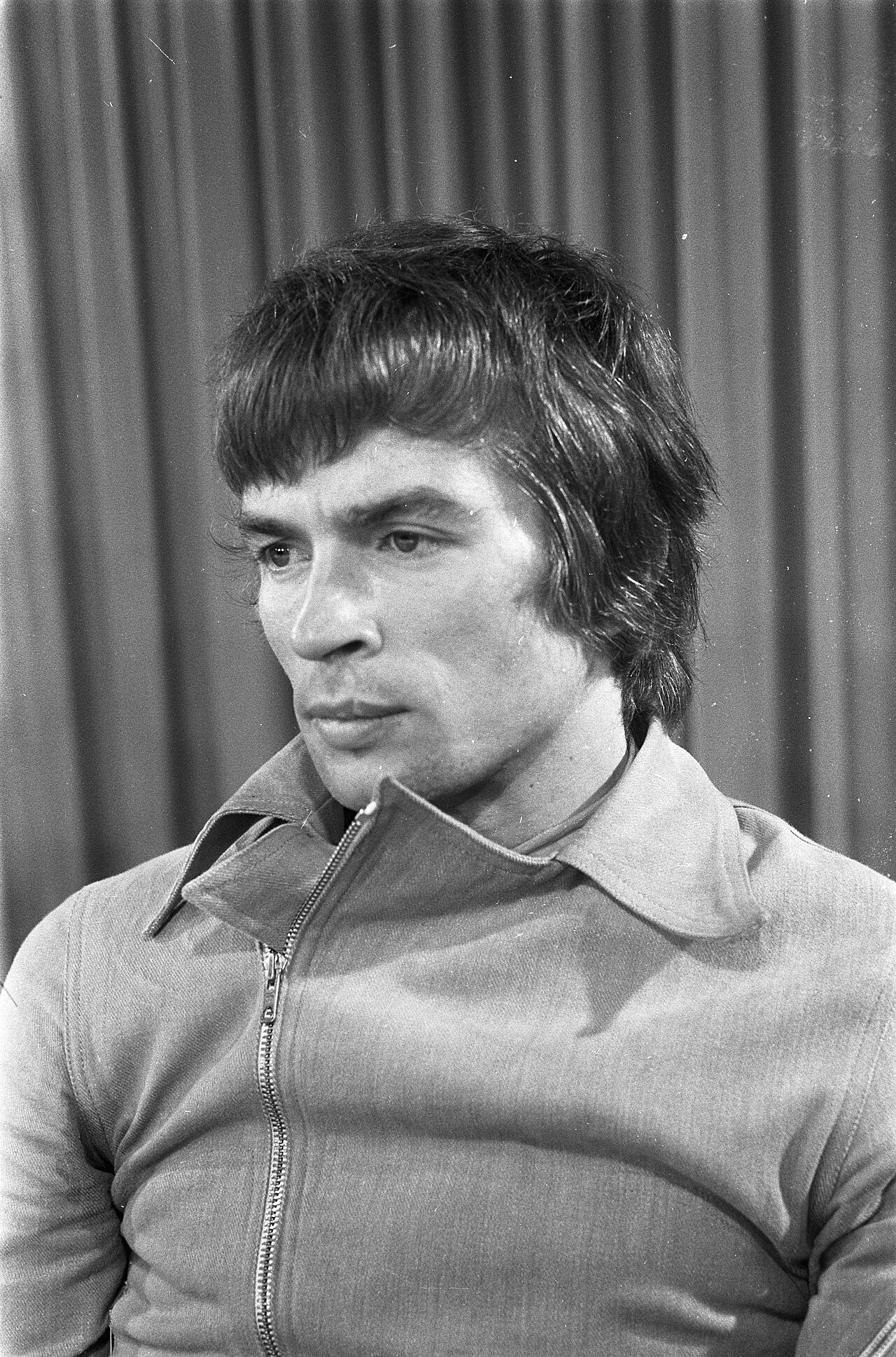
A Boy Born on a Train: Origins and Early Training
Rudolf Khametovich Nureyev entered the world in 1938 aboard a Trans-Siberian train somewhere near Lake Baikal, his mother Farida en route to Vladivostok to join his father Khamet, a Red Army political commissar. He grew up as the sole son among three older sisters in a Tatar Muslim household, with family roots in villages near Ufa and Kazan. In his autobiography he confessed that his Tatar blood 'flows somehow faster and is always ready to boil,' a line that captures the volcanic temperament he would later bring to the stage.
Dance first seized him as a child watching a performance of Song of the Cranes, and his natural gift in Bashkir folk performances drew the attention of teachers who urged him toward Leningrad. Though he was accepted by the Bolshoi after a Moscow audition, he chose the Mariinsky school instead. Wartime disruption of Soviet cultural institutions delayed his formal enrollment until 1955, when at seventeen he entered the Vaganova Academy, where ballet master Alexander Pushkin mentored him closely and even let the young man live with his family.
Le Bourget, 16 June 1961: The Defection That Shook a Superpower
By the late 1950s Nureyev was already a sensation inside the Soviet Union, yet his non-conformist temperament made him an uneasy fit for the state's cultural diplomacy. Tensions with Kirov director Konstantin Sergeyev—husband of Nureyev's former partner Natalia Dudinskaya—had been building for months. In Paris in 1960 his performances electrified audiences, but Kirov management and the KGB grew alarmed by reports of him mingling with foreigners and frequenting gay bars. On 16 June 1961, as the company gathered at Le Bourget Airport to fly to London, Sergeyev ordered Nureyev to return to Moscow for a Kremlin engagement.
Nureyev refused. A second pretext—his mother's supposed grave illness—met the same defiance, for he was convinced that going home meant a cell. With the help of French police and a Parisian socialite friend, Clara Saint, he slipped past his KGB escorts and requested asylum. As the first Soviet artist to defect during the Cold War, his act became an instant international sensation and a symbol of artistic freedom the system could not silence.
From Kirov to Paris: A Career That Redefined Male Ballet
Graduating from the Vaganova Academy in 1958, Nureyev joined the Kirov Ballet and skipped straight past the corps into principal roles. In just three years he danced fifteen distinct parts, partnering first with the senior ballerina Natalia Dudinskaya and later with Ninel Kurgapkina, a pairing that critics found especially compelling. His stubborn individualism surfaced early: during a Don Quixote performance he halted the show for forty minutes, demanding to dance in tights rather than the standard trousers, and though he eventually relented, the company adopted his preference thereafter.
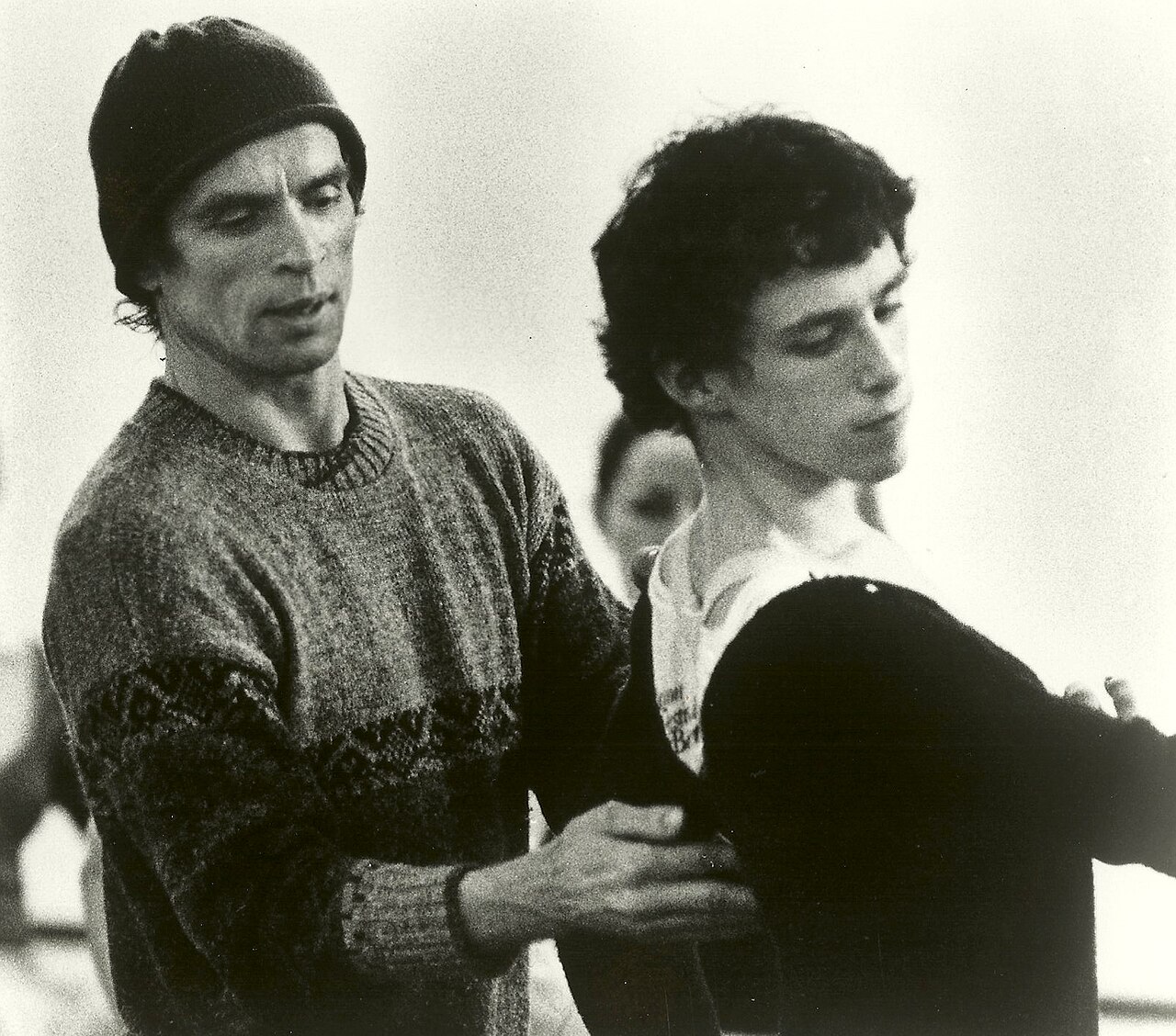
After his defection he joined The Royal Ballet in London and became a global phenomenon. His charisma, technical command, and raw stage intensity helped lift the male dancer to a prominence ballet had rarely granted him. From 1983 to 1989 he served as director and chief choreographer of the Paris Opera Ballet, and he crafted his own readings of Swan Lake, Giselle, and La Bayadère, stamping each with a personal, almost aggressive vitality.
A Legacy Written in Movement
Few figures in dance history command the same breadth of reverence as Nureyev, who is broadly considered the foremost male ballet artist of the twentieth century and, by many accounts, one of the greatest dancers the art form has ever produced. His influence stretched well beyond the stage. By combining extraordinary technical mastery with a magnetic, almost confrontational presence, he reshaped how audiences and companies understood what a male body could do in ballet.
His 1961 defection was not simply a personal act of liberation but a cultural earthquake that exposed what the Soviet apparatus was suppressing. His arc—from a child born on a Siberian train to the helmsman of the Paris Opera Ballet—embodied a narrative of artistic freedom that resonated across the Cold War divide. Even after his death on 6 January 1993, his interpretations of Swan Lake, Giselle, and La Bayadère continued to shape how those classics were staged and understood, ensuring that his volcanic inner life remained visible in every company that followed his lead.
More in Ballet & Dance Masters
Related in Ballet & Dance Masters
Links follow this subject's own source article.
Sources
Compiled from Wikipedia and the sources listed below. Text from Wikipedia is available under CC BY-SA 4.0; this entry is adapted from it.
- Wikipedia: Rudolf Nureyev (CC BY-SA 4.0).
Spotted an error? Know more?
Reader corrections go straight into our review queue. Suggest an edit · How this site is sourced