Carlo Blasis
Italian dancer, choreographer, and dance theoretician who codified ballet technique and directed the La Scala Ballet School.
Last updated

via Wikipedia: Choreography · see source
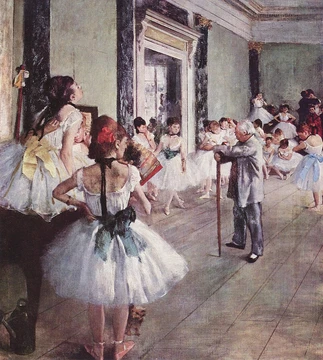
Carlo Blasis (4 November 1797 – 15 January 1878) was an Italian dancer, choreographer, and dance theorist from Naples. His dance classes were famously demanding, sometimes stretching to four hours. He performed across France, Italy, London, and Russia, and required his students to master the theories and definitions behind each step. Blasis taught all the instructors of Enrico Cecchetti, and his approach is believed to have shaped Cecchetti’s development of the Cecchetti method of ballet.
Work
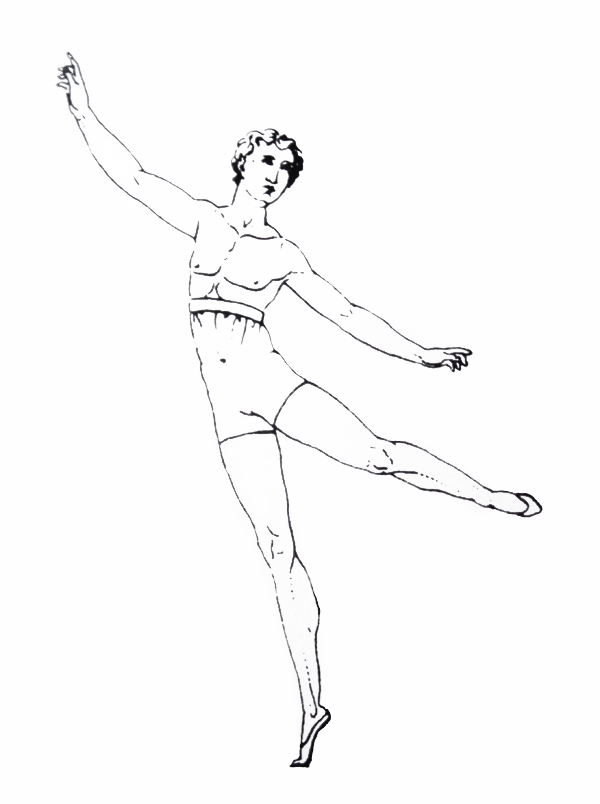
In 1820, Blasis published Traité élémentaire, théorique, et pratique de l'art de la danse, an analysis of ballet technique. He is best remembered for the "Attitude" pose, inspired by Giovanni da Bologna’s statue of Mercury. Cecchetti later expanded on Blasis’s instructional methods and theories.
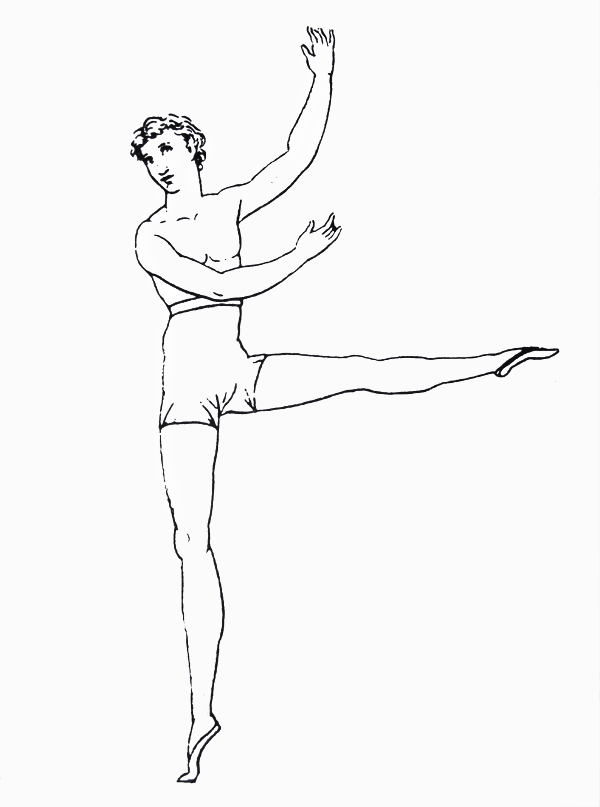
During his lifetime, Blasis was more noted for his writings on dance theory than for his choreographies, none of which survive. He was a pioneer in blending ballet ideals like lightness and grace with the geometry and physics of the moving body. His 1828 work The Code of Terpsichore cataloged a clear "alphabet" of dance poses, possibly the first comprehensive systemization of dance.
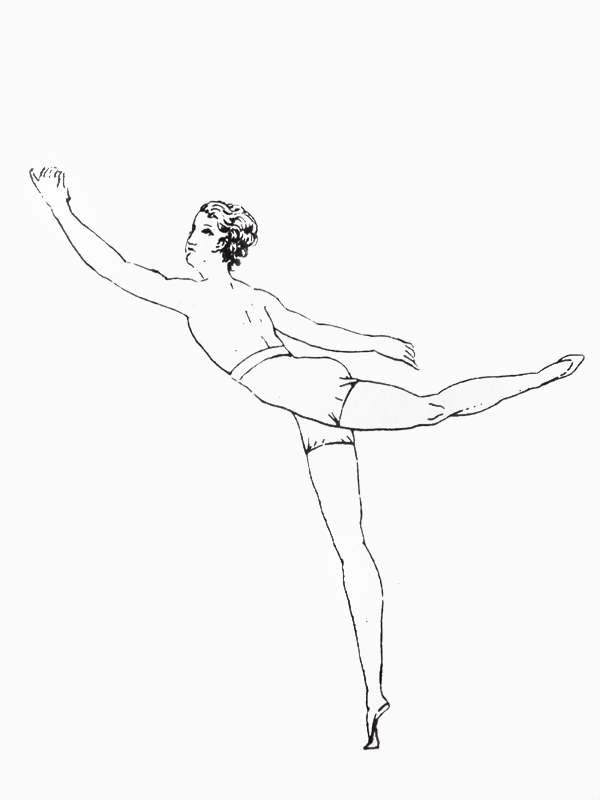
Blasis revolutionized dance theory by applying mathematical geometry and physics. He introduced the concept of a "movement axis"—a vertical line through a pose, perpendicular to the floor, marking the body’s center of balance. In pedagogy, he advised instructors to first describe the poses from his index, then have students memorize them before trying them physically. He suggested diligent students copy the figures onto small slates to study at home, like a child learning to spell from a horn-book.

Through his codified alphabet, Blasis believed dancers could achieve qualities like ease and elegance. In Notes Upon Dancing, Historical and Practical, he praised ballets for their emotional richness, noting of "The Neapolitan Tarantella" that "love and pleasure are conspicuous throughout every movement" and "every gesture and motion are full of seductive grace." He wanted dancers to layer emotional expression over the regimented poses outlined in The Code of Terpsichore.
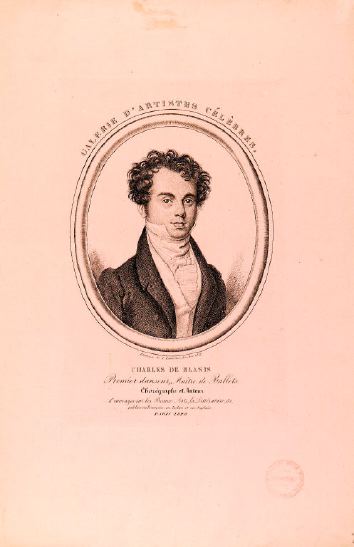
His goal was to steer "the newborn Romantic ballet along classical lines." Blasis was ahead of his time, analyzing movements considered too virtuosic for the Romantic era of the early 1800s. For instance, he broke the pirouette into a preparation, turn, and finish—decades before such steps became widespread in the late 1800s under Marius Petipa. However, more recent research shows that the older Italian "grotesque" style of the 18th century already had a rich variety of pirouettes.
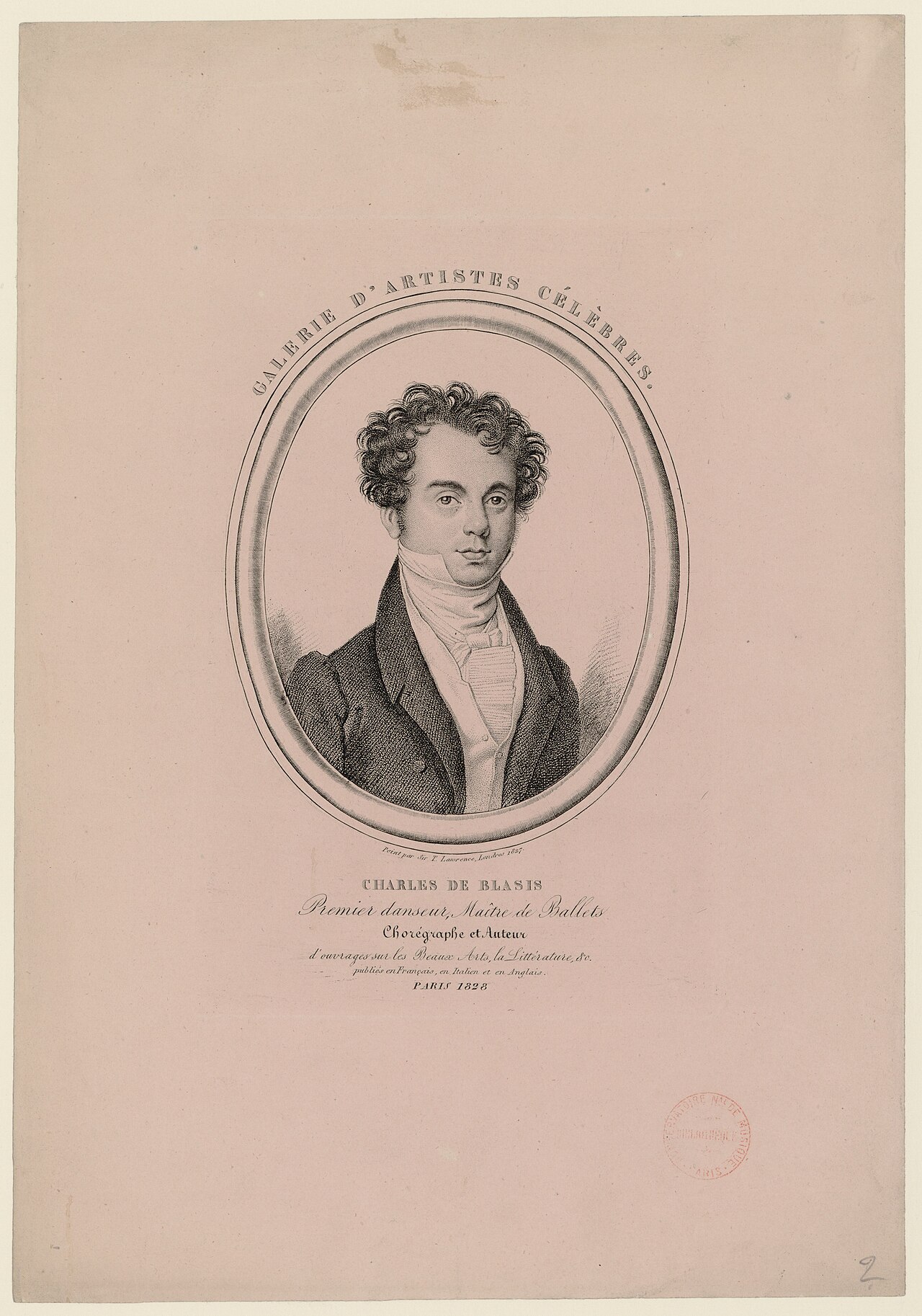
From 1838 to 1853, Blasis and his wife, Annunciata Ramaccioni, directed what is now the La Scala Theatre Ballet School. Their students included prima ballerinas Fanny Cerrito, Carolina Rosati, Sofia Fuoco, Amalia Ferraris, and Carlotta Brianza. Blasis was especially proud of seven dancers he called his "Pleiades": Marietta Baderna, Augusta Dominichettis, Amalia Ferraris, Sofia Fuoco, Flora Fabbri, Carolina Granzini, and Pasquale Borri. He died in Cernobbio.
Last updated 2026-09-28 from the source article.
Lore & Background
Blasis published an analysis of ballet techniques in 1820, in a work named Traité élémentaire, théorique, et pratique de l'art de la danse. He is most known for the pose 'Attitude' derived from the famous statue Mercury by Giovanni da Bologna. Enrico Cecchetti expanded his method of instruction and theories. Even during his own time, Blasis was not best known for his many choreographies (none of which survive today), but for his writings on dance theory.
He pioneered the reconciliation of balletic notions like lightness and grace with the geometry and physics of the body in motion. In The Code of Terpsichore, published in 1828, Blasis cataloged a clearly defined 'alphabet' of dance poses. This may be the first attempt at a comprehensive systemization of dance.
Blasis radicalized dance theory by relying heavily upon mathematical geometry and physics. He introduced the idea of a 'movement axis' – a vertical line through the pose, perpendicular to the floor, that delineates the center of balance of the body. Blasis also contributed to dance pedagogy. He suggested that instructors first describe the bodily figures outlined in his index of poses, then have students memorize them before attempting to physically embody them.
Through the poses codified in his alphabet, Blasis felt that dancers could achieve the qualities of movement so desired in ballet like ease of motion and elegance. In his Notes Upon Dancing, Historical and Practical, Blasis praises certain ballets for their richness of emotion. Blasis ultimately wished for dancers to layer emotional expression on top of the codified, regimented poses demanded by the choreography and outlined in The Code of Terpsichore.
Through these practices, Blasis aimed to direct 'the newborn Romantic ballet along classical lines.' He took particular interest in some movements considered to be too aggressively virtuosic for the Romantic era of the early 1800s. For example, he initiated the codification of the pirouette, breaking it down into a preparation, turn, and finish. From 1838 to 1853, Blasis and his wife, Annunciata Ramaccioni, were the artistic directors of what is now the La Scala Theatre Ballet School. Prima ballerinas Fanny Cerrito, Carolina Rosati, Sofia Fuoco, Amalia Ferraris and Carlotta Brianza were among their students.
More in Ballet & Dance Masters
Related in Ballet & Dance Masters
Links follow this subject's own source article.
Sources
Compiled from Wikipedia and the sources listed below. Text from Wikipedia is available under CC BY-SA 4.0; this entry is adapted from it.
- Wikipedia: Carlo Blasis (CC BY-SA 4.0).
Spotted an error? Know more?
Reader corrections go straight into our review queue. Suggest an edit · How this site is sourced