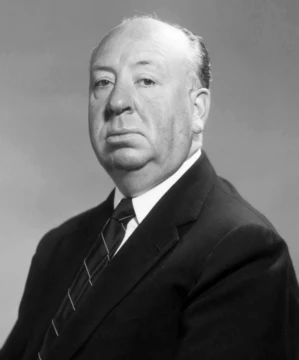
Samuel Fuller
American director of low-budget, controversial genre films.

via Wikipedia: Samuel Fuller · see source
Samuel Michael Fuller (August 12, 1912 – October 30, 1997) worked as a film director, screenwriter, novelist, journalist, and actor. He built a reputation on low-budget genre films that tackled controversial subjects, often produced outside the major Hollywood studio system. His movies had a strong impact on French New Wave directors, especially Jean-Luc Godard, who cast him in a cameo for *Pierrot le Fou* (1965).
Fuller was born in Worcester, Massachusetts, to Jewish parents Rebecca (née Baum) and Benjamin Fuller. The family, originally named Rabinovitch, changed their surname to Fuller after immigrating to the United States—possibly inspired by a Pilgrim doctor who arrived on the *Mayflower*. In his autobiography *A Third Face* (2002), Fuller claimed he did not speak until nearly age five, and his first word was "Hammer!" His father died in 1923, when Samuel was 11. The family then moved to New York City, where at 12 he started working as a newspaper copyboy. By 17, he was a crime reporter for the *New York Evening Graphic* and broke the story of actress Jeanne Eagels' death. He also wrote pulp novels, including *The Dark Page* (1944), later adapted into the 1952 film *Scandal Sheet*. Late in life, he remarked that if reporters earned what directors did, he would still be in journalism.
During World War II, Fuller served in the U.S. Army as an infantryman with the 16th Infantry Regiment, 1st Infantry Division. He saw heavy combat in Africa, Sicily, Normandy, Belgium, and Czechoslovakia. In 1945, he was present at the liberation of a German concentration camp in Falkenau and shot 16-mm footage called *V-E +1*, later used in the French documentary *Falkenau: The Impossible* (1988). In 2014, the Library of Congress selected *V-E +1* for preservation in the National Film Registry. Fuller earned the Silver Star, Bronze Star, Purple Heart, and Combat Infantryman Badge, reaching the rank of corporal. His wartime experiences fueled his films, especially *The Big Red One* (1980), named after the 1st Infantry Division's nickname. After the war, he co-wrote a regimental history of the 16th Infantry.
Fuller's first screenwriting credit came with *Hats Off* (1936). He wrote many scripts, including *Gangs of the Waterfront* (1945). Dissatisfied with Douglas Sirk's direction of his *Shockproof* screenplay, he decided to become a writer-director. Independent producer Robert Lippert asked him to write three films; Fuller agreed on the condition he could direct them for no extra fee. Lippert accepted. Fuller's directorial debut was *I Shot Jesse James* (1949), followed by *The Baron of Arizona* with Vincent Price. His third film, *The Steel Helmet*, made him a major figure. It was the first movie about the Korean War, produced just six months into the conflict, and drew heavily on Fuller's WWII experiences and reports from Korea. Reporter Victor Riesel attacked it as "pro-Communist" and "anti-American," and critic Westford Pedravy claimed it was secretly financed by "the Reds." Fuller also clashed with the U.S. Army over a scene showing American characters executing a prisoner of war; he argued he had witnessed such acts in service. A compromise was reached where the lieutenant threatens the sergeant with a court martial. The film marked the first collaboration with actor Gene Evans, whom Fuller insisted on casting over a more prominent star like John Wayne, valuing Evans's authentic portrayal of a soldier.
After *The Steel Helmet*'s success, major studios pursued Fuller. Most offered advice on tax shelters, but Darryl F. Zanuck of 20th Century-Fox said, "We make better movies"—the answer Fuller wanted. Zanuck signed him for a seven-film contract, starting with another Korean War film, *Fixed Bayonets!*, to fend off imitators. The Army assigned Medal of Honor recipient Raymond Harvey as technical advisor; they became friends, and Harvey later advised on *Verboten!*. A proposed seventh film, *Tigrero*, based on a book by Sasha Siemel, was never made but became the subject of a 1994 documentary by Mika Kaurismäki, *Tigrero: A Film That Was Never Made*, featuring Fuller and Jim Jarmusch scouting Amazon locations. Footage Fuller shot there later appeared in *Shock Corridor*.
Fuller's favorite film was *Park Row*, a story about American journalism. Zanuck wanted to adapt it as a musical, but Fuller refused. Instead, he used his own profits to start a production company and make the film independently.
- born
- August 12, 1912, Worcester, Massachusetts
- died
- October 30, 1997
- field
- Film director, screenwriter, novelist, journalist, actor
- nationality
- American
- known_for
- Low-budget genre movies with controversial themes, often made outside the conven
Verified Timeline
Lore & Background
Fuller began his career as a crime reporter in New York City at age 17, working for the New York Evening Graphic, and broke the story of actress Jeanne Eagels' death. He wrote pulp novels, including The Dark Page (1944), later adapted into the 1952 movie Scandal Sheet. After working as a reporter and pulp novelist, he wrote his first screenplay for Hats Off in 1936, and made his directorial debut with the Western I Shot Jesse James (1949). During World War II, Fuller served as an infantryman in the 16th Infantry Regiment, 1st Infantry Division, seeing heavy fighting in Africa, Sicily, Normandy, Belgium, and Czechoslovakia. He was present at the liberation of a German concentration camp in Falkenau and shot 16-mm footage, known as V-E +1, that was later integrated into the French documentary Falkenau: The Impossible (1988). For his military service, Fuller was awarded the Silver Star, Bronze Star, Purple Heart, and Combat Infantryman Badge. He reached the rank of corporal. Fuller's third film, The Steel Helmet, was the first film about the Korean War, made just six months into that conflict, and established him as a major force. The film was attacked by reporter Victor Riesel for being 'pro-Communist' and 'anti-American.' Fuller had a major argument with the U.S. Army over a scene where American characters execute a prisoner of war; Fuller replied he had seen it done during his own military service. He continued directing Westerns and war films in the 1950s, then shifted genres in the 1960s with Shock Corridor (1963) and The Naked Kiss (1964). After a largely inactive period in the 1970s, he returned with the semi-autobiographical war epic The Big Red One (1980) and White Dog (1982), whose screenplay he co-wrote with Curtis Hanson.
Reader's Guide
Samuel Fuller's significance lies in his independent, low-budget filmmaking that tackled controversial subjects outside the Hollywood studio system. His films, such as Shock Corridor and The Naked Kiss, explored themes of mental illness, prostitution, and racism, often with a raw, journalistic style drawn from his background as a reporter. His war films, particularly The Big Red One, drew directly from his own combat experiences, lending them a gritty authenticity. Fuller's influence extended to the French New Wave, with Jean-Luc Godard giving him a cameo in Pierrot le Fou (1965). Despite a career that saw him inactive for much of the 1970s, his later works like White Dog continued to provoke debate. After White Dog was shelved by Paramount Pictures, Fuller moved to France in 1982 and never directed another American film. He directed two theatrical French films, Les Voleurs de la nuit (1984) and Street of No Return (1989). His legacy is that of a fiercely independent auteur who made personal, often confrontational films on modest budgets, earning him a lasting reputation among cinephiles and filmmakers.
Did You Know?
- Fuller did not speak until he was almost five; his first word was 'Hammer!'
- He broke the story of actress Jeanne Eagels' death as a crime reporter at age 17.
- His 16-mm footage of the liberation of a concentration camp, V-E +1, was selected for preservation in the United States National Film Registry in 2014.
- Fuller's favorite film was Park Row, a story of American journalism, which he made on his own after refusing Darryl F. Zanuck's offer to adapt it into a musical.
- Jean-Luc Godard gave Fuller a cameo appearance in Pierrot le Fou (1965).
Frequently Asked Questions
Who is Samuel Fuller?
Samuel Fuller (1912–1997) was a prolific American filmmaker who worked across directing, screenwriting, acting, journalism, and novel writing. He became best known for crafting gritty, low-budget genre films that pushed boundaries with controversial subject matter.
What made Samuel Fuller's filmmaking style unique?
Fuller typically worked outside the major studio system, producing fast-paced, visually striking genre pictures on shoestring budgets. His films often tackled morally complex or politically charged themes that mainstream Hollywood tended to avoid.
How did Samuel Fuller influence other filmmakers?
His raw, kinetic visual style and willingness to break conventional narrative rules left a significant mark on the French New Wave movement. Directors like Jean-Luc Godard cited Fuller as a key inspiration for their own experimental approaches.
What genres did Samuel Fuller work in?
He directed across a wide range of genre films, including crime, war, western, and noir, often blending multiple genres within a single picture. Despite working with limited resources, his output spanned several decades of American cinema.
Where was Samuel Fuller born and when did he pass away?
Fuller was born on August 12, 1912, in Worcester, Massachusetts. He passed away on October 30, 1997, leaving behind a body of work that continues to be studied and celebrated by cinephiles worldwide.
More in Auteur Film Directors 1-17
Spotted an error? Know more?
This is a living reference — every entry is fact-audited, and reader corrections feed straight into our audit queue. Suggest an edit · See this site's audit record