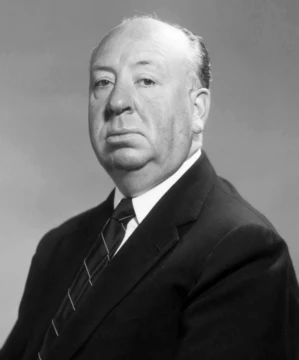
Pedro Almodóvar
Spanish filmmaker known for bold colour and complex narratives.

via Wikipedia: Pedro Almodóvar · see source
Pedro Almodóvar Caballero (born 25 September 1949) is a Spanish filmmaker and writer. His work is known for mixing melodrama with cheeky humor, vivid colors, polished sets, nods to pop culture, and tangled storylines. He often explores themes like desire, LGBTQ issues, passion, family, motherhood, and identity. One of Spain’s most successful directors abroad, Almodóvar has built a devoted fan base over his career.
He came of age during La Movida Madrileña, a burst of cultural freedom after Franco’s dictatorship ended. His early movies captured the era’s new sexual and political energy. In 1986, he and his younger brother Agustín founded their own production company, El Deseo, which has produced every Almodóvar film since *Law of Desire* (1987). His big break came with *Women on the Verge of a Nervous Breakdown* (1988), which got an Oscar nomination for Best Foreign Language Film.
Almodóvar often worked with actors Antonio Banderas and Penélope Cruz. He directed *Tie Me Up! Tie Me Down!* (1989), *High Heels* (1991), and *Live Flesh* (1997). His next two films—*All About My Mother* (1999) and *Talk to Her* (2002)—each won an Academy Award: one for Best Foreign Language Film, the other for Best Original Screenplay. Later praised works include *Volver* (2006), *Broken Embraces* (2009), *The Skin I Live In* (2011), *Julieta* (2016), *Pain and Glory* (2019), and *Parallel Mothers* (2021). He also made short films like *The Human Voice* (2020) and *Strange Way of Life* (2023). His first English-language feature, *The Room Next Door* (2024), won the Golden Lion at the Venice Film Festival.
His awards include an Oscar, two Golden Globes, two Emmys, five BAFTAs, and five Goya Awards. He received the French Legion of Honour in 1997, Spain’s Gold Medal of Merit in the Fine Arts in 1999, the European Film Academy’s Achievement in World Cinema Award in 2013, and a Golden Lion for lifetime achievement in 2019. Harvard University gave him an honorary doctorate in 2009, and the University of Oxford did the same in 2016.
Almodóvar was born in the small rural town of Calzada de Calatrava, in Ciudad Real province, Spain. He has two older sisters, Antonia and María Jesús, and a younger brother, Agustín. His father, Antonio, was a winemaker; his mother, Francisca, read and wrote letters for illiterate neighbors. When he was eight, his family sent him to a religious boarding school in Cáceres, hoping he might become a priest. They later joined him there, where his father ran a gas station and his mother opened a wine shop. Cáceres had a cinema, and Almodóvar later said, “Cinema became my real education, much more than the one I received from the priest.” He was influenced by Luis Buñuel.
In 1967, against his parents’ wishes, he moved to Madrid to become a filmmaker. When Franco shut down the National School of Cinema, Almodóvar taught himself. To make a living, he sold used goods at the El Rastro flea market and worked for twelve years as an administrative assistant at the phone company Telefónica.
In the early 1970s, he got into experimental film and theater, joining the avant-garde group Los Goliardos, where he first acted professionally and met actress Carmen Maura. He became a key figure in La Movida Madrileña after Franco’s death in 1975. With Fabio McNamara, he performed in a glam rock parody duo. He wrote for newspapers like *El País* and *Diario 16*, and contributed to counterculture magazines such as *Star* and *El Víbora*. He also published a novella, *Fuego en las entrañas*, and later compiled his stories into *El sueño de la razón*.
At 22, he used his first Telefónica paycheck to buy a Super-8 camera and started making short films by hand. His first short came around 1974; by the late 1970s, they were shown in Madrid and Barcelona nightspots. These shorts had explicit sexual content and no soundtracks. Titles included *Dos putas, o, Historia de amor que termina en boda* (1974), *La caída de Sodoma* (1975), *Homenaje* (1976), *La estrella* (1977), *Sexo Va: Sexo viene* (1978), and *Complementos* (1978), his first in 16mm. He recalled, “I showed them in bars, at parties… I could not add a soundtrack… I took a cassette with music while I personally did the voices of all the characters.” After four years of Super-8 shorts, he made his first feature-length film, *Folle, folle, fólleme, Tim*.
- born
- 25 September 1949
- field
- Film director, screenwriter, author
- nationality
- Spanish
- known_for
- Melodrama, irreverent humour, bold colour, complex narratives, LGBTQ themes
Verified Timeline
Lore & Background
Pedro Almodóvar Caballero was born on 25 September 1949 in Calzada de Calatrava, a small rural town in the Province of Ciudad Real, Spain. He has two older sisters, Antonia and María Jesús, and one brother Agustín. His father, Antonio Almodóvar (d. 1980), was a winemaker, and his mother, Francisca Caballero (1916–1999), was a letter reader and transcriber for illiterate neighbours. When Almodóvar was eight years old, the family sent him to study at a religious boarding school in the city of Cáceres, Extremadura, with the hope that he might become a priest. His family eventually joined him in Cáceres, where his father opened a gas station and his mother opened a bodega selling her own wine. Unlike Calzada, there was a cinema in Cáceres. 'Cinema became my real education, much more than the one I received from the priest,' he said later. Almodóvar was influenced by Luis Buñuel. Against his parents' wishes, Almodóvar moved to Madrid in 1967 to become a filmmaker. When the Spanish dictator Francisco Franco closed the National School of Cinema in Madrid, Almodóvar became self-taught. To support himself, he worked selling used items at the Madrid flea market El Rastro and as an administrative assistant at the Spanish phone company Telefónica for 12 years. Almodóvar's career developed during La Movida Madrileña, a cultural renaissance that followed the end of Francoist Spain. His early films characterized the sense of sexual and political freedom of the period. In 1986, he established his own film production company, El Deseo, with his younger brother Agustín Almodóvar, who has been responsible for producing all of his films since Law of Desire (1987). His breakthrough film was Women on the Verge of a Nervous Breakdown (1988), which was nominated for the Academy Award for Best Foreign Language Film. He achieved further success often collaborating with actors Antonio Banderas and Penélope Cruz. He directed Tie Me Up! Tie Me Down! (1989), High Heels (1991), and Live Flesh (1997). Almodóvar's next two films, All About My Mother (1999) and Talk to Her (2002), earned him an Academy Award each, for Best Foreign Language Film and Best Original Screenplay, respectively. His later films Volver (2006), Broken Embraces (2009), The Skin I Live In (2011), Julieta (2016), Pain and Glory (2019), and Parallel Mothers (2021) were also praised. He is also known for directing several short films including The Human Voice (2020) and Strange Way of Life (2023). He made his first English-language feature film with The Room Next Door (2024), which won the Golden Lion at the 81st Venice International Film Festival. Almodóvar has received numerous accolades, including an Academy Award, two Golden Globe Awards, two Emmy Awards, five BAFTA Awards, and five Goya Awards. He received the French Legion of Honour in 1997, the Gold Medal of Merit in the Fine Arts in 1999, the European Film Academy Achievement in World Cinema Award in 2013, and the Golden Lion for Lifetime Achievement in 2019. He has also received honorary doctoral degrees from Harvard University in 2009 and from the University of Oxford in 2016.
Reader's Guide
Pedro Almodóvar is a central figure in Spanish cinema, whose work emerged from the cultural renaissance of La Movida Madrileña following the end of Francoist Spain. His films are noted for their melodrama, irreverent humour, bold colour, glossy décor, and complex narratives, frequently exploring desire, LGBTQ issues, passion, family, motherhood, and identity. His early Super-8 short films, shown in Madrid's night circuit, led to his debut feature Pepi, Luci, Bom and Other Girls on the Heap (1980), a symbol of the Movida Madrileña. His breakthrough came with Women on the Verge of a Nervous Breakdown (1988), nominated for an Academy Award. He achieved international acclaim with All About My Mother (1999) and Talk to Her (2002), each winning an Academy Award. Almodóvar has received numerous accolades, including an Academy Award, two Golden Globe Awards, two Emmy Awards, five BAFTA Awards, and five Goya Awards. He received the French Legion of Honour in 1997, the Gold Medal of Merit in the Fine Arts in 1999, the European Film Academy Achievement in World Cinema Award in 2013, and the Golden Lion for Lifetime Achievement in 2019. He has also received honorary doctoral degrees from Harvard University in 2009 and from the University of Oxford in 2016. His legacy includes a cult following and a significant influence on global cinema.
Did You Know?
- Almodóvar worked for 12 years as an administrative assistant at the Spanish phone company Telefónica to support himself while making films.
- He bought his first camera, a Super-8, with his first paycheck from Telefónica when he was 22 years old.
- His mother, Francisca Caballero, worked as a letter reader and transcriber for illiterate neighbours.
- Almodóvar's first English-language feature film, The Room Next Door (2024), won the Golden Lion at the 81st Venice International Film Festival.
- He has received honorary doctoral degrees from both Harvard University (2009) and the University of Oxford (2016).
Creative Origins & Adaptation
The source does not cover the creative origins or adaptation of any specific film in detail beyond the general filmography listed. Almodóvar's films include adaptations such as Live Flesh (1997), based on a Ruth Rendell novel, and The Skin I Live In (2011), but the provided source only names these films without discussing their source material. For Julieta (2016), the source states it was praised but gives no information about its adaptation from Alice Munro's stories or any other origins. Therefore, this section cannot be written from the given source.
Narrative & Thematic Architecture
The source does not provide detailed narrative or thematic analysis of any specific film. It lists subjects frequently explored in Almodóvar's work—desire, LGBTQ issues, passion, family, motherhood, and identity—and notes that his films are distinguished by melodrama, irreverent humour, bold colour, glossy décor, quotations from popular culture, and complex narratives. However, no specific plot summaries or thematic breakdowns for individual films are included. Therefore, this section cannot be written from the given source.
Critical Reception & Awards Trajectory
Almodóvar's breakthrough film Women on the Verge of a Nervous Breakdown (1988) was nominated for the Academy Award for Best Foreign Language Film. His next two films, All About My Mother (1999) and Talk to Her (2002), each won an Academy Award—Best Foreign Language Film and Best Original Screenplay, respectively. His later films Volver (2006), Broken Embraces (2009), The Skin I Live In (2011), Julieta (2016), Pain and Glory (2019), and Parallel Mothers (2021) were also praised. The Room Next Door (2024) won the Golden Lion at the 81st Venice International Film Festival. Almodóvar has received numerous accolades including an Academy Award, two Golden Globe Awards, two Emmy Awards, five BAFTA Awards, and five Goya Awards. He received the French Legion of Honour in 1997, the Gold Medal of Merit in the Fine Arts in 1999, the European Film Academy Achievement in World Cinema Award in 2013, and the Golden Lion for Lifetime Achievement in 2019. He has also received honorary doctoral degrees from Harvard University in 2009 and from the University of Oxford in 2016.
Commercial Performance & Global Reach
The source does not provide box office figures, commercial performance data, or detailed global reach information for any of Almodóvar's films. It notes that his films have developed a cult following and that he is one of the most internationally successful Spanish filmmakers, but no specific financial or distribution details are given. Therefore, this section cannot be written from the given source.
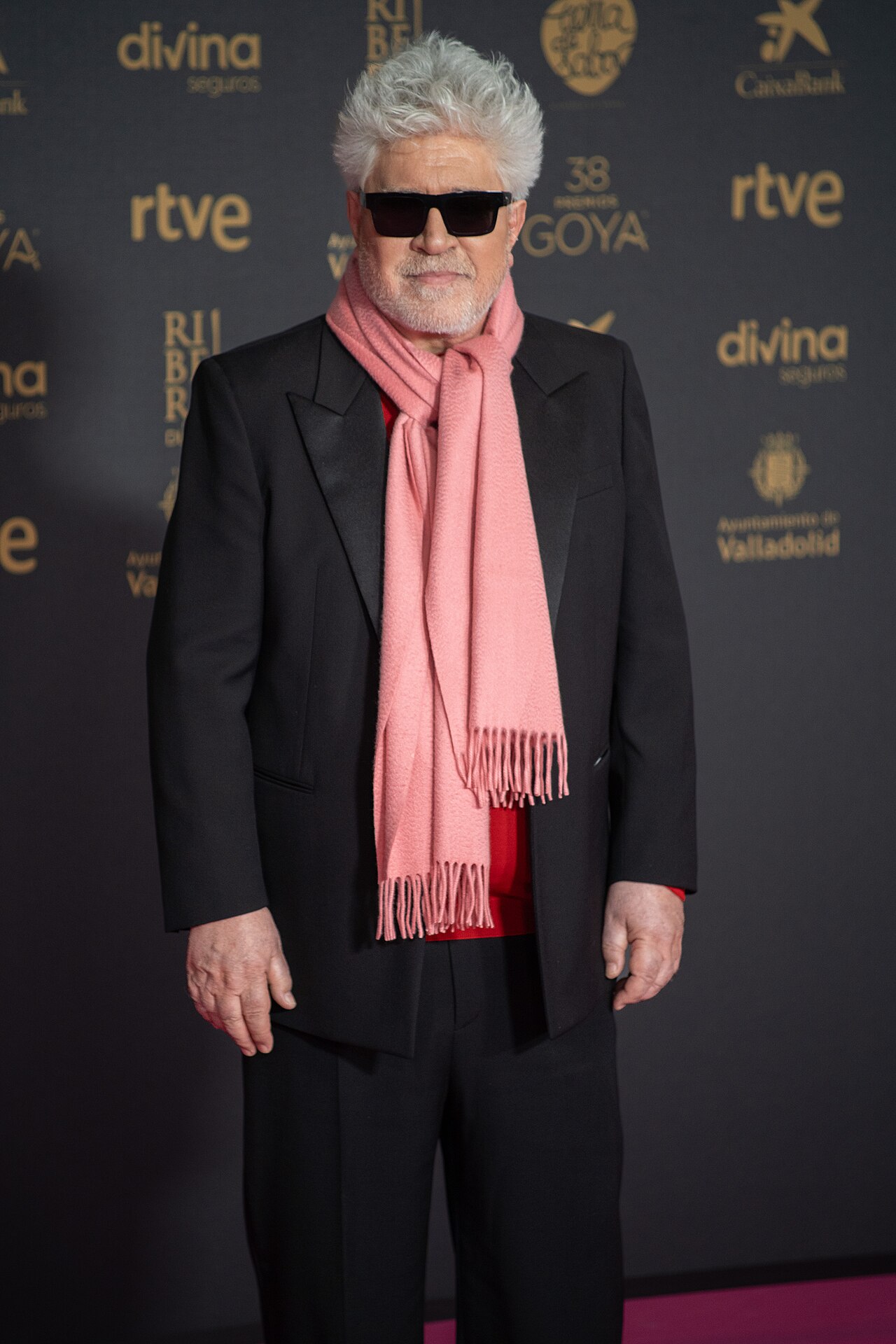
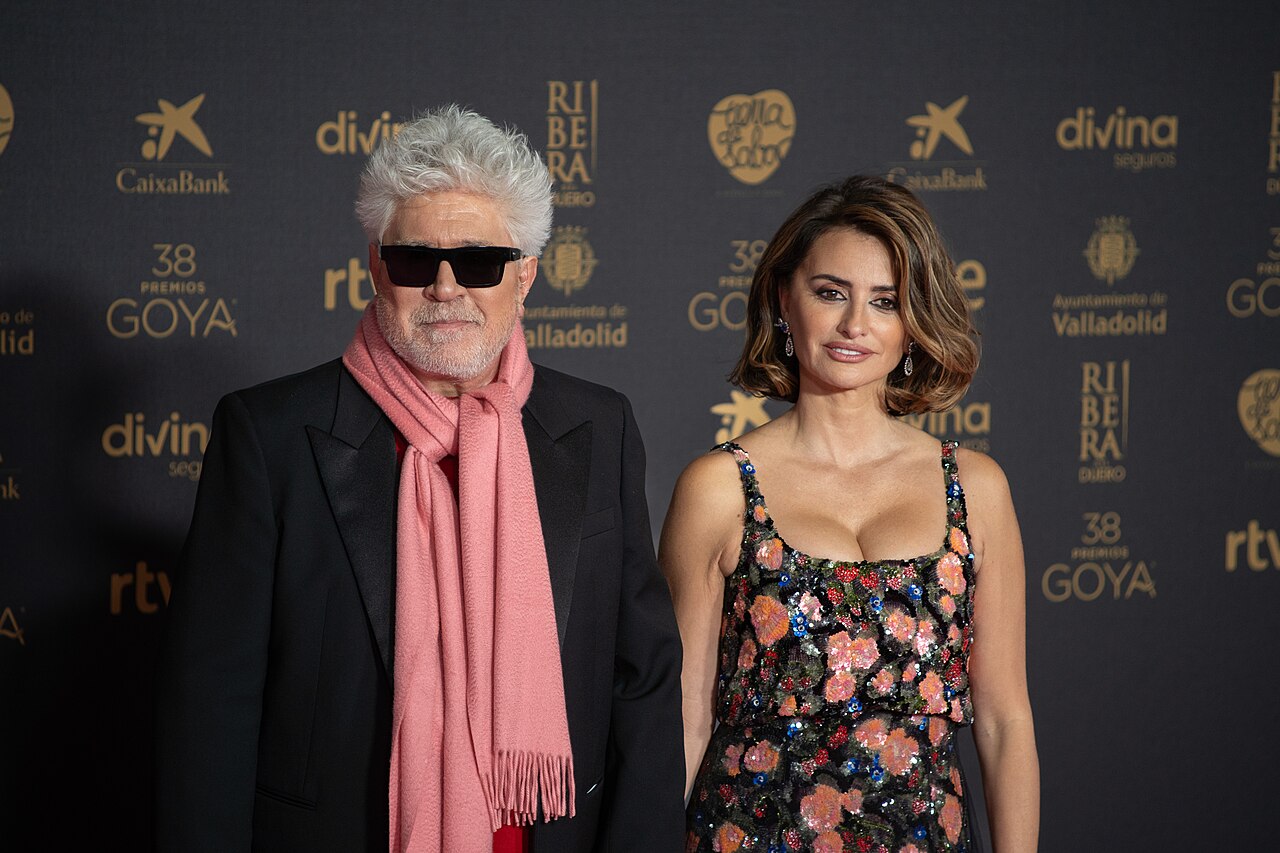
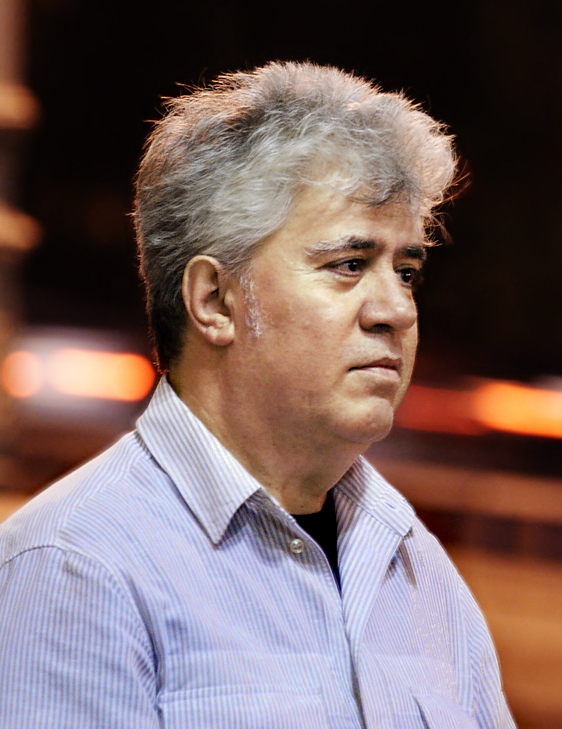
Gallery
Frequently Asked Questions
Who is Pedro Almodóvar?
Pedro Almodóvar Caballero is a Spanish filmmaker, screenwriter, and author born on 25 September 1949. He is best known for crafting emotionally charged, visually vivid films that blend melodrama with sharp wit.
What are Pedro Almodóvar's powers/role?
His signature 'powers' include bold saturated colour palettes, irreverent humour, and intricately layered narratives. He is also widely recognized for centring LGBTQ stories and characters with unapologetic warmth.
How does Pedro Almodóvar's story end?
Almodóvar's story has no final chapter, as he remains active in filmmaking and writing well into the twenty-first century. His ongoing 'arc' continues to evolve with each new project he undertakes.
Why is Pedro Almodóvar important?
He stands as one of the most internationally celebrated Spanish directors, building a devoted global cult following through his distinctive visual and narrative style. His work has significantly expanded the reach of Spanish-language cinema on the world stage.
What makes Pedro Almodóvar's films visually distinctive?
His films are immediately recognizable for their glossy, saturated colour schemes and richly detailed interior décor. These choices reinforce the melodramatic and often fantastical emotional landscapes of his stories.
More in Auteur Film Directors 1-17
Related in Auteur Film Directors
Links follow this subject's own source article.
Spotted an error? Know more?
This is a living reference — every entry is fact-audited, and reader corrections feed straight into our audit queue. Suggest an edit · See this site's audit record