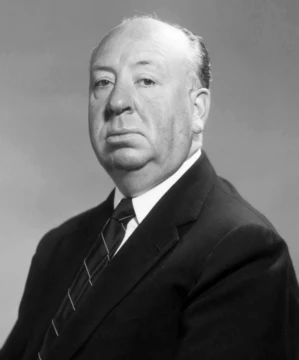
Peter Greenaway
British filmmaker associated with Neo-Baroque cinema.

Peter Greenaway is listed among the notable directors associated with Neo-Baroque cinema in the source. Neo-Baroque film theory, while borrowing the term from semiologist Umberto Eco and philosopher Gilles Deleuze, describes films, television shows, and Hollywood blockbusters characterized by excessively ornate, carnivalesque fragmentation of the film frame and/or narrative, sometimes to the point of spatial and/or narrative incoherence. The source places Greenaway alongside Sally Potter, Raúl Ruiz, Claire Denis, Steven Spielberg, Sam Raimi, Pedro Almodovar, Baz Luhrmann, James Cameron, Luc Besson, and Federico Fellini as directors linked to this approach.
- field
- Filmmaker, visual artist
- nationality
- British
Lore & Background
Peter Greenaway is a notable director associated with Neo-Baroque cinema, as stated in the source. Neo-Baroque film theory, a term borrowed from the writings of semiologist Umberto Eco and philosopher Gilles Deleuze, is used in film studies to describe certain films, television shows, and Hollywood blockbusters. These works are marked by excessively ornate, carnivalesque fragmentation of the film frame and/or narrative, sometimes to the point of spatial and/or narrative incoherence. The source lists Greenaway among other directors such as Sally Potter, Raúl Ruiz, Claire Denis, Steven Spielberg, Sam Raimi, Pedro Almodovar, Baz Luhrmann, James Cameron, Luc Besson, and Federico Fellini.
Reader's Guide
Peter Greenaway's association with Neo-Baroque cinema places him within a film theory that, according to the source, describes works characterized by excessively ornate, carnivalesque fragmentation of the film frame and/or narrative, sometimes to the point of spatial and/or narrative incoherence. The term "neo-baroque" is borrowed from the writings of semiologist Umberto Eco and philosopher Gilles Deleuze. The source lists Greenaway among notable directors associated with this approach, including Sally Potter, Raúl Ruiz, Claire Denis, Steven Spielberg, Sam Raimi, Pedro Almodovar, Baz Luhrmann, James Cameron, Luc Besson, and Federico Fellini.
Did You Know?
- Peter Greenaway is listed among notable directors associated with Neo-Baroque cinema in the source.
- The term 'neo-baroque' is borrowed from the writings of semiologist Umberto Eco and philosopher Gilles Deleuze.
- Neo-Baroque film theory describes works characterized by excessively ornate, carnivalesque fragmentation of the film frame and/or narrative.
- The source includes Greenaway alongside directors such as Sally Potter, Raúl Ruiz, Claire Denis, Steven Spielberg, Sam Raimi, Pedro Almodovar, Baz Luhrmann, James Cameron, Luc Besson, and Federico Fellini.
- Neo-Baroque cinema can involve spatial and/or narrative incoherence.
Frequently Asked Questions
Who is Peter Greenaway?
Peter Greenaway is a British filmmaker and visual artist born on 5 April 1942. He is best known for creating highly stylized, visually driven cinema that draws heavily on Renaissance and Baroque painting traditions.
What makes Peter Greenaway's filmmaking style distinctive?
His work is defined by painterly frame composition, saturated color palettes, and a deliberate rejection of conventional narrative pacing. Critics have called him a philosopher of cinema who champions the subversive power of the image over traditional storytelling.
What are Peter Greenaway's most well-known films?
His most celebrated titles include The Draughtsman's Contract, The Cook, the Thief, His Wife & Her Lover, and Prospero's Books. These works showcase his signature blend of intellectual provocation, visual spectacle, and dark humor.
What major award has Peter Greenaway received?
In 2014, he was honored with the BAFTA Outstanding British Contribution to Cinema Award. This recognition underscored his decades-long influence on British and international art-house filmmaking.
Why is Peter Greenaway considered important to auteur cinema?
He consistently challenged studio conventions by treating the cinematic frame as a canvas rather than a window into realistic drama. His work expanded what audiences expected from narrative film and reinforced the idea that cinema can function as a form of visual philosophy.
More in Auteur Film Directors 1-17
Spotted an error? Know more?
This is a living reference — every entry is fact-audited, and reader corrections feed straight into our audit queue. Suggest an edit · See this site's audit record