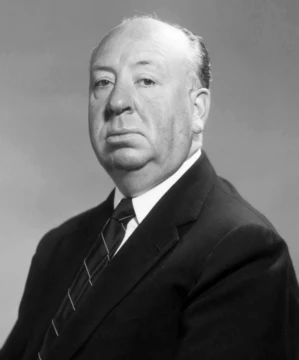
Roger Corman
Independent film pioneer and mentor to many directors.

via Wikipedia: Auteur · see source
Roger Corman (April 5, 1926 – May 9, 2024) was an American filmmaker who earned titles like "The Pope of Pop Cinema," "King of the Beatnik Movies," "The Spiritual Godfather of the New Hollywood," and "The King of Cult" for his pioneering work in independent film. He directed or produced over 500 features, many of them low-budget movies that later gained cult followings, including *A Bucket of Blood* (1959), *The Little Shop of Horrors* (1960), *The Intruder* (1962), *X: The Man with the X-ray Eyes* (1963), and the counterculture films *The Wild Angels* (1966) and *The Trip* (1967). *House of Usher* (1960) kicked off eight Corman-directed films adapted from Edgar Allan Poe stories, collectively known as the "Poe Cycle."
In 1964, Corman became the youngest filmmaker to receive retrospectives at the Cinémathèque française, the British Film Institute, and the Museum of Modern Art. He co-founded New World Pictures, founded New Concorde, and was a longtime member of the Academy of Motion Picture Arts and Sciences, which gave him an Honorary Award in 2009 for "his rich engendering of films and filmmakers." He also handled American distribution for foreign directors like Federico Fellini, Ingmar Bergman, François Truffaut, and Akira Kurosawa. Corman mentored and launched the careers of many young directors, including Francis Ford Coppola, Ron Howard, Martin Scorsese, Jonathan Demme, Peter Bogdanovich, Joe Dante, John Sayles, and James Cameron, and helped actors such as Peter Fonda, Jack Nicholson, Dennis Hopper, Bruce Dern, Diane Ladd, and William Shatner get their starts. He occasionally acted in films by directors who began with him, appearing in *The Godfather Part II* (1974), *The Silence of the Lambs* (1991), *Philadelphia* (1993), *Apollo 13* (1995), and *The Manchurian Candidate* (2004). A documentary about his life, *Corman's World: Exploits of a Hollywood Rebel*, directed by Alex Stapleton, premiered at Sundance and screened at Cannes in 2011, with TV rights picked up by A&E IndieFilms.
Corman was born in Detroit, Michigan, to Anne (née High) and William Corman, a civil engineer of Russian Jewish descent. His younger brother, Gene, produced many films, sometimes with Roger. Raised in his mother's Catholic faith, Corman attended Beverly Hills High School and then Stanford University to study industrial engineering. While at Stanford, he realized he didn't want to be an engineer and enlisted in the V-12 Navy College Training Program with six months of study left. After serving in the U.S. Navy from 1944 to 1946, he returned to Stanford, earning a Bachelor of Science in industrial engineering in 1947. At Stanford, he joined the fraternity Sigma Alpha Epsilon. In 1948, he briefly worked at U.S. Electrical Motors on Slauson Avenue in Los Angeles, but his engineering career lasted only four days—he started on Monday and quit on Thursday, telling his boss, "I've made a terrible mistake." Soon after, he found work at 20th Century Fox as a messenger in the mailroom, earning $32.50 per week, following his brother, who worked in the mailroom at MCA Inc.
Corman worked his way up to story reader. The one property he liked most and offered ideas for became *The Gunfighter* with Gregory Peck, but when he received no credit, he left Fox and decided to work in film on his own. Using the G.I. Bill, he studied English literature at the University of Oxford and lived in Paris for a time. He then returned to Los Angeles, taking jobs as a television stagehand at KLAC-TV and a messenger at Fox, and worked as an assistant to literary agent Dick Hyland. In his spare time, Corman wrote a script and sold it to William F. Broidy at Allied Artists for $2,000. "Dick thought it was funny and let me pay myself a commission," Corman said. Originally called *House in the Sea*, it was retitled *Highway Dragnet* (1954) and starred Richard Conte and Joan Bennett. Corman also worked without pay as associate producer on the film to gain experience.
Using his script fee and personal contacts, Corman raised $12,000 to produce his first feature, the science-fiction film *Monster from the Ocean Floor* (1954), through his own company, Palo Alto, and released by Robert L. Lippert. The film did well enough for him to produce another, the racing-car thriller *The Fast and the Furious* (1954), directed by its star John Ireland and co-starring Dorothy Malone. (Decades later, Corman licensed that title for a blockbuster film.) Corman sold the movie to the American Releasing Company (ARC), run by James H. Nicholson and Samuel Z. Arkoff, choosing them over offers from Republic and Columbia because ARC provided a monetary advance that let him produce two more movies. His second film for ARC was one he decided to direct: *Five Guns West* (1955), a Western in color for about $60,000, starring Malone and John Lund, with a script by Robert Wright Campbell, who worked with Corman several times more. Corman announced he would make four more projects for ARC: *High Steel*, *Cobra*, *Fortress Beneath the Sea*, and an untitled film from Campbell. Instead, he continued producing and directing a prolific string of low-budget films.
- field
- Film director and producer
- nationality
- American
- known_for
- Low-budget cult films, the 'Poe Cycle', mentoring numerous directors
Verified Timeline
Lore & Background
Corman was born in Detroit, Michigan, to Anne (née High) and William Corman, a civil engineer of Russian Jewish descent. He was raised in his mother's Catholic faith. He attended Beverly Hills High School and Stanford University, where he studied industrial engineering. He briefly worked as an engineer but quit after four days, then found work at 20th Century Fox as a messenger. After leaving Fox, he studied English literature at the University of Oxford under the G.I. Bill and lived in Paris for a time. He used the fee to produce his first feature, Monster from the Ocean Floor (1954). House of Usher (1960) was the first of eight films adapted from Edgar Allan Poe, known as the 'Poe Cycle'.
Reader's Guide
Roger Corman's significance lies in his prolific output and his role as a mentor to a generation of filmmakers. He co-founded New World Pictures and founded New Concorde, and was a longtime member of the Academy of Motion Picture Arts and Sciences. He distributed many films by noted foreign directors, including Federico Fellini, Ingmar Bergman, François Truffaut, and Akira Kurosawa. Corman gave early opportunities to directors such as Francis Ford Coppola, Ron Howard, Martin Scorsese, Jonathan Demme, Peter Bogdanovich, Joe Dante, John Sayles, and James Cameron, and helped launch the careers of actors including Peter Fonda, Jack Nicholson, Dennis Hopper, Bruce Dern, Diane Ladd, and William Shatner. A documentary about his life, Corman's World: Exploits of a Hollywood Rebel, premiered at Sundance and screened at Cannes in 2011.
Did You Know?
- He co-founded New World Pictures and founded New Concorde.
- He mentored directors including Francis Ford Coppola, Martin Scorsese, and James Cameron.
Gallery
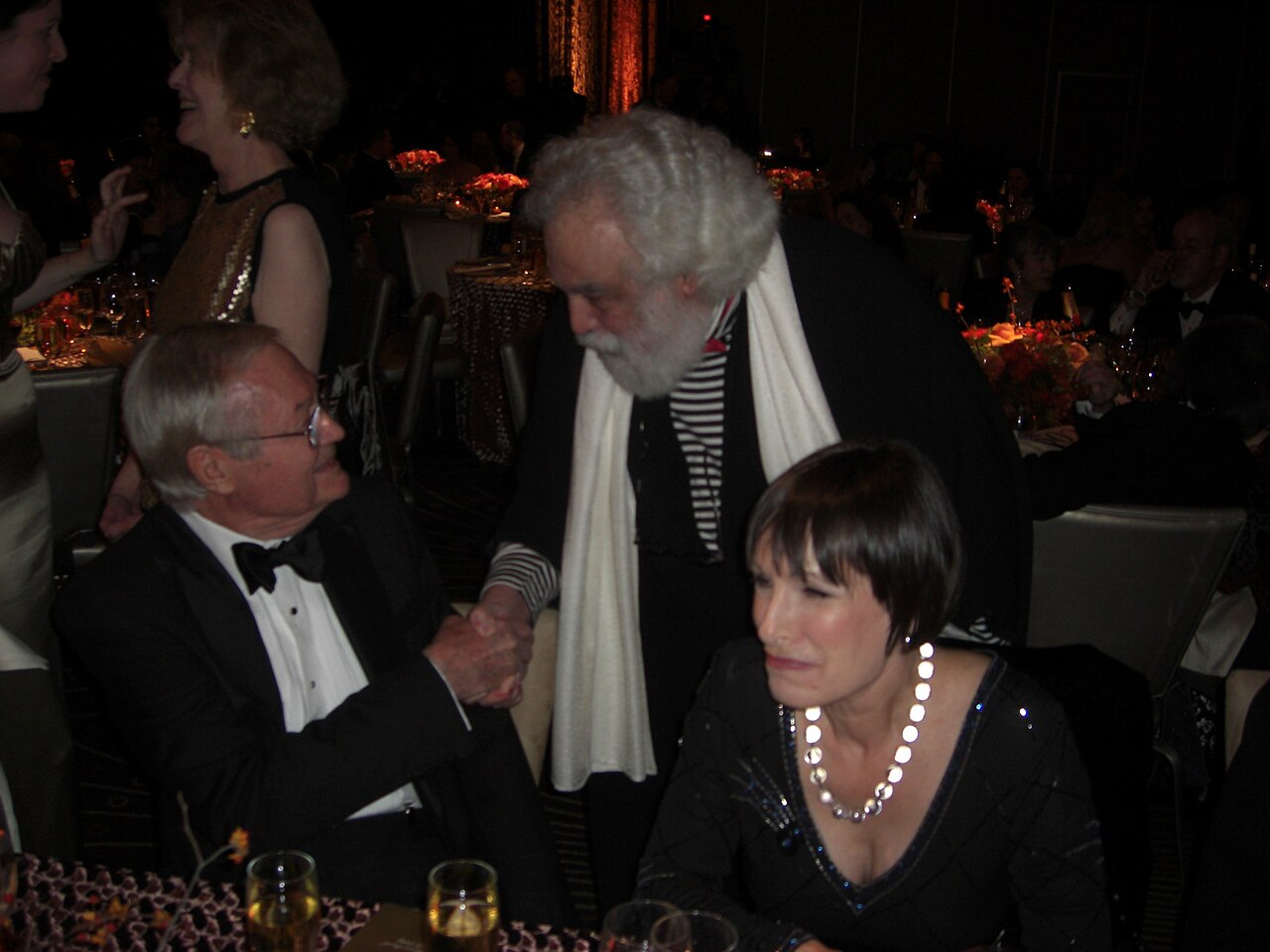
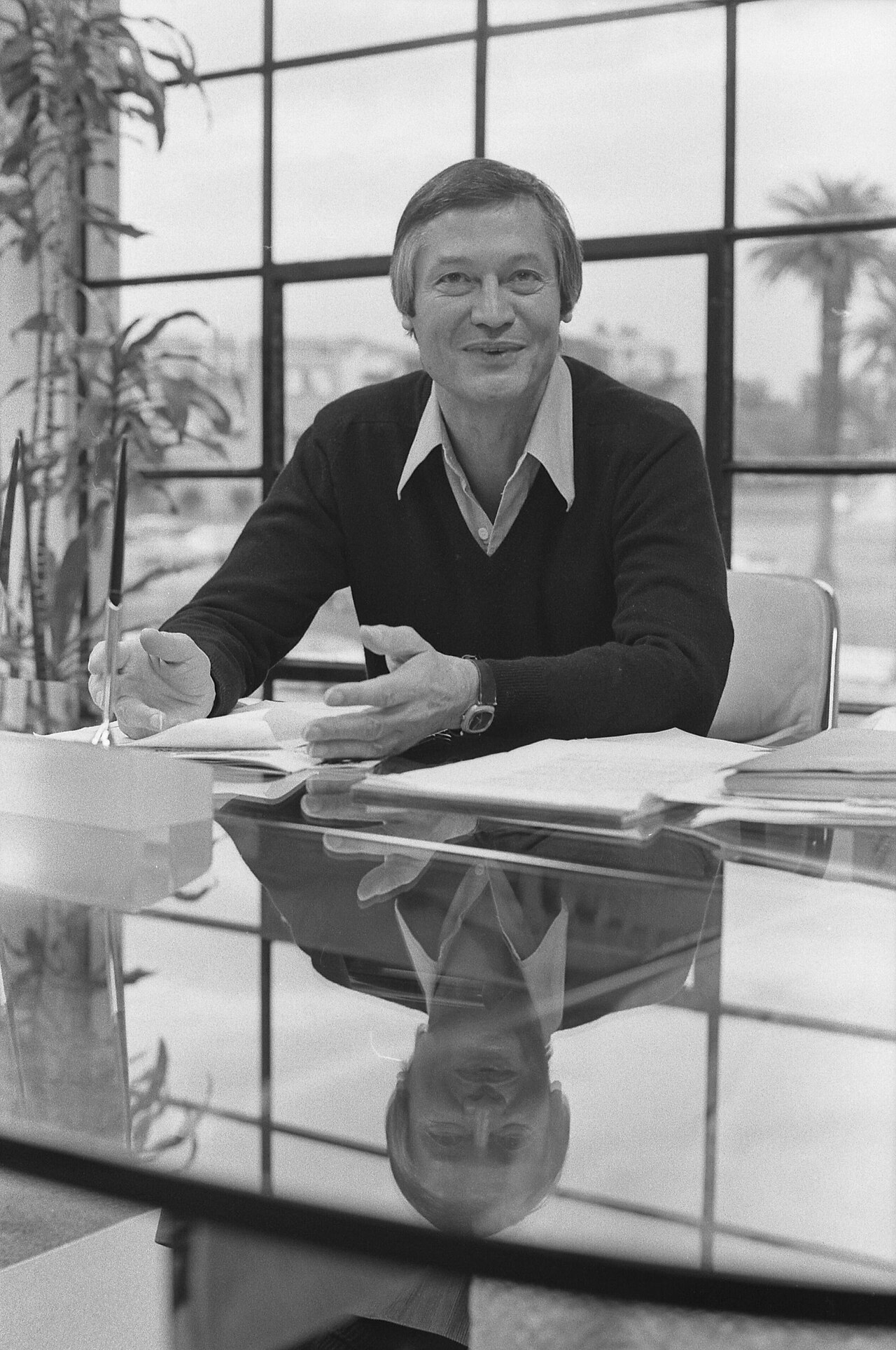
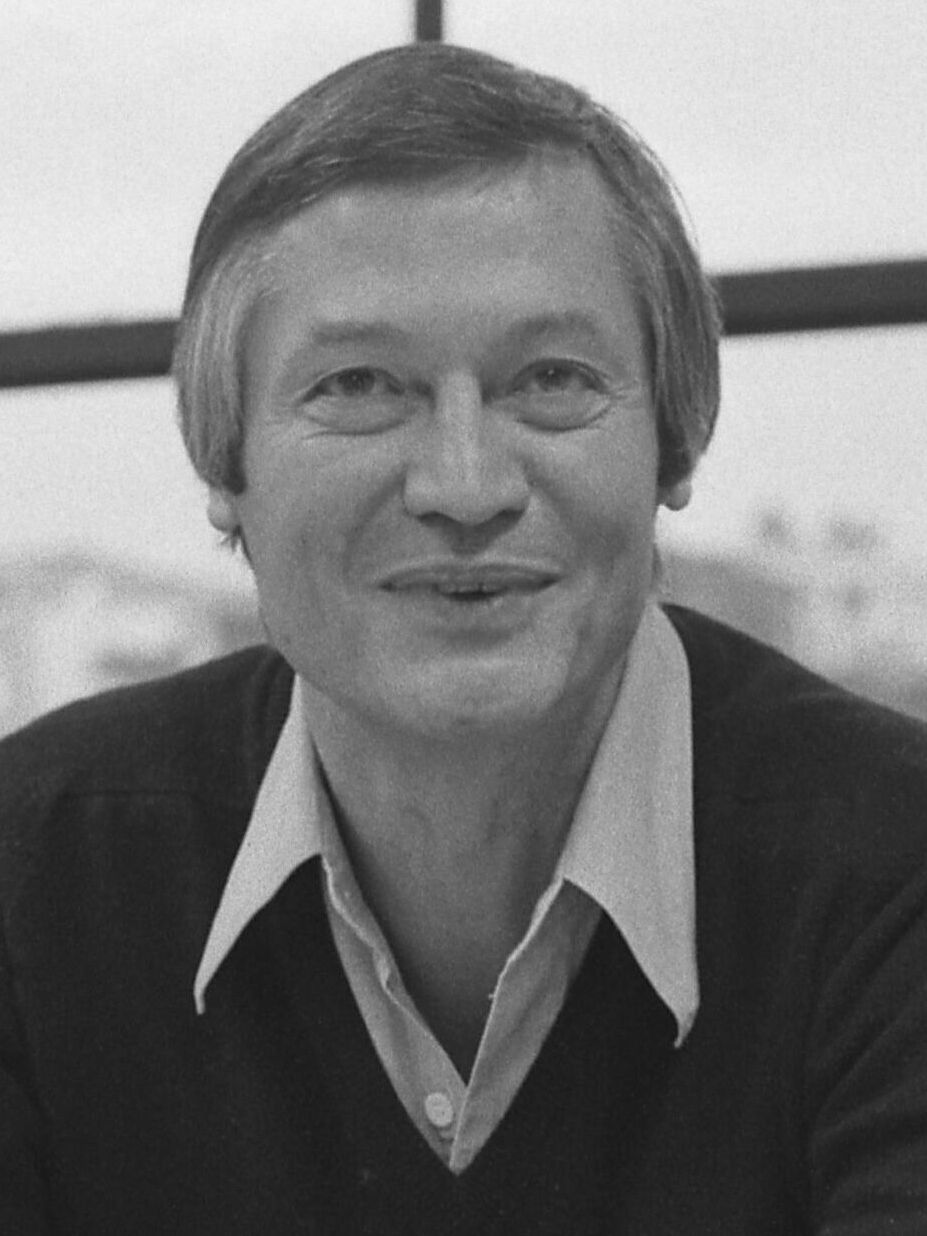
Frequently Asked Questions
What nicknames is Roger Corman known by?
Fans and critics have called him 'The Pope of Pop Cinema,' 'King of the Beatnik Movies,' 'The Spiritual Godfather of the New Hollywood,' and 'The King of Cult.' These titles reflect his outsized influence on both B-movie culture and the art-house movement that followed.
What is the 'Poe Cycle' in Roger Corman's filmography?
The Poe Cycle is a series of lean, low-budget horror films Corman produced in the early 1960s, each adapting a different Edgar Allan Poe story. These atmospheric pictures became cult favorites and helped cement his reputation for creative storytelling under tight financial constraints.
Who are the 'Cormanites' and why do fans talk about them?
The Cormanites are the group of directors—John Cassavetes, Ron Howard, James Cameron, among others—who gained early experience working on Corman's productions before going on to shape mainstream and independent cinema. Fans often credit Corman with giving these filmmakers their first real opportunities when no one else would.
Why is Roger Corman considered important to film history?
He demonstrated that a filmmaker could build a massive, respected career almost entirely outside the studio system by making fast, cheap, and inventive pictures. His independent-production model and his habit of mentoring young talent laid groundwork for the New Hollywood era and the modern indie-film landscape.
More in Auteur Film Directors 1-17
Spotted an error? Know more?
This is a living reference — every entry is fact-audited, and reader corrections feed straight into our audit queue. Suggest an edit · See this site's audit record